Introduction
College application preparation is a critical process that can significantly impact a student's opportunities for higher education. Starting early and approaching the application process strategically allows students to explore their options, meet important deadlines, and present their strengths effectively.
The college admissions landscape is complex and competitive, encompassing a range of institutions, including the University of California (UC) system, the California State University (CSU) system, private colleges, and out-of-state universities. Each has its own criteria, timelines, and expectations, making it essential for students and families to understand the distinct requirements of each pathway.
This guide aims to support students, families, and counselors by providing clear, actionable information on college application preparation. Whether targeting public universities in California or private institutions across the country, the objective is to equip all stakeholders with the tools and knowledge needed to navigate the application process successfully.

📆 Timeline for College Preparation
Freshman & Sophomore Years
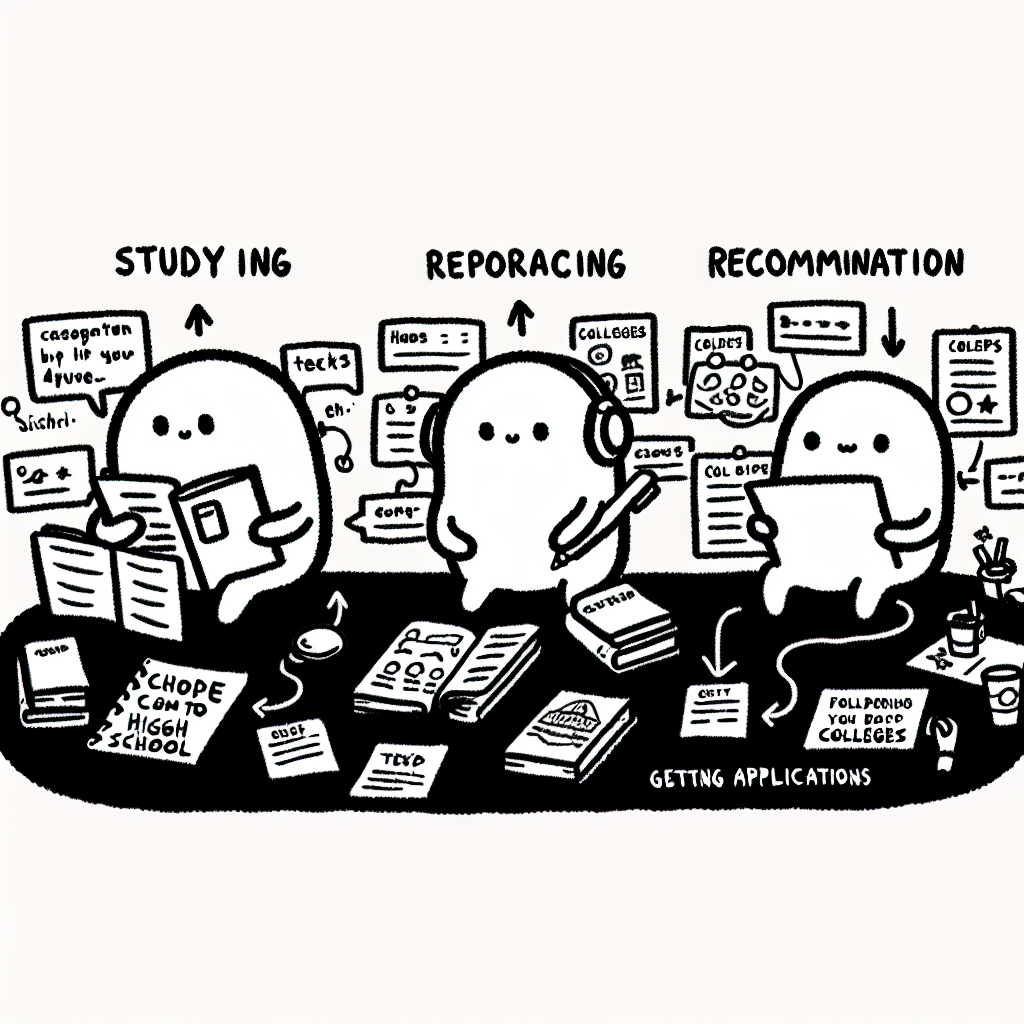
During the early years of high school, college application preparation should begin with building a strong academic foundation. Students should focus on maintaining good grades and taking challenging courses that align with their strengths and interests. This is also a key time to explore extracurricular activities such as clubs, sports, volunteering, or arts programs. These experiences help demonstrate commitment and well-roundedness later in the application process. Additionally, students can start casually researching potential colleges to understand different types of institutions and what they offer.
Junior Year
In junior year, college application preparation intensifies. Students should take the PSAT/NMSQT in the fall, which can qualify them for National Merit Scholarships and serves as useful practice for the SAT. Preparation for the SAT or ACT should begin in earnest. It's also important to build strong relationships with teachers, as these individuals may be asked to write recommendation letters. Attending college fairs, visiting campuses, and refining a preliminary list of colleges can help narrow options and guide future decisions.
Senior Year
Senior year is when students finalize their college application preparation. The college list should be complete, with a balanced mix of reach, match, and safety schools. Students must stay on top of application deadlines and ensure all materials—including essays, transcripts, and test scores—are submitted on time. Financial aid forms such as the FAFSA and CSS Profile should be completed as early as possible. Letters of recommendation should be requested and confirmed. For schools that require interviews, students should prepare accordingly. It's essential to track all deadlines and submission confirmations to avoid any last-minute issues.
🧠 Academic Preparation
Course Selection
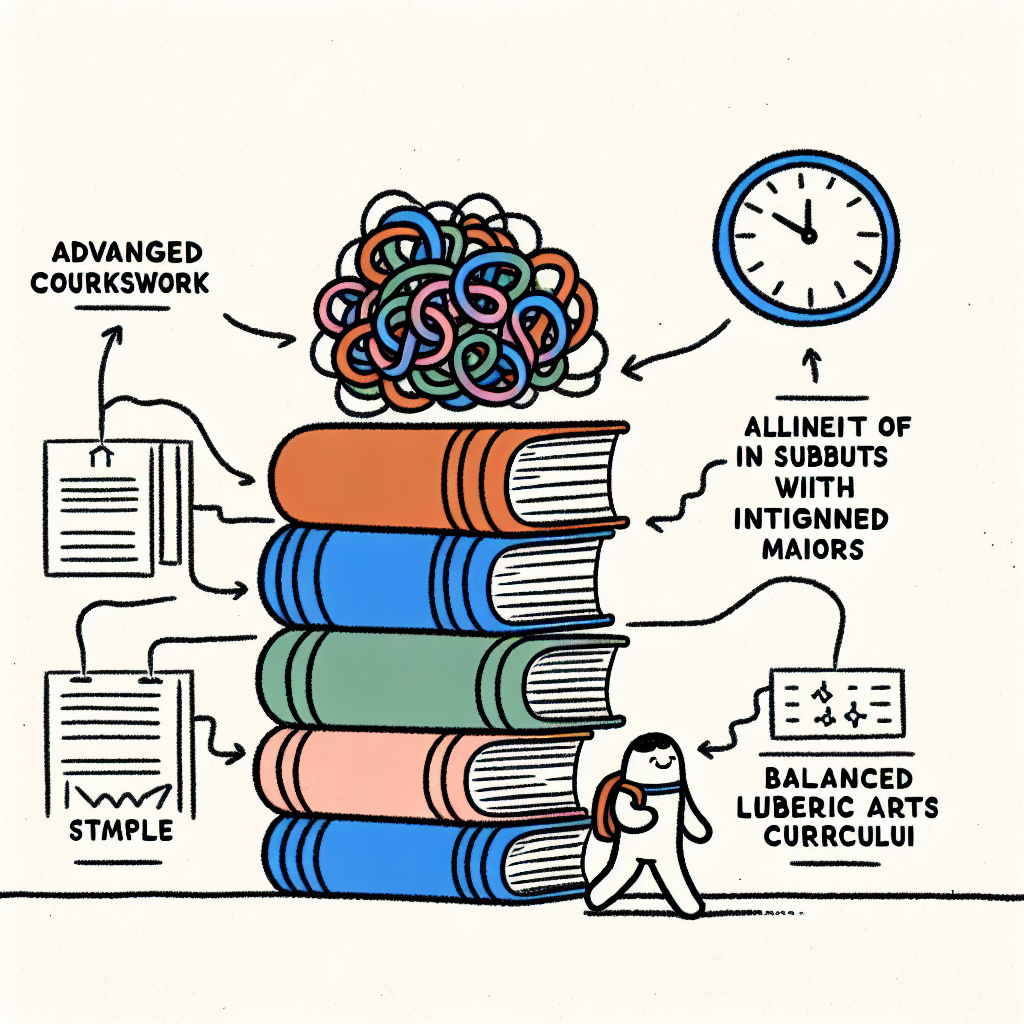
A key element of college application preparation is thoughtful course selection. Admissions officers look for students who challenge themselves academically. Enrolling in honors, Advanced Placement (AP), International Baccalaureate (IB), or dual enrollment courses demonstrates a willingness to tackle rigorous material. These advanced courses not only strengthen a transcript but also help students develop the skills needed for college-level work.
Students should also consider aligning their high school coursework with their intended college major. For instance, a student interested in engineering should take advanced math and science classes, while a prospective humanities major should focus on courses in literature, writing, and history. This alignment shows colleges that applicants are both prepared and passionate about their chosen field.
According to the Harvard College – Guide to Preparing for College, a well-rounded liberal arts curriculum is strongly encouraged. This means students should take a balanced mix of subjects, including math, science, English, social studies, and foreign languages, to build a strong academic foundation.
Standardized Testing
Standardized testing is another key area of academic preparation. Students must understand the evolving landscape of test-optional admissions policies. While some colleges no longer require SAT or ACT scores, strong test results can still enhance an application, particularly for competitive programs or scholarships.
Creating a personalized testing timeline is essential. Students should plan when to take the SAT or ACT, allowing time for preparation and retakes if necessary. Practice tests and prep materials can help identify strengths and areas for improvement, making study time more effective.
The University of Washington – Preparing for College page provides helpful advice on both standardized test preparation and course planning. Students are encouraged to start early, stay informed about each college’s testing policies, and approach both academics and testing with a strategic mindset.
🧭 College Exploration & Fit
Building a Balanced College List
A crucial step in college application preparation is building a balanced college list that includes a range of institutions—reach, match, and safety schools. Start by understanding the different types of institutions. Public universities are typically larger and state-funded, often offering lower tuition for in-state students. Private colleges may offer smaller class sizes and more individualized attention but can be more expensive. Liberal arts colleges focus on broad undergraduate education, while research universities emphasize faculty research and may have more graduate programs.
Use online tools like BigFuture, College Board, and Naviance to research schools and track your preferences. These platforms help students compare schools based on academics, location, cost, and more. The University of Pennsylvania – Search Guides is another valuable resource that helps organize and prioritize search criteria.
Campus Visits & Virtual Tours
Campus visits and virtual tours are essential for evaluating a college’s atmosphere and determining fit. During in-person visits, observe the campus environment, talk to current students, and attend information sessions. For virtual tours, take note of how the school presents itself online and what student life looks like.
Ask questions such as:
- What support services are available for students?
- What is the average class size?
- How active is the campus community?
- What internship or career services are provided?
These insights help students assess whether a school aligns with their academic, social, and personal needs.
Factors to Consider
When exploring colleges, consider key factors that influence your experience and success:
- Academic programs and majors: Ensure the college offers strong programs in your areas of interest.
- Location and size: Urban vs. rural settings and large vs. small campuses impact daily life.
- Diversity and campus life: Look for communities that reflect your values and interests.
- Financial aid and scholarships: Evaluate cost of attendance and what financial support is available.
Thoughtful college exploration and fit assessment are vital parts of effective college application preparation.

Building a Competitive Application
Personal Statement & Essays
Crafting a standout personal statement is a central part of college application preparation. Begin by brainstorming life experiences, challenges, or values that shaped your perspective. Use storytelling techniques—such as vivid details, character development, and emotional resonance—to create an engaging narrative.
Understand the differences between platforms. The Common App personal statement is a single, longer essay used by many colleges, while the University of California (UC) system requires responses to Personal Insight Questions (PIQs), which are shorter and more focused. Tailor your content to suit each format.
After drafting, go through multiple editing cycles. Seek feedback from teachers, counselors, or trusted peers. Their objective input can help clarify your message and eliminate errors.
Letters of Recommendation
Strong letters of recommendation can significantly enhance your college application preparation. Choose recommenders who know you well—ideally teachers from your junior or senior year, or mentors who can speak to your character and achievements.
When requesting a letter, do so early and provide helpful context. Share a brag sheet or resume that outlines your accomplishments, interests, and goals. This helps your recommender write a detailed and personalized letter.
Extracurricular Activities & Leadership
In college application preparation, focus on the depth of your extracurricular involvement rather than the number of activities. Admissions officers value sustained commitment and measurable impact—such as leading a club, initiating a project, or mentoring others.
Include work experience, family responsibilities, or unique skills that demonstrate maturity, responsibility, or creativity. These non-traditional activities can be just as meaningful as school-sponsored ones.
Application Platforms
Navigating multiple application platforms is a key part of effective college application preparation. The Common App and Coalition App serve many private and public institutions across the country. The UC and California State University (CSU) systems have their own applications with unique requirements.
To manage deadlines and requirements efficiently, create a calendar or checklist for each platform and school. Organize materials like transcripts, test scores, and essays in advance.
The University of California, Berkeley – College Application Resource Directory provides a helpful overview of application timelines and tips for various college systems, making it a valuable planning tool.

💰 Financial Planning & Aid
Understanding Financial Aid
A critical component of college application preparation is understanding the different types of financial aid available. Financial aid can come from federal, state, institutional, or private sources and is typically categorized as either need-based or merit-based.
- Federal aid includes grants (like the Pell Grant), loans, and work-study programs, and is usually based on financial need.
- State aid varies by state and may include grants or scholarships for residents.
- Institutional aid comes directly from colleges and universities and can be either need-based or merit-based.
- Merit-based aid is awarded based on academic, athletic, or artistic achievements, regardless of financial need.
- Need-based aid is determined by the family's financial situation.
To apply for most aid, students must complete the Free Application for Federal Student Aid (FAFSA), which typically opens on October 1st each year. Some institutions also require the CSS Profile, administered by the College Board, which may have different deadlines. It's important to check each college's requirements and submit these forms early to maximize eligibility.
Scholarships
Scholarships are a vital part of college application preparation and can significantly reduce the cost of attendance. Students should look for scholarships at the local, national, and institutional levels:
- Local scholarships are often offered by community organizations, businesses, and foundations.
- National scholarships can be found through databases like Fastweb, Cappex, and the College Board’s BigFuture.
- Institutional scholarships are awarded by colleges based on academic merit, talent, or other criteria.
Writing strong scholarship essays is essential. Students should tailor each essay to the scholarship prompt, highlight personal achievements, and demonstrate clear goals. Staying organized is equally important—use a spreadsheet or calendar to track deadlines and submission requirements to avoid missing opportunities.
Budgeting for College
Part of effective college application preparation includes planning for the full cost of attendance, which goes beyond tuition. Students and families should estimate:
- Tuition and fees
- Housing and meals
- Books and supplies
- Transportation and travel
- Personal expenses
Using each college’s net price calculator helps estimate the real cost after financial aid. When comparing financial aid award letters, it's important to look beyond the total amount offered and consider the breakdown between grants, loans, and work-study. This helps in making informed decisions that align with the family's financial situation.

📑 Application Management & Organization
Creating a Master Application Spreadsheet
A key part of effective college application preparation is keeping all your materials and deadlines organized. Creating a master application spreadsheet helps you manage multiple applications at once. In the spreadsheet, include columns for school names, application deadlines (early action, early decision, regular), required materials (essays, test scores, recommendation letters), login credentials for each college portal, and submission status. Keeping this information centralized ensures that nothing is missed and that each application is submitted on time.
Using Checklists & Worksheets
Checklists and worksheets are practical tools that support application tracking. The University of Pennsylvania – Search Guides offers downloadable resources that help students monitor their progress across various application components. These templates can serve as a guide to mark off completed tasks and identify what still needs attention.
Additionally, setting calendar reminders for key milestones—such as testing dates, application deadlines, and recommendation requests—further reinforces your college application preparation. Digital calendars can send alerts to help you stay on track without relying solely on memory.

Navigating Support Systems
Effectively using support systems is a critical component of college application preparation. Students can benefit greatly from tapping into the resources available through their schools, families, and institutions.
Role of School Counselors
School counselors play a pivotal role in college application preparation. Students should aim to schedule regular check-ins, especially during junior and senior years, to ensure they are staying on track with deadlines and requirements. Sharing college preferences, academic interests, and career goals allows counselors to provide tailored advice and recommend suitable options. Counselors can also assist with reviewing application materials, requesting transcripts, and writing recommendation letters.
Family Engagement
Family involvement is another key support system in college application preparation. Initiating honest conversations about financial limitations, scholarship opportunities, and geographic preferences helps align expectations early in the process. Families can also contribute by participating in campus visits and decision-making discussions, ensuring that the chosen college fits both academic and personal goals.
Accessing Institutional Resources
In addition to personal networks, students should take advantage of institutional resources designed to support college application preparation. The University of California, Berkeley – College Application Resource Directory provides tools and links to help guide students through the process. Similarly, the Johns Hopkins University – College Planning Guide offers a comprehensive framework for families to structure their planning around personal priorities and long-term objectives. These resources can fill in knowledge gaps and reinforce the support students receive from their schools and families.

Special Considerations
First-Generation and Underserved Students
College application preparation can be especially challenging for first-generation and underserved students due to limited access to resources and guidance. However, a range of programs are designed to support these applicants. Federal initiatives like TRIO programs—including Upward Bound and Talent Search—offer academic support, college counseling, and financial aid guidance. Additionally, community-based organizations such as College Possible and QuestBridge provide mentorship, test prep, and assistance with applications.
Mentorship plays a crucial role in helping students navigate the college application process. Local nonprofits and school-based programs often connect students with mentors who can offer insight into timelines, essay writing, and financial aid options. These resources help bridge the information gap and empower students to pursue higher education confidently.
Students with Learning Differences
For students with learning differences, college application preparation should include a thorough understanding of the accommodations available at the postsecondary level. Unlike K–12 education, colleges are not required to modify academic standards, but they do provide reasonable accommodations under the Americans with Disabilities Act (ADA). Examples include extended time on tests, note-taking assistance, and access to quiet testing environments.
Researching colleges with strong support services is critical. Many institutions have dedicated disability services offices that offer personalized support plans and assistive technologies. Prospective students should look for campuses with inclusive policies, trained staff, and peer support networks that align with their academic and personal needs.
Transfer & Nontraditional Applicants
College application preparation for transfer and nontraditional applicants often involves alternative pathways to four-year institutions. These pathways can include starting at a community college before transferring or applying to schools with flexible admission policies for adult learners.
Understanding articulation agreements between community colleges and universities is key. These agreements outline which credits will transfer, helping students avoid repeating coursework and stay on track for graduation. Timelines for transfer applications may differ from those of first-time freshmen, so careful planning is necessary. Many schools also offer dedicated advisors and orientation sessions tailored to the needs of transfer and nontraditional students.

Final Tips & Best Practices
When it comes to college application preparation, a few final tips and best practices can make a significant difference in both your experience and your results.
Start early and stay organized. Give yourself plenty of time to gather materials, write and revise essays, and meet deadlines. Use calendars, spreadsheets, or apps to track requirements and due dates for each school.
Don’t compare your journey to others. Everyone’s path is different, and comparing your progress or achievements to others can add unnecessary stress. Focus on presenting your authentic self and highlighting your individual strengths.
Reflect on your goals and values. Take time to understand what matters most to you—academically, personally, and socially. This reflection will help you choose schools that align with your priorities and write application materials that are meaningful and focused.
Seek feedback, but keep your voice in your application. It’s helpful to get input from teachers, counselors, or mentors, especially on your personal statement and supplemental essays. However, make sure the final product still sounds like you. Admissions officers want to hear your unique perspective, not a polished version shaped entirely by others.
By following these best practices, you can approach your college application preparation with clarity and confidence.

📚 Additional Tools & Resources
Effective college application preparation involves using the right tools and resources to stay informed and organized. Several universities offer comprehensive guides and directories to help students navigate the process:
- The University of California, Berkeley – College Application Resource Directory provides a curated list of tools and services for every stage of college application preparation.
- The University of Washington – Preparing for College page outlines practical steps students can take throughout high school to build a strong application profile.
- The University of Pennsylvania – Search Guides offer structured guidance on exploring colleges and understanding application requirements.
- The Johns Hopkins University – College Planning Guide breaks down the college preparation timeline and provides expert advice on personal statements and recommendation letters.
- The Harvard College – Guide to Preparing for College discusses academic planning, extracurricular development, and financial aid awareness as essential parts of college application preparation.
These tools can help students and families better understand the expectations of selective colleges and improve their readiness during the application process.

Conclusion
College application preparation is more than just compiling grades and test scores—it's a journey of self-discovery and strategic planning. Throughout the process, students learn to articulate their goals, reflect on their achievements, and identify the environments where they will thrive.
With the right tools and mindset, students can find and gain admission to colleges that align with their aspirations and potential. Preparation involves understanding each school's requirements, planning ahead for deadlines, and crafting personal statements that authentically represent one's experiences.
Empower yourself with knowledge, stay proactive throughout the process, and trust in your unique story. College application preparation is not just about getting in—it's about finding the right fit and setting the stage for future growth.

 SHARE ON FACEBOOK
 SHARE ON TWITTER