Introduction
Grade Point Average (GPA) is a standardized measure used to assess a student's academic performance, typically on a scale of 0.0 to 4.0. It is calculated by averaging the grades a student earns in their courses, providing a quantitative representation of their academic achievements.
The importance of GPA extends beyond academic performance. In many educational institutions, GPA plays a crucial role in determining eligibility for scholarships, honors programs, and college admissions. Additionally, in the career context, employers often consider GPA as a reflection of a candidate's work ethic and ability to succeed in an academic environment, which can influence hiring decisions.
This article aims to evaluate the significance of a 3.0 GPA. It will explore how a 3.0 GPA is perceived in both academic and professional realms, helping students understand its implications for their future.
Understanding GPA
What is a 3.0 GPA?
A 3.0 GPA is a numerical representation of academic performance on a 4.0 GPA scale. The 4.0 scale is commonly used in the United States, where each letter grade corresponds to a specific GPA value:
- A (4.0)
- B (3.0)
- C (2.0)
- D (1.0)
- F (0.0)
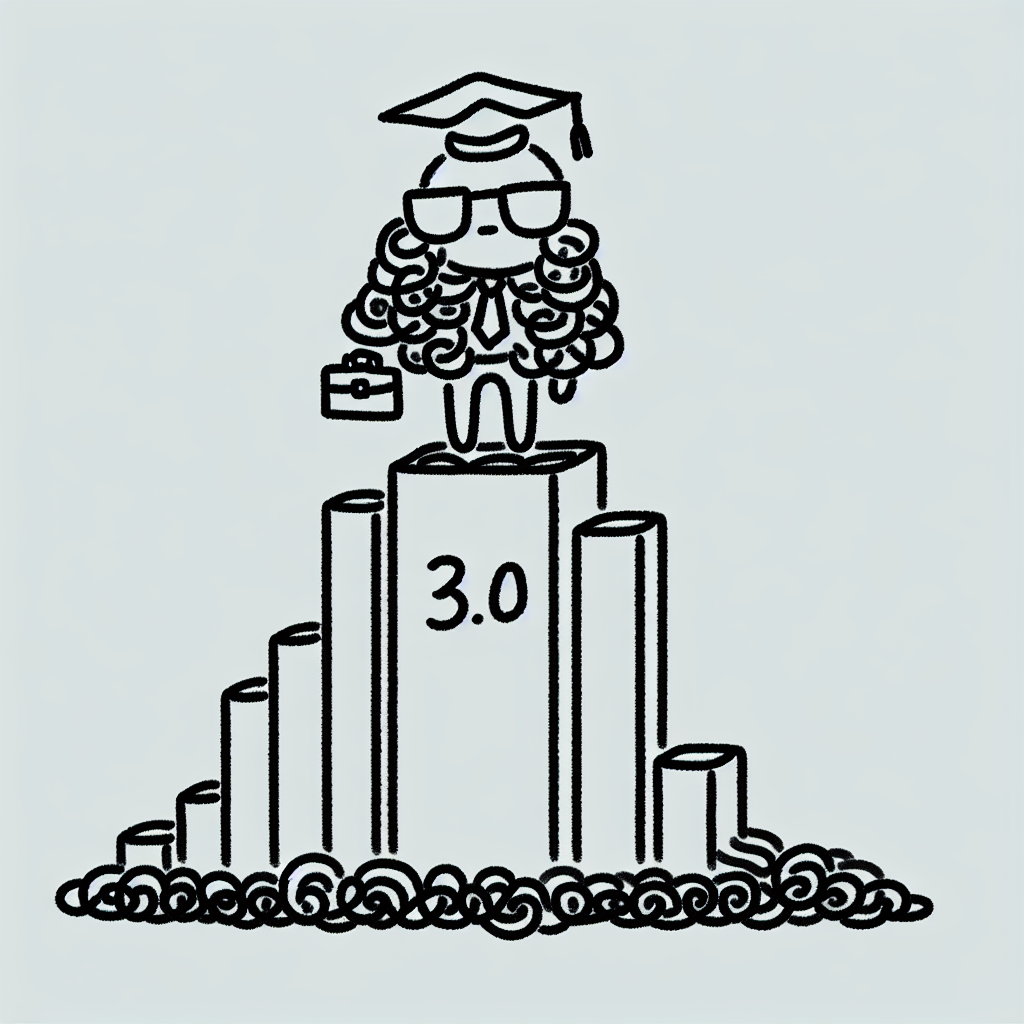
On this scale, a 3.0 GPA typically indicates a solid performance, representing mostly B grades across courses. It serves as a significant benchmark for students, often considered the minimum threshold for many colleges and universities.
Average High School GPA
According to national statistics, the average GPA among high school students in the U.S. hovers around 3.0. This places a 3.0 GPA right at the national average, indicating that students with this GPA are performing at a level consistent with their peers. This context is essential for understanding how a 3.0 GPA is perceived within the broader academic landscape (source).
Academic Performance
High School vs. College GPA
When comparing academic performance, there is a significant difference between high school GPAs and college GPAs. Statistically, high school GPAs are typically 0.66 points higher than first-year college GPAs, which can influence a student's perception of their academic abilities (source). This discrepancy can be attributed to various factors, including the increased academic rigor and independence required in college. Maintaining a 3.0 GPA in college can be challenging due to these factors, as students must adapt to new teaching styles, larger class sizes, and often a more competitive atmosphere.
College Graduation Rates
Graduation rates are closely correlated with a student’s GPA. For instance, students who achieve a first-year GPA between 2.50 and 2.99 have a 48% graduation rate, while those with a GPA between 2.00 and 2.49 show a significantly lower graduation rate of 28% (source). These statistics highlight the importance of maintaining at least a 3.0 GPA, as it not only reflects a solid understanding of the coursework but also significantly enhances the likelihood of graduation.
Factors Influencing GPA
Impact of Attendance on GPA
Attendance plays a crucial role in academic performance. Research indicates a strong relationship between consistent attendance and higher GPAs. Students who frequently miss classes are more likely to struggle academically, with a significant correlation found between student absences and the likelihood of achieving a GPA below 3.0. Ensuring regular attendance is important for academic success, as it allows students to engage with the material, participate in discussions, and benefit from direct interaction with instructors. The U.S. Department of Education highlights this connection, noting that consistent attendance is critical for achieving higher academic outcomes (source).
Study Habits and Time Management
Effective study techniques are essential for students aiming to achieve a 3.0 GPA. Students must develop good study habits that include regular review of materials, active participation in learning, and seeking help when needed. Additionally, time management strategies are vital for balancing academic responsibilities and personal commitments. Prioritizing tasks, setting specific study times, and breaking assignments into manageable parts can enhance productivity. Moreover, involvement in extracurricular activities, while beneficial for personal development, must be balanced with academic commitments to maintain a strong GPA. Students should consider how these activities impact their study time and overall performance.

Scholarship and Career Implications
Scholarship Eligibility
A GPA of 3.0 is often the minimum requirement for various scholarships, making it a crucial benchmark for students seeking financial assistance. Many organizations and institutions set this standard to ensure that recipients maintain a certain level of academic performance. For instance, the Al Golden Memorial Scholarship requires applicants to have at least a 3.0 GPA, highlighting the importance of this threshold in accessing financial aid and academic opportunities (source). Maintaining a 3.0 GPA not only opens doors to scholarships but also enhances eligibility for other forms of financial aid, making it essential for students aiming to support their education.
Career Opportunities
In the job market, a 3.0 GPA can significantly impact job prospects for recent graduates. While many employers consider a variety of factors, such as experience and skills, a GPA of 3.0 is often viewed as a baseline indicator of a candidate's academic capabilities. However, in competitive job markets, some employers may favor candidates with higher GPAs, reflecting a preference for academic excellence. Thus, while a 3.0 GPA is a good starting point, striving for a higher GPA can provide an advantage in securing desirable job opportunities.

Conclusion
In summary, a 3.0 GPA is often seen as a solid average in the academic landscape. It indicates a decent understanding of course material and can open doors to various opportunities, including internships and college admissions. However, the significance of a 3.0 GPA can vary depending on the field of study, the institution, and the expectations of potential employers.
Maintaining or improving a GPA is crucial not only for academic success but also for future career prospects. A higher GPA can enhance a resume, making candidates more competitive in the job market. Therefore, students should consider the implications of their GPA and seek ways to improve their academic performance if necessary. Understanding that a 3.0 GPA is a baseline can motivate students to strive for better results, ultimately impacting their professional lives positively.
Additional Resources
To improve your GPA, consider utilizing the following academic resources:
- Khan Academy: Offers free online courses and practice exercises across a variety of subjects. This can help reinforce your understanding and boost your grades.
- Coursera: Provides access to courses from universities that can enhance your knowledge in specific subjects, which may reflect on your GPA.
- Study Groups: Forming or joining study groups can provide support and different perspectives on challenging material.
- Tutoring Services: Many schools offer free tutoring services. Take advantage of these to get personalized help in subjects where you may struggle.
In addition to improving your GPA, understanding how to navigate financial aid and scholarship applications is crucial:
- FAFSA (Free Application for Federal Student Aid): Completing the FAFSA is essential for accessing federal financial aid. Visit FAFSA.gov for information on how to apply.
- Scholarship Search Engines: Websites like Fastweb or Cappex can help match you with scholarships based on your qualifications, interests, and GPA.
- Local Community Organizations: Check with local nonprofits and community organizations, as they often offer scholarships to students in the area.
 SHARE ON FACEBOOK
 SHARE ON TWITTER