Understanding the Purpose of College Interviews
College interviews are a valuable component of the admissions process, offering schools deeper insight into applicants beyond test scores and transcripts. When considering college interviews what to expect, it's important to understand their purpose and what colleges hope to learn from these conversations.
Why Colleges Conduct Interviews
Colleges conduct interviews for two primary reasons: to assess a student’s interest and fit, and to personalize the admission process. Demonstrating genuine interest during an interview can signal to admissions officers that you are serious about attending their institution. This can be especially important at schools where demonstrated interest is a factor in admissions decisions.
Interviews also help personalize the process. They allow admissions staff or alumni to get a sense of who you are as a person—your motivations, values, and aspirations—which helps them determine how you might contribute to campus life.
What Colleges Look For
When preparing for college interviews what to expect includes understanding what qualities interviewers are evaluating. Strong communication skills are essential; being able to articulate your thoughts clearly and confidently is a key indicator of how you'll engage in classroom discussions and campus activities.
Intellectual curiosity is another trait colleges seek. Interviewers may ask about books you've read, subjects that fascinate you, or projects you’ve pursued outside the classroom to gauge your enthusiasm for learning.
Finally, colleges look for alignment with their values and programs. They want to admit students who will thrive in their specific environment. Demonstrating knowledge of the college’s offerings and how they relate to your goals shows that you’ve thoughtfully considered your fit with the school.

🧭 Types of College Interviews
When preparing for college interviews, what to expect often depends on the type of interview you're participating in. Understanding the distinction between evaluative and informational interviews is key to knowing how to approach each one effectively.
📝 Evaluative Interviews
Evaluative interviews are part of the admissions process and can influence the final decision on your application. These interviews are typically conducted by admissions officers, alumni, or sometimes faculty members. Your performance during an evaluative interview is assessed and factored into your overall application. This means the interviewer may take notes and submit a report that becomes part of your admissions file.
🔍 Informational Interviews
Informational interviews, on the other hand, are designed to help you learn more about the college. They are not used in making admissions decisions. These interviews are often conducted by alumni or admissions staff and provide a chance for students to ask questions and gather insights about campus life, academics, and other aspects of the institution. While they don’t impact your application status, informational interviews still offer a valuable opportunity to make a positive impression and demonstrate genuine interest in the school.
Source: Admission Interview Tips – Counselors | College Board

Interview Duration and Format
When preparing for college interviews, what to expect includes understanding the typical duration and format. Most college interviews last between 30 and 60 minutes, depending on the school and the interviewer's style. This time frame allows for a balanced conversation that includes both questions from the interviewer and opportunities for the student to ask questions.
College interviews can take several formats. In-person interviews are still common, especially when a student visits campus. However, many colleges also conduct interviews remotely, either over the phone or through video conferencing platforms like Zoom or Skype. In some cases, particularly for specialized programs or alumni interviews, group interviews may occur, though these are less common.
Each format has its unique considerations, but all aim to provide a personal interaction that helps colleges learn more about the applicant beyond their written materials.
Source: How long are college interviews? – BigFuture | College Board

🧠 Comprehensive Preparation Strategies
📚 Research the College Thoroughly
Understanding the college you're interviewing with is essential when it comes to college interviews what to expect. Take time to explore the institution’s mission, values, academic programs, and campus culture. This will help you tailor your responses to align with what the college is looking for in a student. Prepare a few thoughtful questions that demonstrate your genuine interest in the school—this shows initiative and engagement.
🎤 Practice Common and Curveball Questions
Being ready for typical interview questions is a big part of knowing what to expect in college interviews. Practice responses to common prompts like “Tell me about yourself,” “Why do you want to attend this college?” and “Describe a challenge you've overcome.” It helps to rehearse with friends, family, or a school counselor to get feedback and build confidence. Don’t forget to prepare for unexpected or unique questions that might test your creativity or critical thinking.
👔 Dress for Success
Your appearance should reflect respect for the opportunity and the environment. For college interviews, what to expect includes being judged not just on your answers but also on your presentation. Aim for business casual attire—neat, clean, and appropriate. Avoid outfits that are too flashy or overly casual, such as ripped jeans or graphic t-shirts.
📄 Prepare Your Materials
Bring any materials that might support your interview. If permitted, bring a copy of your resume or an activity list that highlights your accomplishments. A notepad and pen can be useful for jotting down important points. Having a copy of your application or personal essay can also help you refer to specific details if needed during the conversation.
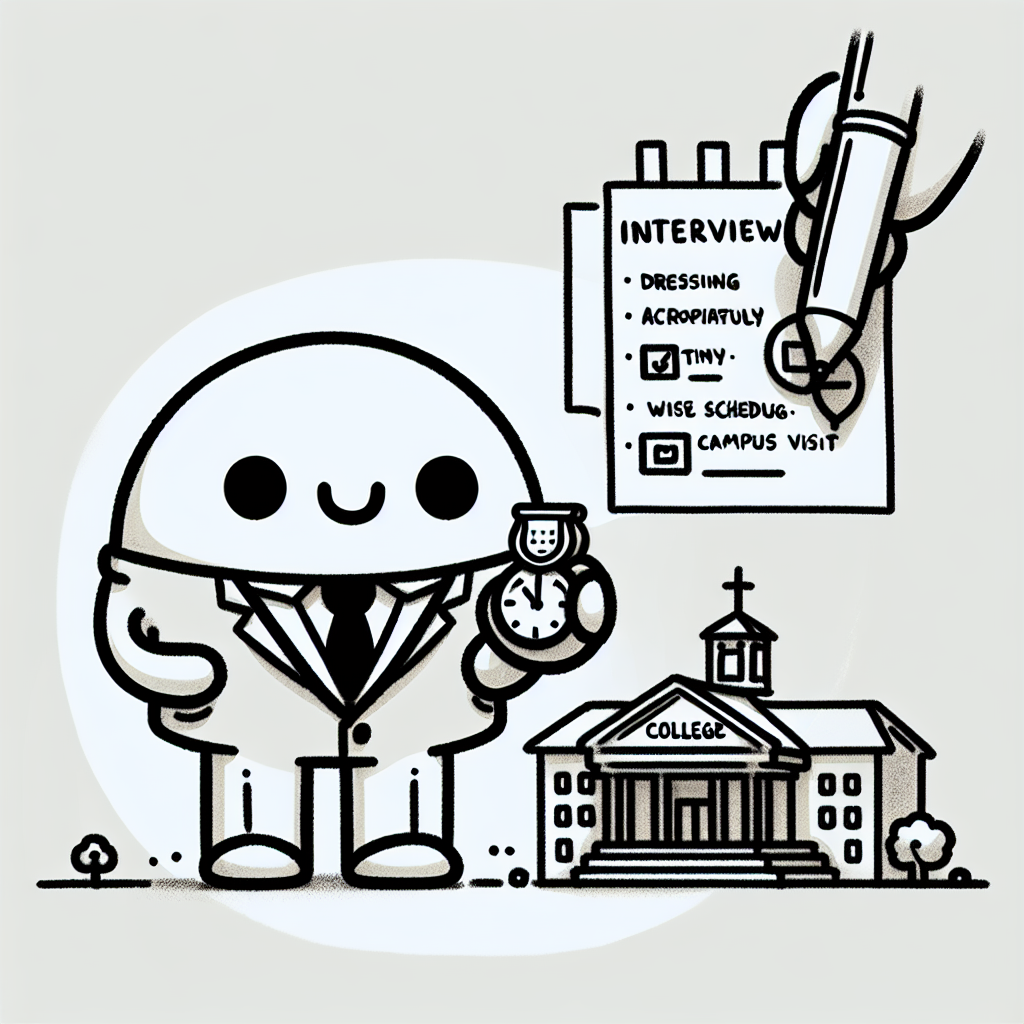
🗓️ Schedule Wisely
Choose an interview date that gives you enough time to prepare thoroughly. If possible, coordinate it with a campus visit to get a fuller sense of the environment. Planning ahead ensures you're not rushed and can make the most of the experience (The College Visit - NACAC).
Making the Most of Campus and Overnight Visits
🏫 On-Campus Interviews
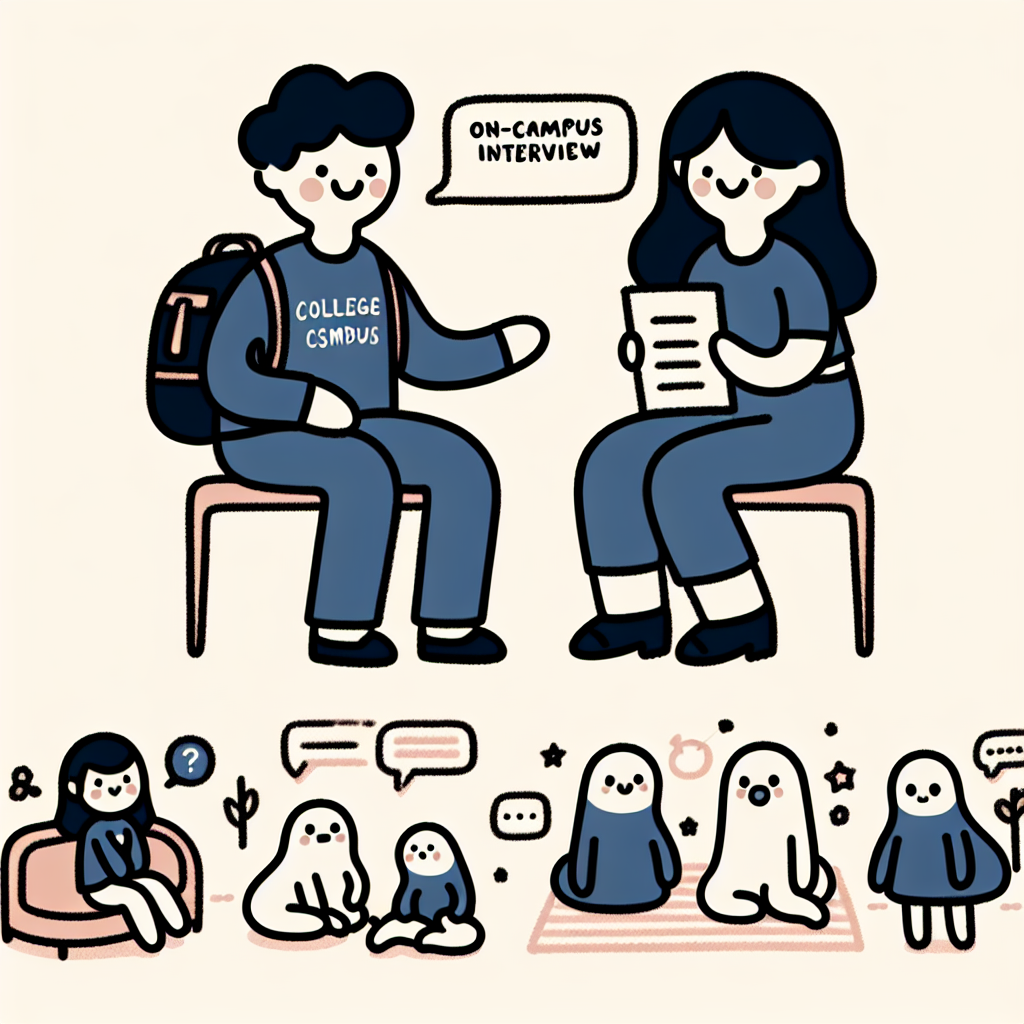
On-campus interviews are a key part of understanding college interviews what to expect. These interviews provide a chance to experience the college environment firsthand, which can help you decide whether the school is a good fit for you. Walking around campus, seeing students in action, and observing the day-to-day atmosphere can give you valuable context to reference during your interview. Being physically present also helps you form more specific and meaningful talking points when discussing your interest in the school.
🌙 Overnight Visits
Overnight visits allow you to immerse yourself in student life by staying in a dorm, eating in the dining hall, and potentially attending classes or campus events. These visits often include interviews or informal conversations with current students, which can give you a clearer picture of the school culture. Understanding how students live and interact provides insight into college interviews what to expect, especially when it comes to informal assessments of fit and engagement. According to The Overnight Visit - NACAC, these visits are essential tools in the decision-making process and can influence both your impressions and the college's perception of you.
📅 Interview Day: What to Expect and How to Shine
⏰ Be Punctual and Professional
When it comes to college interviews, what to expect starts with being on time. Arrive 10 to 15 minutes early to show respect for your interviewer’s time. Greet your interviewer with a firm handshake, eye contact, and a polite smile. A confident and courteous introduction sets a strong tone for the rest of the conversation.
💼 Bring the Right Materials
Being prepared shows initiative. Bring a copy of your resume or an activity sheet that outlines your accomplishments and involvement. These materials can help guide the discussion and provide context for your experiences. Also, prepare a few thoughtful questions about the college—this demonstrates genuine interest and engagement.
😀 Show Enthusiasm and Authenticity
One of the key aspects of college interviews, what to expect includes being yourself. Avoid memorized responses; instead, answer questions sincerely and let your personality come through. Express enthusiasm for the school and the opportunity to learn more. A positive attitude can leave a lasting impression.
🧘 Stay Calm and Collected
Interviews can be nerve-wracking, but staying composed is important. If you need a moment to think before answering a question, take it. It’s also perfectly acceptable to ask for clarification if something isn’t clear. These small actions show maturity and thoughtfulness, which are qualities colleges value.

After the Interview: Seal the Impression
🪞 Reflect on the Experience
Once your college interview ends, take a few moments to reflect while the conversation is still fresh. Write down the questions you were asked to help prepare for future interviews. This can also highlight recurring themes or surprise questions you may want to prepare for. Note what went well—such as moments when you connected with the interviewer or clearly communicated your strengths. Also, identify areas where you could improve, whether it was pacing, clarity, or comfort level.
💌 Send a Thank-You Note or Email
A thank-you note or email is a simple but important step in the college interviews what to expect process. Send your message within 24–48 hours to express appreciation for the interviewer’s time. Reaffirm your interest in the college, and include specific references to parts of your conversation that stood out. This shows attentiveness and genuine engagement. According to the College Board, a thank-you email should be polite, personalized, and professional, and it should include a brief reminder of who you are and what you discussed (What should you include in a college interview thank-you email? – BigFuture | College Board).

Final Tips and Common Pitfalls
When it comes to college interviews, what to expect includes not only the questions and format, but also how you present yourself. Here are some final tips to keep in mind, along with common pitfalls to avoid.
✅ Do:
- Be honest and enthusiastic: Interviewers are looking for authenticity. Share your genuine interests and motivations for applying. Forced or exaggerated stories are easy to spot.
- Ask thoughtful questions: Prepare a few insightful questions about the college that show you've done your homework. This demonstrates interest and maturity.
- Follow up professionally: After the interview, send a brief thank-you email. This gesture reinforces your interest and shows good manners.
❌ Don’t:
- Memorize answers word-for-word: Over-rehearsed responses can come off as robotic. Practice key points, but keep your delivery natural.
- Arrive unprepared or underdressed: Know basic facts about the school and dress appropriately for an interview setting. Presentation matters.
- Forget to send a thank-you note: Skipping this small step can leave a negative impression. A simple, polite message goes a long way.

📚 Additional Resources
To further prepare for college interviews, what to expect, and how to make a strong impression, the following resources offer helpful guidance:
- Admission Interview Tips – Counselors | College Board: This guide outlines key strategies for students approaching college interviews, including how to prepare, what questions to expect, and how to present themselves professionally.
- How long are college interviews? – BigFuture: Learn what to expect in terms of interview duration and format, helping you manage your schedule and energy accordingly.
- The College Visit – NACAC: Understand how in-person campus visits can complement your interview experience and give you a better feel for the college environment.
- The Overnight Visit – NACAC: Explore what an overnight stay on campus entails and how it can impact your college decision-making process.
- What should you include in a college interview thank-you email? – BigFuture: After the interview, follow-up matters. This article covers what to include in a thank-you email to leave a positive final impression.
These resources can deepen your understanding of college interviews, what to expect, and how to navigate the process effectively.

 SHARE ON FACEBOOK
 SHARE ON TWITTER