Introduction
The college readiness checklist is a practical tool designed to help students successfully prepare for postsecondary education. It offers a comprehensive, actionable guide that outlines key steps and milestones, making the path to college more approachable and achievable.
This checklist is intended for a wide audience—students, families, educators, and support staff—across all types of communities. It places special emphasis on serving rural and underrepresented populations to help close opportunity gaps and ensure equitable access to higher education.
Those who will benefit most from using the college readiness checklist include high school students and their families, as well as educators, counselors, and administrators working in secondary education. Community organizations and education advocates will also find this guide useful in providing targeted support to the students they serve.

Academic Preparation
A strong foundation in academic preparation is a key component of any college readiness checklist. Students who challenge themselves with rigorous coursework and develop essential study skills are better equipped to handle the demands of higher education.
Core Academic Skills
Engaging in rigorous high school courses across core subjects—math, science, English, and social studies—helps students build the knowledge base needed for college-level work. Advanced classes not only deepen understanding but also cultivate critical thinking and problem-solving abilities.
Writing and research skills are also essential. Students should be able to construct well-organized essays, analyze sources, and cite evidence effectively. The College Readiness Skills and Resources Guide by the University of Kansas emphasizes the importance of mastering these competencies to succeed in college assignments and projects.
Study and Time Management Skills
Mastering note-taking strategies, such as the Cornell method or outlining, helps students retain and structure information more effectively. Equally important are time management techniques like using planners, setting deadlines, and prioritizing tasks. These strategies foster accountability and reduce procrastination.
Self-directed learning approaches—such as setting personal academic goals and seeking out supplemental resources independently—encourage autonomy and prepare students for the less structured environment of college.
College-Level Skill Development
Participating in dual enrollment programs or taking AP/IB courses allows students to experience college-level rigor while still in high school. These opportunities can also earn college credit, providing a head start on postsecondary education.
In addition, developing study habits that reflect college expectations—such as managing long-term projects, engaging deeply with reading materials, and collaborating in group settings—helps bridge the gap between high school and college academic demands.
College Knowledge and Planning
Building Postsecondary Awareness
An essential part of the college readiness checklist is understanding the different types of postsecondary institutions. Students should become familiar with the options available, including community colleges, four-year universities, and trade schools. Each offers unique benefits depending on a student’s academic strengths, career aspirations, and financial circumstances.
Identifying personal interests and long-term career goals is equally important. This self-assessment helps students align their academic paths with future opportunities, making informed choices about the type of college or program that best fits their needs.
Navigating College Admissions
The college application process can be complex, so having a clear timeline is a critical part of the college readiness checklist. Students should begin preparing in their junior year of high school by researching schools, gathering necessary documents, and drafting application materials. Senior year typically involves finalizing applications, submitting financial aid forms, and making decisions.
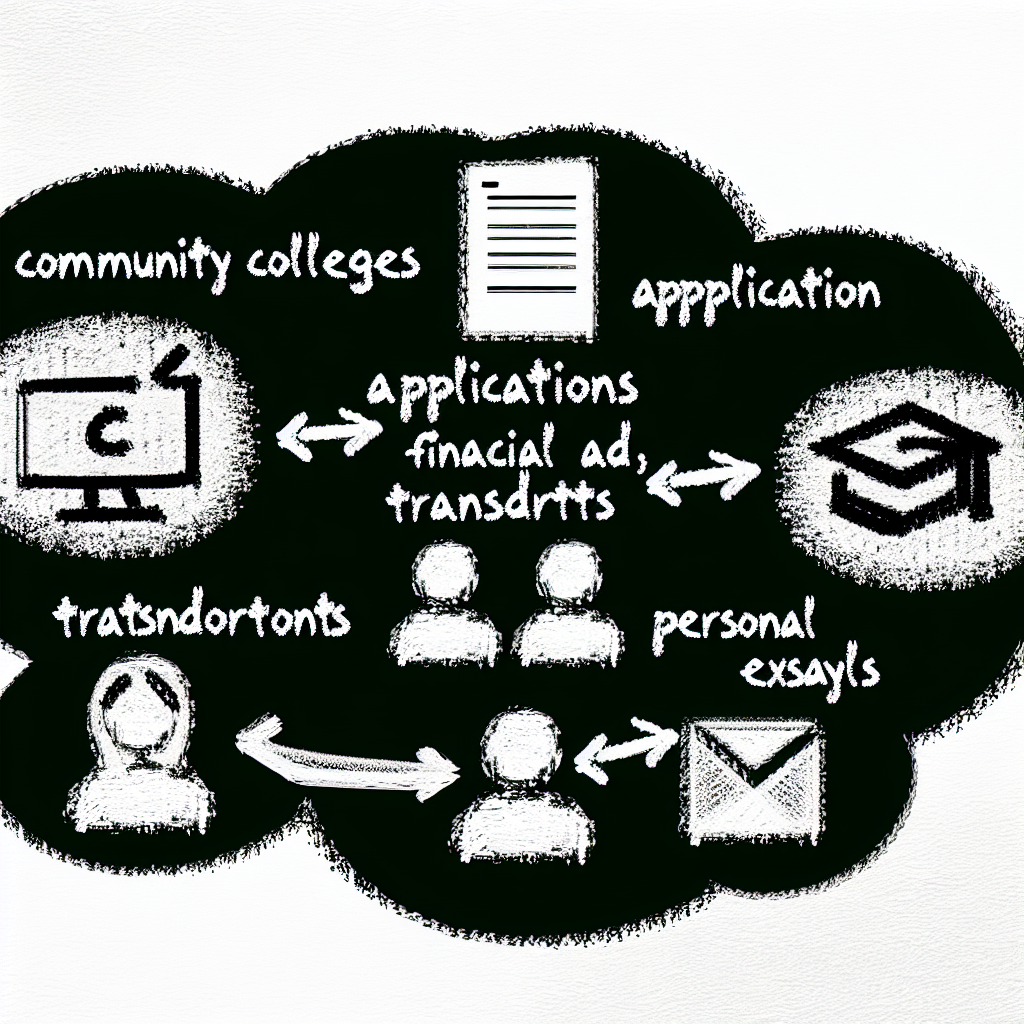
Key components of a college application include transcripts, personal essays, and letters of recommendation. These elements showcase a student’s academic performance, character, and readiness for college-level work.
Many colleges now use online platforms and portals to manage applications. Students can streamline their process by using tools listed in the College Application Resource Directory by the Center for Educational Partnerships at UC Berkeley, which provides centralized access to useful application resources.
Accreditation Awareness
Accreditation is a vital consideration on any college readiness checklist. Attending an accredited institution ensures that the education provided meets established quality standards and that degrees will be recognized by employers and other institutions.
To verify a school’s accreditation status, students can consult official databases and resources such as those highlighted in the Rural Educators' Toolkit for College Readiness. These tools help confirm whether a college is accredited by a recognized accrediting agency, protecting students from investing time and money in unrecognized programs.
Financial Readiness
Understanding College Costs
A key part of any college readiness checklist is understanding the full scope of college expenses. These include tuition and fees, which vary by institution type (public, private, in-state, out-of-state), as well as room and board, which cover housing and meal plans. Additional costs include books, supplies, transportation, and personal expenses. Being aware of these categories helps students and families plan more effectively.
Federal Student Aid Overview
Federal student aid is a major source of financial assistance and includes grants, loans, and work-study opportunities. Grants, such as the Pell Grant, do not have to be repaid and are typically awarded based on financial need. Federal loans, like Direct Subsidized and Unsubsidized Loans, must be repaid with interest, though terms are often more favorable than private loans. Work-study programs allow students to earn money through part-time jobs while enrolled in school.
To access federal aid, students must complete the Free Application for Federal Student Aid (FAFSA). The FAFSA collects financial information to determine eligibility for aid. It’s important to submit the FAFSA accurately and on time to maximize aid opportunities. The Rural Educators' Toolkit for College Readiness provides detailed guidance on how to complete the FAFSA and avoid common mistakes.
Other Funding Opportunities
Beyond federal aid, students should explore additional funding sources as part of their college readiness checklist. Scholarships can be merit-based (academic or athletic achievement), need-based, or identity-based (targeted toward specific demographics or communities). State-based aid programs provide grants or scholarships for residents attending in-state schools. Institutional aid, offered directly by colleges, and private grants from organizations or foundations also present valuable funding options. Researching and applying to multiple sources increases the chances of covering more college costs without relying solely on loans.

Social-Emotional and Cultural Readiness
A complete college readiness checklist must address more than academics. Social-emotional and cultural readiness are key for students facing the transition to college life. These factors impact a student's ability to adapt, persist, and succeed in a new environment.
College Transition Skills
College introduces new levels of independence. Students are responsible for managing daily routines, academic workloads, and social dynamics without the immediate support of family. Adapting to this autonomy requires essential life skills such as time management, organization, and decision-making. Building resilience helps students navigate setbacks, while self-advocacy enables them to seek help when needed, whether from professors, advisors, or support staff.
Cultural Capital and Belonging
Students from underrepresented backgrounds, including those from rural areas or first-generation college students, may find themselves navigating unfamiliar cultural environments. Predominantly white institutions or urban campuses can pose unique challenges in terms of cultural fit and inclusion. Understanding how to access cultural capital—such as knowing how to communicate with faculty or use campus resources—can ease this transition. Finding support networks and affinity groups, such as cultural centers, student associations, or mentorship programs, can foster a sense of belonging and improve student outcomes.
Mental Health and Wellness
The shift to college often brings increased stress and anxiety. Coping strategies such as mindfulness, healthy sleep habits, and regular physical activity can support emotional well-being. Equally important is knowing how to access campus mental health services. Most colleges offer counseling centers, crisis support, and wellness programs, all of which should be included in a college readiness checklist to ensure students know where to turn when they need help.

College Readiness Indicator Systems
College readiness indicator systems are data-driven tools that help schools monitor and support students' progress toward being prepared for postsecondary education. These systems use data to identify students who may be at risk of falling off track and to guide interventions.
Using Data to Track Readiness
Early warning systems and predictive analytics are essential components of a comprehensive college readiness checklist. These tools analyze various academic and behavioral indicators—such as GPA, attendance, and course completion—to flag students who may need additional support. By identifying potential issues early, schools can intervene before students fall too far behind.
The College Readiness Indicator Systems Resource Series by the UChicago Consortium on School Research emphasizes the importance of school-wide support systems. These systems include academic supports, college counseling, and social-emotional services that work together to promote student success. A strong support system ensures that data from readiness indicators leads to meaningful and timely action.
District and School Implementation
To fully integrate a college readiness checklist into daily practice, schools must commit to systemic change. This involves aligning policies, practices, and resources to prioritize college preparation. Creating a shared vision among administrators, teachers, and counselors ensures a coordinated approach to supporting students.
Professional development is another key element. Educators and counselors need training in how to interpret readiness indicators, use data systems effectively, and implement targeted interventions. Ongoing professional learning helps staff stay informed about best practices and adapt to the evolving needs of students.

Community and Family Engagement
Role of Families in College Planning
Families play a vital role in supporting students through the college readiness checklist. Academic encouragement, open communication about post-secondary goals, and emotional support are essential to preparing students for the transition to college. Parents and guardians can help students stay organized with deadlines, review applications, and explore potential majors and career paths.
Financial planning is another critical area where families contribute. Discussing college costs early, researching financial aid options, and setting up dedicated college savings accounts such as a 529 plan can significantly ease the financial burden. Collaborating on a realistic college budget and understanding the financial aid process are key steps in ensuring students are financially ready.
Strategies for Rural and Underserved Communities
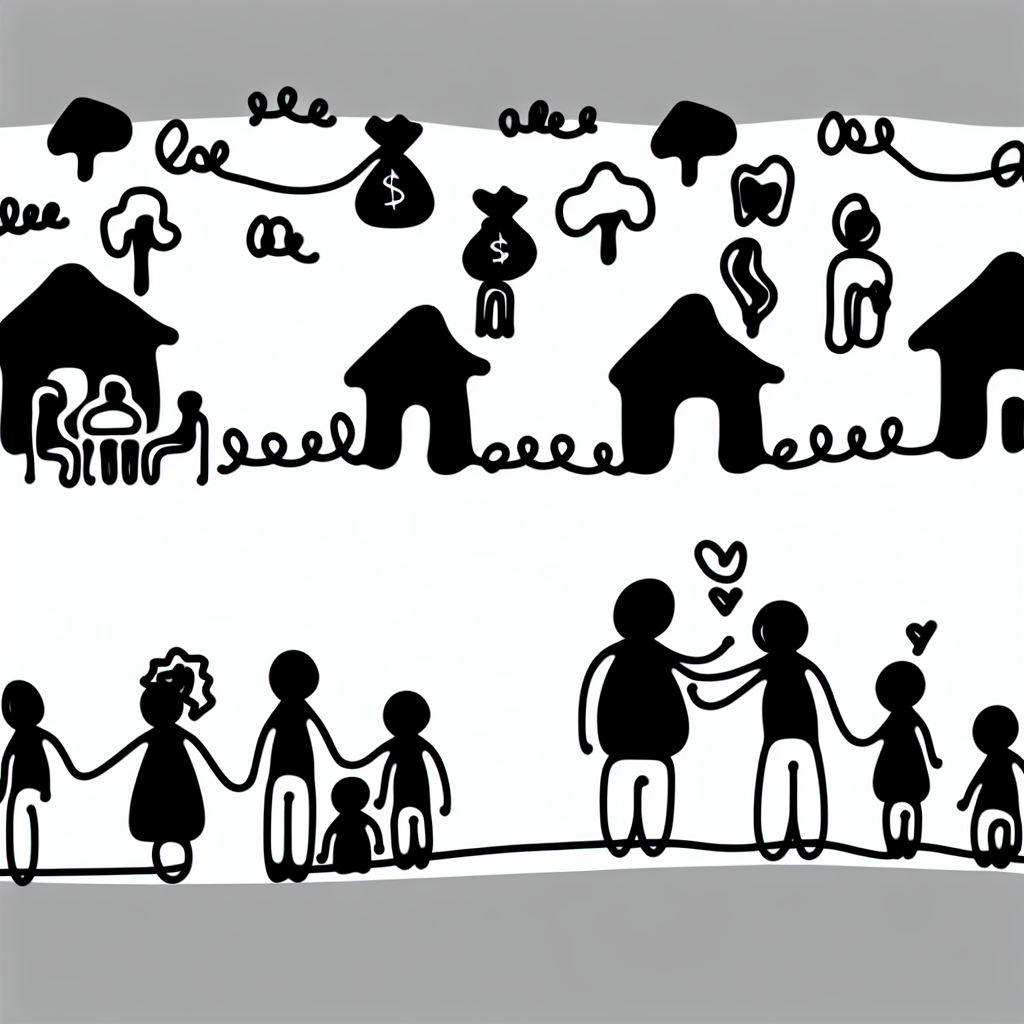
In rural and underserved communities, limited access to resources can create additional barriers to college readiness. Leveraging local partnerships with schools, community centers, and non-profits can help fill gaps in counseling, test preparation, and college application support. Community mentors and college alumni networks can also offer guidance and insight.
To address geographic and digital access challenges, schools and families can advocate for improved internet infrastructure and utilize mobile or satellite outreach programs. The Rural Educators' Toolkit for College Readiness provides practical strategies for overcoming these specific hurdles, including recommendations for virtual advising and community-based support systems. These tools are essential components of an effective college readiness checklist tailored to rural contexts.
Early College and Pathway Programs
Introduction to Early College and Dual Enrollment
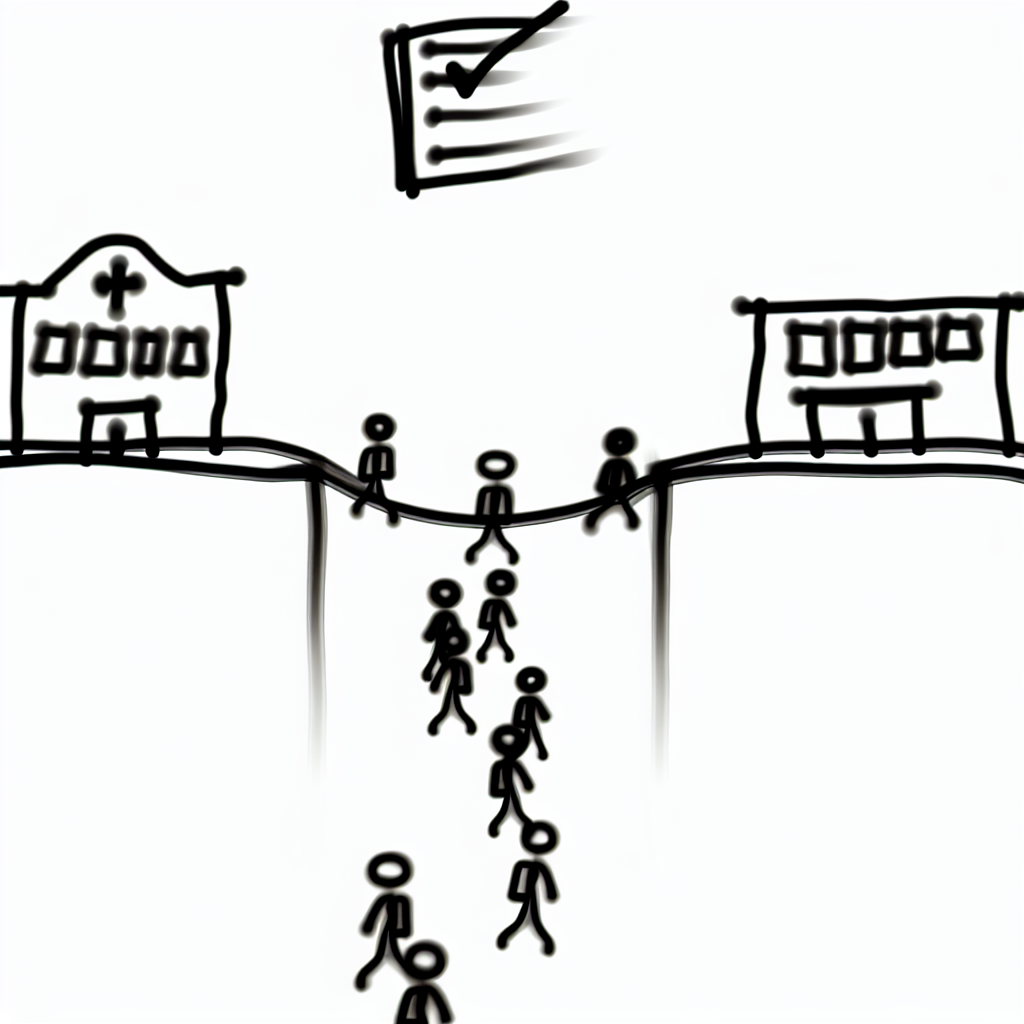
Early college and dual enrollment programs allow high school students to earn college credit before graduating, providing a significant head start on their postsecondary education. These opportunities reduce college costs, shorten the time to degree completion, and increase college access for underrepresented students.
Common models include dual enrollment courses taught at high schools by credentialed instructors, early college high schools that blend high school and college curricula, and partnerships where students take courses directly on college campuses. These programs are typically formed through collaborations between K–12 districts and local colleges or universities.
Planning for Early College Success
Effective early college programs are grounded in strong design principles. According to the Early College Readiness Checklist by the Massachusetts Department of Higher Education, successful initiatives share several key elements. These include equitable access for all students, rigorous academic pathways that lead to college success, robust student support systems, and strong partnerships with higher education institutions.
Programs should also align with college readiness standards and provide clear structures for academic and career pathway exploration. Planning should emphasize inclusive advising, culturally responsive teaching, and continuous program evaluation.
Tools for Schools and Districts
Schools and districts can use the Early College Readiness Checklist to assess their preparedness for launching or expanding early college programs. This tool helps identify gaps in program design, equity, and implementation capacity.
Building and maintaining sustainable partnerships with higher education institutions is also essential. This involves formal agreements outlining credit transfer policies, roles and responsibilities, and shared accountability for student outcomes. Strong communication and a commitment to joint governance are critical to long-term program success within the broader college readiness checklist framework.
Educator and School Tools
Classroom Implementation
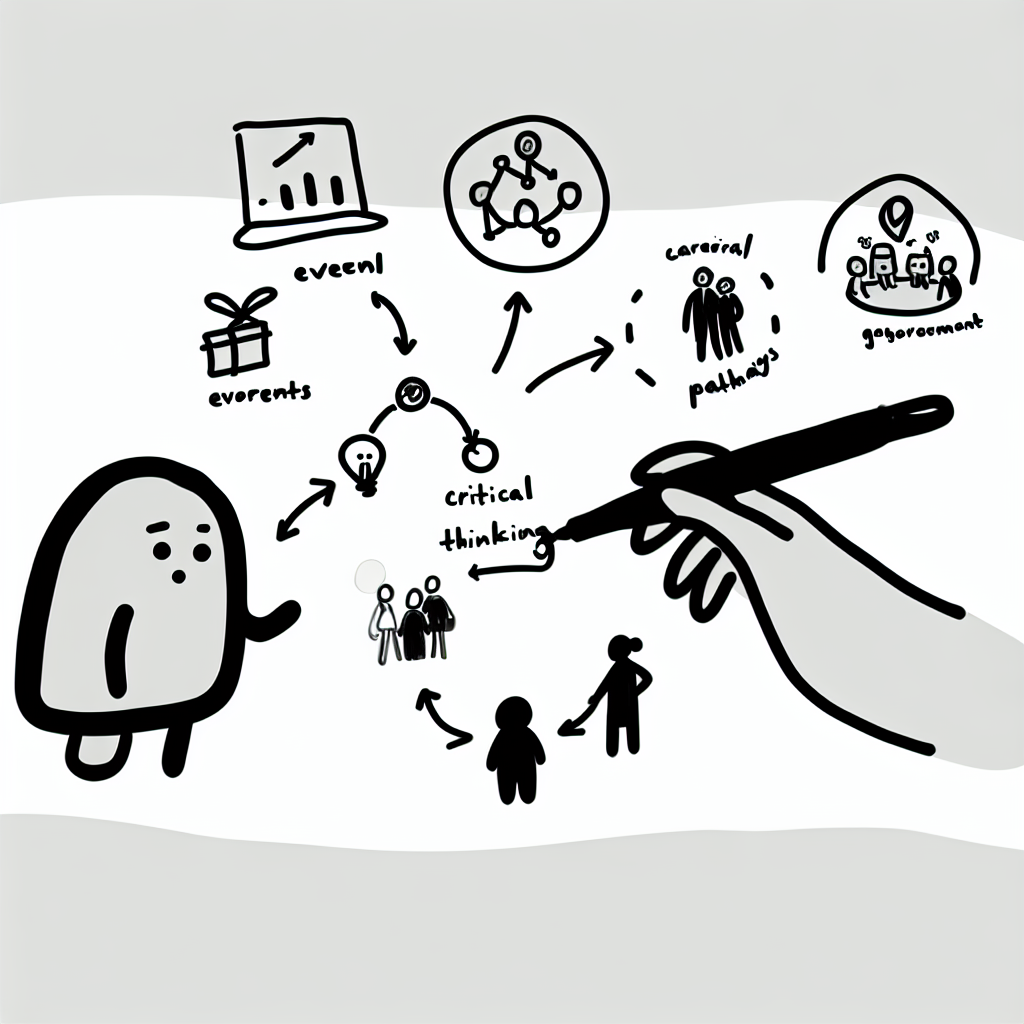
To effectively support students in meeting the goals of a college readiness checklist, educators must integrate relevant skills directly into classroom instruction. Embedding college readiness skills—such as critical thinking, time management, and effective communication—into everyday curricula ensures students gain practical experience in contexts that mirror postsecondary expectations. Project-based learning and authentic assessments further reinforce these skills by providing students with opportunities to solve real-world problems and demonstrate their knowledge in meaningful ways.
Community and Cross-Sector Engagement
Schools can strengthen their college readiness checklist initiatives by collaborating with local businesses, colleges, and nonprofit organizations. These partnerships can offer students exposure to career pathways and postsecondary options through job shadowing, mentoring, and dual-enrollment programs. Hosting events like college nights, FAFSA workshops, and career fairs also helps families navigate the college planning process and promotes a college-going culture within the school community.
Professional Development Resources
Educators play a critical role in guiding students through the college readiness process, and professional development is essential to ensure they are equipped to do so. Training modules focused on college advising and postsecondary planning provide teachers and counselors with up-to-date strategies and information. Additionally, building data literacy skills allows educators to track student progress on the college readiness checklist, identify gaps, and tailor interventions accordingly.
Conclusion
College readiness is a multifaceted process that requires attention to academic achievement, financial planning, emotional resilience, and cultural awareness. Students benefit most when families, schools, and communities work together to support their journey. This collaborative approach helps ensure that students are equipped with the skills and resources they need to transition successfully to postsecondary education.
Final College Readiness Checklist for Students
- ✅ Completed rigorous coursework
- ✅ Researched and visited colleges
- ✅ Submitted applications and FAFSA
- ✅ Applied for scholarships
- ✅ Practiced time management and self-advocacy
By following this college readiness checklist, students can approach their next steps with confidence and clarity.
Additional Resources for Support
- Rural Educators' Toolkit for College Readiness
- College Readiness Skills and Resources Guide by the University of Kansas
- College Readiness Indicator Systems Resource Series
- College Application Resource Directory by UC Berkeley
- Early College Readiness Checklist (MA Department of Higher Education)

 SHARE ON FACEBOOK
 SHARE ON TWITTER