
Why Group Projects Matter
Understanding why group projects matter is key to learning how to succeed in group projects. These assignments provide more than just a shared grade—they help build essential skills and prepare students for future challenges.
One major benefit is the development of teamwork and communication skills. Working with others requires listening, clear expression of ideas, and collaboration toward shared goals. These are core competencies in nearly every career path.
Group projects also simulate real-world collaborative environments. In most professional settings, individuals rarely work in isolation. Instead, they contribute to team-based initiatives, where coordination, delegation, and accountability are crucial. Group assignments mirror this dynamic, giving students a practical foundation in how to navigate such settings.
Finally, group projects promote diverse thinking and problem-solving. When people from different backgrounds and perspectives come together, they bring varied ideas and approaches. This diversity can lead to more creative solutions and a deeper understanding of complex issues. Learning how to succeed in group projects often hinges on embracing and leveraging these differences effectively.

🧭 Laying the Groundwork for Success
One of the most important steps in learning how to succeed in group projects is to establish a solid foundation at the outset. Without this groundwork, teams may struggle with confusion, delays, or uneven contributions.
Define Clear Expectations Early (Saint Leo University)
Start by aligning on shared goals and deliverables. Every group member should understand what the project aims to achieve and what their individual contributions should look like. To keep the team on track, set specific timelines and phase deadlines, breaking the project into manageable milestones. This helps avoid last-minute rushes and ensures continuous progress. Clarify grading criteria and performance standards so everyone knows what quality of work is expected.
Choose the Right Group Structure (Cornell University)
Group size matters. Aim for 4–5 members to balance diversity of ideas with ease of coordination. Assign clear roles such as leader, researcher, presenter, and editor to ensure accountability and a more even distribution of work. To keep all members engaged and develop multiple skill sets, consider rotating roles throughout the project. A well-structured group is a key part of how to succeed in group projects.

Assigning Roles and Responsibilities
One of the most effective strategies for how to succeed in group projects is to assign roles and responsibilities based on each member’s strengths. According to American Public University, conducting a quick skills inventory at the start of the project helps identify who is best suited for specific tasks. For example, members with strong writing skills can handle documentation, while those with technical experience can manage data analysis or research.
Matching tasks to individual strengths encourages team members to take ownership of their responsibilities. This not only boosts engagement but also increases the overall quality of work. Encouraging accountability ensures that each member understands their role in the success of the project.
Balancing the workload is equally important. To avoid overburdening high performers, tasks should be delegated equitably across the team. It’s also helpful to monitor progress and adjust assignments if someone is falling behind or if priorities shift. Documenting task assignments in a shared space, such as a collaborative document or project management tool, keeps everyone aligned and helps track accountability.
By leveraging individual strengths and distributing work fairly, teams can improve coordination and outcomes—key factors in how to succeed in group projects.
Mastering Group Communication
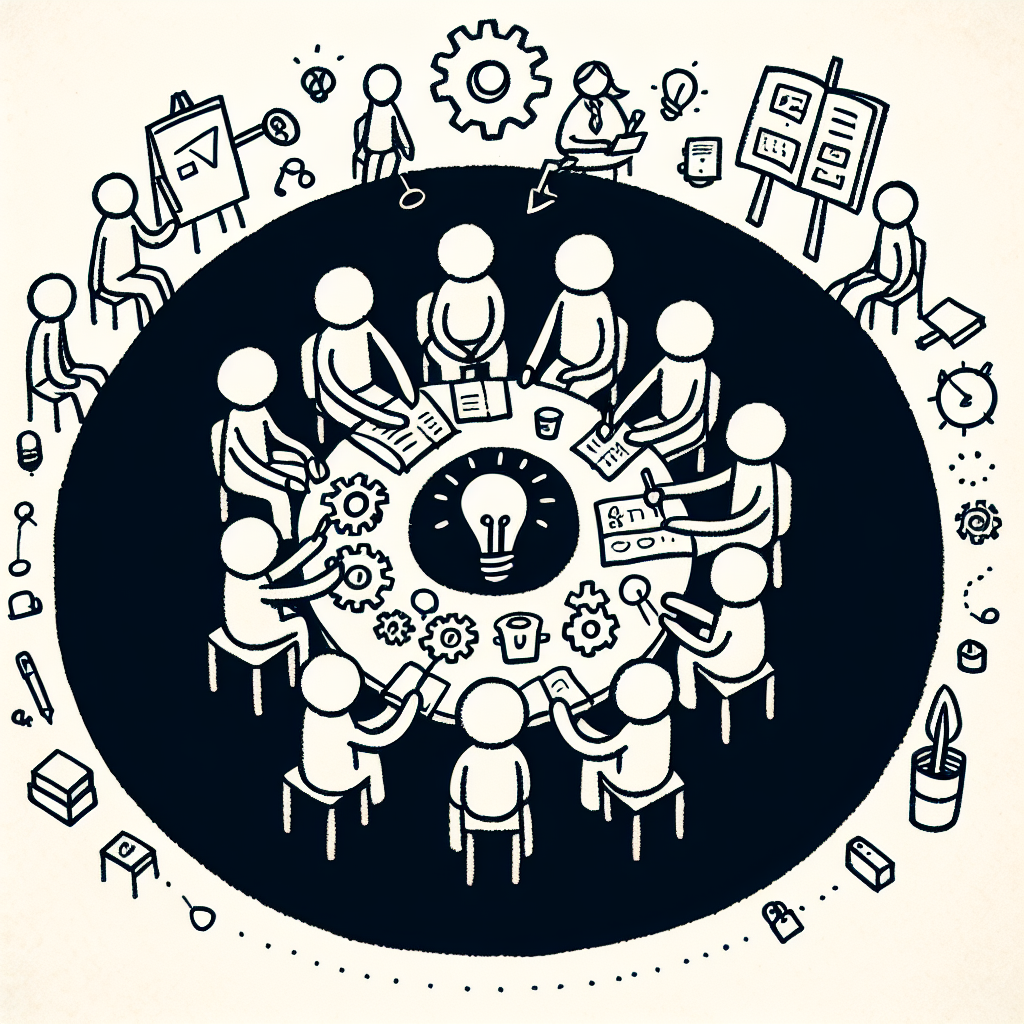
Effective communication is essential when learning how to succeed in group projects. Without clear and consistent interaction, even the best-planned projects can falter. Here are key strategies to ensure your group stays on track.
Build a Communication Plan
Start by selecting a primary platform for communication. Whether it's Slack, GroupMe, or email, agreeing on a single tool helps avoid missed messages and confusion. According to the University of Colorado Boulder, choosing and committing to one platform creates consistency. In addition, establish expectations such as responding within 24 hours to maintain momentum and accountability.
Schedule Regular Check-ins
Consistent meetings keep everyone aligned. Aim for weekly check-ins, either via video call or in person. Come prepared with a clear agenda and stick to set timelines. These meetings are a chance to update progress, coordinate tasks, and identify any roadblocks early.
Foster Psychological Safety
Creating a safe space for open dialogue is crucial. Team members should feel comfortable sharing ideas, asking questions, and raising concerns without fear of judgment. Address misunderstandings promptly and respectfully to maintain trust and collaboration.
Mastering these communication fundamentals will significantly improve your chances of success in group projects.

Creating Functional Group Norms
Establishing clear and functional group norms is essential for anyone looking to understand how to succeed in group projects. These norms guide behavior, build trust, and lay the groundwork for effective collaboration.
Set Behavioral Expectations
Start by collectively setting group rules that cover critical aspects such as punctuality, participation, and communication. Doing so helps ensure everyone is on the same page and reduces misunderstandings. It's also important to agree on how conflicts will be resolved—whether through majority vote, mediation, or rotating leadership—so issues don't escalate and hinder progress.
Build Accountability Structures
Accountability is key to maintaining momentum. Use shared task trackers and set clear deadlines to keep everyone aligned. Encourage peer accountability by regularly checking in on each other’s progress. While it’s important to allow flexibility for individual circumstances, avoid enabling procrastination to keep the group moving forward efficiently.
Cultivate Positive Team Dynamics
Strong group norms also foster a positive team atmosphere. Icebreakers can help members build rapport early on, making collaboration smoother. Regularly recognizing individual contributions promotes motivation and goodwill. Most importantly, encourage a culture of mutual respect and inclusivity so that all voices are heard and valued (University of Minnesota).

🛠 Tools and Techniques for Project Management
Using the right tools is essential when learning how to succeed in group projects. These resources help teams stay organized, communicate effectively, and track progress efficiently.
Choose the Right Collaboration Tools
Start by selecting platforms that facilitate real-time collaboration. Shared document editors like Google Docs and Microsoft 365 allow multiple team members to contribute simultaneously, ensuring transparency and version control. For scheduling and task planning, tools such as Trello, Asana, and Notion offer calendar integration and milestone tracking that keep everyone aligned. Additionally, using cloud storage options like Google Drive or Dropbox helps centralize documents, making them accessible to all group members at any time.
Visualize Progress
Visualization techniques are critical for understanding how the project is advancing. Kanban boards and Gantt charts provide clear, visual maps of task progress and timelines. These tools help break the project into manageable components and make it easier to spot bottlenecks. Color-coding tasks by urgency or status adds an extra layer of clarity, while assigning deadlines and specific owners to each task ensures accountability within the team.
By leveraging these tools and techniques, teams can streamline their workflow and increase their chances of success in group projects.

Continuous Feedback and Improvement
Conduct Constructive Peer Reviews
One important way to succeed in group projects is by conducting regular peer reviews. These should be scheduled at key milestones, such as mid-project and after the project concludes. Mid-project evaluations allow the group to identify issues early and adjust course as needed, while post-project evaluations help consolidate learning for future efforts.
Feedback should be shared privately and respectfully to maintain a positive group dynamic. It's crucial to focus on specific behaviors and actions rather than on personalities. For example, rather than saying "You never contribute," a more constructive comment might be, "It would help the team if you could attend meetings more regularly."
Encourage Self and Group Reflection
Reflection is another essential component of how to succeed in group projects. After completing major phases or the entire project, individuals and the group should take time to assess what worked well and what didn’t. This can be done through informal discussions, surveys, or written reflections.
Questions to consider include: Was communication clear and consistent? Did everyone fulfill their roles effectively? Were deadlines met? Identifying these aspects helps reveal opportunities for improving collaboration in future projects.
Regular feedback and structured reflection help teams build stronger working relationships, refine their processes, and ultimately achieve better results together.

🎉 Celebrating Milestones and Successes
Recognize Small Wins
One important part of learning how to succeed in group projects is recognizing the small wins along the way. When a team completes a major task or meets a key deadline, acknowledging that progress can help build motivation and a sense of accomplishment. This could be as simple as giving a shout-out during a meeting or sending a thank-you message to a teammate who put in extra effort. These small gestures can reinforce positive behaviors and keep the group energized.
Promote a Positive Team Culture
Celebrating success also means creating a team environment that values recognition and reflection. After completing a project or reaching a major milestone, schedule a brief debrief session. Use this time to not only talk about what went well but also to highlight contributions from team members. Sharing what the group learned—whether in class, a presentation, or an online forum—can strengthen collaboration skills and help others understand how to succeed in group projects.

Advanced Tips and Troubleshooting
When Conflict Arises
Even in well-functioning teams, disagreements can surface. A key strategy for how to succeed in group projects is to rely on the group’s previously agreed-upon norms and conflict-resolution procedures. These shared expectations help depersonalize issues and keep discussions focused on solutions. When tension escalates, facilitate open dialogue using neutral, non-judgmental language. Encourage each team member to share their perspective without interruption. If the group cannot reach a resolution independently, involving a third party such as an instructor or teaching assistant can provide the necessary mediation to move forward constructively.
Dealing with Unequal Participation
Uneven workload distribution is a common challenge in group settings. To address this, implement anonymous feedback tools that allow members to express concerns without fear of confrontation. This can highlight patterns of disengagement early. If someone is consistently underperforming, consider reassigning tasks to ensure fairness and project success. Always document communication and task agreements in shared platforms, so expectations and changes are clearly recorded. This not only promotes accountability but also provides a record in case instructor intervention becomes necessary.
Adapting to Virtual Collaboration
As virtual collaboration becomes more common, knowing how to succeed in group projects remotely is essential. Start by using video calls to establish rapport and maintain a human connection. When working across time zones, plan meetings at mutually agreeable times and rotate inconvenient slots to balance the burden. Additionally, written communication should be clear and specific to avoid misunderstandings—assume nothing and confirm everything. Tools like shared documents and project management apps can help maintain transparency and alignment across the team.

✅ Final Checklist Before Submission
Before turning in your group assignment, it's essential to run through a final checklist to ensure everything is complete and accurate. Following a structured review process helps avoid last-minute errors and reinforces how to succeed in group projects.
- All deliverables are complete and reviewed: Double-check that every required component of the project has been finished. This includes written reports, presentations, appendices, and any supplementary materials. Assign group members to proofread and confirm accuracy.
- Citations and formatting are consistent: Review the entire document to ensure that all sources are properly cited and the formatting aligns with your instructor’s or institution’s guidelines. Uniformity in style improves readability and professionalism.
- Everyone has signed off on the final product: Every group member should review the final version and confirm their approval. This ensures shared accountability and that all viewpoints have been considered.
- Backup copies are saved and accessible: Save the final version of the project in multiple formats (e.g., PDF, Word) and store it in multiple locations, such as cloud storage and local drives. Having backups protects your work from data loss or technical issues.
Completing this checklist reinforces strong collaboration habits and is a practical step in mastering how to succeed in group projects.

📚 Cited Resources
Understanding how to succeed in group projects can be greatly improved by learning from expert recommendations and academic institutions. Here are several authoritative resources that provide practical strategies and insights:
- Saint Leo University: "7 Tips to More Effectively Work on Group Projects" — Offers actionable advice on communication, role assignment, and setting goals to enhance group project outcomes.
- University of Colorado Boulder: "6 Tips for Successful Group Projects" — Focuses on planning, accountability, and using shared tools to stay organized and productive.
- [American Public University: "How Do You Survive a Group Project?"] (https://www.apu.apus.edu/area-of-study/business-and-management/resources/how-do-you-survive-a-group-project/?utm_source=openai) — Discusses common group project challenges and how to navigate interpersonal dynamics to succeed in group settings.
- Cornell University Center for Teaching Innovation: "How to Create and Manage Groups" — Provides guidance on effective group formation and strategies for managing collaboration in academic environments.
- University of Minnesota Center for Educational Innovation: "Supporting Students" — Highlights instructor strategies to support students in team-based projects, which can indirectly inform student approaches to collaboration.
These references offer diverse perspectives and proven techniques for anyone looking to understand how to succeed in group projects.

 SHARE ON FACEBOOK
 SHARE ON TWITTER