Why Student Motivation Matters
Student motivation strategies are crucial because they directly influence academic performance, emotional well-being, and long-term educational outcomes.
Academic Impact
Motivated students tend to achieve higher grades, engage in deeper learning, and develop more effective study habits. According to the University of California, Davis, there is a strong correlation between motivation and academic success. When students are driven to learn, they are more likely to persist through challenges and apply themselves fully to their studies.
Well-being
Motivation also plays a significant role in students' mental and emotional health. Motivated learners often report lower levels of stress and demonstrate higher emotional resilience. This helps them manage academic pressures more effectively and maintain a balanced approach to their responsibilities.
Lifelong Learning
Beyond immediate academic outcomes, student motivation strategies help cultivate a mindset oriented toward lifelong learning. Motivated students are more autonomous and open to growth, which supports their ability to continue learning and adapting long after they leave the classroom.

🔍 Understanding the Foundations of Motivation
Intrinsic vs. Extrinsic Motivation
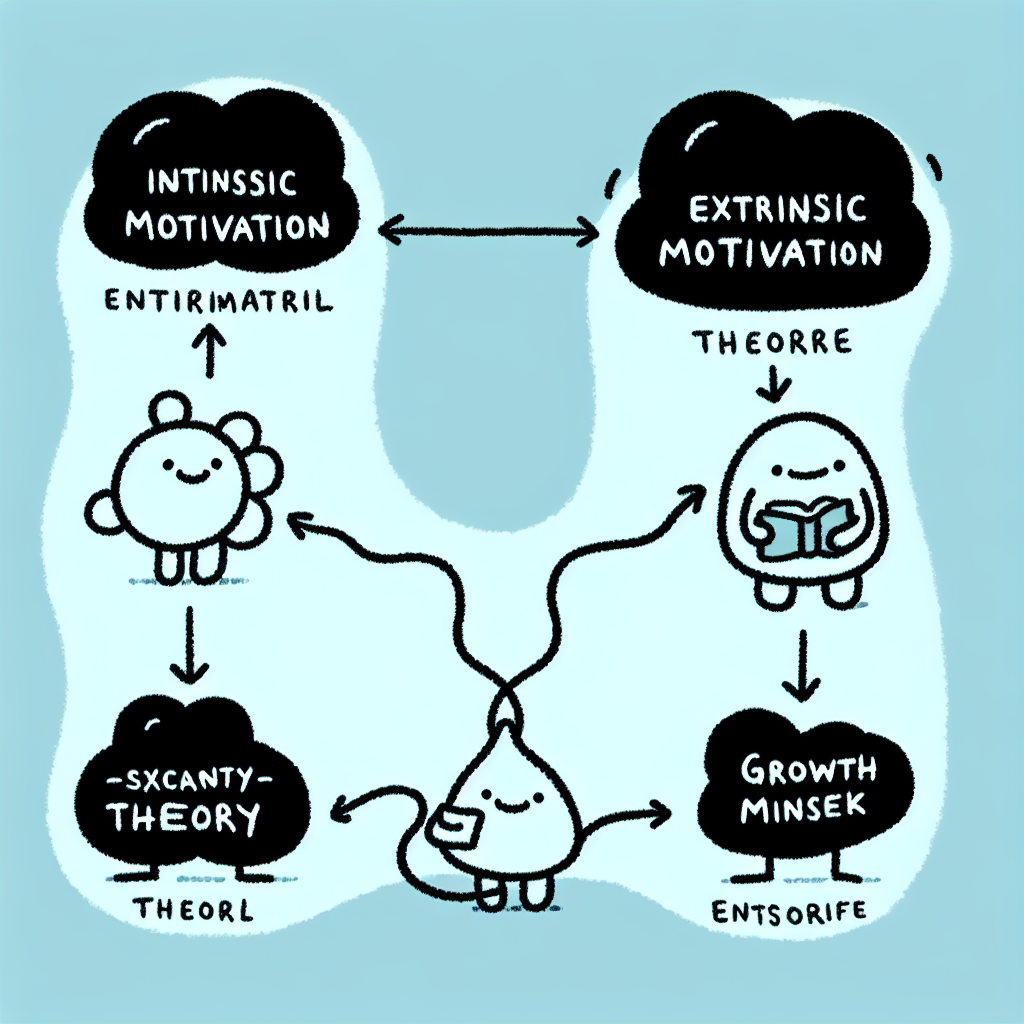
Student motivation strategies often begin with understanding the two primary types of motivation: intrinsic and extrinsic. Intrinsic motivation comes from within the student. It is driven by interest, curiosity, or the inherent satisfaction of learning. For example, a student who reads books on astronomy because they are fascinated by the stars is intrinsically motivated.
Extrinsic motivation, on the other hand, relies on external rewards or pressures. A student who studies hard to earn a good grade or avoid punishment is motivated extrinsically. While both types can influence behavior, intrinsic motivation tends to produce more sustainable engagement and deeper learning.
To help students transition from extrinsic to intrinsic motivation, educators can implement student motivation strategies such as providing meaningful choices in assignments, connecting material to students' interests, and fostering a supportive classroom environment. When students see relevance and feel autonomy, they are more likely to internalize their motivation.
Theories of Motivation in Education
Several educational theories provide frameworks for understanding and applying student motivation strategies:
- Self-Determination Theory (SDT): This theory emphasizes the importance of autonomy, competence, and relatedness in fostering motivation. When students feel they have control over their learning, believe in their abilities, and feel connected to others, they are more likely to be intrinsically motivated.
- Expectancy-Value Theory: This model suggests that motivation is influenced by a student’s belief in their ability to succeed (expectancy) and the value they place on the task. Teachers can use this theory to enhance motivation by building students’ confidence and highlighting the usefulness of what they are learning.
- Growth Mindset Theory: Popularized by Carol Dweck, this theory holds that students who believe their abilities can grow through effort are more motivated to tackle challenges. Encouraging a growth mindset involves praising persistence and framing mistakes as opportunities to learn (University of Southern Mississippi).
Understanding these foundations equips educators with the tools to implement effective student motivation strategies that support long-term academic engagement and success.
🎯 Core Strategies to Boost Student Motivation
1. Promote Autonomy and Choice
Giving students control over aspects of their learning increases engagement and ownership. Educators can offer assignment choices, allow flexibility in project formats, and encourage topic selection that aligns with student interests. Student-led discussions and peer teaching empower learners to take initiative, reinforcing autonomy. According to the University of California, Davis, these strategies are linked to higher motivation and deeper participation.
2. Set Clear, Achievable Goals
Helping students establish SMART (Specific, Measurable, Achievable, Relevant, Time-bound) goals provides clarity and direction. Academic scaffolding supports incremental progress, making goals attainable. Celebrating milestones, even small ones, reinforces a sense of achievement and keeps motivation high.
3. Provide Timely and Constructive Feedback
Formative feedback is essential for guiding improvement. Effective feedback balances praise with constructive critique and encourages students to reflect and revise. This feedback loop supports growth and enhances student motivation by showing that effort leads to progress.
4. Foster Relevance and Real-World Connections
Students are more motivated when they see how learning applies to their lives. Aligning content with personal interests and career goals, as suggested by the University of Florida, increases perceived value. Incorporating guest speakers, real-world case studies, and opportunities for students to connect coursework to their own experiences strengthens engagement.
5. Build a Supportive and Inclusive Learning Environment
Creating a classroom culture that values psychological safety and respect fosters student motivation. Normalizing mistakes as part of the learning process encourages risk-taking and resilience. The University of Southern Mississippi emphasizes the importance of student voice and community building in promoting motivation.
6. Cultivate a Growth Mindset
Encouraging students to value effort, strategy, and persistence over innate ability helps develop a growth mindset. Reflective practices, such as journaling, support this orientation. Sharing stories of individuals who overcame challenges reinforces the idea that success comes from hard work and learning from setbacks (University of Southern Mississippi).
7. Enhance Self-Efficacy and Belief in Success
Boosting students’ belief in their ability to succeed is a key motivation strategy. Low-stakes assessments build competence without high pressure. Modeling problem-solving and teaching metacognitive strategies help students approach challenges strategically. Providing early opportunities for success can strengthen confidence, as noted by the Rochester Institute of Technology).

🧰 Practical Tools and Techniques for Educators
Instructional Design
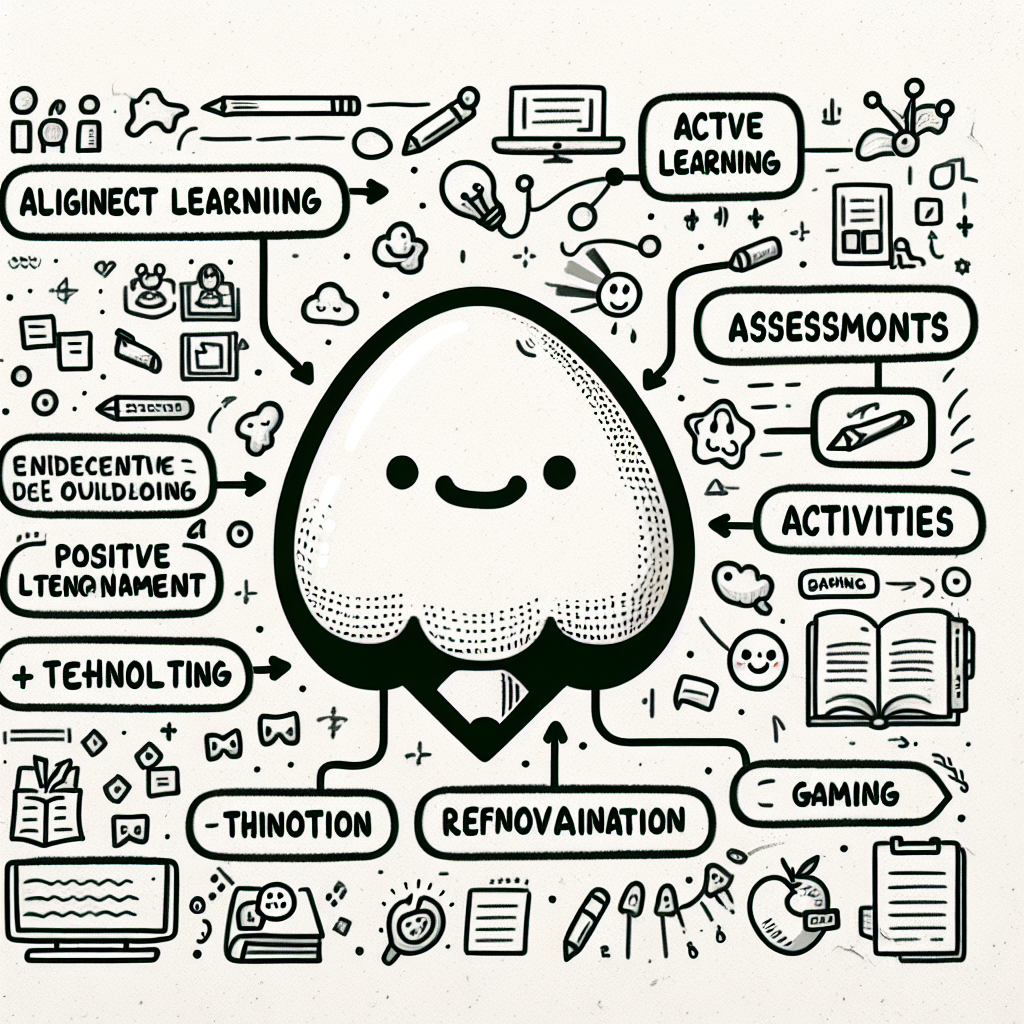
To effectively apply student motivation strategies, instructional design should begin with backward design. This approach starts by identifying desired learning outcomes and then aligning assessments and instructional activities to meet those goals. Backward design ensures that students understand the relevance of their tasks, which can increase motivation.
Active learning strategies also play a critical role. Techniques like think-pair-share and case-based learning promote participation and collaboration, helping students engage more deeply with the material. These strategies support autonomy and competence—two key factors in sustaining student motivation.
Classroom Management
Establishing clear expectations and classroom routines provides structure and reduces uncertainty, which can enhance students’ sense of control and focus. When students know what is expected, they are more likely to stay engaged and motivated.
Positive reinforcement is another essential strategy. Recognizing and rewarding desired behaviors—whether through verbal praise, points systems, or other incentives—can encourage continued effort and participation. These practices contribute to a positive learning environment that nurtures student motivation.
Technology Integration
Digital tools can support student motivation strategies by offering immediate feedback and interactive engagement. Tools like online polling platforms and formative quizzes allow for real-time assessment and student input, making learning more dynamic and responsive.
Gamification—adding game elements like badges, leaderboards, or progress tracking—can also increase motivation. These tools tap into students’ intrinsic and extrinsic motivators by making learning feel more like play while still achieving educational goals.
Instructor Practices That Inspire Motivation
Effective instructor behaviors play a central role in cultivating student motivation. When educators model enthusiasm and passion for their subject, it signals to students that the material is valuable and worth engaging with. This visible excitement can be contagious, leading students to adopt a more positive attitude toward learning.
Empathy is another critical factor. Instructors who take time to understand students’ perspectives and challenges foster a sense of trust and support. Building meaningful relationships with students—by learning their names, showing genuine interest in their progress, and creating an inclusive classroom environment—can significantly boost motivation.
Finally, reflective teaching practices help sustain student motivation. Instructors who actively seek and respond to student feedback demonstrate a commitment to continuous improvement. Adapting teaching methods based on what works for students not only enhances learning outcomes but also shows students that their opinions matter, reinforcing their engagement and motivation.
Together, these instructor practices form a foundation for effective student motivation strategies.

Common Challenges and How to Overcome Them
Low Engagement
Low engagement can undermine even the best student motivation strategies. To address this, it's important to diagnose the root causes. These often include a lack of relevance to students' lives, tasks being too difficult or too easy, or unclear instructions. Educators can use student feedback surveys to better understand these barriers and adjust instruction accordingly. For example, aligning assignments with real-world applications can enhance perceived relevance, while simplifying instructions can improve clarity.
Fixed Mindset
A fixed mindset—the belief that intelligence and ability are static—can hinder student motivation. To counter this, integrate mindset interventions early and consistently throughout the school year. These include lessons on brain plasticity and the value of effort. Sharing stories of personal or peer growth can also reinforce the idea that abilities can improve over time. This shift in perspective supports long-term engagement and persistence.
Lack of Confidence
Students who lack confidence may avoid challenges or give up easily. To build confidence, scaffold tasks so students experience manageable success at each stage. Pairing this with affirmations can reinforce a sense of capability. Additionally, peer mentoring and tutoring programs allow students to receive support in a low-pressure environment. These strategies help students feel more capable, which in turn supports motivation and academic growth.

📚 Resources and Further Reading
For educators and researchers seeking to explore effective student motivation strategies, the following resources provide valuable insights and evidence-based practices:
- University of California, Davis – Center for Educational Effectiveness: Offers a foundational overview of key motivational theories and how they apply in academic settings, including strategies to enhance engagement and autonomy.
- University of Florida – Center for Teaching Excellence: Provides practical guidance on implementing student motivation strategies across various learning environments, with an emphasis on relevance and goal-setting.
- University of Southern Mississippi – Faculty Development: Explores self-motivation techniques and how instructors can foster internal motivation through feedback, autonomy, and supportive classroom culture.
- Rochester Institute of Technology – Teaching and Learning: Focuses on engaging students through active learning and inclusive teaching practices that align with student motivation strategies.
- Princeton University – McGraw Center: Discusses evidence-based techniques for motivating students, including the use of challenge, choice, and meaningful feedback in coursework design.
These resources are instrumental for anyone looking to deepen their understanding of student motivation strategies and apply them effectively in educational contexts.

Conclusion: Building Lifelong Motivation
Effective student motivation strategies are grounded in the integration of autonomy, relevance, mindset, and support. When students are given choices in their learning, understand the real-world value of what they are studying, adopt a growth mindset, and feel supported by their instructors and peers, their motivation deepens.
Instructors play a critical role in shaping students’ beliefs about their academic potential. By setting high expectations, providing constructive feedback, and demonstrating genuine interest in students' progress, educators can help students internalize a sense of capability and purpose.
Ultimately, a motivated classroom fosters not only academic success but also the development of resilience and a lifelong love of learning. Student motivation strategies that are thoughtfully applied can build a durable foundation for ongoing personal and educational growth.

 SHARE ON FACEBOOK
 SHARE ON TWITTER