
Understanding the College Waitlist Landscape
What Is a College Waitlist?
A college waitlist is a tool that institutions use during the admissions process to manage enrollment more effectively. When a student is placed on a waitlist, it means the college considers the applicant qualified but cannot offer admission at that time due to limited space. Colleges use waitlists to maintain flexibility in meeting their enrollment goals and to manage yield—the percentage of admitted students who choose to enroll.
Waitlists help colleges balance their incoming class size, especially after seeing how many accepted students actually commit. If fewer students enroll than expected, colleges may extend offers to those on the waitlist to fill remaining spots.
Why Students Are Waitlisted
There are several reasons why a qualified applicant might be waitlisted. First, many colleges receive applications from a large number of competitive candidates, making it difficult to admit every strong applicant outright.
Second, institutional priorities play a major role. Colleges often have specific goals related to academic programs, geographic diversity, or demographic representation. For instance, if a school needs more students in underrepresented majors, it may prioritize those applicants.
Third, timing can affect decisions. A surge in late applications or uncertainty about accepted student response rates can lead schools to place more students on the waitlist as a precautionary measure to ensure they can fill their class.
Key Differences Between Waitlisted, Deferred, and Rejected
It's important to understand the distinctions among being waitlisted, deferred, and rejected. Being waitlisted means you're still in consideration for admission, depending on available space. Deferral applies to early applicants whose admission is postponed to the regular decision pool, meaning the school will review the application again later in the process. Rejection indicates that the college has decided not to offer admission, and there will be no further consideration.
Understanding these differences is essential for students developing their college waitlist strategies 2025, as the appropriate response to each outcome varies significantly.

📉 The Unpredictability of Waitlist Admissions
Year-to-Year Variability
One of the most challenging aspects of planning around college waitlist strategies 2025 is the unpredictable nature of waitlist admissions. Acceptance rates from waitlists can vary significantly from one year to the next. This fluctuation is driven by several factors, including the institution’s yield rate—the percentage of admitted students who choose to enroll—changing institutional priorities, and broader external events that influence application trends.
For example, the University of Washington data highlights just how volatile waitlist acceptances can be. In some years, the university admits hundreds of students from the waitlist; in others, only a handful. This inconsistency underscores the need for students to understand that a spot on the waitlist does not guarantee admission.
Timing and Notification
Students on waitlists typically receive admissions decisions later in the cycle—often from late spring into the summer months. Because colleges must first determine how many admitted students accept their initial offers, waitlist movement generally doesn’t begin until after the national decision deadline, usually May 1.
Given the late timing, patience and flexibility are essential parts of effective college waitlist strategies 2025. Students must be prepared to commit to another college while remaining open to the possibility of a late offer from a waitlisted school. This requires careful planning and emotional readiness to adapt to changing circumstances.

Strategic Actions for Waitlisted Students
Navigating the college waitlist process can be challenging, but employing the right college waitlist strategies 2025 can improve your chances and help you make informed decisions.
1. Confirm Enrollment Elsewhere
Given the uncertainty surrounding waitlist outcomes, students should always secure a spot at another college by the national May 1 deadline. This step ensures you have a guaranteed place to attend in the fall, regardless of the waitlist result. The University of Washington advises students not to rely solely on a waitlist offer due to its unpredictable nature.
2. Demonstrate Continued Interest
To stand out, students should clearly express that the waitlisted college remains their top choice. Writing a Letter of Continued Interest (LOCI), submitting updated academic achievements, and sending an additional letter of recommendation are common and effective approaches. Direct communication with admissions, when appropriate, can also leave a positive impression. As UMass Amherst highlights, proactive engagement can influence outcomes.
3. Understand the Institution's Policy
Each college handles waitlists differently. Some rank students, while others do not. It's crucial to research whether the institution requires a formal response or supplemental materials. Kenai Peninsula College stresses the importance of monitoring your application status closely and acting quickly if updates or confirmations are needed.
4. Respond Promptly and Professionally
If a college requires you to accept a spot on the waitlist, do so by their specified deadline. Maintain professionalism in all correspondence with admissions offices. Clear, respectful, and timely communication underscores your seriousness and maturity.
5. Explore Alternative Pathways
Some colleges offer alternative routes to admission beyond the traditional waitlist. For example, the University of Tennessee provides programs like Rocky Top Transfer, UT Access Collaborative, and Verto Vols as potential entry points. Exploring these or planning to transfer later can be part of a strong college waitlist strategy for 2025.

Institutional Transparency and Equity
Understanding how colleges manage their waitlists is a critical part of developing effective college waitlist strategies 2025. Institutional transparency and equity come into play when colleges disclose how they prioritize and reorder waitlisted applicants.
Reordering and Prioritization Criteria
Some colleges apply explicit criteria to reorder students on the waitlist. For example, Bowdoin College factors in academic need, the intended major or minor, and course audience when reordering waitlist candidates. This demonstrates that institutional priorities can shape who gets admitted from the waitlist, which is important for students to consider when evaluating their own positioning and fit.
Communication Expectations
Colleges also vary in how and when they communicate with waitlisted students. Some institutions provide regular updates via email or student portals, while others may only reach out if a spot becomes available. As part of your college waitlist strategies 2025, it is essential to monitor your communications closely—check emails, portals, and any relevant deadlines to avoid missing opportunities. This vigilance ensures you stay informed and responsive within the decision window.

💡 Tips for Managing Expectations and Emotions
Stay Grounded
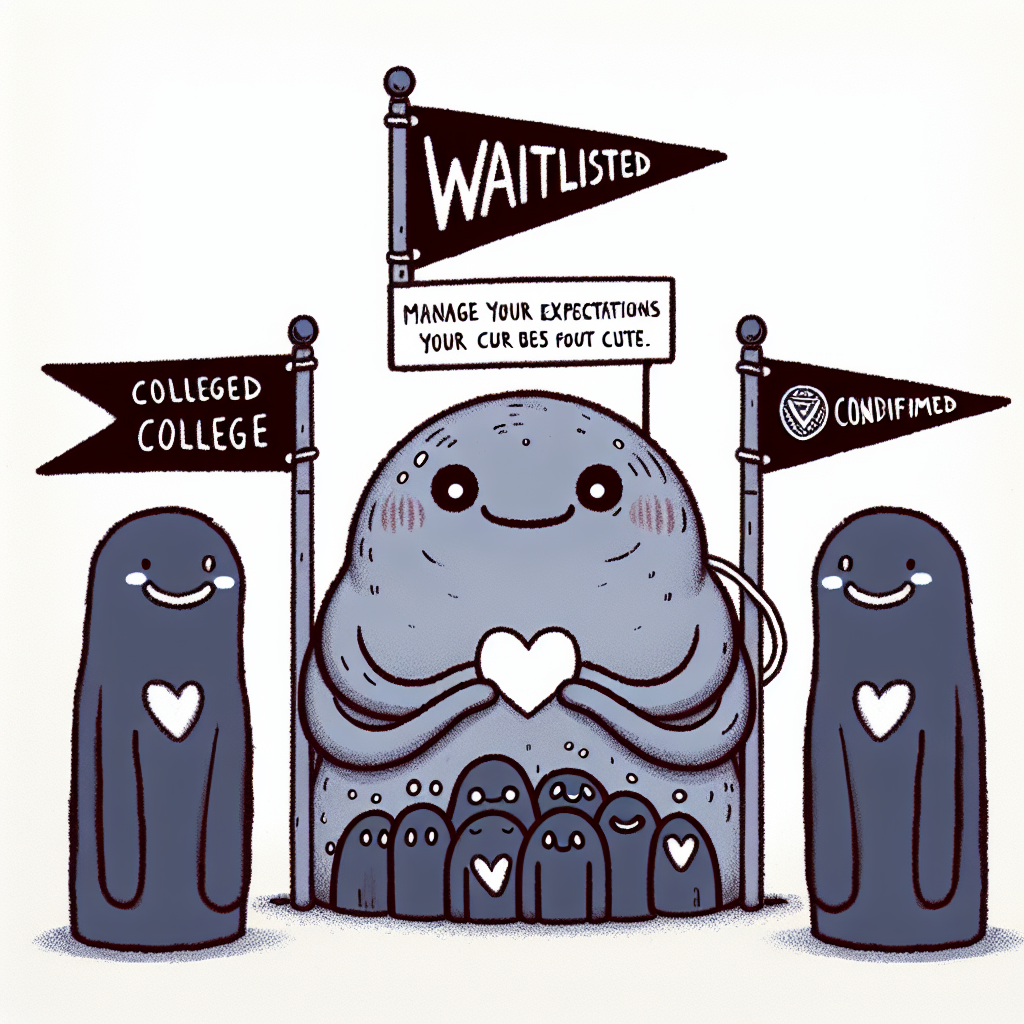
When navigating college waitlist strategies 2025, it's important to stay grounded in reality. Being placed on a waitlist is not a rejection—it means you are a qualified candidate, but space is currently limited. The odds of being admitted off the waitlist can vary widely between schools and years, so it's essential to accept the uncertainty rather than dwell on it. Understanding this can help reduce unnecessary stress and keep your perspective balanced.
Plan for All Outcomes
Avoid putting your life on hold while waiting for a decision. While it's okay to hope for a waitlist offer, you should also commit to a school where you’ve been accepted. Celebrate that achievement and begin preparing for your college experience there. Building excitement for your confirmed path ensures you remain proactive and optimistic, regardless of what happens with the waitlist.
Practice Self-Compassion
The college application process is demanding, and reaching the waitlist stage reflects significant effort. Acknowledge your accomplishments and remind yourself that your value is not defined by a single outcome. Talk to trusted family members, school counselors, or friends for support. Practicing self-compassion helps maintain emotional well-being as you continue forward with your college plans.
📚 Additional Resources and Tools
For students navigating college waitlist strategies in 2025, having access to official school policies and guidance can provide clarity and direction. Below are resources from various institutions that offer insights into how their waitlist systems operate:
- University of Washington's Waitlist Policy: Outlines the process and expectations for students placed on the freshman waitlist, including timelines and decision notifications.
- University of Tennessee’s Alternative Admission Programs: Details the university's approach to waitlisted applicants and introduces alternative admission pathways that may be available.
- UMass Amherst’s Guide for Waitlisted Students: Offers practical advice on what steps students can take after being waitlisted, including submitting updates and letters of continued interest.
- Bowdoin College’s Waitlist Reordering Guidelines: Explains how the college manages and reorders its waitlist, providing transparency in how placement decisions are made.
- Kenai Peninsula College’s Waitlist Policy: Covers the registration process for waitlisted courses, which can be useful for students considering different enrollment options.
Reviewing these resources can help students make informed decisions and effectively implement college waitlist strategies in 2025.

Final Checklist for Waitlisted Students (2025 Edition)
Navigating the college waitlist can be uncertain, but following a clear checklist can help you stay organized and maximize your chances. Here are essential college waitlist strategies 2025 students should follow:
- Accept or decline your place on the waitlist: Most schools require students to officially accept their spot. Be sure to respond by the specified deadline, or you may lose your opportunity.
- Submit a Letter of Continued Interest (if applicable): If allowed by the college, a well-written letter can reaffirm your commitment and update the admissions team on why the school remains your top choice.
- Update the admissions office with any new achievements: Share significant academic, extracurricular, or personal accomplishments since you submitted your application. These updates can strengthen your profile.
- Confirm enrollment at another institution before May 1: To secure a place for the fall, commit to another college by the national decision deadline. You can still accept a waitlist offer later, but this step ensures you have a plan in place.
- Monitor your email and student portals regularly: Colleges often communicate waitlist decisions with little notice. Stay alert to avoid missing important updates or offers.
- Explore alternative admission pathways: Some schools offer spring admission, gap-year programs, or transfer options. Understanding these alternatives can provide additional flexibility.
- Remain proactive, positive, and prepared for all outcomes: While waiting, continue planning for your future. Whether or not you’re admitted from the waitlist, having a solid backup plan is key to staying on track.
Following these college waitlist strategies 2025 will help ensure you stay prepared and informed throughout the process.

 SHARE ON FACEBOOK
 SHARE ON TWITTER