Introduction: Why Study Spaces Matter
The physical environment plays a significant role in academic focus and success. In the context of a productive college experience, where distractions are common and workload is high, a well-chosen study space can directly influence a student's ability to concentrate, retain information, and manage time effectively. This college study spaces guide explores how the right setting can support better outcomes.
Different students have different needs when it comes to studying. Some thrive in quiet, secluded environments that allow for uninterrupted focus, while others benefit from collaborative spaces where they can engage with peers and exchange ideas. Balancing solitude and collaboration is essential—selecting a study space that aligns with the task at hand and your personal preferences is key.
Moreover, access to a range of study environments can support diverse learning styles. Whether it's a quiet library corner for deep reading, a campus café for light review, or a group study room for project planning, having options allows students to match the space to their academic goals. This guide will help you navigate those choices to maximize your study effectiveness.

🏛️ Types of Study Spaces on Campus
🧘♂️ Quiet Zones
Quiet zones are designed for deep concentration and individual study. These areas are typically located in libraries and other designated silent sections of campus. They often feature individual carrels and desks, strict noise regulations or enforced silence, and minimal foot traffic to help maintain focus. A good example is Boston College Libraries – Study Spaces, which offers quiet areas with individual carrels that support distraction-free study.
🧑🤝🧑 Collaborative Areas
Collaborative areas are ideal for group projects, tutoring sessions, and peer study. These spaces often include large tables, whiteboards, and digital displays to facilitate discussion and teamwork. Speaking is typically allowed, and the layout encourages brainstorming and interaction. For instance, Miami Dade College – Kendall Learning Commons features community tables and reservable rooms for 2–4 people, making it suitable for small group collaborations.
💡 Hybrid or Multi-use Spaces
Hybrid or multi-use study spaces offer flexibility for both solo and group work. These environments include configurable furniture, adjustable lighting, and integrated technology to support various learning styles and needs. They encourage a dynamic approach to studying. An example is Smith College Libraries – Study Spaces, which includes a mix of pods, carrels, and large tables to accommodate different study preferences.
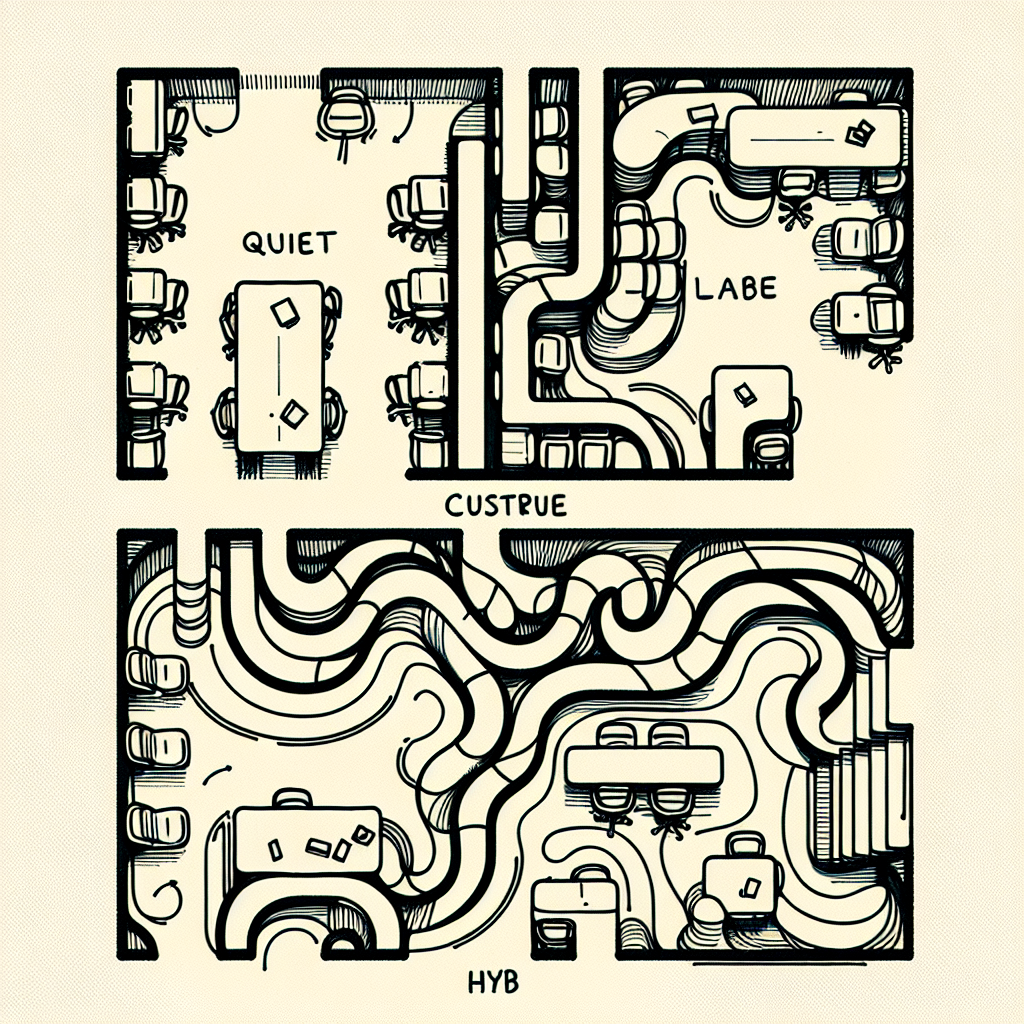
🪑 Seating & Layout Options
Choosing the right seating and layout is essential for effective studying, and this college study spaces guide outlines the main options available on most campuses.
🪑 Individual Carrels
Individual carrels are enclosed desks designed for focused, distraction-free studying. Typically located in quiet zones of the library or academic buildings, these spaces offer privacy and minimal noise, making them ideal for reading or writing-intensive tasks.
🛋️ Lounge Areas
Lounge areas feature comfortable seating such as sofas, armchairs, and low tables. These spaces are well-suited for relaxed reading or informal group collaboration. While less structured than traditional desks, they provide a more casual environment that can help reduce study stress.
🧍 Standing Desks & Adjustable Stations
Standing desks and adjustable stations offer ergonomic and flexible study alternatives. These setups allow students to alternate between sitting and standing, helping with posture and focus. They are increasingly common in modern learning commons and wellness-focused facilities.
🧾 Reservable Rooms vs. Open Seating
Many campuses offer a mix of reservable rooms and open seating. Reservable rooms provide privacy and are ideal for group projects or scheduled study sessions. In contrast, open seating areas operate on a first-come, first-served basis and are useful for spontaneous study needs. For example, the University of Michigan Study Spaces platform allows students to find and reserve various study spaces across campus.

🕒 Access, Availability & Booking
📝 Reservation Systems
Many campuses provide online portals that allow students to book private or group study rooms in advance. These reservation systems typically require a valid student ID and enforce time limits to ensure fair access. For instance, the University of Wisconsin-Madison Study Spaces offers reservable private group rooms through an easy-to-use online platform, helping students secure quiet spaces during high-demand periods.
🚪 Drop-in Access
In addition to reservable areas, most colleges maintain open seating and general access zones that do not require advance booking. These drop-in spaces are especially popular during peak study periods like finals week, so arriving early is often necessary to claim a spot. At Smith College Libraries, for example, most study areas operate on a first-come, first-served basis, offering flexibility for students who prefer spontaneous study sessions.
This section of the college study spaces guide outlines how students can access and reserve study areas effectively, whether through official booking systems or by utilizing open-access zones.

🖥️ Technology & Amenities
🔌 Power & Charging Stations
A reliable college study space must offer easy access to power and charging stations. Ideally, there should be outlets at every seat or designated charging zones throughout the area. This setup ensures that students can keep laptops, tablets, and phones powered during long study sessions, reducing disruptions and maintaining productivity.
📶 Wi-Fi Connectivity
Strong, stable Wi-Fi connectivity is essential for modern academic work. Digital learning platforms, cloud-based collaboration tools, and online research all depend on uninterrupted internet access. A quality college study space provides high-speed Wi-Fi that supports multiple devices without lag or dropouts.
🖨️ Printing, Scanning & Copying
On-site printing, scanning, and copying services are critical amenities in a college study space. These technologies support a range of academic needs, from submitting hard-copy assignments to digitizing notes. Access to these tools saves time and allows students to manage their coursework more efficiently.
🎧 Noise-Cancellation & Acoustic Design
Effective noise control is key to concentration. Study spaces should incorporate noise-cancellation features or thoughtful acoustic design, such as soundproofed walls and quiet zones. These elements help minimize distractions and accommodate different study preferences, from silent solo work to collaborative group projects.

🗺️ Location-Specific Features
🏫 Library Study Spaces
Library study spaces are a cornerstone of any effective college study spaces guide. These areas typically provide centralized access to academic resources such as books, databases, tutoring centers, and research assistance. Many college libraries also offer extended hours during midterms and finals, catering to students' heightened study needs. For instance, Boston College Libraries integrates traditional library services with a variety of study environments, including quiet zones, collaborative rooms, and tech-equipped areas.
🌆 Satellite & Campus-wide Options
A comprehensive college study spaces guide should also highlight study spots beyond the main library. Satellite and campus-wide options include student centers, dormitory study rooms, academic building lounges, and specialized research hubs. These locations offer flexibility and convenience, particularly for students who prefer to study closer to their living or class areas. At the University of Michigan, students can access a wide range of study environments across various campuses and even at the Detroit Center, enabling them to choose spaces that best suit their preferences and schedules.

🎯 Choosing the Right Space for You
Selecting the best study environment is a key part of any effective college study spaces guide. The right space can significantly enhance focus, retention, and productivity. To choose wisely, students should consider their learning style, daily rhythm, and study goals.
🧠 Match Your Study Style
Understanding how you learn best is the first step. Visual learners may benefit from spaces with whiteboards or large tables where they can spread out notes and diagrams. Auditory learners might prefer areas where they can use headphones to listen to recorded lectures or study playlists.
Noise levels also matter. If you need complete silence to concentrate, a quiet floor of the library may be ideal. If some background noise helps you focus, a campus café or student lounge could be more suitable. Matching the environment to your style helps make your study time more effective.
⏰ Time of Day Considerations
Everyone has different peak productivity times. Some students focus best early in the morning, while others hit their stride at night. Choose study spaces that align with when you’re most alert.
Also, consider the popularity of your chosen space. Libraries and student centers can get crowded during peak hours. To secure a good spot, try visiting during off-peak times, like early mornings or late evenings, when the environment is quieter and more conducive to focus.
📅 Purpose-Specific Planning
The type of studying you're doing should influence your space choice. For exam preparation or intense reading, choose a distraction-free zone like a study carrel or reserved quiet room. For more relaxed reading or light review, a lounge or open common area might suffice.
Group projects and collaborative work require spaces that allow conversation and shared materials. Look for designated group study rooms or collaborative zones with whiteboards and seating for multiple people. For solo tasks requiring deep concentration, opt for individual desks in quiet areas.
By aligning your space with your study style, time preferences, and specific goals, you’ll get the most out of your study sessions.

Tips for Making the Most of Study Spaces
To get the most value from your campus environments, follow these practical tips from our college study spaces guide:
- Arrive early during finals week: Study spaces fill up quickly during exam periods. Getting there early can help you secure a comfortable and quiet spot.
- Bring necessary supplies: Make sure you're prepared with chargers, headphones, pens, notebooks, and any course materials you need so you don't waste time leaving your space.
- Respect the noise policies of shared spaces: Many libraries and common areas have designated quiet zones. Be mindful of your volume to maintain a productive atmosphere for everyone.
- Use campus maps or apps to locate hidden gems: Some of the best study spots aren't widely known. Explore your school's app or map to discover quieter or more comfortable locations.
- Clean up and leave the space as you found it: Always tidy up your area before leaving. This keeps the environment welcoming for others and shows respect for shared resources.
Following these guidelines from the college study spaces guide can help you study more effectively and make the most of what your campus offers.

Conclusion: Crafting Your Ideal Study Routine
Creating an effective study routine is about more than just choosing one spot and sticking with it. According to the college study spaces guide, combining different types of study environments can help you stay fresh and focused. For example, rotating between quiet library corners, collaborative study lounges, and outdoor campus areas can support different tasks and energy levels.
Leverage technology to streamline your study habits. Many campuses offer digital reservation systems for private study rooms—use them to secure a quiet space during peak times. Apps that block distractions or organize your schedule can also help you stay on track.
Most importantly, make use of your college’s physical resources. From tutoring centers and academic commons to lab spaces and writing centers, these facilities are designed to support your academic success. Integrating them into your routine can enhance both productivity and learning outcomes, as emphasized throughout this college study spaces guide.

Resources for Further Exploration
For students seeking more options or inspiration, the following curated links offer detailed information about college study environments. Each resource contributes to the broader college study spaces guide by showcasing how different institutions design and manage study areas to meet diverse academic needs.
- Boston College Libraries – Study Spaces: Offers an overview of available study rooms, collaborative workspaces, and quiet zones across multiple campus libraries.
- University of Wisconsin-Madison – College Library Study Spaces: Lists various study environments including reservable rooms and technology-equipped spaces tailored to group and individual study.
- University of Michigan – Study Spaces at U-M: A centralized platform for locating and reserving study spaces across the University of Michigan campus.
- Miami Dade College – Kendall Learning Commons Study Spaces: Features information on different study zones and how to access support services within the learning commons.
- Smith College Libraries – Study Spaces: Highlights a range of study settings including quiet areas, group rooms, and tech-integrated spaces designed to support academic success.
These resources complement the college study spaces guide by providing real-world examples and access to tools that students can use to enhance their personal learning environments.

 SHARE ON FACEBOOK
 SHARE ON TWITTER