Introduction
A structured college planning timeline is essential for students aiming to navigate the complex journey to higher education. Starting early and following a clear roadmap helps reduce stress, avoid last-minute decisions, and maximize opportunities for college admission and financial aid.
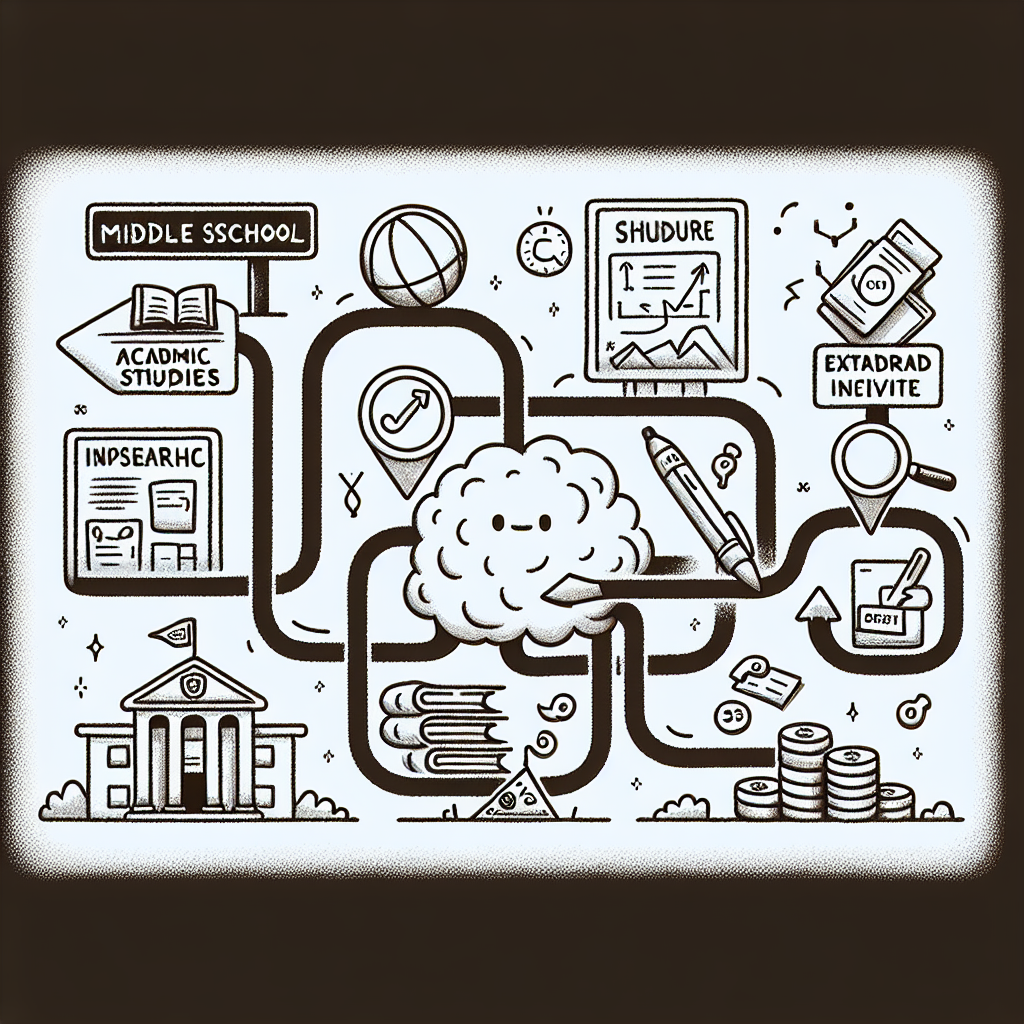
The timeline typically begins in middle school, when students start building foundational skills and exploring interests. In high school, the focus shifts to academic performance, standardized testing, extracurricular involvement, and college research. By senior year, students are completing applications, securing recommendations, and finalizing financial plans.
Parental expectations and academic planning play a significant role in shaping a student's college outcomes. When families engage early and set realistic goals, students are more likely to stay on track and make informed decisions throughout the process. A well-organized college planning timeline supports this collaboration and ensures that each step is approached with clarity and purpose.
The Role of Parental Expectations in College Planning
Parental expectations play a crucial role in shaping a student's college planning timeline. According to the National Center for Education Statistics, 91% of students in grades 6–12 have parents who expect them to pursue education beyond high school, and 65% of parents specifically expect their children to complete college ➤ Parent Expectations and Planning for College.
These expectations can significantly influence student outcomes. When parents maintain high expectations, students are more likely to stay motivated, set academic goals, and ultimately enroll in postsecondary education. Aligning parent and student goals early in the college planning timeline helps ensure that both parties are working toward a common objective.
To support this alignment, experts recommend that parents begin discussing college plans as early as middle school. These conversations should include encouragement for academic exploration and participation in extracurricular activities, both of which are important components of a successful college planning timeline. By staying involved and supportive, parents can positively contribute to their child's readiness and confidence throughout the college preparation process.

Middle School (Grades 6–8): Laying the Foundation
Academic Preparation
During middle school, students begin building the academic skills that will support long-term success. A strong focus on core subjects—particularly math and reading—is essential. Mastery of these foundational skills prepares students for more rigorous high school coursework. Taking Algebra I by the 8th grade is especially important, as it sets students on track for higher-level math courses in high school, a key predictor of college readiness. According to Mapping the Road to College, early placement in advanced math is linked to increased college enrollment rates, especially among first-generation students.
Career Awareness and Exploration
Middle school is also an ideal time to begin exploring career interests. Introducing students to various career clusters and helping them understand the relationship between education and job opportunities can increase motivation and engagement. Participation in school counseling programs, career days, and interest inventories can help students start identifying potential career paths and the academic steps required to pursue them.
Parental Support
Parental involvement plays a significant role in college planning during the middle school years. Attending school meetings and academic planning sessions allows parents to stay informed and actively support their child’s progress. Additionally, fostering a college-going mindset at home—through discussions about future goals, visits to college campuses, or highlighting the value of education—helps normalize the idea of college as an attainable goal, reinforcing the broader college planning timeline.

Early High School (Grades 9–10): Building Academic and Extracurricular Strength
Course Selection and Rigor
Students should begin building a strong academic foundation by enrolling in college-preparatory courses. Taking challenging classes such as honors or advanced-level mathematics and initiating a science course sequence helps establish readiness for higher-level coursework later in high school. A solid academic track record during these early years is a critical part of the college planning timeline.
Begin College and Career Planning
Grades 9 and 10 are ideal for exploring potential college and career interests. Students can use career interest inventories and planning software tools to identify strengths and preferences. It's also important to start documenting academic achievements, extracurricular activities, and volunteer work, which will be useful later when completing college applications.
Encourage Extracurriculars
Encouraging participation in extracurricular activities is a key component of the college planning timeline. Clubs, athletics, the arts, and community service provide valuable opportunities for students to develop leadership, collaboration, and time management skills. These experiences also help demonstrate a well-rounded profile to colleges.
Family Engagement
Family involvement during early high school supports student motivation and planning. Families should begin discussing college goals, academic expectations, and initial financial considerations. Visiting local colleges and attending high school information sessions can also help students and parents become more informed about future options and expectations.

Upper High School (Grades 11–12): Execution and Application
Junior Year Milestones
Academic Focus
During this critical stage of the college planning timeline, students should enroll in rigorous courses such as AP, IB, or Honors classes to demonstrate academic readiness. Preparing for standardized exams like the SAT or ACT is also a major focus. Students are encouraged to register early, take practice tests, and consider test prep resources to improve their scores.
College Research and Visits
Juniors should start building a well-rounded college list that includes a mix of reach, match, and safety schools. As part of the college planning timeline, visiting campuses—either in person or virtually—helps students evaluate factors such as campus culture, size, and available programs.
College and Career Counseling
Meeting regularly with school counselors is essential for personalized guidance. Students should begin exploring potential college majors and career paths to align their academic interests with long-term goals.
Senior Year Milestones
Application Season
Seniors finalize their college list and closely monitor application deadlines. This phase of the college planning timeline involves completing college applications, drafting and revising personal essays, and requesting letters of recommendation from teachers and counselors.
Financial Aid
Students and families must submit the Free Application for Federal Student Aid (FAFSA) and any additional financial aid forms required by colleges. Researching and applying for scholarships and grants is also an important step in managing college costs.
Decision-Making
After receiving admission decisions, students compare acceptance letters, financial aid packages, and institutional fit. Once a final decision is made, they submit their enrollment deposit to secure a spot at their chosen college.
College Readiness
To wrap up the college planning timeline, students should attend admitted student events to become more familiar with their future campus. Maintaining strong academic performance through graduation remains important, as colleges may review final transcripts before enrollment.
Special Populations and Considerations
First-Generation Students
For first-generation students, following a structured college planning timeline can significantly impact enrollment outcomes. Research shows that students who have early access to advanced math courses and receive guidance on planning strategies are more likely to enroll in college (Mapping the Road to College). These findings highlight the need for tailored support systems within the college planning timeline to better serve students without a familial background in higher education.
Gender Differences in Enrollment
The college planning timeline also affects male and female students differently. In 2022, 66% of female high school graduates enrolled in college immediately, compared to only 57% of males (Immediate College Enrollment Rate). This disparity suggests that interventions within the planning timeline may need to account for gender-based differences in college enrollment behaviors and motivations.

The Power of Education and Career Planning Activities
High School Engagement
Engaging in education and career planning activities during high school has a significant impact on students' postsecondary outcomes. According to the National Center for Education Statistics, students who participate in structured planning activities are more likely to pursue higher education Education and Career Planning in High School. These activities help students stay aligned with their academic and professional goals, contributing to a more effective college planning timeline.
Recommended Activities
Incorporating key planning activities into the high school experience supports a smoother transition to college and future careers. Effective strategies include:
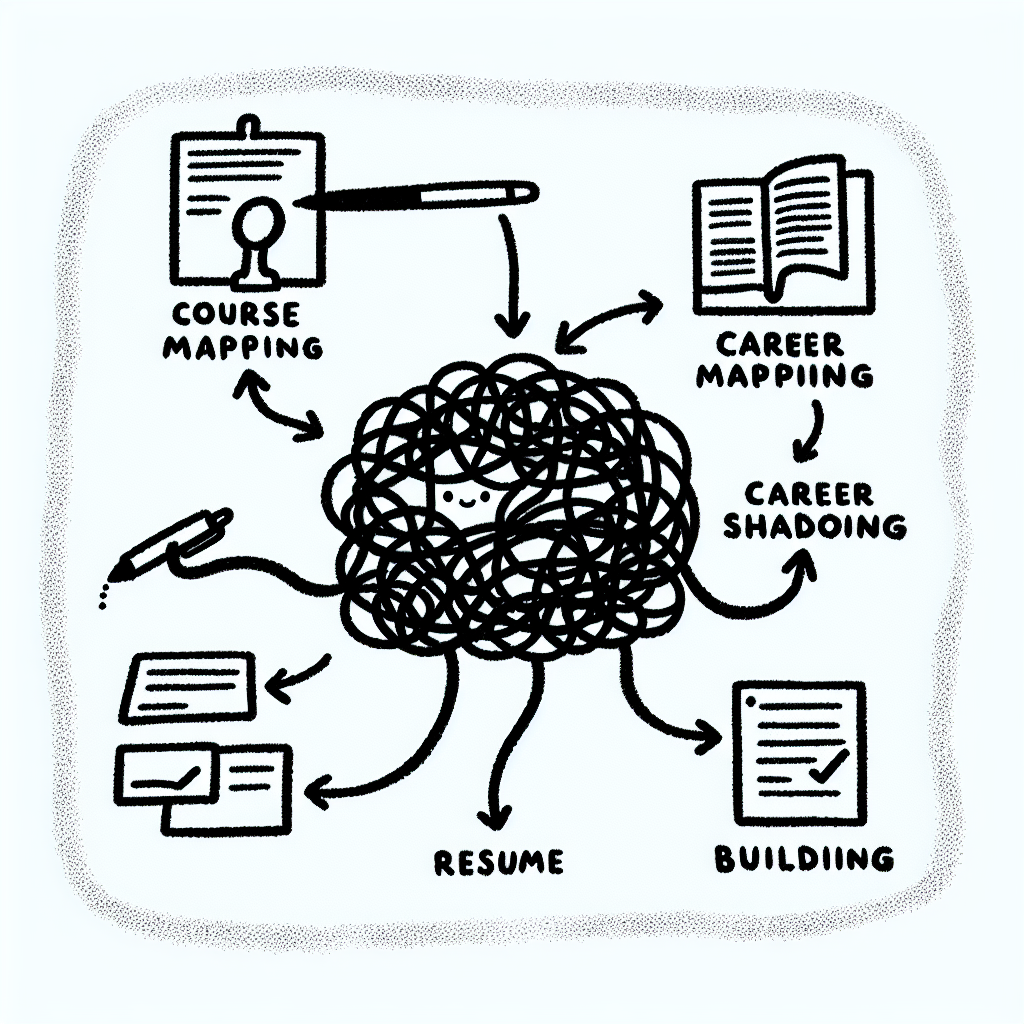
- Course mapping with counselors: Helps students align their high school curriculum with college admission requirements and career interests.
- Career shadowing and internships: Provides real-world experience and insights into potential career paths.
- Resume building and goal setting: Encourages students to document achievements and set clear academic and career objectives.
Each of these activities enhances the overall college planning timeline by providing structure, direction, and motivation for students on their educational journey.
Parent and Caregiver Roles Throughout the Timeline
Middle and High School Involvement
Parents and caregivers play a critical role in the college planning timeline by actively supporting their student’s academic and personal development. During middle and high school, this support includes fostering strong study habits, promoting time management, and encouraging participation in extracurricular activities. These efforts help students build a solid foundation for future academic success.
It is also important to encourage exploration of interests and postsecondary options. Parents can help students discover their strengths and passions by exposing them to various fields through clubs, volunteering, job shadowing, or enrichment programs. Resources like Helping Your Student Prepare for Life After High School offer guidance on how families can support students during this exploration phase.
Creating a College-Ready Culture at Home
Establishing a college-ready culture at home is a key component of the college planning timeline. Families can normalize discussions about college and careers, making these conversations a regular part of home life. This includes talking about different types of colleges, financial planning, and career aspirations.
Making college planning a family project ensures that students feel supported and understood throughout the process. When parents and caregivers are involved in researching schools, attending college fairs, and discussing future goals, students are more likely to stay engaged and motivated. This collaborative approach reinforces the message that higher education is both attainable and valuable.

Conclusion
A well-structured college planning timeline helps pave the way for student success. A proactive and collaborative approach—where students, families, and counselors work together—ensures that key milestones are met and opportunities are maximized. Starting the process early, maintaining consistent support, and making informed decisions at each stage are essential components of an effective college planning timeline. By staying organized and committed, students can navigate the complexities of college preparation with greater confidence and clarity.
Resources and Tools
A successful college planning timeline relies on using the right resources and tools at each stage of the process. Several reliable platforms and support systems are available to help students and families make informed decisions.
College Board BigFuture is a comprehensive platform that guides students through the college planning timeline. It offers tools for exploring colleges, estimating costs, and identifying scholarships. Students can create a personalized plan and track deadlines, making it easier to stay organized.
FAFSA.gov is the official site for completing the Free Application for Federal Student Aid. Completing the FAFSA is a key step in the college planning timeline, as it determines eligibility for federal grants, loans, and work-study opportunities. The site provides resources for understanding the application process and estimating aid.
State-based scholarship portals offer region-specific financial aid opportunities. Many states maintain websites that list scholarships, grants, and tuition assistance programs for residents. Checking these portals regularly ensures that students align their college planning timeline with local funding deadlines and requirements.
School counselors and community-based support organizations also play a crucial role. Counselors provide personalized guidance on course selection, application strategies, and deadlines. Community organizations often host workshops and provide mentorship, especially for first-generation college students or those from underserved backgrounds.
Using these tools effectively can ensure that students stay on track throughout their college planning timeline and maximize their opportunities.

Appendix: Year-by-Year College Planning Checklist
6th–8th Grade
- Focus on building strong academic foundations across core subjects.
- Explore extracurricular interests through clubs, sports, or volunteer work.
- Take Algebra I in 8th grade if available to stay on track for advanced math in high school.
9th Grade
- Begin high school with a focus on earning strong grades to establish a solid GPA.
- Get involved in extracurricular activities to discover interests and demonstrate commitment.
- Start exploring possible career paths to help inform future academic choices.
10th Grade
- Enroll in challenging courses to continue academic growth.
- Take the PSAT for early exposure to standardized testing.
- Research different types of colleges and majors to start narrowing down preferences.
11th Grade
- Take the SAT or ACT, or both, and consider retaking them if needed for score improvement.
- Visit college campuses to get a feel for different environments and refine your college list.
- Begin brainstorming personal statement ideas and drafting college essays.
12th Grade
- Complete and submit college applications, including essays and recommendation letters.
- Fill out the FAFSA and other financial aid forms to determine funding options.
- After receiving acceptances, make a final college decision and prepare for the transition to college life.
The college planning timeline ensures students stay on track each year, reducing stress and improving readiness for post-secondary education.
 SHARE ON FACEBOOK
 SHARE ON TWITTER