
Introduction: Why Study Habits Matter
Developing study habits that actually work is essential for academic success and long-term retention of information. Research consistently shows that effective study strategies can significantly improve understanding, recall, and performance across subjects and education levels.
Cognitive science provides valuable insights into how memory and learning function. Key findings suggest that active engagement with material—such as self-testing, spaced repetition, and elaboration—leads to stronger neural connections and better retention over time. These methods contrast sharply with more passive techniques like rereading or highlighting, which often give the illusion of learning without producing durable knowledge.
One of the most common but ineffective study approaches is cramming. According to the University of Texas at Austin, cramming leads to high stress and shallow learning. Instead of reinforcing knowledge, last-minute studying overwhelms the brain’s capacity to encode and retrieve information effectively. Passive review methods, while easy to implement, similarly fail to promote deep learning and long-term recall.
Understanding why and how certain study habits work better than others is the first step toward adopting strategies that lead to meaningful and lasting academic achievement.

Core Cognitive Strategies
📅 Spaced Repetition
What It Is
Spaced repetition is a learning technique that involves reviewing information at increasing intervals over time. Instead of cramming all at once, learners revisit material periodically to reinforce memory.
Why It Works
This method enhances long-term memory retention by combating the forgetting curve. Research in cognitive psychology and neuroscience supports its effectiveness in helping information stick over time (Friends University).
How to Apply It
- Use flashcard apps like Anki or Quizlet that schedule reviews based on your performance.
- Review challenging material more frequently and reduce intervals for easier content.
- Incorporate spaced review into your daily or weekly study plans.
🔍 Active Recall
What It Is
Active recall involves actively retrieving information from memory without looking at the source, rather than passively reviewing notes or textbooks.
Cognitive Benefits
This strategy strengthens memory and comprehension by making the brain work to find the answer. It also increases mental effort, which promotes deeper understanding and productive struggle (University of Texas at Austin).
How to Use It
- Engage in self-testing using flashcards or practice questions.
- Explain concepts aloud or teach them to someone else.
- Summarize reading material from memory without referring back to the text.
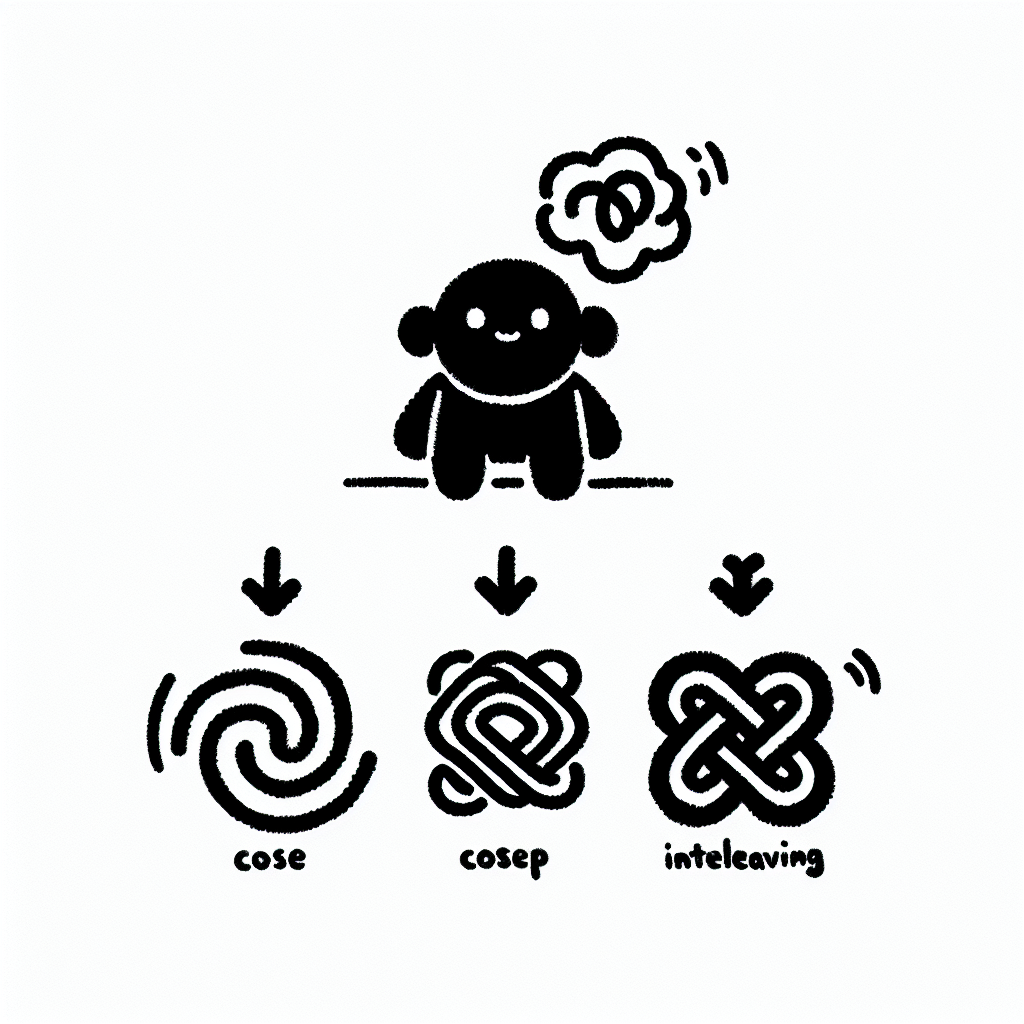
🔀 Interleaving
What It Is
Interleaving is the practice of mixing different topics or types of problems within a single study session instead of studying one topic in isolation.
Why It Works
This approach improves the ability to distinguish between concepts and enhances problem-solving skills. It also supports better transfer of learning to new situations.
Practical Examples
- Alternate between solving different types of math problems in one session.
- Study history for a while, then switch to science, rather than focusing on just one subject.
- Avoid blocked practice where only one topic is studied at a time.
Supplementary and Behavioral Strategies
🧭 Metacognition and Self-Responsibility
Effective study habits that actually work often begin with metacognition—the ability to understand and regulate your own learning. By recognizing how you learn best, whether through visual aids, repetition, or teaching others, you can choose strategies that align with your cognitive preferences. Monitoring your progress and setting clear, measurable goals helps maintain focus and motivation. Regular reflection on what study methods are yielding results allows for continuous improvement. According to Kansas State University, taking personal responsibility for learning is a cornerstone of academic success.
🕰 Time Management and Planning
Time management is another crucial component of study habits that actually work. Techniques like time-blocking and the Pomodoro technique help structure study periods and reduce procrastination. Prioritizing tasks based on their urgency and importance ensures that critical deadlines are met without last-minute pressure. Planning study sessions during your personal peak productivity hours—whether early morning or late at night—can enhance focus and retention. Kansas State University emphasizes that good planning minimizes stress and maximizes efficiency.
🧘♀️ Healthy Routines and Self-Care
Physical well-being supports cognitive performance, making self-care a vital part of study habits that actually work. Getting consistent sleep, eating nutritious meals, and engaging in regular physical activity all contribute to better concentration and memory. Purposeful breaks during study sessions give your brain time to process and consolidate information. Maintaining a balanced schedule helps prevent burnout and sustain long-term academic performance. As noted by Drew University, healthy routines directly impact a student’s ability to learn effectively.

🏫 Course-Specific and Classroom Strategies
Effective study habits that actually work often start with aligning your approach to the specific demands of each course and making the most of classroom time. Tailoring strategies to the structure and content of individual classes can significantly improve retention and understanding.
📚 Pre-Class Preparation
Before attending a lecture, review the syllabus and course objectives to understand what will be covered. This helps set a framework for what to expect and how to focus your attention. Creating a set of questions based on the upcoming topic can further guide your engagement and keep you mentally active during class. According to Penn State University, generating questions in advance is a proven way to enhance comprehension and participation.
🎓 Active Participation During Class
During lectures, use a structured note-taking method such as the Cornell system to organize information clearly. Actively participating by asking questions and joining discussions allows for immediate clarification and deeper understanding. Use the opportunity to address challenging topics directly with your instructor or peers, which reinforces learning and builds confidence.
📆 Post-Class Review
After class, review your notes within 24 hours to strengthen memory retention. Revise them by adding any missing details and incorporating insights gained during the lecture. Use active recall—testing yourself on key concepts without looking at your notes—and spaced repetition to ensure long-term retention. Weekly reviews are also important to consolidate learning and identify areas that need further attention.
These course-specific and classroom strategies form the foundation of study habits that actually work, ensuring that students are not just passive recipients of information but active participants in their own learning process.

Optimizing Your Study Environment
Creating the right environment is essential when building study habits that actually work. A well-structured study space can improve focus, reduce distractions, and boost overall productivity.
📍 Physical Setup
Choose a quiet, well-lit area where you can concentrate without interruptions. Natural light is ideal, but if that's not possible, use a bright desk lamp to reduce eye strain. Keep your materials—books, notes, pens, and devices—organized and within easy reach. A clutter-free desk helps maintain mental clarity and reduces the temptation to procrastinate.
📵 Minimize Distractions
Distractions can derail even the most effective study habits. Turn off phone notifications or switch to airplane mode to stay focused. Use website blockers like Freedom or Cold Turkey to avoid time-wasting sites. If you share your space, communicate your study schedule clearly with roommates or family members so they know when not to interrupt.
🎶 Consider Ambient Sound
The right background noise can enhance concentration. Some students prefer complete silence, while others benefit from white noise or instrumental music. Experiment with different options to find what works best for you. Apps like Noisli or Brain.fm offer customizable ambient soundscapes tailored for focus.
Optimizing your study environment is a foundational step in developing study habits that actually work. A few adjustments to your surroundings can lead to significant improvements in how effectively you learn.

📈 Tracking Progress and Adapting
📝 Reflective Journaling
One of the most effective study habits that actually work is maintaining a reflective journal. By keeping a study log, students can document what study methods are helping them retain information and which ones are falling short. This self-awareness allows for continuous improvement. In addition to the strategies used, it's important to track energy levels, productivity, and comprehension after each study session. Over time, patterns will emerge that can inform better scheduling and technique choices.
🔄 Adjusting Techniques
Flexibility is key when it comes to developing study habits that actually work. If certain techniques aren't yielding results, it's important to make adjustments. Use midterm grades and feedback as indicators for what needs to change. Students should be willing to experiment with new methods, such as switching from passive reading to active recall or from solo study to group sessions. When difficulties persist, seeking help from a tutor or academic support center can make a significant difference in performance.

Conclusion: Putting It All Together
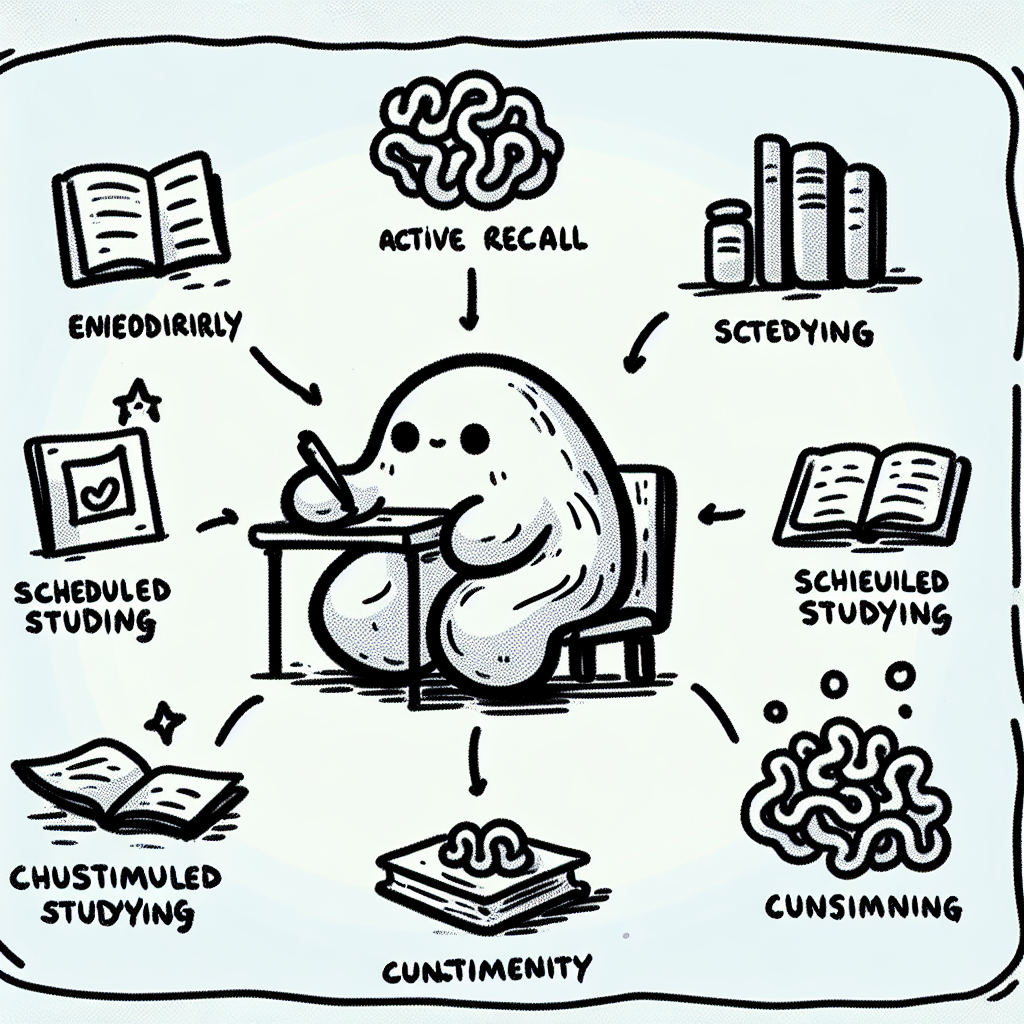
Effective study habits that actually work combine both cognitive strategies and behavioral routines. Techniques like active recall, spaced repetition, and elaborative interrogation are powerful tools for improving retention, but they are most effective when paired with structured behavioral habits such as scheduled study sessions, minimizing distractions, and setting clear goals.
It's important to customize your approach to studying based on your personal learning style, the nature of the course material, and your time constraints. What works for one subject or individual might not be suitable for another. Flexibility and self-awareness are key to refining a study system that delivers results.
Above all, remember that consistency beats intensity. Building sustainable study habits—like reviewing material regularly instead of cramming—leads to better long-term outcomes. Rather than aiming for perfection in every session, focus on creating a routine you can maintain over time. That’s how study habits that actually work truly pay off.
📚 Further Reading and Resources
To deepen your understanding of study habits that actually work, consider exploring the following expert-backed resources:
- Friends University: Science-Backed Study Techniques That Actually Work – Offers a breakdown of evidence-based strategies supported by cognitive science.
- University of Texas at Austin: What Neuroscience Suggests to Better Your Study Habits – Discusses how brain research informs the development of more effective study habits.
- Kansas State University: Effective Study Habits – Provides practical tips and self-help tools to support consistent and efficient studying.
- Penn State University: Study Habits for All Course Modes – Explores adaptable study techniques for in-person, hybrid, and online learning environments.
- Drew University: Developing Healthy Study Habits – Focuses on cultivating sustainable and balanced study routines.
These resources offer valuable insights into study habits that actually work, informed by academic research and real-world application.

 SHARE ON FACEBOOK
 SHARE ON TWITTER