Introduction
Strong learning communities are defined as collaborative environments where students, teachers, and families work together to enhance the educational experience. These communities foster a sense of belonging, support diverse learning needs, and promote shared values among members. They are characterized by mutual respect, open communication, and a commitment to collective growth and achievement.
The importance of learning communities in education cannot be overstated. They play a crucial role in improving student engagement and academic performance. When students feel connected to their peers and educators, they are more likely to participate actively, take risks in their learning, and develop a greater sense of accountability for their education. Learning communities also facilitate professional development for teachers, enabling them to share best practices and support one another in their teaching endeavors.
This article will explore various aspects of schools with strong learning communities. It will begin with an in-depth analysis of the key characteristics that define these communities, followed by a discussion on the benefits they provide to students and educators alike. Additionally, we will highlight case studies of successful schools, offering insights into how they cultivate and maintain strong learning communities.

Theoretical Framework of Learning Communities
Definition and Characteristics
A strong learning community is defined by several key elements. These include a supportive environment, shared values, and collective responsibility for student learning. Members of a learning community engage in ongoing dialogue, share resources, and continually reflect on their practices.
One of the most important characteristics of a strong learning community is the presence of shared goals. When all members align their objectives towards common outcomes, it fosters a sense of unity and purpose. Additionally, a collaborative culture is essential; this means that educators and students work together, learn from one another, and support each other’s growth. This collaborative approach enhances the educational experience and promotes a sense of belonging among students and staff.
The Role of Educational Leadership
Educational leadership plays a crucial role in the development of strong learning communities. Leadership styles that foster these communities often emphasize inclusivity, participation, and empowerment. Transformational leadership, for example, inspires educators to engage in the vision of building a collaborative culture, while distributive leadership encourages shared responsibility and collective decision-making.
Case studies of successful educational leaders demonstrate how effective leadership can cultivate strong learning communities. For instance, leaders who prioritize professional development and encourage teacher collaboration create an environment where innovative practices can thrive. Schools with strong learning communities often reflect the leadership's commitment to fostering relationships and shared values among all stakeholders.
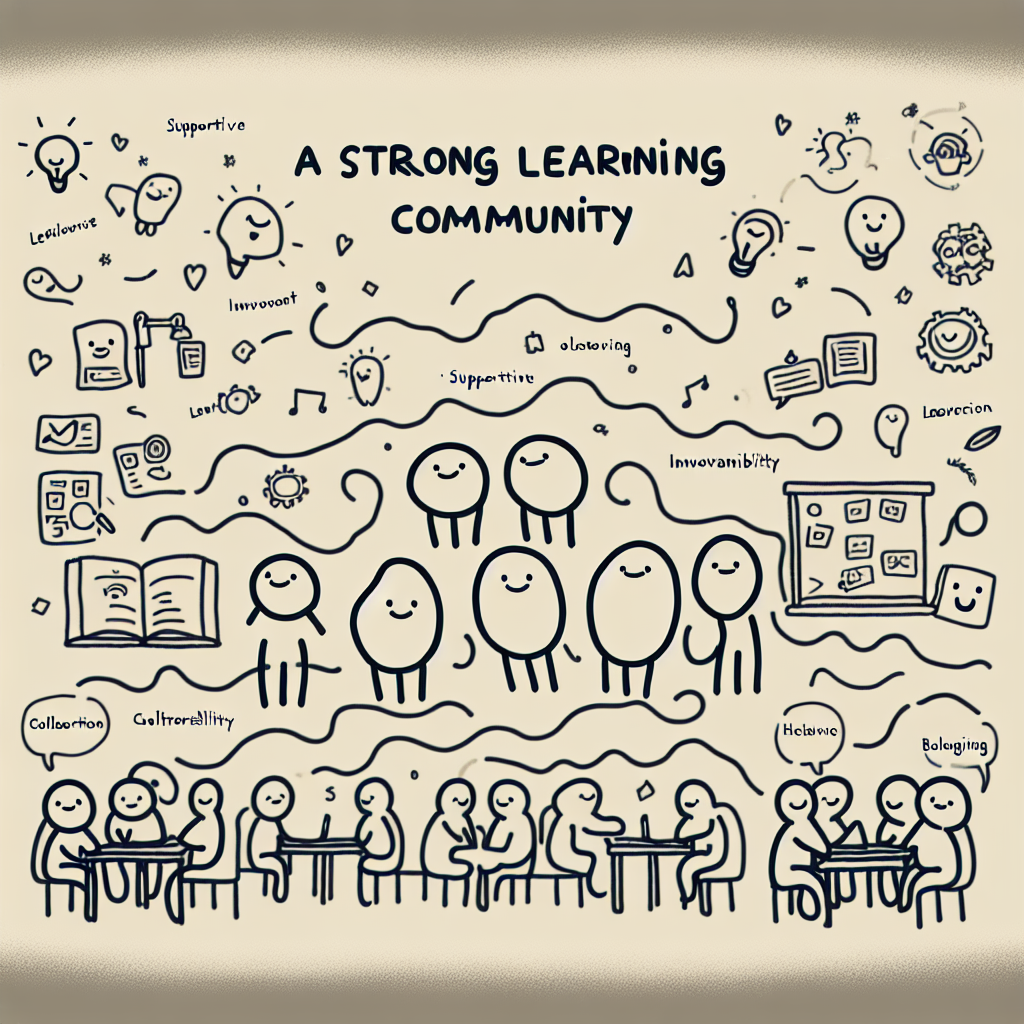
Key Components of Strong Learning Communities
Community Engagement and Involvement
Parental involvement and community partnerships are vital for the success of schools with strong learning communities. Engaging parents not only fosters a supportive environment for students but also builds trust and collaboration between families and educational institutions. Successful community engagement initiatives can include workshops, volunteer programs, and collaborative events that bring together educators, parents, and local organizations.
One effective approach is Service-Learning in K-12 Public Schools, which integrates community service with instruction, thereby enhancing community engagement in schools. This model encourages students to apply their learning to real-world issues, fostering a sense of responsibility and connection to their community (catalog.data.gov).
Supportive Learning Environments
Creating a safe and inclusive environment is essential for schools with strong learning communities. A supportive atmosphere allows students to thrive academically and socially. The physical space of a school significantly impacts learning dynamics; well-designed classrooms and communal areas can enhance collaboration and interaction among students.
The Outcome Evaluation of Tribes Learning Communities demonstrates the effectiveness of supportive learning environments on student behavior, highlighting how such settings contribute to improved academic outcomes and social skills (catalog.data.gov).
Professional Development for Educators
Continuous teacher training and collaboration are crucial for maintaining strong learning communities in schools. Professional development ensures that educators are equipped with the latest teaching strategies and technologies, which in turn benefits student learning. Effective professional development models include peer coaching, mentorship programs, and workshops that focus on specific instructional practices.
The integration of technology is also essential. The study on Teachers' Use of Educational Technology shows how technology enhances teacher performance, providing them with tools that facilitate innovative teaching methods in strong learning communities (catalog.data.gov).

Benefits of Strong Learning Communities
Enhanced Student Outcomes
Data indicates a robust correlation between strong learning communities and improved academic performance. Schools that foster a collaborative environment often see enhanced student outcomes, contributing to higher educational attainment. For instance, in California, research shows that higher educational attainment is linked to strong learning communities and health-promoting behaviors (Educational Attainment in California). This suggests that the social fabric created within these communities plays a crucial role in students' academic success.
Social and Emotional Development
Strong learning communities place a significant emphasis on social-emotional learning, which is vital for students' overall development. By prioritizing emotional intelligence and social skills, educators can create a supportive atmosphere where students thrive. Strategies to foster these skills include collaborative projects, peer mentoring, and structured social interactions, all aimed at enhancing students' ability to connect with others and navigate their emotions effectively.
Community Well-being
The impact of strong learning communities extends beyond the classroom, positively influencing local communities. Initiatives like the Promise Neighborhoods have demonstrated how strengthening local schools can lead to broader community well-being. These case studies illustrate that when schools become focal points for community engagement, they foster not only educational improvement but also social cohesion and economic development (Promise Neighborhoods Initiative).

Challenges to Building Strong Learning Communities
Identifying Barriers
Building strong learning communities in schools often faces several common obstacles. One significant barrier is the lack of resources, which can hinder the development of collaborative programs and activities. Schools may struggle with inadequate funding, limited staff, or insufficient training for teachers on how to foster community engagement. Additionally, varying levels of parental involvement can create disparities in community support, impacting the overall strength of the learning community.
Socioeconomic factors also play a crucial role in establishing strong learning communities. Schools located in low-income areas may encounter challenges such as higher rates of absenteeism and lower engagement levels among families. These socioeconomic disparities can lead to a lack of trust and communication between educators and families, making it difficult to build a cohesive community.
Strategies for Overcoming Challenges
To enhance community involvement and build stronger learning communities, schools can implement several effective strategies. One approach is to create partnerships with local organizations and businesses, which can provide resources and support for community-building initiatives. Additionally, schools can host regular workshops and events designed to engage families, encouraging participation and fostering a sense of belonging.
The importance of resilience and adaptability in educational settings cannot be overstated. Schools must be willing to assess their unique challenges and remain flexible in their strategies, allowing them to adjust their approaches as needed. This adaptability can help schools navigate obstacles and continue to strengthen their learning communities, promoting a collaborative and supportive environment for both students and families.

Conclusion
In summary, schools with strong learning communities foster a collaborative and supportive environment that enhances student engagement and academic success. Key points discussed include the importance of relationships among students, teachers, and families, as well as the role of shared values and goals in creating a cohesive educational experience. Furthermore, the integration of community resources and active participation by all stakeholders is essential in building these vibrant learning communities.
Looking to the future of education, it is crucial to promote strong learning communities that empower students and educators alike. By prioritizing collaboration, communication, and inclusivity, we can cultivate environments that not only support academic achievement but also nurture social and emotional growth.
To achieve this vision, educators, policymakers, and community members must work together. It is essential to collaborate in developing strategies and initiatives that build stronger learning environments and ensure that every student can thrive in a supportive community.

 SHARE ON FACEBOOK
 SHARE ON TWITTER