Introduction
When evaluating educational institutions, one of the most critical factors for prospective students and parents is career placement. Schools with strong career placement offer a clear return on investment by connecting academic programs directly to job opportunities after graduation. As tuition costs continue to rise, students are increasingly focused on how well their education will translate into meaningful employment.
The importance of aligning education with workforce demands has grown significantly in recent years. Employers are seeking graduates with not just theoretical knowledge, but also practical skills and experience. Schools that understand this shift are adjusting their curricula, building partnerships with industry, and expanding internship and co-op programs to improve job readiness.
Several key factors influence strong career placement outcomes. These include the strength of a school's career services department, the extent of its alumni network, partnerships with employers, and the relevance of academic programs to current labor market trends. Schools with strong career placement typically excel in these areas, ensuring that students are not only educated but also prepared to succeed in today’s competitive job market.

Understanding Career and Technical Education (CTE)
What is CTE?
Career and Technical Education (CTE) refers to educational programs that specialize in the skilled trades, applied sciences, modern technologies, and career preparation. These programs are designed to equip students with the technical knowledge and practical skills necessary for specific industries.
CTE encompasses a wide range of career pathways, including healthcare, information technology, automotive repair, construction, agriculture, and culinary arts. These programs often begin in high school and are structured to provide a seamless transition to postsecondary education or direct entry into the workforce.
Schools with strong career placement often integrate CTE as a core component of their curriculum, using it to bridge the gap between academic instruction and real-world employment demands.
Outcomes of CTE Programs
CTE programs emphasize a career-focused curriculum that includes both classroom instruction and work-based learning opportunities such as internships, apprenticeships, and job shadowing. These experiences help students apply their learning in real-world contexts and build job-ready skills.
Partnerships with industry leaders are a key feature of successful CTE programs. These collaborations ensure that the curriculum remains aligned with current workforce needs and that students have access to modern equipment, mentorship, and job placement opportunities.
Research shows that students who complete CTE pathways are more likely to graduate from high school, enroll in postsecondary education, and gain employment in their field of study. Schools with strong career placement often report higher rates of job attainment and earnings for CTE graduates, demonstrating the effectiveness of these programs in preparing students for long-term career success.

Data-Driven Insights on Career Placement
Comparative Outcomes of CTE Completers
Students who complete Career and Technical Education (CTE) programs consistently outperform peers who only meet general career readiness accountability standards. According to a NCES study, CTE completers show higher rates of college enrollment and credential attainment, demonstrating the effectiveness of specialized training in improving long-term academic and career outcomes. These findings highlight the value of targeting schools with strong career placement programs that integrate CTE pathways.
Institutional Support for Career Placement
For-profit institutions have shown a strong commitment to career placement, with 89% offering employment services and another 89% providing job placement assistance for program completers. The focus at these institutions is typically on practical employability, aligning curriculum closely with workforce needs. This level of support, detailed in NCES data, makes them appealing to students prioritizing direct workforce entry.
Predictors of Career Success
Academic indicators such as high school GPA are often more reliable predictors of college success than standardized test scores. Additionally, participation in developmental education programs can enhance college readiness and long-term career outcomes. A study by IES at the University of Alaska confirms the importance of academic preparedness in achieving successful educational and employment trajectories, reinforcing the role of schools with strong career placement in fostering these conditions.
Career Placement by Institutional Type
Career placement outcomes vary significantly by institutional focus. For example, engineering schools report a 50.7% placement rate, while arts, music, and design schools see placement rates as high as 72.1%, according to IPEDS data. These differences underline the importance of aligning student interests with the strengths of a school’s career placement services.
Impact of Rigorous High School Coursework
Students who take advanced high school math courses, such as calculus, are more likely to enroll in college, persist through their programs, and achieve better career placement outcomes. A report by NCES highlights how rigorous coursework in high school can set the foundation for academic and professional success, making it a key factor in identifying schools with strong career placement.

Holistic Factors That Influence Career Placement Success
Schools with strong career placement are often distinguished by a combination of academic, institutional, and student-focused elements that work together to support successful transitions into the workforce. Understanding these holistic factors provides insight into what makes certain institutions particularly effective in preparing graduates for their careers.
Academic Preparation
A strong academic foundation is critical for career placement success. Schools with rigorous curricula ensure that students develop deep subject matter expertise, which is highly valued by employers. In addition to academic rigor, programs that incorporate soft skills training—such as communication, teamwork, and problem-solving—equip students with the interpersonal competencies needed in professional environments. Many institutions also embed career readiness modules into coursework to prepare students for job applications, interviews, and workplace expectations.
Institutional Characteristics
Career services offices play a central role in facilitating job placement. These offices often provide resume reviews, mock interviews, job search assistance, and host job fairs. Schools that offer robust internship and co-op programs give students hands-on experience and improve their competitiveness in the job market. Furthermore, institutions that maintain strong relationships with employers and facilitate on-campus recruiting events create direct pathways for students to connect with potential employers.
Student Engagement and Support
Active student engagement in support services is another defining characteristic of schools with strong career placement. Counseling and mentorship programs help students make informed career decisions and navigate challenges. Access to alumni networks enables students to gain insights from graduates working in their desired fields. Personalized career coaching, often provided through career centers, ensures that students receive tailored advice and strategies to meet their individual career goals.

Case Studies and Best Practices
High-Performing Schools and Systems
Several schools with strong career placement have developed proven models that connect education directly to employment. For example, Northeastern University maintains a widely recognized co-op program that integrates full-time work experiences into students’ academic schedules. This long-standing employer partnership model has helped the university maintain high post-graduation employment rates.
Another example is the Georgia Institute of Technology, which offers robust career services and a curriculum designed to align with industry needs. The school's emphasis on experiential learning and close collaboration with employers consistently results in high placement outcomes for graduates.
At the community college level, Lake Area Technical College in South Dakota has gained national recognition for its high job placement rates. The school works closely with local industry partners to shape its programs, ensuring that graduates possess skills that match real-world demands.
These institutions typically share common strategies: building strong employer partnerships, integrating work-based learning into curricula, and maintaining up-to-date technical training programs.
State and Local Policy Initiatives
States with strong Career and Technical Education (CTE) systems often back them with supportive policies. For example, Tennessee’s "Drive to 55" initiative aims to increase the number of residents with postsecondary credentials. The state supports dual enrollment, industry certifications, and work-based learning, all of which contribute to strong career placement outcomes.
Similarly, Delaware’s "Pathways to Prosperity" initiative has created a system of career pathways that begin in high school and extend through postsecondary education into employment. This program is supported by state funding and employer involvement, resulting in measurable gains in student employment outcomes.
In South Carolina, the Education and Economic Development Act (EEDA) encourages career readiness by integrating academic and technical instruction. This includes mandatory career counseling and the development of individual graduation plans, supporting student transitions into high-demand fields.
These policy efforts illustrate how states can play a critical role in enabling schools with strong career placement to succeed through systemic support and alignment with labor market needs.

Policy and Educational Recommendations
For Educators and Administrators
To build schools with strong career placement, educators and administrators should integrate career readiness skills into all subject areas. Embedding practical, real-world competencies—such as communication, problem-solving, and digital literacy—across curricula ensures that students are better prepared for the workforce. Additionally, strengthening partnerships with local employers and expanding experiential learning opportunities such as internships, apprenticeships, and job shadowing can bridge the gap between classroom learning and career success.
For Policymakers
Policymakers play a critical role in supporting schools with strong career placement by allocating funding toward Career and Technical Education (CTE) programs and dual enrollment opportunities. These initiatives allow students to gain industry-recognized credentials and postsecondary credits while still in high school. Furthermore, requiring consistent and transparent reporting on career outcomes—such as job placement rates and median earnings—can help identify which schools are effectively preparing students for the labor market.
For Students and Families
When evaluating educational options, students and families should consider schools with strong career placement data. Reviewing metrics such as graduate employment rates and average starting salaries can provide insight into how well a school connects education to employment. Additionally, choosing programs that offer both academic rigor and dedicated career support services—like resume workshops, career counseling, and employer networking events—can significantly impact post-graduation success.

Conclusion
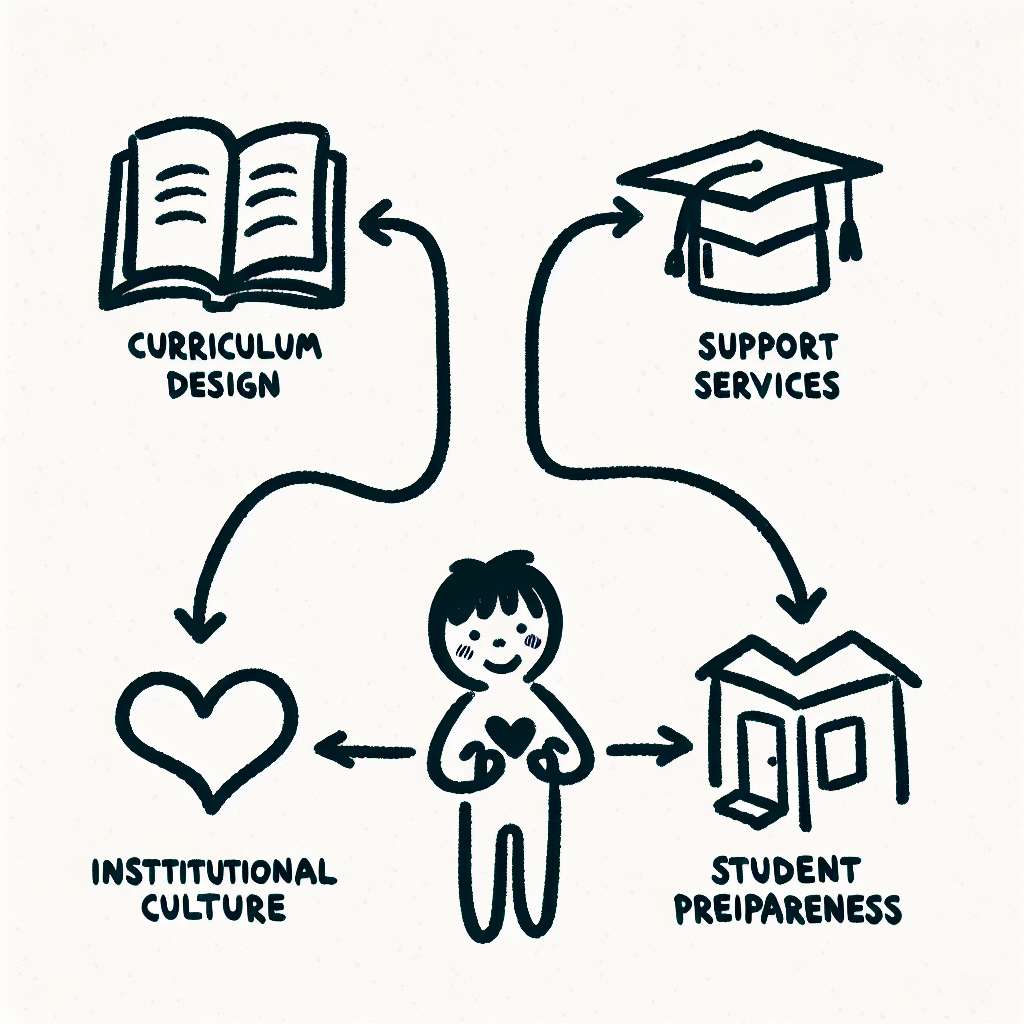
Career placement is a multifaceted outcome influenced by several key factors, including curriculum design, support services, institutional culture, and student preparedness. Schools with strong career placement consistently integrate these elements to create a cohesive strategy that supports students from enrollment through graduation and into the workforce.
A critical component of this success is the strategic alignment of educational programs with current labor market needs. By tailoring academic offerings to reflect industry demands, these institutions ensure that students possess the skills and knowledge employers seek. This alignment not only increases job placement rates but also helps graduates achieve long-term career growth and stability.
Ultimately, schools with strong career placement prioritize practical outcomes, leveraging data, industry partnerships, and targeted student services to bridge the gap between education and employment.
 SHARE ON FACEBOOK
 SHARE ON TWITTER