
Introduction
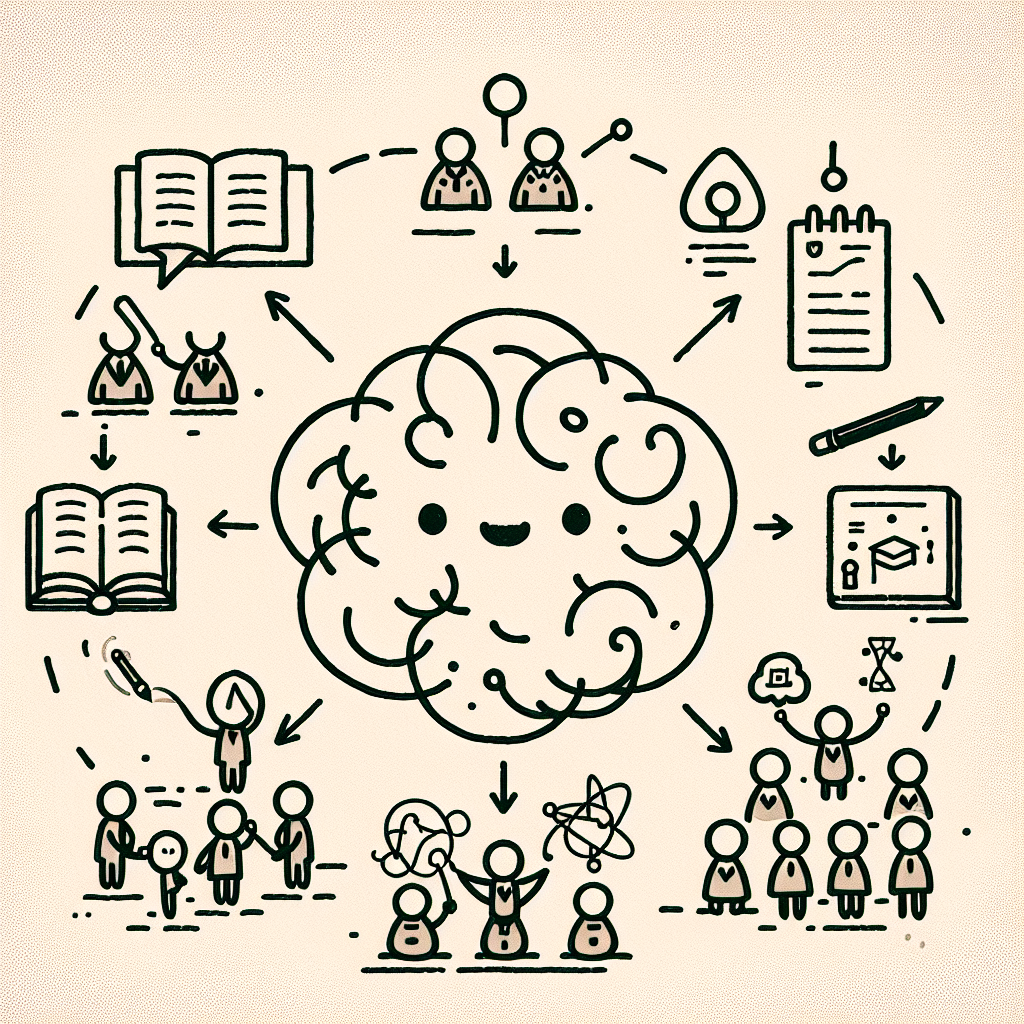
Academic cohort models refer to educational frameworks where students are grouped together in small, stable cohorts that progress through their studies together. This model fosters collaboration and builds a strong sense of community among students, which can enhance learning and academic performance.
The importance of cohort models in modern education cannot be overstated. They provide opportunities for peer support, facilitate deeper relationships with educators, and encourage accountability among students. By learning in a cohort, students are more likely to engage with their peers and participate actively in their education.
This article aims to explore schools with strong academic cohort models, highlighting their benefits, the implementation of these models, and case studies of successful programs. It will also discuss the challenges and considerations that schools may face when adopting cohort-based approaches.

Understanding Academic Cohort Models
What are Academic Cohort Models?
Academic cohort models are educational frameworks where students learn in a group or cohort over a specified period, often progressing through a curriculum together. This approach emphasizes collaborative learning, allowing students to build strong relationships with their peers and instructors. The concept originated in the early 20th century with progressive education movements that prioritized experiential learning and social interaction among students. Over time, cohort-based learning has evolved, adapting to various educational contexts and becoming increasingly popular in higher education, particularly in graduate programs.
Characteristics of Strong Academic Cohort Models
Strong academic cohort models are characterized by several key features:
- Small Class Sizes: Smaller cohorts enable more personalized attention from instructors and foster a supportive learning environment.
- Interdisciplinary Approach: These models often integrate multiple disciplines, encouraging students to draw connections between different fields of study.
- Faculty Involvement and Mentorship: Active participation from faculty members is crucial, as they not only impart knowledge but also mentor students throughout their educational journey.
- Peer-to-Peer Learning Environments: Strong academic cohort models promote collaboration among students, enhancing learning through discussions, group projects, and shared experiences.
The Benefits of Academic Cohort Models
Higher Retention Rates
Statistical evidence from the National Center for Education Statistics (NCES) indicates a 15% increase in first-year retention rates for cohort-based programs. This model not only helps in keeping students enrolled but also provides long-term retention benefits, ensuring students remain committed to their educational journeys.
Improved Academic Performance
Insights from University of California, Berkeley show that students participating in cohort models achieve higher GPAs compared to their peers in traditional academic structures. This improvement is attributed to the supportive network and collaborative environment fostered within cohorts.
Increased Student Engagement and Satisfaction
Findings from University of Washington highlight that students in cohort programs report higher levels of engagement and satisfaction. The collaborative learning experiences inherent in these models promote a sense of belonging and active participation, enhancing the overall educational experience.
Timely Graduation Rates
Insights from University of Michigan demonstrate that cohort students exhibit higher on-time graduation rates. The structured support and accountability provided by cohort experiences correlate strongly with academic success and timely completion of degrees.
Promoting Diversity and Inclusion
An analysis from University of Texas at Austin emphasizes the role of cohort models in fostering diverse academic environments. These models often provide significant benefits for underrepresented groups in higher education, promoting inclusivity and equitable access to academic resources.

Case Studies of Successful Academic Cohort Models
Overview of Notable Institutions
Several schools with strong academic cohort models have gained recognition for their innovative approaches to education. These institutions exemplify effective strategies that have led to impressive academic outcomes.
1. High Tech High (California)
High Tech High utilizes a project-based learning approach within its cohort model. Students work in teams on real-world projects, fostering collaboration and critical thinking. Key features include:
- Interdisciplinary Learning: Subjects are integrated, allowing students to see connections between disciplines.
- Personalized Learning: Students progress at their own pace within their cohorts, catering to individual learning styles.
2. Summit Public Schools (California)
Summit Public Schools implement a personalized learning model that emphasizes mentorship within cohorts. Their successes can be attributed to:
- Strong Support Systems: Each student is paired with a mentor who guides their academic journey.
- Data-Driven Instruction: Regular assessments inform instructional adjustments, ensuring students receive the support they need.
3. KIPP Schools (Nationwide)
KIPP Schools have established a rigorous academic environment through their cohort model. Key features of their success include:
- High Expectations: KIPP sets ambitious goals for students, fostering a culture of achievement.
- Extended Learning Time: Longer school days and years provide additional instructional time for students to master content.
Comparative Analysis
When evaluating the strengths and weaknesses of different cohort models, several lessons emerge from these schools with strong academic cohort models.
- Strengths:
- Enhanced Collaboration: Cohort models promote teamwork, leading to improved social skills and academic performance.
- Tailored Learning Experiences: Personalized approaches can address diverse learning needs, improving student engagement and achievement.
- Weaknesses:
- Resource Intensive: Successful implementation often requires significant resources, including trained staff and materials.
- Scalability Challenges: Some models may struggle to maintain quality as they expand to larger populations.
Lessons learned from various implementations highlight the importance of adaptability and ongoing assessment in cohort models. Schools must remain flexible in their approaches, continuously evaluating what works best for their students.

Challenges and Considerations
Potential Drawbacks of Cohort Models
While schools with strong academic cohort models offer numerous benefits, there are potential drawbacks to consider.
Limitations in Flexibility and Course Offerings
Cohort models may restrict students' ability to choose courses outside of their designated groups. This can limit exposure to diverse subjects and teaching styles, potentially hindering individual academic growth. Students may find themselves in a situation where their educational paths are overly structured, reducing opportunities for exploration and personalization of their learning experience.
Issues with Group Dynamics and Conflict Resolution
Group dynamics can pose challenges within cohort models. Conflicts may arise due to differing personalities, work ethics, or academic goals among cohort members. These conflicts can disrupt the learning environment and impact collaboration. Additionally, students who thrive in independent learning may feel constrained by the necessity to work closely with peers, leading to frustration and disengagement.
Strategies for Overcoming Challenges
To enhance the effectiveness of schools with strong academic cohort models, institutions can implement several strategies.
Recommendations for Institutions to Enhance Cohort Model Effectiveness
- Flexible Course Offerings: Schools should consider allowing students to select elective courses outside their cohort to foster a broader learning experience.
- Facilitated Conflict Resolution: Providing training for students on conflict resolution and communication can help manage and mitigate interpersonal issues within cohorts.
- Diverse Group Assignments: Mixing cohorts for specific projects can introduce students to different perspectives and working styles, enriching their collaborative skills.
Importance of Continuous Assessment and Adaptation
Continuous assessment of cohort dynamics and student satisfaction is crucial. Schools must regularly solicit feedback from students to identify areas for improvement and adapt their cohort models accordingly. This ongoing evaluation helps ensure that the cohort model remains effective and responsive to the needs of all students.

Conclusion
In summary, schools with strong academic cohort models offer several benefits, including enhanced collaboration among students, improved academic performance, and a supportive learning environment. These models foster a sense of community, allowing students to engage deeply with the material and with each other. However, challenges such as resource allocation, the need for trained educators, and the potential for group dynamics to hinder individual learning must be addressed.
Looking ahead, the future outlook for cohort-based learning in education is promising. As educational institutions increasingly recognize the value of collaborative learning, we can expect to see an expansion of cohort models. Innovations in technology and teaching methods will likely enhance these models, making them more accessible and effective for diverse student populations.
It is essential for educational institutions to adopt or improve their cohort models to ensure better student outcomes. By investing in these frameworks, schools can create a more engaging and effective educational experience that prepares students for success in their academic and professional lives.

References
- University of California, Berkeley – "The Impact of Learning Communities on Student Success"
- National Center for Education Statistics (NCES) – "First-Year Cohort Analysis"
- University of Washington – "Cohort-Based Learning and Student Engagement"
- University of Michigan – "Longitudinal Study on Cohort Learning Models"
- University of Texas at Austin – "The Role of Cohort Models in Enhancing Diversity and Inclusion"

 SHARE ON FACEBOOK
 SHARE ON TWITTER