Introduction
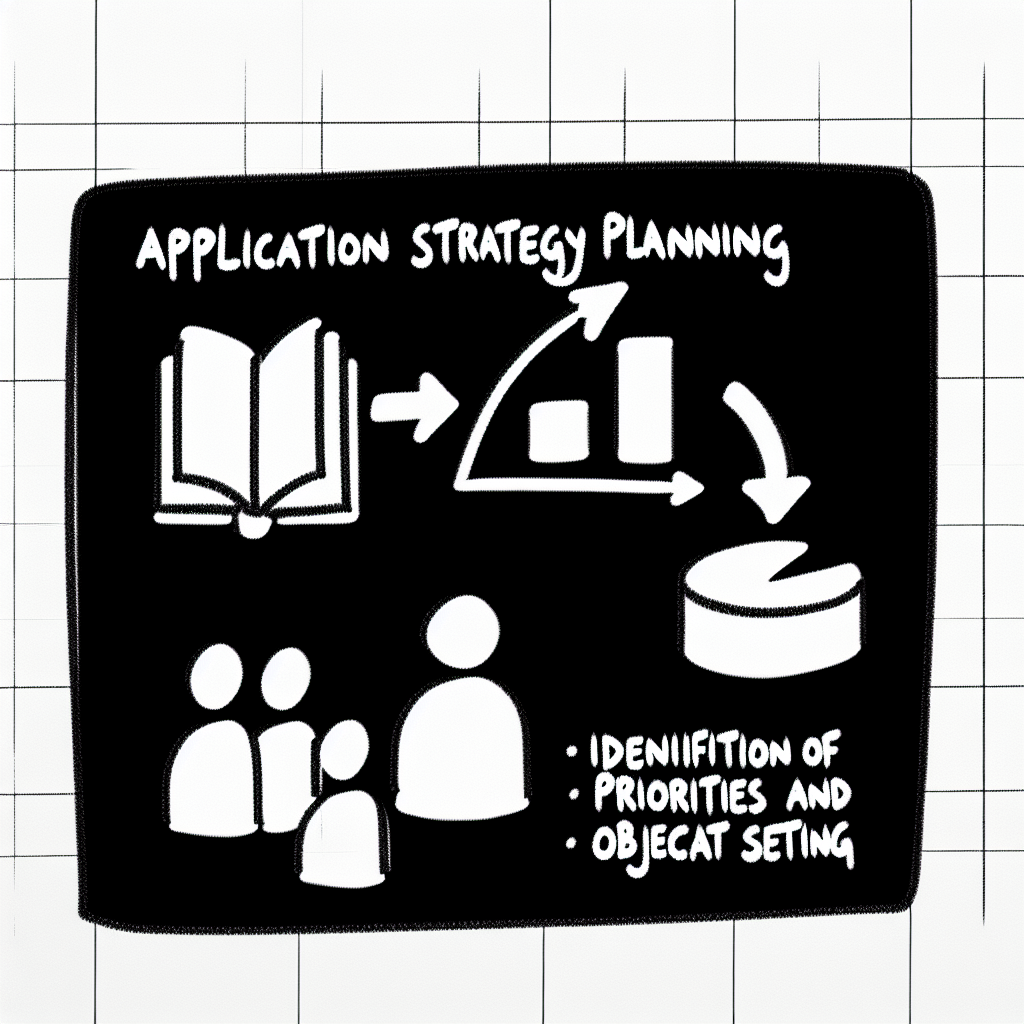
Application strategy planning is the structured process of aligning an institution’s mission and goals with practical, measurable actions designed to ensure long-term success. This involves identifying priorities, setting objectives, and implementing systems that support continuous improvement.
Strategic planning is essential for educational institutions because it provides a framework for navigating dynamic environments, whether responding to policy changes, adapting to shifting student needs, or managing limited resources. With a clear application strategy, institutions can allocate funding more effectively, track performance, and foster accountability.
This article explores the full scope of application strategy planning across different operational areas—ranging from learning centers to athletic departments and enrollment management. Each section will offer insights into how strategic planning principles are applied in these contexts to drive institutional effectiveness.
Foundations of Strategic Planning
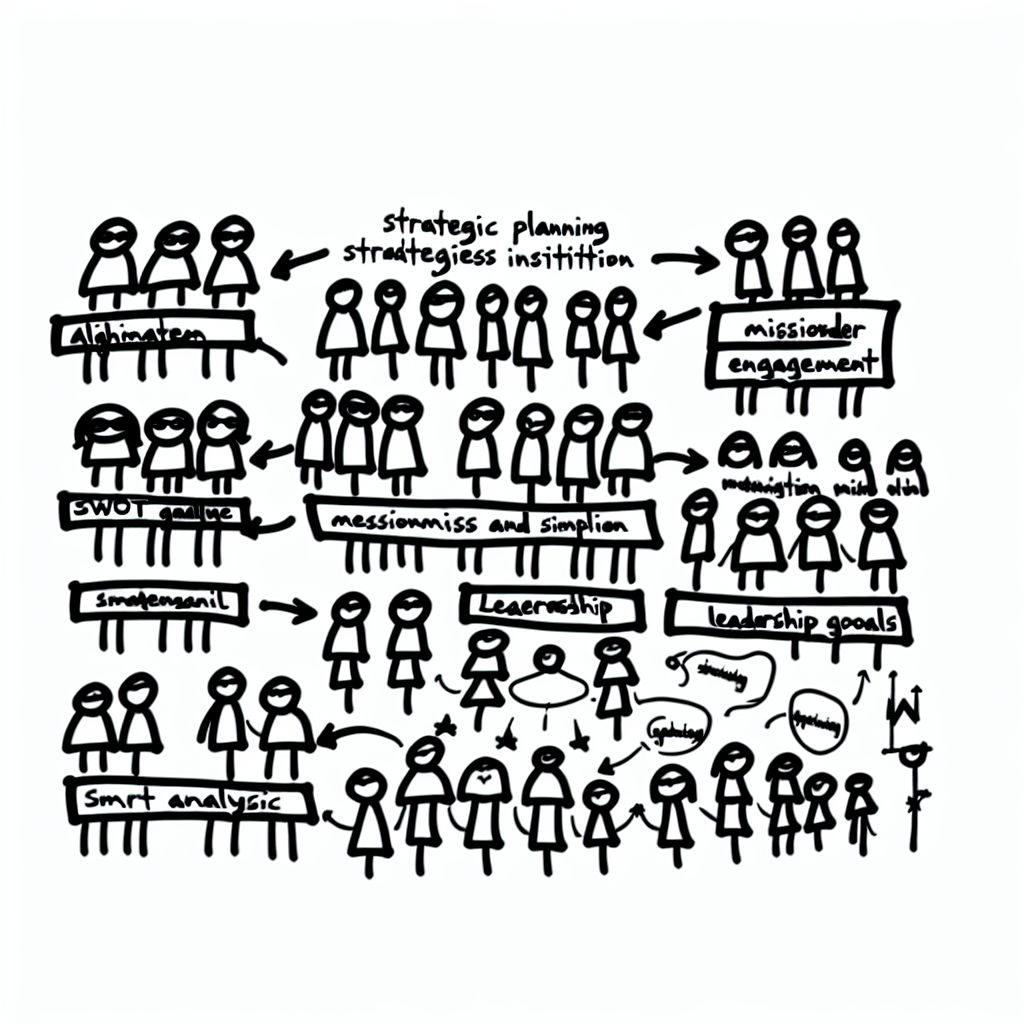
Effective application strategy planning begins with a strong foundation rooted in institutional mission and vision alignment. Strategic planning must reflect the core values and long-term aspirations of the institution to ensure consistency and purpose across all decisions and initiatives.
Stakeholder engagement is another critical element in the planning process. Faculty, students, administrators, and community members all bring unique perspectives that can inform more inclusive and responsive strategies. Their input helps ensure that the application strategy planning process is both comprehensive and relevant.
Leadership and governance structures play a crucial role in shaping and maintaining the strategic direction. Clear lines of responsibility and accountability support decision-making and foster a culture of transparency and trust throughout the institution.
Several core tools support application strategy planning. SWOT Analysis helps institutions assess internal strengths and weaknesses alongside external opportunities and threats (Fallon). This diagnostic approach offers a snapshot of current conditions and areas for improvement.
SMART Goals—Specific, Measurable, Achievable, Relevant, and Time-bound—are essential for translating strategic priorities into actionable objectives (Fallon). These goals provide clear benchmarks for evaluating progress and adjusting course.
Gap Analysis further supports application strategy planning by identifying discrepancies between current practices and desired outcomes. This insight helps institutions prioritize interventions and allocate resources effectively.
Strategic Mapping complements these tools by visually organizing goals, strategies, and performance metrics. This visualization enhances clarity and alignment across various planning components, reinforcing a cohesive and results-driven strategy.
Strategic Planning in Practice: Key Educational Contexts
Learning Centers
Application strategy planning in learning centers often focuses on balancing daily operational demands—such as managing tutoring programs, coordinating staff schedules, and delivering student services—with broader institutional goals. A long-term vision typically includes improving student success rates, boosting retention, and enhancing academic performance. To accomplish this, centers frequently use tools like SWOT analysis and SMART goal setting to align resources with objectives. For example, one study showed how a learning center applied these frameworks to systematically improve service delivery and outcomes (Fallon).
Athletic Departments
In athletic departments, application strategy planning must account for the dual priorities of competitive success and student-athlete development. These departments face unique challenges, including compliance with athletic regulations and maintaining academic standards. Strategic planning models vary widely across institutions, with some emphasizing performance metrics while others prioritize holistic development. Research has highlighted how aligning planning dimensions—such as resource allocation, coaching strategies, and facility management—with desired outcomes is essential for operational success (Starsia).
Enrollment Management
Strategic enrollment management (SEM) employs a cross-functional application strategy planning approach to attract and retain students. SEM integrates tools such as enrollment forecasting, financial aid optimization, targeted marketing, and student success initiatives. These strategies are often supported by practical planning worksheets and aids that help institutions model different scenarios and make data-informed decisions (Wilkinson et al.). The goal is to align institutional capacity with enrollment goals to sustain growth and academic quality.
School Districts and K-12 Institutions
Application strategy planning in K–12 settings typically involves district-wide strategic plans. Analysis of these plans reveals recurring patterns in mission statements, goal structures, and procedural guidelines. Key themes include the balance between broad and focused goals, the importance of procedural clarity, and active community involvement in planning processes. Successful districts benchmark their strategic outcomes by linking them to student learning metrics and performance indicators (Conley).
Developmental and Academic Writing Programs
In developmental and academic writing programs, application strategy planning is used to design and implement instructional frameworks that support skill development. Programs guided by strategic planning frameworks have demonstrated improved writing quality, increased student motivation, and better reading comprehension. Evidence from program evaluations shows that strategy-based interventions can significantly enhance academic performance in writing and related literacy areas (IES).

Balancing Immediate and Long-Term Needs
Effective application strategy planning requires a careful balance between addressing current operational demands and investing in future capabilities. This tension arises from the need to maintain business continuity and performance while also pursuing innovation and long-term growth.
Navigating Tensions Between Present Demands and Future Goals
One of the core challenges in application strategy planning is managing the trade-off between operational efficiency and innovation. Organizations often prioritize maintaining systems that support daily operations, which can limit the resources available for new technology initiatives. However, a strategy overly focused on the present can hinder adaptability and competitiveness in the long run.
Similarly, short-term metrics such as cost savings and performance benchmarks may conflict with long-term goals like digital transformation or scalability. While short-term wins are important for demonstrating progress and securing stakeholder buy-in, they should not come at the expense of foundational investments that yield future value.
Strategies for Integration
To align immediate and long-term needs, phased implementation plans can be highly effective. These plans allow organizations to roll out changes incrementally, ensuring that each phase delivers measurable value while building toward broader strategic objectives.
Regular review cycles are another critical component. By periodically evaluating the performance and alignment of application initiatives, organizations can make informed adjustments that keep both short-term and long-term priorities in focus.
Finally, incorporating feedback loops from stakeholders—including end users, IT teams, and business leaders—ensures that the application strategy remains relevant and responsive. Continuous input helps refine priorities and fosters alignment across departments, making it easier to navigate competing demands within a coherent planning framework.

Implementation Framework
An effective application strategy planning process relies on a structured implementation framework. This section outlines a practical, step-by-step guide to executing strategic plans and highlights useful tools and templates for consistent application.
Step-by-Step Guide to Executing Strategic Plans
- Environmental Scanning: Begin with a thorough internal and external assessment. Internally, review current capabilities, processes, and performance. Externally, analyze market trends, competitive positioning, and potential risks. This scanning helps ground application strategy planning in reality.
- Goal-Setting: Define clear objectives using the SMART (Specific, Measurable, Achievable, Relevant, Time-bound) criteria. This ensures goals are actionable and aligned with the broader mission of the organization.
- Action Planning: Translate strategic goals into specific actions. This involves defining tactics, establishing timelines, and assigning responsibilities. Action plans serve as the operational roadmap for application strategy planning.
- Resource Allocation: Allocate necessary resources, including budget and personnel. Effective application strategy planning requires balancing financial and human capital to support execution.
- Monitoring and Evaluation: Use key performance indicators (KPIs), dashboards, and progress reports to track execution. Monitoring ensures accountability and allows for course correction when needed.
- Continuous Improvement: Regularly review performance data and incorporate stakeholder feedback. Adapt plans based on findings to maintain relevance and effectiveness over time.
Tools and Templates
To support implementation, organizations can use a variety of tools and templates:
- Strategic Planning Checklists: Ensure all planning steps are followed systematically.
- Goal Alignment Matrices: Map individual or departmental goals to overall strategic objectives.
- Feedback and Reflection Forms: Gather insights from stakeholders to inform ongoing improvements in the application strategy planning process.

Measuring Impact and Success
A core component of effective application strategy planning is the ability to measure its impact and success. Institutions must identify and track key performance indicators (KPIs) to evaluate whether strategic goals are being met.
Key Performance Indicators (KPIs)
To assess the effectiveness of application strategy planning, institutions typically monitor several KPIs:
- Student performance, retention, and satisfaction: Metrics such as graduation rates, course completion rates, and survey feedback help determine whether students are achieving desired outcomes and remaining engaged.
- Staff engagement and productivity: Employee satisfaction surveys, turnover rates, and workload metrics provide insight into how well faculty and staff are supported and how efficiently they are working within the strategy framework.
- Financial sustainability: Budget adherence, revenue growth, and cost-effectiveness measures ensure that the strategy supports long-term financial health.
Reporting Results
Effectively communicating outcomes is essential to maintaining transparency and accountability in application strategy planning. Institutions typically report results through:
- Internal dashboards: Real-time analytics platforms that allow leadership to monitor KPIs and respond quickly to issues.
- Public-facing progress reports: Regular updates shared with stakeholders such as students, parents, and community members to demonstrate progress and alignment with institutional goals.
- Accreditation and compliance documentation: Formal reports submitted to accrediting bodies and regulatory agencies to confirm adherence to required standards and demonstrate the success of strategic initiatives.
By systematically measuring and reporting on these areas, organizations can continuously refine their application strategy planning and ensure alignment with their mission and goals.

Challenges and Solutions
Effective application strategy planning often encounters several common challenges that can hinder progress if not addressed.
Common Pitfalls
One major issue is a lack of buy-in from key stakeholders. Without commitment from leadership or team members, even the most well-designed plans can fail to launch. Inconsistent follow-through is another problem, where initial enthusiasm fades and strategic efforts lose momentum. Additionally, poor communication can result in misunderstandings, misaligned goals, and duplicated efforts, undermining the entire planning process.
Overcoming Barriers
To overcome these obstacles, organizations should focus on building a shared vision. When everyone understands the goals and their role in achieving them, engagement and accountability increase. Providing training and professional development is also essential to equip teams with the skills needed to implement the strategy effectively. Lastly, celebrating small wins helps maintain morale and reinforces progress, encouraging continued commitment to the application strategy planning process.

Conclusion
Strategic planning plays a critical role in application strategy planning by providing a structured framework that guides decision-making and resource allocation. It serves as a foundational tool for institutional transformation, enabling educational institutions to adapt to change, align goals, and drive meaningful outcomes. Whether addressing shifting enrollment patterns or integrating new technologies, strategic planning helps organizations stay focused and responsive.
To foster resilience, innovation, and long-term success, institutions must embrace structured application strategy planning. By doing so, they position themselves to meet emerging challenges effectively while paving the way for sustainable growth and improvement.

References
- Fallon, D. (2023). Applying Strategic Planning to College Learning Center Management. ERIC.
- Starsia, G. (2011). Strategic Planning in Higher Education: NCAA Athletic Departments. ERIC.
- Wilkinson, R., Taylor, M., & Peterson, J. (2007). A Practical Guide to Strategic Enrollment Management Planning. ERIC.
- Conley, D. T. (1993). Strategic Planning in Practice: An Analysis of Purposes, Goals, and Procedures. ERIC.
- Institute of Education Sciences (IES). (2021). Supporting Strategic Writers: Effects of an Innovative Developmental Writing Program.
 SHARE ON FACEBOOK
 SHARE ON TWITTER