
Why Strong Teacher Recommendations Matter
When learning how to get strong teacher recommendations, it's essential to understand why they are so important. These letters offer a unique perspective on your academic strengths and personal qualities that grades and test scores alone cannot convey. A well-written recommendation can highlight how you engage with material, collaborate with peers, and respond to challenges—insights that help admissions officers see the full picture.
Strong teacher recommendations also provide context for your contributions in the classroom. Whether you lead discussions, support classmates, or demonstrate resilience, these behaviors are often visible only to your teachers. Their observations can showcase your potential to thrive in a college environment.
In competitive admissions processes, where many applicants have similar academic records, a compelling teacher recommendation can make a crucial difference. It has the power to tip the scales in your favor by offering a personalized endorsement that sets you apart from others.

📅 Plan Ahead: Timing Is Everything
When to Ask
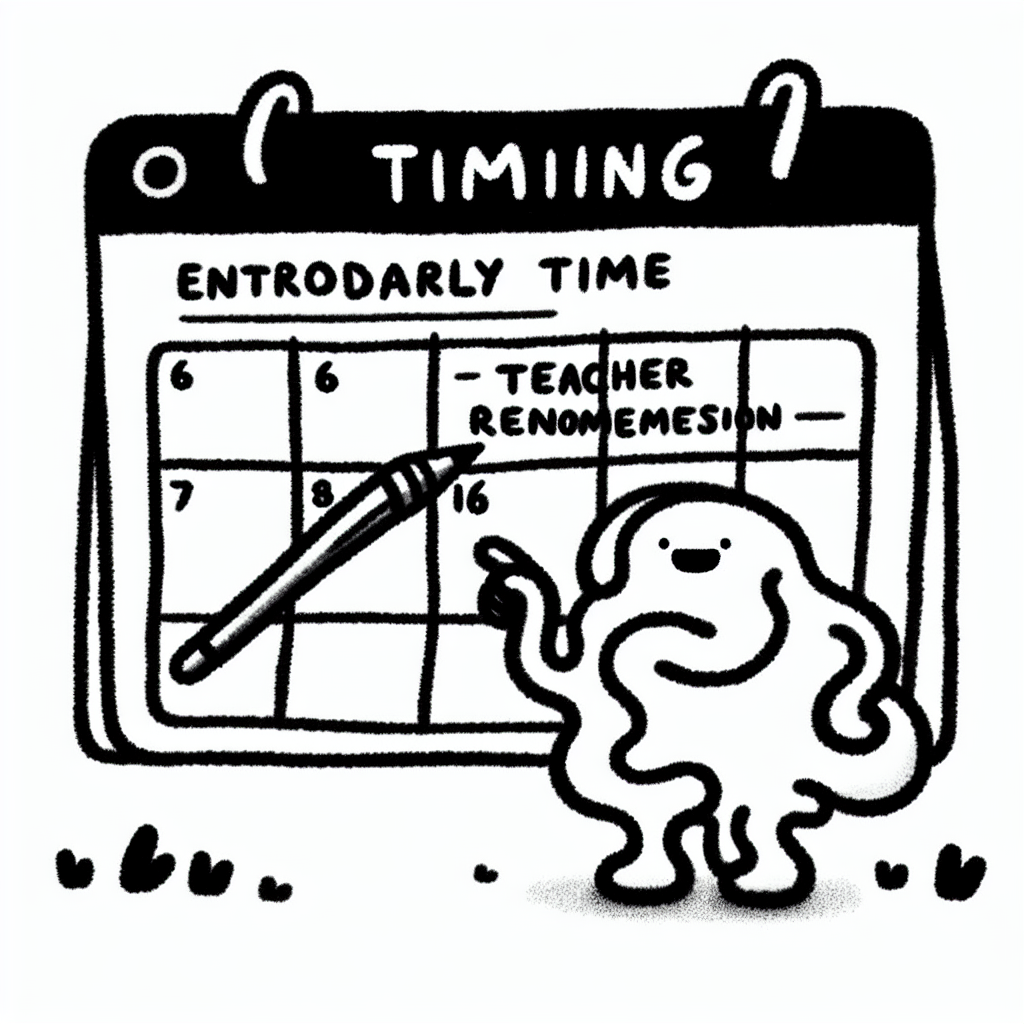
Knowing when to ask is crucial when learning how to get strong teacher recommendations. Experts recommend requesting letters of recommendation 6–8 weeks before your application deadlines (Harvard Summer School). Ideally, you should make your requests before the summer break of your senior year (Rice University). This ensures your teachers have plenty of availability before the school year becomes too busy.
Why Early Requests Matter
Requesting letters early helps teachers craft thoughtful and personalized recommendations. It also increases the likelihood that they will agree to write one for you, rather than being overwhelmed with last-minute requests from multiple students. Planning ahead helps you avoid the stress of competing with others and gives your recommenders the time they need to write strong letters—an essential part of how to get strong teacher recommendations.
Choosing the Right Recommenders
When figuring out how to get strong teacher recommendations, the first step is selecting the right people to write them. Admissions officers value insight from teachers who can speak to your academic performance and character in a meaningful way.
Ideal Teachers to Choose
Strong teacher recommendations typically come from teachers of core academic subjects—math, science, English, history, or languages (Yale University). These subjects are central to your overall academic profile and are often most familiar to admissions committees. It's ideal to choose teachers who taught you during 11th or 12th grade, as they can provide the most recent and relevant perspective on your abilities and classroom contributions (Rice University). Additionally, the teacher should have taught you in a credit-bearing course, as this ensures they’ve evaluated your performance in a formal academic setting (Yale University).
Qualities to Look For in a Recommender
The best recommenders know you both personally and academically. They should be able to describe specific examples of your work ethic, intellectual curiosity, and character. A teacher who has seen you grow over time or take on leadership roles is especially valuable. These qualities help colleges understand who you are beyond grades and test scores, making your recommendation stand out.

Prepare Your Recommenders: Make It Easy for Them
One of the most effective strategies in learning how to get strong teacher recommendations is to set your recommenders up for success. Teachers are often busy, and the more you do to streamline the process, the better the outcome.
Provide Comprehensive Materials
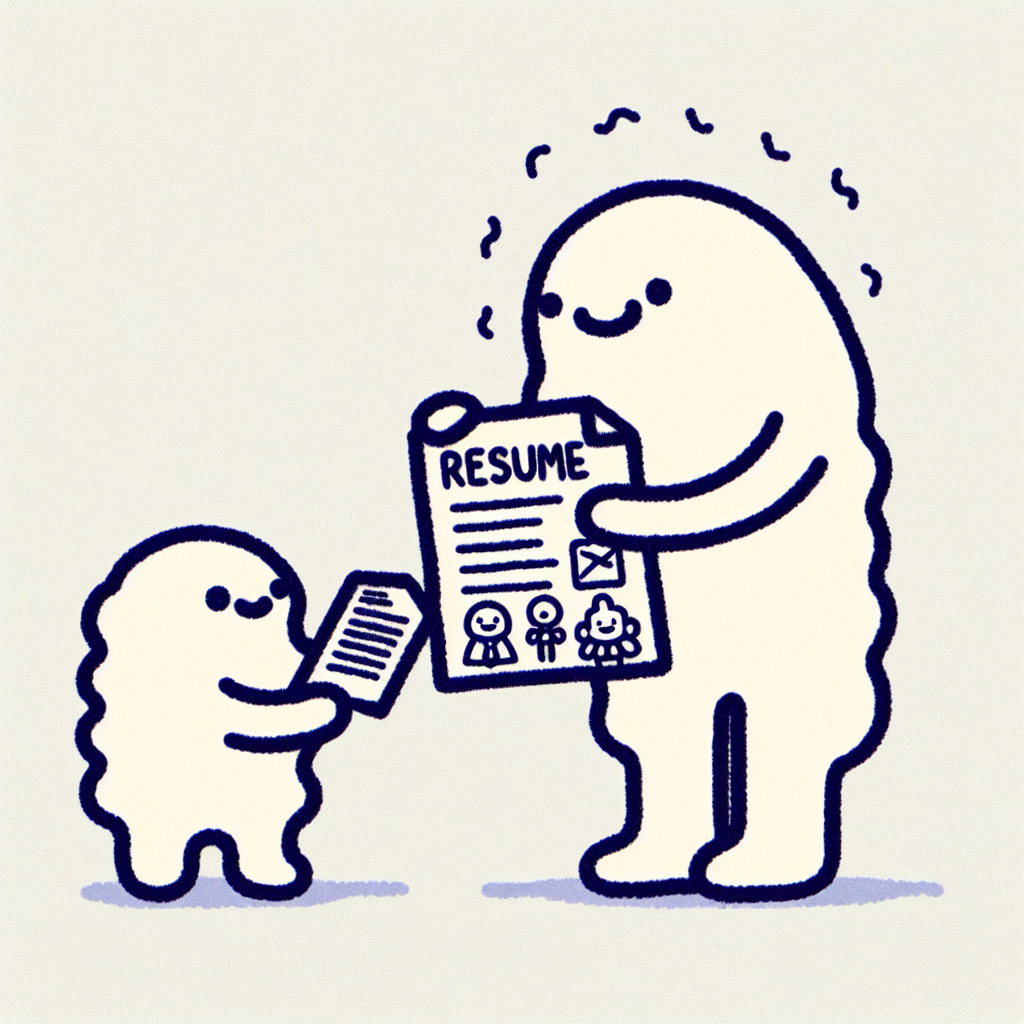
Start by giving your teacher a complete "brag sheet." This document should include your academic accomplishments, extracurricular involvements, leadership roles, and any awards or recognitions you've received. Add specific anecdotes or notable moments that occurred in their class—these help make your letter more personal and concrete. Include your career or college goals to give context to your application and help the teacher align their letter with your aspirations (Harvard Summer School).
Additionally, provide a copy of your resume and transcript so your teacher can see your coursework and overall academic path (Stanford University). Including your personal statement or college essay can also help them understand your voice and goals, enabling them to write a more cohesive and supporting letter.
Finally, make sure to clearly communicate all deadlines and submission instructions. Let them know how and where to send the letter, and provide this information in writing so nothing gets lost.
Tailor the Ask
When requesting a letter, be specific about what qualities or experiences you’d like them to highlight. For example, if you're applying to a STEM program, ask them to emphasize your analytical thinking. If you're applying to a liberal arts college, they might focus on your collaborative spirit or passion for the subject matter (University of Washington Tacoma). This guidance helps the teacher craft a recommendation that aligns with your goals and the values of the institutions you're applying to.
How to Make the Ask
Requesting in Person (Preferred)
When thinking about how to get strong teacher recommendations, asking in person is usually the best approach. Schedule a short meeting or visit your teacher during office hours so you can have a focused conversation. Make sure to be respectful and professional—dress neatly, make eye contact, and thank them for their time.
Explain clearly why you’re asking them specifically. Maybe you enjoyed their class or felt that you grew a lot under their instruction. Letting them know why you value their recommendation helps make your request more personal and sincere.
Writing a Follow-Up Email
After asking in person, follow up with an email to confirm your request. Recap your conversation and attach any relevant materials they might need, such as your resume, transcript, or a list of schools you're applying to. Be sure to include deadlines and submission instructions so they have all the necessary information.
End your email by thanking them again for supporting you. A thoughtful follow-up can make it easier for your teacher to write a strong, personalized recommendation, which is essential when learning how to get strong teacher recommendations.

Strengthen Your Case: Build Relationships Early
When thinking about how to get strong teacher recommendations, one of the most effective strategies is to start building relationships with teachers as early as 9th and 10th grade. These early connections give teachers time to get to know you not just as a student, but as a person.
Participate actively in class discussions and group work. Showing consistent effort and interest helps teachers see your dedication. Don’t hesitate to ask thoughtful questions or share insights that show your engagement with the course material.
Take advantage of office hours or visit teachers after school. These one-on-one conversations provide opportunities to deepen your relationship beyond the classroom and allow teachers to understand your goals and academic journey.
According to Stanford University, strong letters of recommendation often come from teachers who can speak to a student’s intellectual curiosity and character. Building these relationships early gives teachers the context they need to write detailed and supportive recommendations.

Stay Engaged: Follow Up and Show Gratitude
Once a teacher agrees to write a recommendation, your communication shouldn’t stop there. Staying engaged shows professionalism and appreciation, both of which can leave a lasting impression.
Send Reminders
A polite reminder is essential to help your recommender stay on track. Reach out 1–2 weeks before the deadline to gently confirm that everything is on schedule. This is a respectful way to ensure your application stays on track without putting unnecessary pressure on your teacher (University of Washington Tacoma).
Thank Your Recommenders
After your teacher submits the recommendation, express your gratitude. A handwritten note or a thoughtful email goes a long way. Let them know the outcome of your application—whether you got into a program, received a scholarship, or met another goal. Keeping them informed not only shows appreciation but also helps maintain the relationship for future opportunities. This is a key part of learning how to get strong teacher recommendations.

🚫 Common Mistakes to Avoid
When learning how to get strong teacher recommendations, it's just as important to understand what not to do. Avoiding common mistakes can greatly improve the quality and impact of your recommendation letters.
Asking Too Late or Too Close to Deadlines
One of the biggest errors students make is waiting until the last minute to request a recommendation. Teachers have busy schedules, and writing a thoughtful, personalized letter takes time. Asking too close to a deadline can result in a rushed letter or even a declined request.
Choosing a Teacher Who Doesn’t Know You Well
Another common mistake is selecting a teacher simply because they teach a core subject or are known for writing strong letters. If the teacher doesn’t know you personally—your work ethic, character, or growth—they may only be able to provide a generic recommendation, which won’t help your application stand out.
Not Providing Enough Information for a Personalized Letter
Teachers can write stronger letters when they have context. Failing to supply them with a resume, personal statement, or a brief summary of your goals and accomplishments makes it harder for them to write specifically about you. The more details you provide, the more compelling their letter can be.
Failing to Follow Up or Thank the Recommender
Once a teacher agrees to write a recommendation, it’s important to stay in touch. Politely remind them of deadlines and confirm submission. Afterward, always thank them—either with a handwritten note or a sincere email. Neglecting this step can damage your relationship and reflect poorly on your professionalism.

✅ Final Checklist: The Recommendation Letter Toolkit
When learning how to get strong teacher recommendations, organization and preparation are key. This final checklist helps ensure you've covered every essential step:
- Identify 2–3 strong potential recommenders
Choose teachers who know you well and can speak to your academic strengths, character, and growth. Ideally, select instructors from core subjects who taught you in your junior or senior year. - Ask at least 6 weeks before your earliest deadline
Give your recommenders ample time to write a thoughtful letter. Early requests also show respect for their time and increase the likelihood of receiving a strong, personalized letter. - Prepare and share your brag sheet, resume, and deadlines
Provide a concise document that outlines your accomplishments, goals, and the deadlines for each school. This helps recommenders tailor their letters to highlight your most relevant qualities. - Follow up with reminders and thank-yous
A gentle reminder before the deadline helps ensure submission. Afterward, always express gratitude with a thank-you note—whether handwritten or digital. - Track submissions to ensure completion
Monitor application portals to confirm that letters have been received. Follow up if any are missing as deadlines approach.
📚 Resources for Further Reading
- Harvard Summer School: How to Ask for a Letter of Recommendation
- Rice University: Navigating Recommendation Letters
- Stanford University: Asking for Letters of Recommendation
- University of Washington Tacoma: Strong Letters of Recommendation in a FLASH
- Yale University: Who Should Write My Teacher Recommendations?
With careful planning, strong relationships, and thoughtful communication, you can secure powerful teacher recommendations that elevate your college applications.

 SHARE ON FACEBOOK
 SHARE ON TWITTER