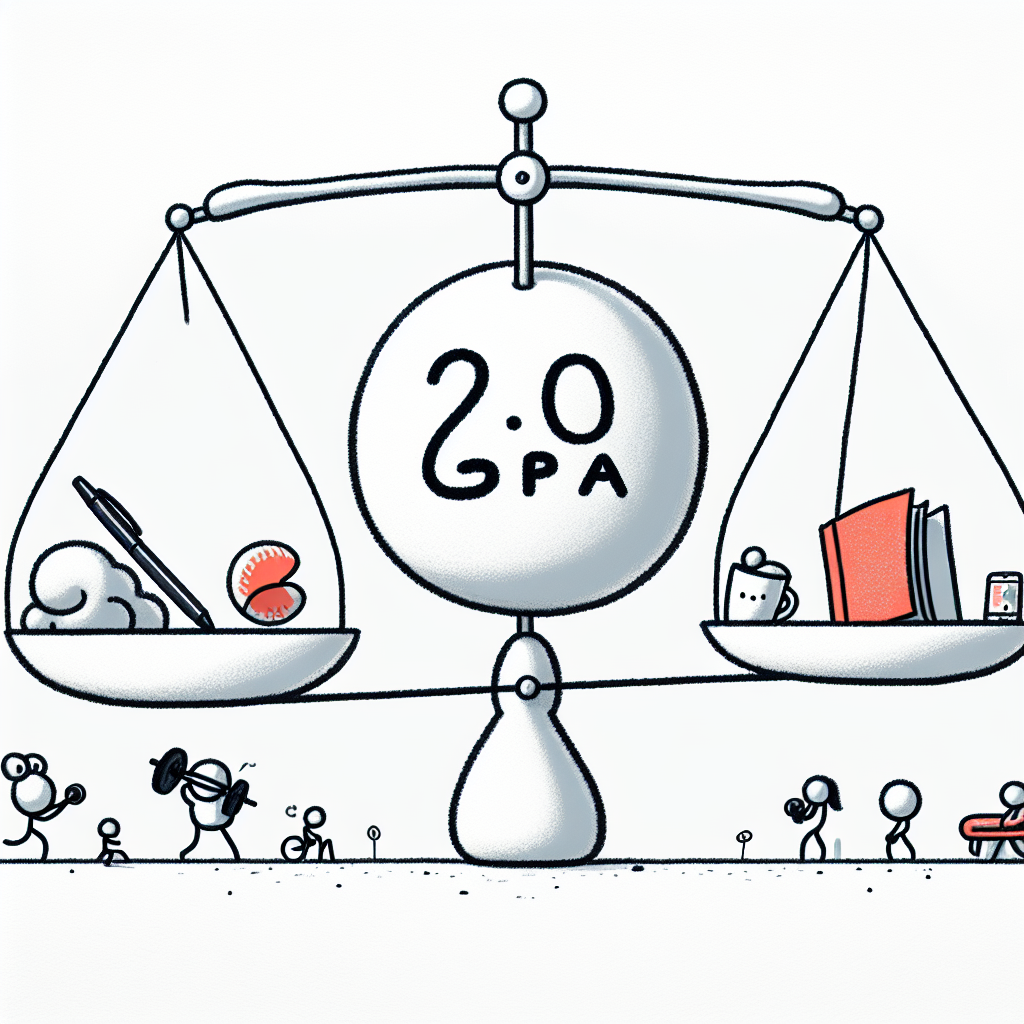
Overview of Princeton University’s Admissions Process
Princeton University, founded in 1746, is one of the oldest and most prestigious universities in the United States. Known for its rigorous academic standards and commitment to undergraduate education, Princeton has consistently ranked among the top universities globally. The significance of the admissions process at Princeton lies in its ability to shape a diverse and talented community of scholars. The university seeks to admit students who not only excel academically but also contribute to a vibrant campus life.
Importance of GPA in Admissions
GPA serves as a crucial academic metric in the admissions process at Princeton. It provides a standardized measure of a student's academic performance throughout high school, allowing admissions officers to assess a candidate’s readiness for the rigors of college-level work. While GPA is an important factor, it is not the sole criterion for admission. Other elements, such as standardized test scores, extracurricular activities, and personal essays, also play significant roles in shaping the admissions decisions. This holistic approach ensures that Princeton evaluates applicants comprehensively, considering both their academic achievements and personal qualities.

Understanding GPA Trends at Elite Institutions
Typical GPA Ranges for Admitted Students
When considering the question, Can You Get Into Princeton With a 2.0 GPA?, it's essential to look at the typical GPA ranges for admitted students. For the most recent admissions cycle, the average GPA of successful applicants to Princeton hovered around 3.9 on a 4.0 scale. This reflects the competitive nature of admissions at elite institutions. In comparison, other Ivy League schools such as Harvard and Yale also report similar average GPAs, typically ranging from 3.8 to 4.0. This data underscores the challenge a student with a 2.0 GPA would face when applying to Princeton or any Ivy League institution.
Factors Influencing GPA
Several factors can influence GPA, particularly when evaluating students from different high schools. Grading standards vary significantly across institutions, which means that a 2.0 GPA at one school may not directly equate to the same academic performance at another. Furthermore, the impact of Advanced Placement (AP) and International Baccalaureate (IB) courses on GPA cannot be overlooked. These rigorous courses often carry a higher weight in GPA calculations, allowing students to achieve a GPA above 4.0 in some cases. For students aiming for elite schools like Princeton, engaging in AP or IB courses may be a critical component in bolstering their academic profile and improving their chances of admission.

Admission Statistics | Princeton Admission
Detailed statistics for the enrolled Class of 2029 indicate that Princeton University continues to maintain a highly selective admissions process. The overall acceptance rate for this class was approximately 3.98%, reflecting the competitive nature of gaining admission.
Demographic Information
The demographic breakdown of the Class of 2029 includes a diverse mix of students from various backgrounds. Notably, around 50% of the enrolled students identify as students of color, showcasing Princeton's commitment to enhancing diversity within its student body.
Additionally, a significant portion of the incoming class comes from public high schools, with about 60% reporting such educational backgrounds. This statistic illustrates the university’s outreach and support for students from different secondary school types.
For more detailed statistics, visit Princeton Admission Statistics.
University Enrollment Statistics | Office of the Registrar
Princeton's student body composition is further detailed in the university's enrollment statistics. As of the latest data, the institution boasts a diverse community, with a retention rate of 98% for first-year students, indicating strong student satisfaction and support. The graduation rate stands impressively at approximately 95%, underscoring the university's commitment to student success.
To explore these statistics, refer to the Office of the Registrar.
Facts & Figures | Princeton University
Comprehensive data about faculty and student demographics reveal that Princeton employs a faculty-to-student ratio of 1:5, allowing for personalized learning experiences. Additionally, approximately 62% of students receive some form of financial aid, indicating Princeton's commitment to making education accessible.
For more in-depth facts and figures, check Princeton University Facts & Figures.
Admission and Costs | A Princeton Profile
An overview of undergraduate admission statistics reveals that prospective applicants should be aware of important deadlines, with the regular decision application due by January 1. Financial aid information suggests that Princeton meets 100% of demonstrated financial need, making it a viable option for students concerned about costs.
For further details, visit A Princeton Profile.
Apply | Princeton Admission
The application process is detailed on Princeton's admission website, providing prospective students with important information about deadlines and tips for submitting a strong application.
For specific application guidelines, refer to Princeton Admission.

Implications of a 2.0 GPA on Admissions
The Realities of a Low GPA
A 2.0 GPA is significantly below the average admitted GPA at Princeton, which typically hovers around 3.9 for accepted students. This stark contrast highlights the challenges faced by applicants with a low GPA. Admissions committees at Princeton consider GPA as a critical factor, as it reflects a student's academic performance and readiness for a rigorous academic environment. A low GPA can severely undermine an applicant's chances of acceptance, as it is often seen as an indicator of potential struggle in Princeton's demanding curriculum.
Holistic Admissions Review
Princeton employs a holistic admissions process, meaning that they review each application in its entirety rather than focusing solely on GPA and standardized test scores. This approach allows for consideration of other elements, such as personal essays, letters of recommendation, extracurricular activities, and unique personal circumstances. For applicants with a 2.0 GPA, strong performance in these areas can help mitigate the impact of a low GPA. Demonstrating exceptional leadership skills, overcoming significant challenges, or showcasing a strong passion for a field of study can strengthen an application and provide a more rounded picture of the candidate beyond just their GPA.

Conclusion
Summary of Insights
Princeton University is known for its highly competitive admissions process. Typically, successful applicants present GPAs significantly higher than a 2.0, often in the range of 3.5 to 4.0. This indicates that while a 2.0 GPA may not meet the general expectations, it does not entirely rule out the possibility of admission. A well-rounded application that highlights a candidate's unique qualities can sometimes compensate for a lower GPA.
Final Thoughts on Admissions Strategies
For prospective students with lower GPAs, it’s crucial to enhance other areas of the application. Focusing on leadership roles, community service, and crafting compelling personal statements can help showcase strengths beyond academic performance. Engaging in meaningful extracurricular activities or demonstrating a commitment to personal growth can also make a difference in the overall assessment by admissions committees.

 SHARE ON FACEBOOK
 SHARE ON TWITTER