Introduction
Building a strong student resume is an essential step in preparing for college applications, internships, and entry-level job opportunities. A well-crafted résumé allows students to showcase their academic achievements, extracurricular activities, and relevant skills in a clear and professional format. It serves as a first impression for potential employers or admissions officers and can significantly influence their decision-making.
However, many students face challenges when creating their first résumé. These include limited work experience, uncertainty about what to include, and difficulty presenting their accomplishments effectively. Without guidance, students may struggle to organize information or choose the right format to highlight their strengths.
This guide will walk students through the process of building a strong student resume. It will cover key components such as formatting, selecting relevant content, and tailoring the résumé for specific opportunities. By following this step-by-step approach, students can develop a résumé that clearly communicates their potential and sets them apart from the competition.

Understanding the Purpose of a Student Résumé
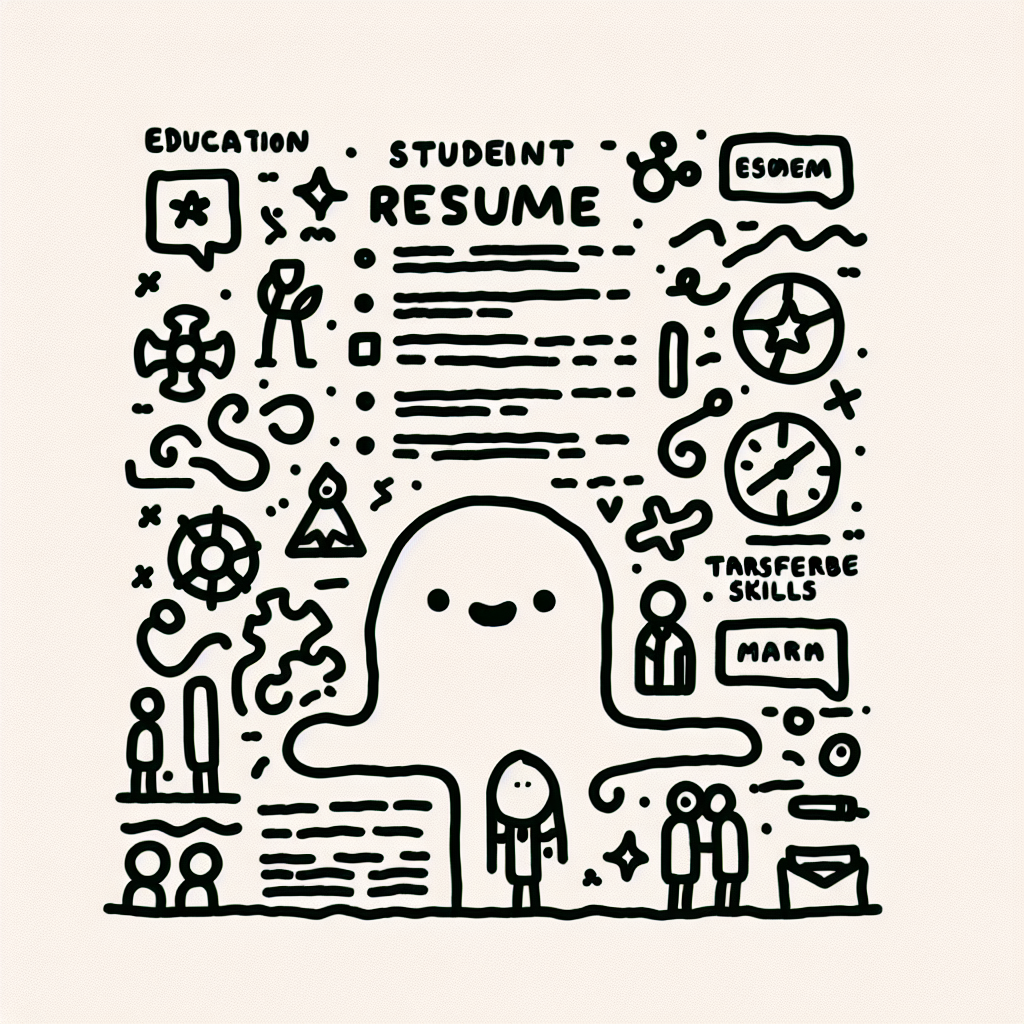
A student résumé is a key tool for building a strong student resume that communicates potential and readiness for professional environments. Even without extensive work history, students can use their résumés to highlight qualities that employers and internship coordinators value, such as initiative, responsibility, and a willingness to learn.
One of the primary functions of a student résumé is showcasing transferable skills and educational achievements. Coursework, group projects, volunteer work, and extracurricular activities often involve communication, problem-solving, teamwork, and time management—skills that apply directly to many job roles. Listing these experiences in a clear format allows students to demonstrate competence, even in the absence of formal employment.
Additionally, a well-structured student résumé helps demonstrate alignment with job or internship requirements. By tailoring the résumé to match the specific skills and qualifications listed in a job description, students can show that they understand the role and are prepared to contribute. This alignment is essential for making a strong first impression and improving the likelihood of being selected for interviews.
In summary, building a strong student resume involves more than listing experiences—it requires communicating readiness, showcasing relevant skills, and aligning with the expectations of potential employers.
Step 1: Tailoring Your Résumé for Success
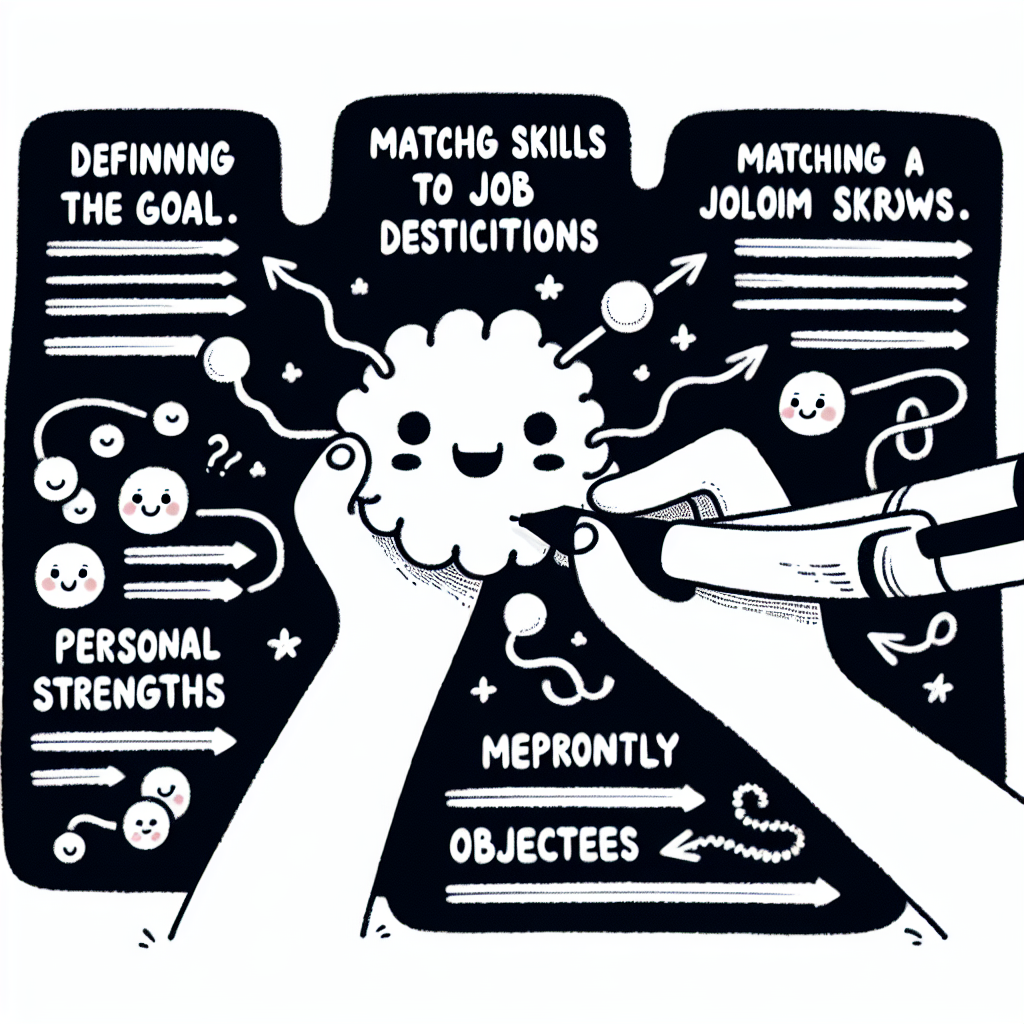
To begin building a strong student resume, it's essential to tailor your résumé to the specific opportunity you’re pursuing.
Identify the Goal of the Résumé
Start by clearly understanding the purpose of your résumé. Are you applying for an internship, part-time job, volunteer role, scholarship, or graduate school? Defining the goal will help shape what information you include and how you present it.
Study the Job Description or Opportunity Requirements
Carefully read the job description or program requirements. Look for keywords and required skills that stand out, and be sure to use those same terms in your résumé where applicable. This approach helps your résumé get past applicant tracking systems and shows that you understand what the opportunity demands (University of California, Santa Cruz).
Highlight Your Unique Strengths
Showcase your academic performance, leadership abilities, creativity, and adaptability. Whether it’s excelling in a particular subject, leading a student organization, or adapting to new environments, these qualities help distinguish you. Include relevant extracurricular or volunteer experiences that demonstrate these strengths in action.
Align with Career Goals
Finally, make sure your résumé reflects your long-term career objectives. Highlight how the opportunity you’re applying for fits into your broader professional aspirations. This alignment makes your application more compelling and purposeful.
Step 2: Structuring Your Résumé Effectively
A critical part of building a strong student resume is organizing your content clearly and strategically. Each section should highlight your qualifications and make it easy for employers to assess your strengths.
Contact Information
At the top of your resume, include your full name, phone number, university email address, and optionally, a LinkedIn profile if it's updated and professional.
Career Objective or Profile Summary
Write a brief, tailored statement that outlines your career goals and how they align with the position you're applying for. This section should be concise and specific, offering a snapshot of your aspirations and qualifications (Angelo State University).
Education
List your university name, degree program, expected graduation date, and GPA if it's strong. You can also mention relevant coursework, academic honors, or study abroad experiences. This helps demonstrate your academic background and areas of focus (Purdue University).
Experience
Include any internships, part-time jobs, volunteer work, or leadership roles in campus organizations. Use strong action verbs and quantify your accomplishments where possible to show impact. For example, "Led a team of 5 to organize a campus-wide event with 200+ attendees" (University of California, Santa Cruz).
Skills
List technical skills such as software knowledge, tools, or programming languages. Language proficiency and soft skills like communication or teamwork can also be included. Highlight any certifications or relevant training you’ve completed (Sacred Heart University).
Optional Sections
Depending on your background, you may want to add:
- Projects: Include academic or personal projects that showcase relevant abilities.
- Leadership & Extracurriculars: Mention roles in clubs, sports teams, or student government.
- Honors & Awards: List scholarships, academic competitions, or dean’s list recognitions.
- Community Involvement: Highlight volunteer work or service-learning experiences.
These additional sections can provide a fuller picture of your capabilities and commitment, reinforcing the strength of your student resume.

Step 3: Gaining and Showcasing Relevant Experience
Internships and Part-Time Jobs
When building a strong student resume, gaining real-world experience is essential. Seek internships or part-time jobs that align with your career goals. These roles help you apply classroom knowledge in practical settings and demonstrate your commitment to the field. Be proactive—research opportunities early, tailor your applications, and use networking events or campus resources to connect with potential employers.
Campus Involvement
Participating in student organizations or professional associations shows initiative and a willingness to engage beyond academics. Choose groups related to your career path or personal interests. Taking on leadership roles within these organizations helps you build skills in responsibility, communication, and teamwork. These experiences can be valuable talking points in interviews and should be clearly listed on your resume (Sacred Heart University).
Certifications and Courses
Certifications and specialized courses can reinforce your qualifications. Look for online programs or school-sponsored options in areas like Google Analytics, Microsoft Office, or CPR training. These credentials enhance your resume and can be listed in the Skills or Education section to show your initiative in continuing education and skill development.

Step 4: Writing Tips for a Polished Résumé
Use Action-Oriented Language
Start each bullet point with a strong action verb to clearly convey what you accomplished. Words like "led," "developed," "organized," or "implemented" show initiative and impact, making your contributions more compelling to potential employers.
Be Concise and Clear
A strong student résumé should typically be one page long, especially if you have limited experience. Use clear, direct language and avoid unnecessary jargon. Maintain consistent formatting, such as font type and size, bullet styles, and spacing, to present a professional appearance.
Quantify Where Possible
Use numbers to demonstrate the results of your efforts. For example, instead of saying “helped organize events,” write “organized three fundraising events that raised over $2,000.” Quantifying achievements helps recruiters quickly see the value you bring.
Customize for Each Application
Tailor your résumé to each opportunity by adjusting your objective, skills, and experience to align with the specific role or organization. Highlight the most relevant experiences that match the position. According to the University of California, Santa Cruz, customizing your résumé for each job application increases your chances of making a strong impression.

Step 5: Résumé Tips for Specific Career Paths
Education, Nonprofit, and Social Impact Roles
When building a strong student resume for roles in education, nonprofit, or social impact fields, it's essential to demonstrate alignment with the organization's mission. Clearly express your passion for societal change through your objective or summary statement. Highlight any teaching, volunteer, or advocacy experiences, and quantify your impact where possible. For example, include roles in community outreach, tutoring, or student-led initiatives. Tufts University recommends showcasing a commitment to service and the ability to work with diverse populations (Tufts University).
STEM and Technical Fields
In STEM and technical fields, a strong student resume should emphasize specific technical skills and proficiencies. List programming languages, software tools, and laboratory techniques relevant to the role. Include academic projects, research experience, and capstone work that demonstrate problem-solving and technical aptitude. Certifications and participation in hackathons or technical competitions can also strengthen your resume.
Business and Finance
For careers in business and finance, focus on showcasing analytical thinking, leadership experience, and quantifiable achievements. Use metrics to highlight results, such as budget management, revenue growth, or efficiency improvements. Include internships, case competitions, and leadership roles in student organizations that demonstrate financial acumen and strategic thinking.

Step 6: Finalizing Your Résumé
Finalizing your résumé is a critical step in building a strong student resume. After you’ve listed your accomplishments, experience, and skills, make sure your document is polished and ready for submission.
Proofread for Grammar and Spelling
Carefully review your résumé for any grammar or spelling errors. Mistakes can make a poor impression on prospective employers or admissions officers. Use spelling and grammar checking tools like Grammarly or Microsoft Word’s built-in editor to catch errors. Additionally, ask a peer, teacher, or mentor to review your résumé for clarity and correctness. A second pair of eyes can often catch mistakes you might overlook.
Save and Submit Correctly
Once your résumé is error-free, save it in a PDF format unless the application specifically requests another file type. PDF ensures your formatting stays consistent across different devices. Name your file professionally—use a format like Firstname_Lastname_Resume.pdf to make it easy for reviewers to identify your document. Submitting a well-named, properly formatted file demonstrates attention to detail and professionalism, both essential when building a strong student resume.

Bonus: Building Your Résumé While Still in School
One of the most effective strategies for building a strong student resume is to start early. While still in school, you can take proactive steps to shape your experience and present it clearly to future employers.
Begin by mapping out an experience timeline. Think about the skills and experiences you want to develop before graduation, and identify opportunities—such as internships, volunteer work, or leadership roles—that align with those goals. This kind of planning helps you make the most of your time and ensures your resume reflects a well-rounded profile.
Use your school’s career center as a resource. Many offer services like résumé reviews and mock interviews, which can help you refine your presentation and gain confidence. These sessions provide valuable feedback and can highlight areas for improvement.
Maintaining a résumé journal is another practical tool. Regularly record your roles, responsibilities, accomplishments, and any feedback you receive. This habit makes it easier to update your resume and ensures that no detail is forgotten when it’s time to apply for jobs.
By taking these steps while still in school, you lay a strong foundation for building a strong student resume that stands out to potential employers.

Conclusion
Building a strong student résumé is a strategic process that requires time, planning, and attention to detail. By starting early, students can gradually accumulate relevant experiences and skills that align with their career goals. Regularly updating the résumé ensures that new achievements and responsibilities are accurately reflected.
Tailoring the résumé for each opportunity is essential. Customizing content to highlight the most relevant experiences helps candidates stand out to employers and admissions committees. Additionally, leveraging university resources—such as career centers, résumé workshops, and academic advisors—can provide valuable guidance and feedback.
Continuous improvement through reflection and revision strengthens the quality and impact of a résumé. With a thoughtful and proactive approach, students can build a résumé that effectively represents their qualifications and potential.

 SHARE ON FACEBOOK
 SHARE ON TWITTER