
Introduction
An academic narrative is a structured account that conveys research findings, scholarly insights, or educational experiences in a compelling manner. It integrates facts and analysis with storytelling techniques to engage the audience effectively.
Storytelling plays a crucial role in academia. It helps to humanize complex subjects, making them more relatable and easier to understand. A well-crafted narrative can captivate readers, encouraging them to connect with the material on a personal level. This connection is vital for effective communication of ideas, as it fosters deeper engagement and retention of information.
Key elements that contribute to a strong academic narrative include clarity, coherence, and emotional resonance. Clarity ensures that the message is straightforward and comprehensible. Coherence provides logical flow, enabling the audience to follow the argument seamlessly. Emotional resonance helps to evoke responses, making the narrative memorable and impactful. Together, these elements enhance the overall effectiveness of academic storytelling.

Key Components of a Strong Academic Narrative
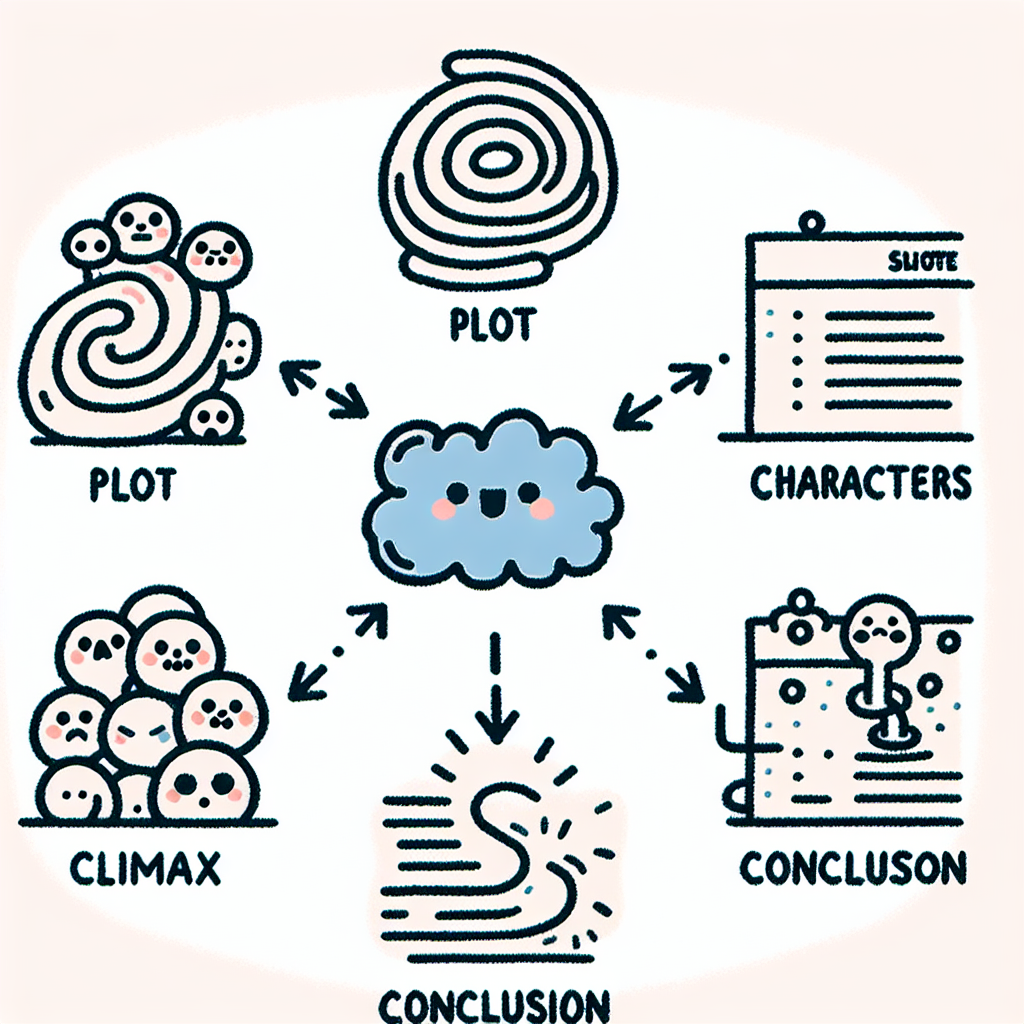
1. Plot
The plot is the backbone of any narrative, providing a structured sequence of events that engages the reader. In academic narratives, the significance of plot lies in how it guides the audience through the argument or story being presented. A compelling plot typically consists of several key elements: exposition, rising action, climax, falling action, and resolution. For example, a well-structured plot in an academic context might begin with an introduction of the research problem (exposition), followed by a discussion of literature and methodology (rising action), presentation of findings (climax), analysis of results (falling action), and concluding remarks (resolution).
2. Characters
Characters play a crucial role in academic narratives by embodying the ideas and perspectives being explored. Developing relatable and multi-dimensional characters allows readers to connect with the narrative on a personal level. Character arcs and transformations are particularly important, as they illustrate growth and change in response to the narrative's events. This can help highlight the complexities of academic arguments and the evolution of thought throughout the study (lincoln.edu).
3. Setting
The setting of an academic narrative significantly influences how the story is perceived. A vivid description of the setting immerses the reader in the context of the narrative, enhancing understanding and engagement. Effective settings can include the academic environment, historical backdrop, or cultural context relevant to the research. For instance, a compelling setting in an academic narrative might describe the socio-political climate affecting a study, which can add depth to the analysis (grandvalley.edu).
4. Climax
The climax is a pivotal moment in the narrative that heightens interest and engagement. It serves as the turning point where the main conflict reaches its peak, prompting the reader to invest emotionally in the outcome. Techniques to build tension leading to the climax may include foreshadowing, pacing, and strategic revelations of information. Analyzing the climax in successful narratives reveals how effectively the author captivates the audience and drives the central message home.
5. Conclusion
A strong conclusion is vital in reinforcing the narrative's message and ensuring that the reader walks away with a clear understanding of the implications of the research. Strategies for crafting impactful conclusions include summarizing key points, reflecting on the broader significance of the findings, and proposing future directions for research (monash.edu).
Importance of Structure
Narrative structure plays a crucial role in shaping the clarity and flow of an academic narrative. A well-defined structure not only organizes ideas but also guides the reader through the argument or story in a coherent manner. This clarity is essential for effectively conveying complex ideas and ensuring that the narrative remains engaging.
When comparing linear and non-linear structures, linear narratives follow a straightforward, chronological order. This approach is often easier for readers to follow, as it allows them to build understanding step by step. In contrast, non-linear structures can jump between different times or perspectives, which can create intrigue and depth but may also confuse the reader if not executed carefully.
The chosen structure directly supports the narrative's purpose. For instance, a linear structure might be more appropriate for a straightforward argument, while a non-linear approach could be utilized to explore themes in a more complex way. According to Purdue OWL, the right structure enhances the effectiveness of the narrative, making it easier for readers to engage with and understand the material.

Purpose of Narrative in Academic Writing
In academic writing, the use of narrative serves several critical purposes. One of the primary objectives of using narratives in academic contexts is to enhance engagement and retention. Storytelling can transform complex information into relatable experiences, helping readers to connect with the material on a personal level. By weaving in narratives, authors can create a more compelling and memorable experience for their audience.
Furthermore, narratives allow writers to connect personal experiences to broader themes and concepts. This connection not only enriches the content but also provides a unique perspective that can illuminate abstract ideas. As noted by Smith (2020), "narratives can bridge the gap between personal insights and academic discourse," making the work more accessible and impactful.
Overall, the incorporation of narrative in academic writing not only serves to engage the audience but also facilitates a deeper understanding of the subject matter by linking individual stories to larger academic themes.

Techniques for Crafting a Strong Narrative
Crafting a strong academic narrative involves employing various techniques that enhance the storytelling experience. Here are some essential strategies:
Using Literary Devices Effectively
Utilizing literary devices such as imagery, symbolism, and foreshadowing can significantly strengthen an academic narrative. Imagery allows readers to visualize concepts, making arguments more relatable and engaging. For instance, describing a complex theory through vivid imagery can help illuminate its implications. Symbolism can also be powerful; it connects abstract ideas to tangible elements, providing deeper insight into the narrative. Furthermore, foreshadowing can create anticipation and keep the reader invested in the unfolding narrative, making the academic work more compelling.
Strategies for Avoiding Clichés and Maintaining Originality
To maintain originality in academic narratives, it is crucial to avoid clichés. Clichés can dilute the impact of your narrative and make it less memorable. Instead, focus on presenting unique perspectives and employing fresh language. Strategies include rethinking common phrases and exploring new angles on familiar topics. For more guidance on maintaining originality, see the resource from Grand Valley State University.
The Importance of Voice and Tone
The voice and tone of an academic narrative play a vital role in engaging the audience. A consistent and appropriate voice helps convey the author's personality and perspective, while tone influences how the message is perceived. Academic narratives benefit from a tone that is both authoritative and accessible, striking a balance between professionalism and relatability. For further insights into the significance of voice and tone, refer to the work by Harvard University.
By integrating these techniques, writers can craft strong academic narratives that resonate with their audience and effectively communicate their ideas.

Case Studies and Examples
Analyzing notable academic narratives reveals key elements that contribute to their effectiveness. Successful narratives often incorporate a clear structure, compelling storytelling, and a strong voice that resonates with the audience.
Breakdown of Successful Narratives
- The Narrative of Albert Einstein: Einstein’s narrative is marked by his innovative thinking and personal struggles. His ability to connect complex scientific concepts with relatable experiences makes his work accessible. The integration of personal anecdotes adds depth, illustrating the human side of academic pursuits.
- Malala Yousafzai's Advocacy: Yousafzai’s story is a poignant example of courage and determination. Her narrative effectively combines her personal experience with a broader social message about education and women's rights, demonstrating how personal stories can amplify academic arguments.
- Stephen Hawking’s Life and Work: Hawking’s narrative showcases how he overcame physical limitations to contribute to theoretical physics. His use of humor and straightforward language makes complex ideas comprehensible, emphasizing the importance of clarity in academic narratives.
Lessons Learned from These Examples
- Clarity and Structure: Effective narratives are well-organized, guiding the reader through the author's thought process. Clear transitions between ideas help maintain engagement.
- Personal Connection: Integrating personal stories can enhance relatability, allowing readers to connect emotionally with the narrative.
- Authenticity: A genuine voice adds credibility and makes the narrative more compelling. Readers are drawn to authenticity, which can strengthen the overall impact of the academic argument.
By examining these notable academic narratives, we learn that what makes a strong academic narrative is not just the content but how it is presented, connecting with readers on both intellectual and emotional levels.

Conclusion
A strong academic narrative is pivotal in communicating research effectively and engaging the audience. It not only presents data but also weaves a compelling story that helps readers understand the context and significance of the findings. The integration of storytelling in academic writing enriches the narrative, making complex ideas accessible and memorable. By employing techniques such as character development, conflict resolution, and thematic consistency, academics can elevate their writing.
In summary, the ability to craft a strong academic narrative is a vital skill for researchers and scholars. By applying the principles discussed, readers can transform their own narratives, ensuring that their work resonates with their audience and contributes meaningfully to their field.

References
- Booth, W. C., Colomb, G. G., & Williams, J. M. (2008). The Craft of Research. University of Chicago Press.
- This book provides insights into the research process and emphasizes the importance of narrative in academic writing.
- Elbow, P. (1998). Writing with Power: Techniques for Mastering the Writing Process. Oxford University Press.
- Elbow discusses how to develop a compelling narrative in academic writing, focusing on clarity and engagement.
- Graff, G., & Birkenstein, C. (2010). They Say / I Say: The Moves That Matter in Academic Writing. W.W. Norton & Company.
- This book introduces essential rhetorical moves that can help strengthen academic narratives.
- Hartley, J. (2008). Academic Writing and Publishing: A Practical Handbook. Routledge.
- Hartley outlines the process of writing and publishing academic work, with attention to narrative structure.
- McCormack, J. (2014). The Art of Academic Writing: A Guide for Students and Researchers. Palgrave Macmillan.
- This guide focuses on crafting strong academic narratives and includes practical tips for improvement.
- Moffett, J. (1983). Teaching the Universe of Discourse. Houghton Mifflin.
- Moffett's work highlights the importance of narrative in various academic contexts and how to effectively teach it.
- Murray, R. (2013). How to Write a Thesis. Open University Press.
- Murray provides a detailed approach to writing a thesis, emphasizing the narrative aspects that contribute to a strong academic narrative.
- Paltridge, B., & Starfield, S. (2007). Thesis and Dissertation Writing in a Second Language. Routledge.
- This resource discusses narrative strategies that can aid non-native English speakers in constructing their academic narratives.
- Hattie, J., & Timperley, H. (2007). "The Power of Feedback". Review of Educational Research, 77(1), 81-112.
- This article examines how feedback shapes academic writing, particularly in developing a strong narrative.
- Zinsser, W. (2006). On Writing Well: The Classic Guide to Writing Nonfiction. HarperCollins.
- Zinsser provides principles of clear writing that are essential for creating a strong academic narrative.

 SHARE ON FACEBOOK
 SHARE ON TWITTER