Introduction: Why Senior Year Matters
Preparing for senior year is a critical step toward postsecondary success. This final year of high school often serves as a bridge between adolescence and adulthood, where students make key decisions that influence their future paths. Whether planning to attend college, enter the workforce, or explore other opportunities, the choices made during senior year can have lasting impacts.
Balancing academics, college preparation, and life skills becomes more important than ever. Students must manage demanding coursework while navigating applications, financial aid, and career planning. At the same time, they are building independence and learning essential life skills that will help them thrive beyond high school. Preparing for senior year with intention and focus sets the stage for a smoother transition into the next chapter of life.

🧭 Assessing High School Readiness Programs
✅ How Schools Evaluate Their College Preparation Efforts
According to the 2024 report from the National Center for Education Statistics (NCES), 77% of public high schools rate their college preparation programs as either good or excellent (NCES 2024 Report). These self-assessments are based on schools' evaluations of how effectively their curricula, counseling services, and extracurricular offerings prepare students for postsecondary education.
Schools use a range of evaluation categories to assess their college prep efforts. These typically include academic rigor, availability of college-level coursework, support services like college counseling, and student success metrics such as graduation and college enrollment rates. Methodologies often involve internal reviews, student and teacher surveys, and performance benchmarking against state or national standards.
📊 Academic Indicators of Readiness
Academic indicators play a major role in preparing for senior year and evaluating readiness for college. One key measure is the pattern of coursework students undertake. Research from the Educational Longitudinal Study of 2002 shows that students who take advanced math and science courses, along with Advanced Placement (AP) or International Baccalaureate (IB) options, are better prepared for college-level work (ELS:2002 Academic Preparation).
In addition to coursework, GPA trends and standardized test performance serve as critical benchmarks. Colleges often look for upward trends in GPA and strong ACT or SAT scores as evidence of academic growth. A rigorous senior year schedule is also essential; enrolling in challenging courses during the final year of high school demonstrates continued academic engagement and better prepares students for the transition to college-level expectations.

🎓 College Preparation: What Students Need to Know
📝 Navigating the College Admissions Process
Preparing for senior year includes staying on top of the college admissions timeline. Students should begin by mapping out key deadlines:
- College entrance exams: Plan to take the SAT or ACT by fall of senior year. Registration typically occurs several weeks in advance, and most students benefit from test prep resources such as official practice tests or online tutoring services (ELS:2002 Postsecondary Enrollment Steps).
- Essays and applications: Begin drafting college essays during the summer before senior year. Most application deadlines fall between November and January.
- Letters of recommendation: Request these from teachers or counselors early in the fall semester to give them enough time to write thoughtful responses.
When researching colleges, students should consider factors like location, size, majors offered, campus culture, and cost. College websites, virtual tours, and comparison tools can help narrow down choices.
💵 Financial Aid and Scholarships
Understanding financial aid is a critical part of preparing for senior year. The Free Application for Federal Student Aid (FAFSA) is the starting point. It opens each year on October 1, and students should file as early as possible to maximize available aid.
To navigate the process, students and families can use the Federal Student Aid Toolkit, which offers guidance on eligibility, forms, and deadlines.
In addition to federal aid, students should search for scholarships and grants offered by private organizations, schools, and local community groups. Many applications require essays or recommendation letters, so planning ahead is essential.
🧰 Leveraging School Resources
High schools offer several resources to help students with college preparation during senior year:
- Guidance counselors and college career centers assist with course planning, college applications, and financial aid.
- School-hosted events, such as college fairs, workshops, and campus visits, offer opportunities to connect with admissions representatives and gather information.
- Students should also advocate for themselves by asking questions, seeking help, and staying informed about deadlines and opportunities.
Using these resources effectively ensures students stay on track in preparing for senior year and beyond.

🧑🤝🧑 The Role of Families and Caregivers
🏡 Supporting Students at Home
Families and caregivers play a crucial role in preparing for senior year by creating a supportive environment that fosters academic growth and future planning. Beginning in middle school, parents can take practical steps to build a strong foundation for college readiness. According to the Parent & Caregiver Infographic Series, strategies include helping students develop time management skills, supporting consistent study habits, and encouraging participation in extracurricular activities.
As students move into high school, it's important for families to gradually encourage more independence. This includes allowing students to take increasing responsibility for their academic work, extracurricular commitments, and planning for post-secondary options. Caregivers can guide students through researching colleges, exploring career interests, and managing deadlines without taking over the process.
Maintaining open communication about future goals and expectations is also key to preparing for senior year. Regular conversations about academic progress, financial considerations, and long-term aspirations help students feel supported and informed. When families actively engage in these discussions, students are more likely to feel confident and motivated as they navigate the final years of high school.

🛠️ Building Life Skills for Life After High School
💼 Career Exploration and Planning
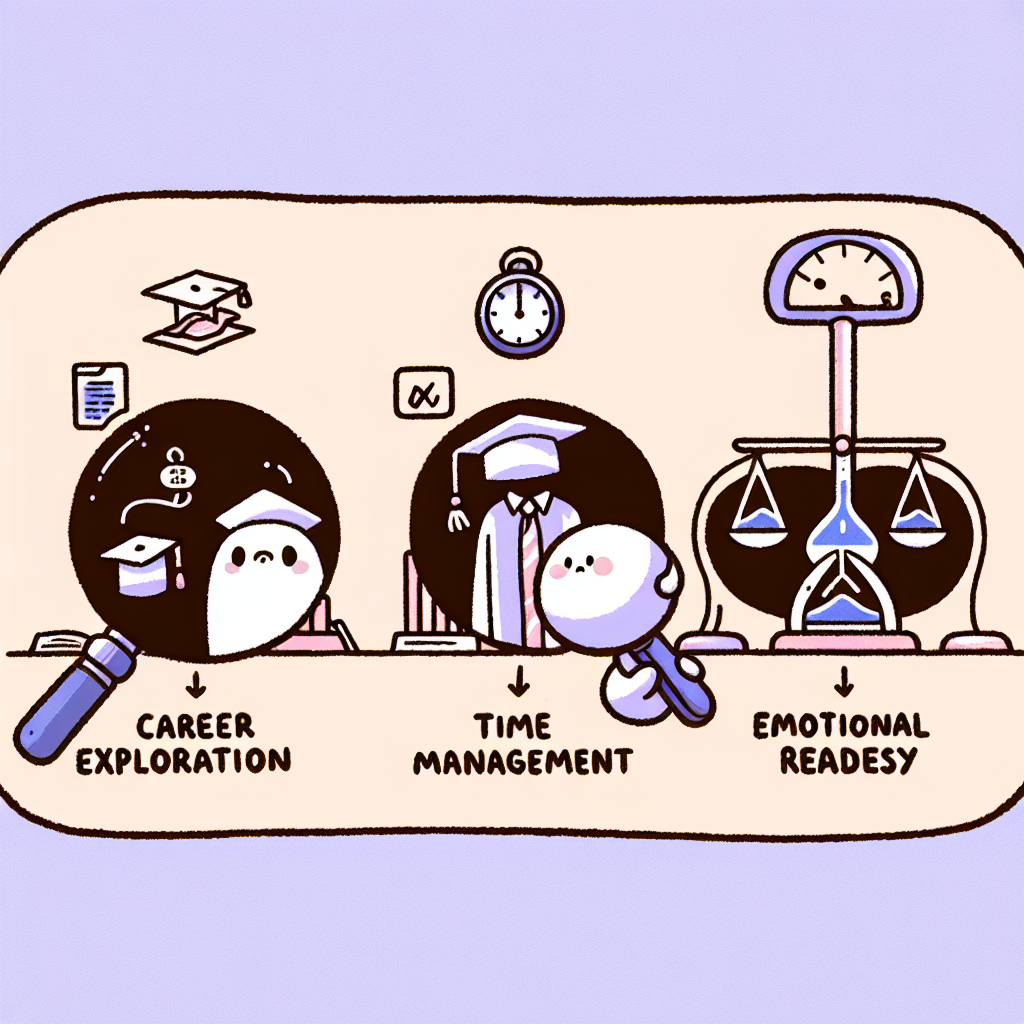
Preparing for senior year involves more than just academic readiness—it’s also a time to begin clarifying future career goals. Students can start by identifying their interests and strengths, then exploring how those align with potential career paths. Tools like career assessments and personality inventories can offer insights into suitable professions.
Internships and job shadowing provide hands-on experience and a realistic view of different fields. These opportunities not only help confirm or redirect interests but also begin building a professional network that could be valuable after high school.
📚 Time Management and Study Habits
Strong time management is essential when preparing for senior year. Balancing classes, extracurriculars, part-time jobs, and college applications requires a thoughtful approach to scheduling. Using planners, setting priorities, and breaking tasks into manageable steps can help students stay organized and reduce last-minute stress.
Establishing consistent study habits—such as setting specific times and quiet spaces for homework—can improve academic performance and ease the transition to the more self-directed learning environment of college.
🧠 Emotional and Mental Readiness
Senior year often brings pressure and uncertainty. Managing these emotions is a critical part of preparing for senior year. Stress-reduction techniques like mindfulness, journaling, or physical activity can help maintain balance. Schools often offer resources such as counseling services and peer support groups that provide additional support.
Social-emotional learning programs can also build skills like resilience, empathy, and self-awareness, which are essential for success in postsecondary life. By focusing on emotional and mental readiness, students can navigate their final year of high school with greater confidence and clarity.
🔄 Challenges and Equity in Preparation
⚖️ Addressing Disparities in College Readiness
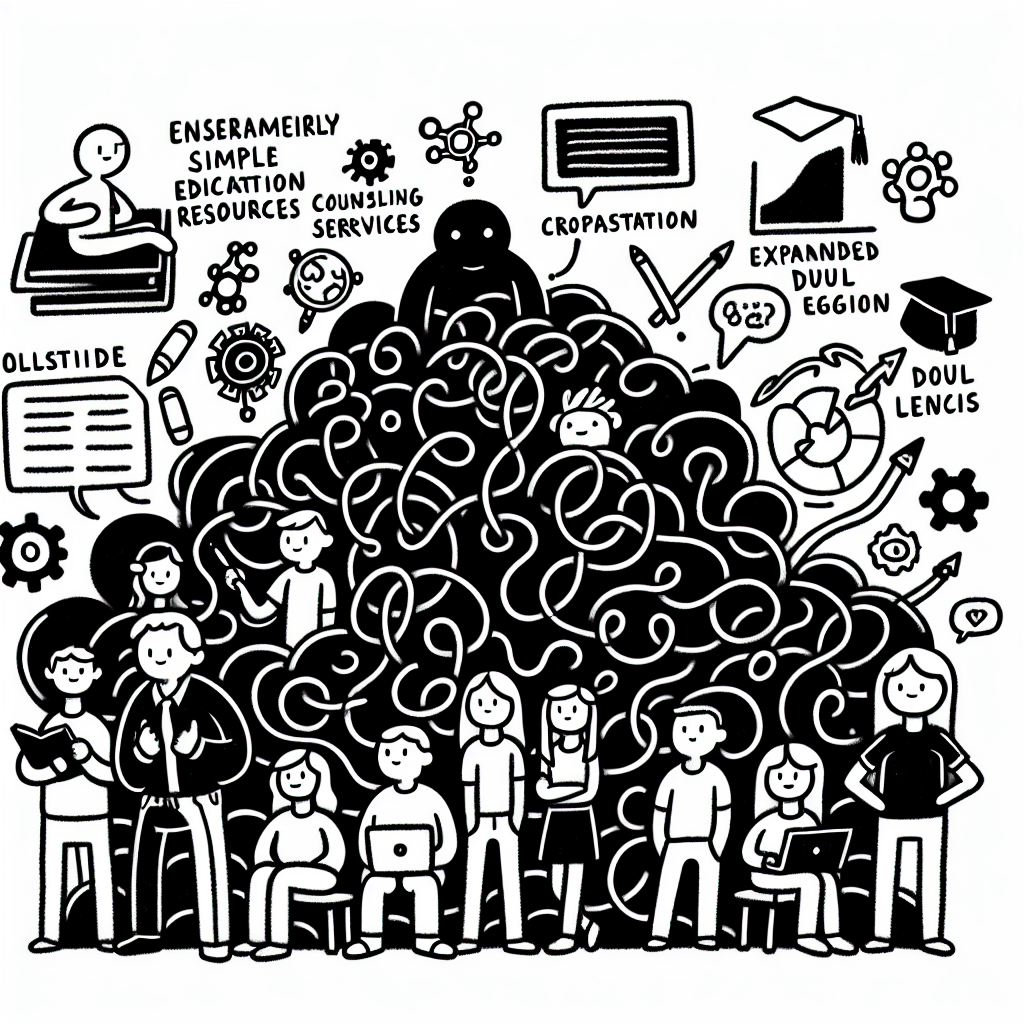
Preparing for senior year can look very different depending on a student’s background and school resources. A major challenge is unequal access to advanced coursework, college counseling, and test preparation. Students in underfunded schools may not have access to Advanced Placement (AP) or International Baccalaureate (IB) programs, limiting their ability to build competitive transcripts. In addition, limited access to college counselors can mean students receive less personalized guidance on applications, financial aid, and scholarship opportunities.
To tackle these disparities, some public schools have adopted targeted strategies. These include expanding dual enrollment programs, increasing counselor-to-student ratios, and offering free SAT or ACT prep courses. Some districts are also partnering with local colleges and nonprofits to provide mentorship and college readiness workshops. These efforts aim to level the playing field and ensure all students have a fair chance when preparing for senior year.
🧩 Common Pitfalls and How to Avoid Them
Several common pitfalls can derail students during their final year of high school. One frequent issue is procrastination during the college application season. Delaying tasks such as writing essays, requesting recommendation letters, or completing financial aid forms can lead to missed deadlines and lost opportunities.
Another challenge is senioritis—a drop in academic motivation and performance after college applications are submitted. This decline can affect final transcripts and even jeopardize college admissions offers. To stay on track, students should maintain consistent study habits and set short-term academic goals.
Lastly, students often overlook non-college pathways. Preparing for senior year should include exploring all post-graduation options, including vocational training, military service, and gap year programs. These alternatives can provide valuable experience and lead to fulfilling careers, especially for students seeking hands-on or non-traditional paths.
🚀 Actionable Checklist for Senior Year Success
📅 Month-by-Month Preparation Timeline
Summer Before Senior Year
- Research colleges and build a balanced college list
- Start drafting personal statement and supplemental essays
- Register for fall SAT/ACT if needed
- Visit campuses (virtually or in-person)
August–September
- Finalize college list and application deadlines
- Ask for letters of recommendation
- Begin filling out the Common App or Coalition App
- Attend back-to-school nights and college fairs
October
- Submit FAFSA and CSS Profile as early as October 1
- Take or retake standardized tests if necessary
- Finalize and submit early action/early decision applications
November–December
- Submit remaining college applications (regular decision)
- Continue applying for scholarships
- Request transcripts and confirm submission of recommendation letters
January–February
- Monitor application portals for updates and missing documents
- Submit any additional financial aid forms required by colleges
- Keep grades up—mid-year reports matter
March–April
- Review college admission decisions
- Visit campuses if possible to finalize decision
- Compare financial aid packages
May
- Make college decision by National College Decision Day (May 1)
- Submit enrollment deposit and housing forms
- Notify other colleges of your decision
June–August After Graduation
- Complete any required placement tests or summer bridge programs
- Send final transcripts
- Prepare for college orientation and move-in
✅ Student Task List
Academic Goals
- Maintain strong senior-year grades
- Challenge yourself with AP, IB, or dual-enrollment courses
- Seek help early if struggling in any subject
Applications and Testing
- Track all college application requirements and deadlines
- Register and prepare for SAT/ACT if applicable
- Write and revise essays early
Financial Aid
- Gather documents for FAFSA/CSS Profile
- Apply for local and national scholarships
- Meet all financial aid deadlines
Extracurricular and Resume Building
- Take on leadership roles in clubs or organizations
- Continue community service or part-time work
- Update resume with accomplishments and experiences
🔄 Parent & Educator Support Strategies
Encouraging Goal-Setting and Reflection
- Help students create realistic timelines and checklists
- Facilitate conversations about goals, interests, and values
Monitoring Progress Without Micromanaging
- Set up regular check-ins to review plans and deadlines
- Provide reminders and support without taking over tasks
- Celebrate milestones and encourage resilience during setbacks
Preparing for senior year requires consistent planning and support. This checklist keeps students, parents, and educators aligned throughout the process.
📚 Additional Tools and Resources
When preparing for senior year, having access to reliable tools and data can make a significant difference. Several resources are available to help students, parents, and educators support the transition from high school to postsecondary education.
- The NCES 2024 Report on High School Self-Assessments provides insights into how public high schools rate their effectiveness in preparing students for college. Understanding these self-assessments can help identify areas for potential improvement.
- The ELS:2002 Academic Prep dataset offers historical data on academic preparation among high school seniors, helping to contextualize current preparation strategies against past outcomes.
- The ELS:2002 Postsecondary Enrollment Data tracks the steps seniors took toward postsecondary enrollment. This information can guide students in making informed decisions during their final year.
- The Parent/Caregiver Infographic Series is designed to help families support students in preparing for life after high school. These visuals break down complex topics into accessible formats.
- The Federal Student Aid Toolkit provides essential information on financial aid and funding education beyond high school. It's a critical resource when preparing for senior year budgeting and planning.
Using these tools can enhance academic planning, application readiness, and financial literacy—all key aspects of preparing for senior year.

Conclusion: Senior Year as a Launchpad
Preparing for senior year is more than just meeting graduation requirements—it's about laying a strong foundation for life after high school. A holistic approach means considering academics, career planning, emotional well-being, and practical life skills. When students take time to explore their goals, understand their options, and develop a plan, they position themselves for a smoother transition into adulthood.
Being proactive is essential. Whether applying to colleges, starting a job search, or exploring vocational training, early preparation can reduce stress and increase confidence. Seeking support from counselors, teachers, family, and mentors can provide valuable guidance and encouragement throughout the process.
Resilience is also a key part of preparing for senior year. Challenges are inevitable, but learning to adapt and stay focused helps students stay on track. By viewing senior year as a launchpad, students can take intentional steps toward a successful future.

 SHARE ON FACEBOOK
 SHARE ON TWITTER