
Preparing Your Child for College
🏫 Academic Readiness
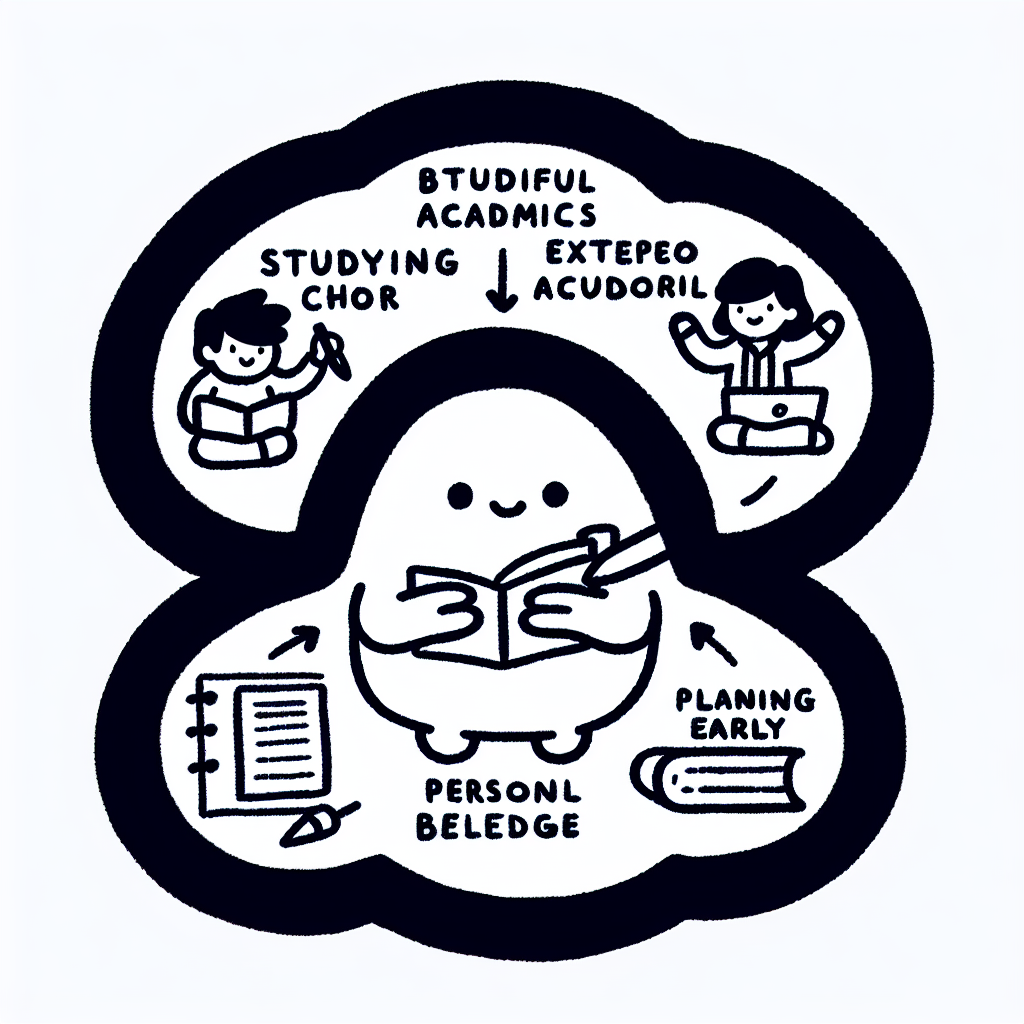
One of the most effective ways to support your child in the college admissions process is to prioritize academic readiness early. Begin by encouraging a strong academic foundation starting in middle school. This foundation allows students to take on more rigorous coursework in high school and be better prepared for college-level expectations. Collaborate with your child to select high school courses that align with college prerequisites, ensuring they meet admission requirements for their intended colleges.
Instill good study habits and time management skills to help your child manage increasing academic demands. Encourage them to create a consistent homework routine, set achievable goals, and utilize organizational tools. High school guidance counselors and academic resources can provide valuable support in this area. They can assist with course planning, recommend tutoring if needed, and provide insight into college expectations (University of Chicago – College Parent Guide).
🌟 Building a Strong Profile Through Extracurriculars
Colleges look beyond grades—they seek well-rounded students with interests and initiative. Help your child explore their passions by encouraging participation in extracurricular activities such as clubs, sports, arts, or community service. Emphasize the importance of sustained involvement, as long-term commitment demonstrates dedication and growth.
Leadership roles and initiative-taking reflect qualities that college admissions officers value. Whether your child leads a club, starts a new project, or organizes a community event, these experiences can strengthen their college application. Keep a record of all activities, roles, and achievements to simplify the application process later on (Purdue University – Parents and Guardians Guide Your Student).
🎯 Setting Goals and Planning Ahead
Early goal setting can make the college admissions journey more manageable. Begin conversations about potential careers and college majors well before senior year. These discussions can help your child make informed decisions about academics and extracurriculars.
Use backward planning to set milestones, starting from the goal of college acceptance and working back to the present. This approach helps create a realistic timeline and ensures that your child stays on track. Support your child in balancing academics, extracurricular activities, and personal wellness to avoid burnout and maintain overall well-being. A thoughtful, long-term approach can make the process less stressful and more successful for both parent and student.
💸 Financial Planning for College
🎓 Understanding the True Cost of College
One of the most important steps in the parent guide to college admissions is understanding the full cost of attendance. Tuition is often the most visible expense, but it's only part of the equation. Room and board, textbooks, lab fees, and technology costs significantly add to the total. For example, students may also incur expenses for supplies, health insurance, and course-specific materials.
In comparing public versus private institutions, public universities typically offer lower tuition rates, especially for in-state students. However, private colleges may provide more generous financial aid packages that can offset their higher sticker prices. Evaluating return on investment (ROI) is also essential—consider graduation rates, average student debt, and starting salaries for graduates.
Parents should also account for hidden or variable costs such as travel, personal expenses, and extracurricular fees. These additional expenses can vary greatly depending on the location of the school and the student’s lifestyle.
💰 Exploring Financial Aid and Scholarships
Navigating financial aid is a key component of any parent guide to college admissions. The Free Application for Federal Student Aid (FAFSA) is the starting point for most need-based aid, including federal grants, loans, and work-study programs. Some private colleges also require the CSS Profile, which takes a more detailed look at family finances.
Scholarships are available in both merit-based and need-based forms. Merit scholarships reward academic or extracurricular achievements, while need-based scholarships help bridge the gap for families with demonstrated financial need. Encourage your student to search early and often, as many scholarships have deadlines well before college application dates.
Work-study programs offer students the chance to earn money through part-time jobs on or near campus. Grants, which do not need to be repaid, can come from federal, state, or institutional sources. If loans are necessary, understanding interest rates, repayment plans, and borrowing limits is critical (Heritage University – Parent’s Guide to College).
Start your financial planning as early as possible. Involving your student in discussions about budgeting, saving, and spending helps them build financial literacy that will serve them throughout college and beyond.

Choosing the Right College
Selecting the right school is a major step in the college admissions process. As part of a comprehensive parent guide to college admissions, parents can play a vital role by understanding what factors matter and how to support their student’s search authentically.
Key Factors to Consider
When evaluating potential colleges, focus on the following:
- Academic programs and major availability: Ensure the college offers strong programs in areas your student is interested in pursuing. Some schools may have standout departments or unique interdisciplinary options.
- Campus culture and values: Each college has its own community atmosphere. Consider whether a school promotes collaboration, competition, activism, or other cultural elements that align with your student’s personality and goals.
- Location, size, and diversity of the student body: Urban vs. rural settings, large universities vs. small liberal arts colleges, and the demographic makeup of the student population all impact the college experience.
- Graduation rates and career outcomes: Research how many students graduate within four to six years and what types of jobs or graduate programs they pursue afterward. These metrics can indicate the level of academic and career support provided by the institution.
The Importance of Campus Visits
Campus visits can offer valuable insights that aren’t available through brochures or websites:
- Schedule visits early: Aim to visit a range of schools to help your student compare environments.
- Attend info sessions and meet faculty: These opportunities allow you and your student to ask questions and understand academic expectations.
- Observe facilities, safety, and student services: Take note of libraries, dorms, dining, and wellness resources. Safety protocols and student support services are also crucial.
- Reflect on fit: Encourage your student to think critically about where they felt most comfortable and engaged.
Supporting an Authentic College Search
A successful college search prioritizes the student’s needs and interests:
- Let your student lead: Offer support and advice, but allow your student to take ownership of the process.
- Encourage authenticity: Personal statements and interviews should reflect who your student truly is—not who they think admissions officers want to see.
- Focus on fit over prestige: While rankings can be tempting, the best college is one where your student can thrive academically, socially, and personally (Harvard College – For Parents and Families: Supporting Students in Their College Search).

Navigating the Admissions Process
📆 Understanding Application Timelines
One of the first steps in the college admissions journey is understanding the key application timelines. Colleges typically offer several options, including Early Action (EA), Early Decision (ED), and Regular Decision (RD). Early Action allows students to apply early and receive decisions sooner without committing, while Early Decision is binding and best suited for students who are certain about their top-choice school. Regular Decision offers more time to prepare but results in later notifications.
Families should carefully track deadlines for each school their student is considering. This includes not only application submission dates but also deadlines for financial aid forms like the FAFSA and CSS Profile, as well as testing dates for the SAT or ACT. Creating a shared family calendar with all key milestones helps ensure nothing is missed.
🧪 Test Preparation and Strategy
Understanding standardized testing requirements is essential for navigating the admissions process. Some colleges require the SAT or ACT, while others have adopted test-optional policies. Families should research each school's testing stance to determine if scores are needed.
Registering early for test dates provides more flexibility and allows time for potential retakes. Students should develop a study plan that fits their schedule, making use of free resources such as Khan Academy for SAT prep or ACT’s free online tools. Local schools or community organizations may also offer prep programs at no cost.
📄 Application Components and Support
The college application includes several components: personal essays, a student resume, and letters of recommendation. Parents can support their child by helping them stay organized, setting timelines for drafts, and ensuring materials are submitted on time.
Reviewing the application for completeness and clarity is helpful, but it’s important to avoid taking over the process. Encourage your student to express their authentic voice, especially in essays. As noted by Harvard College, families should support students without over-editing, allowing them to take ownership of their application narratives (Harvard College – For Parents and Families: Supporting Students in Their College Search).
Navigating the admissions process requires planning, communication, and a supportive environment. With a thoughtful approach, families can help guide their students through each step.

Parental Roles & Emotional Support
🧠 Managing Stress and Expectations
In the college admissions process, parents play a key role in helping students manage stress and maintain perspective. As part of a comprehensive parent guide to college admissions, it's important to keep expectations realistic and support your child in building resilience. Avoid putting undue pressure on outcomes and instead emphasize effort, growth, and learning from setbacks.
Encourage open conversations about hopes, fears, and uncertainties related to college plans. This helps normalize the emotional ups and downs of the process. While it's natural to be invested, it's equally important to balance motivation with autonomy—give your student room to make decisions and learn from their experiences.
🤝 Partnering with School Counselors and Teachers
A proactive partnership with school staff is critical. Attend college nights, parent-teacher meetings, and informational sessions provided by the school. These events offer valuable insights into timelines, application strategies, and college options.
Encourage your student to build relationships with school counselors and teachers, who can offer guidance and write strong recommendations. A well-supported student is more likely to feel confident and informed throughout the application process.
📲 Staying Informed & Connected
Staying informed helps you be a supportive resource without overstepping. Subscribe to college newsletters, register for webinars, and explore parent portals offered by universities. These tools can provide up-to-date information on deadlines, financial aid, and campus life.
Joining parent communities—online forums, local groups, or social media networks—can also provide shared advice and emotional support from others going through similar experiences.
Many universities offer dedicated resources for parents. For example, Purdue University provides a helpful online guide for parents and guardians to support their students through the admissions journey (Purdue University – Parents and Guardians Guide Your Student).

🎓 The First-Year Experience and Beyond
🧳 Transitioning to College Life
The transition to college marks a significant shift for both students and their families. As part of this parent guide to college admissions, it's important to help your child build basic life skills before they leave home. Teach them how to do laundry, manage their time effectively, and budget their expenses. These foundational habits can ease the adjustment to independent living.
Understanding move-in logistics and orientation programs will also help reduce stress during this period. Most colleges offer detailed schedules and support during orientation to familiarize new students with campus resources, academic expectations, and social opportunities. Being informed enables you to assist your student in navigating these early days with confidence.
Homesickness is common among first-year students. Parents should talk openly about emotional well-being and encourage the use of campus mental health resources. Many colleges provide counseling services and peer support programs to promote mental health and resilience.
🛠️ Campus Support Services
Colleges offer a wide range of support services to help students succeed academically and personally. Academic advising offices guide students in course selection and degree planning, while tutoring centers and writing labs provide additional academic support. Encourage your student to take full advantage of these resources early on.
Health and counseling services are also available on most campuses, offering medical care, mental health support, and wellness programming. Diversity and inclusion offices foster an inclusive environment through cultural programming, mentorship, and advocacy.
Parents can learn more about how colleges support families through parent communication policies and emergency contact procedures. For example, Heritage University’s Parent’s Guide to College outlines ways parents can stay informed while respecting their student's independence.
🧭 Encouraging Growth and Responsibility
As your student begins college, it's essential to encourage their growth into a self-reliant young adult. Promote self-advocacy by guiding them to seek help, solve problems independently, and communicate effectively with professors and advisors.
While it’s natural to want to stay involved, step back to allow your child to manage their own experiences. Respect their privacy and communicate in ways that support their independence. Celebrate milestones such as finishing a tough semester or declaring a major, and help them think ahead about internships, study abroad, or career planning.
By offering thoughtful support, you help your student develop the confidence and skills they need to thrive during their first year and beyond. This balanced approach is a key component of any effective parent guide to college admissions.

🧒 Starting Early: Middle School and Early High School
🚀 Early Awareness and Academic Readiness
In a strong parent guide to college admissions, it’s important to recognize that preparation can begin as early as middle school. Encouraging curiosity and a love for learning during these formative years helps students build a solid foundation for future academic success. Support your child by exposing them to a wide range of subjects, hobbies, and reading materials to stimulate intellectual growth.
Starting conversations about the value of higher education during early adolescence can also shape long-term goals. Explain the benefits of earning a college degree, such as better career opportunities and personal growth. Keep these discussions age-appropriate but consistent, planting the seeds for a positive attitude toward learning and achievement.
Career exploration activities, such as job shadowing, career days, or online assessments, can help students begin identifying their interests and potential paths. These early experiences can guide course selections in high school and foster motivation.
🌱 Developmental Benchmarks and College Readiness
It’s essential to align academic goals with grade-level expectations to ensure your child stays on track. Familiarize yourself with your child’s school curriculum and use available tools—such as report cards, standardized test data, and teacher meetings—to monitor progress.
Regular check-ins with educators and school counselors offer insight into your child’s strengths and areas for improvement. These conversations also provide opportunities to plan for academic challenges and enrichment activities that align with long-term college readiness.
Several programs support early college awareness, including GEAR UP. Resources like Arizona GEAR UP’s Parent Guide offer valuable tools to help families understand the college preparation process from an early age. These programs are designed to help students and parents make informed decisions and develop a clear understanding of what it takes to succeed in college.

📚 Recommended Resources for Parents
Navigating the college admissions journey can be complex, but numerous resources are available to help families make informed decisions. This section of the parent guide to college admissions highlights helpful tools and guides created specifically for parents.
- Heritage University – Parent’s Guide to College: This guide covers the full admissions process, including tips on academic readiness, financial aid, and emotional support for your student.
- University of Chicago – College Parent Guide: Designed to walk parents through college planning, this guide offers strategies on how to support students academically and socially during the transition to college.
- Harvard College – For Parents and Families: Harvard provides insights into how families can support students in their college search with a focus on personal growth and academic exploration.
- Purdue University – Parents and Guardians Guide Your Student: This resource emphasizes the partnership between universities and families, giving practical advice on how to encourage independence while staying involved.
- Arizona GEAR UP – Discover Parent Guide: A comprehensive toolkit for families, especially first-generation college students, with guidance on financial planning, college visits, and application timelines.
These recommended resources offer valuable support to parents who are helping their children navigate the college admissions process. Each guide contributes to a well-rounded parent guide to college admissions by addressing different aspects of preparation and support.

 SHARE ON FACEBOOK
 SHARE ON TWITTER