Introduction
Preparing for college interviews in 2025 is a critical step in the admissions process. As colleges continue to adopt holistic review practices, interviews offer applicants a valuable opportunity to present their personalities, goals, and motivations beyond what appears on paper.
For the class of 2025, the landscape of college interviews has evolved. With the widespread adoption of virtual platforms, many institutions now offer or require online interviews. This shift demands new skills, such as camera presence and digital etiquette, in addition to traditional interview preparation.
This guide will walk you through every aspect of preparing for college interviews in 2025. It covers how to research schools, practice common questions, improve communication skills, and navigate both in-person and virtual formats effectively.
🎥 Understanding Interview Formats
📍 In-Person Interviews
In-person interviews are a common component of preparing for college interviews 2025. These interviews typically take place in a formal setting such as a college admissions office or a designated interview room. The structure often includes a mix of personal questions, academic discussions, and opportunities for the applicant to ask questions.
When attending an in-person interview, it’s important to arrive early, bring necessary documents, and maintain a respectful demeanor. Avoid distractions like checking your phone or interrupting the interviewer. Dress appropriately—business casual is usually a safe choice. Positive body language, such as maintaining eye contact, offering a firm handshake, and sitting upright, helps convey confidence and respect.
💻 Virtual Interviews
Virtual interviews have become increasingly common in preparing for college interviews 2025, especially for students applying to out-of-state or international programs. A strong technical setup is crucial: ensure a stable internet connection, test your microphone and camera, and select a quiet, well-lit space.
To maintain engagement, look directly into the camera to simulate eye contact. Sit at eye level with the screen and avoid looking at your own video feed. If technical issues arise, remain calm—acknowledge the problem and try to reconnect, or suggest rescheduling if necessary.
📞 Phone Interviews
Phone interviews are less common but still used by some colleges. Without visual cues, voice modulation and clarity become critical. Speak clearly, vary your tone to show enthusiasm, and avoid speaking too quickly.
Active listening is vital—pause briefly before responding to ensure the interviewer has finished speaking. Taking notes can help structure your responses. Choose a quiet, distraction-free environment to maintain focus and professionalism.
🔁 Mock Interviews and Role-Playing
Practicing different interview formats is an essential part of preparing for college interviews 2025. Mock interviews help familiarize students with a variety of scenarios, reducing anxiety and improving performance.
Role-playing with peers or mentors offers valuable feedback on both content and delivery. Professional workshops, like those hosted by King's College, emphasize skill-building through simulated interviews and critiques. These exercises help refine answers and boost confidence Mock Interviews for Professional Skills Development – King's College.

💬 Types of Questions You’ll Encounter
When preparing for college interviews 2025, it's important to understand the different types of questions you may face. These questions are designed to evaluate your experiences, thought processes, interests, and alignment with the college’s values.
🧠 Behavioral Questions
Behavioral questions focus on your past experiences and how you’ve handled various situations. These questions matter because they help interviewers assess your interpersonal skills, leadership qualities, and ability to work through challenges.
Common examples include:
- "Tell me about a time when you overcame a significant obstacle."
- "Describe a situation where you worked effectively in a team."
- "Give an example of a time you showed leadership."
Practicing responses to these types of questions can be beneficial. Amherst College offers resources such as Mock Finance Interviews, which simulate real-world scenarios and can help students prepare for behavioral interview formats.
🔄 Situational Questions
Situational questions present hypothetical scenarios and ask how you would respond. These aim to evaluate your problem-solving skills, ethical reasoning, and adaptability.
Examples include:
- "What would you do if you disagreed with a group member on a class project?"
- "How would you handle a situation where your academic schedule conflicts with your extracurricular responsibilities?"
When answering, focus on explaining your thought process and the steps you would take to resolve the issue.
📚 Academic & Extracurricular Questions
These questions explore your academic interests, achievements, and involvement outside the classroom. They help interviewers understand what motivates you and how you might contribute to the college community.
You might be asked:
- "What subject are you most passionate about and why?"
- "Can you describe a project or activity you’re particularly proud of?"
- "How have you demonstrated leadership in your extracurriculars?"
Be ready to talk about specific classes, research, or initiatives you’ve undertaken that show commitment and growth.
🌟 Personal Fit and Character Questions
Colleges want to know if you’re a good fit for their campus culture. Personal fit and character questions probe your values, resilience, and self-awareness.
Typical questions include:
- "Why do you want to attend this college?"
- "Tell me about a personal challenge and how you dealt with it."
- "What are you most proud of, and why?"
Answering these questions authentically can show how your goals align with the institution’s mission and how you’ve grown through personal experiences.
Understanding and preparing for these types of questions is a key part of preparing for college interviews 2025.

🧠 Answering Strategies That Work
🌟 STAR Method (Situation, Task, Action, Result)
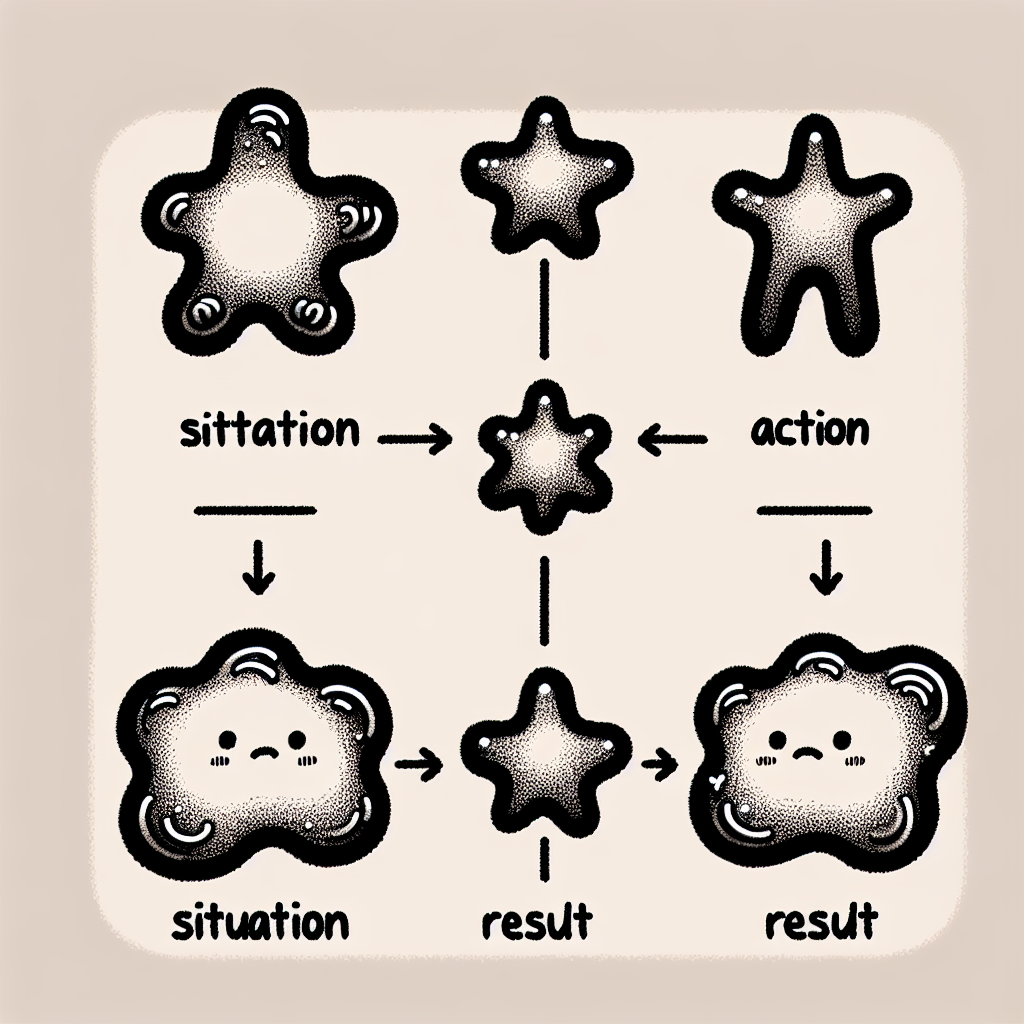
The STAR method is a reliable strategy when preparing for college interviews 2025, especially for answering behavioral or experience-based questions. It helps organize responses by breaking them into four parts:
- Situation: Describe the context or background.
- Task: Explain the responsibility or challenge you faced.
- Action: Detail the steps you took to address the task.
- Result: Share the outcome and what you learned.
Use the STAR method when interviewers ask about how you've handled specific situations, like teamwork, conflict resolution, or leadership. For example, if asked about a time you overcame a challenge, STAR ensures your answer is structured and impactful.
However, STAR isn't always the ideal fit. For more introspective or future-oriented questions, other models like SARA may be more effective.
🧭 SARA Model (Situation, Action, Result, Application)
The SARA model is another useful approach for preparing for college interviews 2025. It includes:
- Situation: Set the stage with context.
- Action: Describe what you did.
- Result: Explain what happened.
- Application: Reflect on how the experience will inform your college or future actions.
SARA is particularly effective for reflective questions, allowing you not only to recount an experience but also to interpret its relevance to your academic or personal growth. Columbia College recommends practicing with models like SARA to build confidence and deliver thoughtful responses [Interviewing Tips and Best Practices – Columbia College].
🗣️ Storytelling Techniques
In preparing for college interviews 2025, strong storytelling can make your answers more memorable. Use vivid, specific details to bring your experiences to life. Instead of general statements, describe actions and emotions that help interviewers connect with your journey.
Effective storytelling includes:
- Choosing a relevant, concise story.
- Highlighting key moments with specificity.
- Conveying genuine emotion to show personal growth.
This technique complements STAR or SARA models by adding a relatable and human element to your responses, helping you stand out as a thoughtful and self-aware candidate.
💪 Building Confidence and Managing Anxiety
🎭 Mock Interviews
One of the most effective ways of preparing for college interviews 2025 is by participating in mock interviews. These practice sessions simulate the interview environment, helping students become familiar with typical questions and improve their communication skills. Working with peers, alumni, or campus career centers can provide valuable perspectives and constructive feedback. For instance, Amherst College offers mock finance interviews that help students develop confidence in a realistic setting (Mock Finance Interviews – Amherst College).
🧰 Feedback and Continuous Improvement
After each mock interview, it's important to assess performance critically. Recording and reviewing your responses allows you to identify habits, filler words, and areas for improvement. Using rubrics or scorecards can provide a structured way to evaluate your answers, eye contact, and overall delivery. These tools help students refine their approach and track progress while preparing for college interviews 2025.
🧘♀️ Mental Preparation
Managing nerves is key to a successful interview. Breathing exercises, such as box breathing or deep diaphragmatic breathing, can help calm the nervous system. Visualization techniques—imagining a successful interview experience—can boost confidence. Positive self-talk and mindset shifts also play a role; affirming phrases like "I am prepared and capable" reinforce self-belief, which is essential when preparing for college interviews 2025.
Making a Lasting Impression
🧍 First Impressions and Professionalism
When preparing for college interviews 2025, the way you present yourself in the first few moments sets the tone for the entire conversation. Start with a firm but friendly greeting, maintain steady eye contact, and carry yourself with poise. These small actions communicate confidence and respect.
Dress appropriately based on the interview format. For in-person interviews, business casual attire generally works well—think slacks or a skirt with a collared shirt or blouse. For virtual interviews, dress just as professionally and ensure your background is tidy and distraction-free. Your appearance should show that you take the opportunity seriously.
📝 Asking Insightful Questions
Asking thoughtful questions is a key part of preparing for college interviews 2025. It shows that you're curious, engaged, and have done your research. Focus on questions that go beyond what can be easily found on the college's website. For example, instead of asking what majors are offered, you might ask, "How does the college support students who want to explore multiple academic disciplines?" or "Can you share an example of a student-led initiative that has had a lasting impact on campus?"
Avoid generic or overly broad questions. Tailor your queries to the specific college and, if applicable, the interviewer’s background. This level of customization demonstrates genuine interest and preparation.
💌 Post-Interview Etiquette
Following up after the interview is an important step in preparing for college interviews 2025. Send a thank-you email within 24 hours, expressing appreciation for the interviewer’s time and referencing a specific part of your conversation. Keep it concise and sincere.
If you haven’t heard back in several weeks and the college allows follow-ups, sending a polite inquiry is acceptable. Keep your tone respectful and reaffirm your enthusiasm for the school.
For additional guidance, Columbia College offers a helpful resource on interview etiquette and best practices: Columbia College: Best Practices Workshop.
🛠️ Tools and Resources for 2025 Applicants
🧑💼 Career Services and College Workshops
Many universities offer workshops specifically designed to help students with preparing for college interviews 2025. These workshops provide guidance on answering common questions, understanding interview formats, and building confidence.
For example, the University of Minnesota's Interviewing 101 Workshop covers fundamental interview techniques and strategies tailored for college applicants. Similarly, Florida International University Career Essentials offers a session on interviewing essentials, which includes tips on professionalism and communication skills.
🔁 Scheduling and Practicing Mock Interviews
Practicing mock interviews is a critical step in preparing for college interviews 2025. Many schools provide access to mock interviews through campus platforms or alumni networks. These sessions allow students to simulate real interview environments and receive constructive feedback.
The King’s College Mock Interview Program is one example where students engage with professionals to refine their interview techniques and build confidence.
🔗 Online Resources and Templates
Online tools can also support students in preparing for college interviews 2025. These include downloadable interview rubrics, sample practice questions, and feedback forms that help students self-assess and improve. Many educational websites and college counseling portals offer templates that guide students through expected questions and best-practice answers.
Utilizing a combination of in-person resources and online tools allows applicants to be well-prepared and confident heading into their interviews.
📅 Timeline for Preparing
A structured timeline is crucial when preparing for college interviews 2025. Breaking the process into clear phases helps ensure you're ready and confident when the time comes.
3 Months Before: Research and Practice
Begin by researching the colleges where you'll be interviewing. Understand their values, programs, and unique offerings. Simultaneously, start practicing common interview questions. Focus on articulating your interests, strengths, and reasons for applying. This is also a good time to review your application materials, as interviewers may ask about them.
1 Month Before: Mock Interviews and Feedback
Schedule mock interviews with a counselor, teacher, or mentor. Simulate the real environment as closely as possible. Ask for constructive feedback on your tone, body language, and clarity of response. Use this time to refine your answers and adjust your approach based on the critiques you receive.
Week Of: Final Prep and Mental Readiness
Review your key talking points and revisit school-specific research. Select your outfit and plan your logistics, whether the interview is in person or virtual. Focus on mental readiness—get enough rest, eat well, and maintain low stress levels. Confidence and composure are essential components of preparing for college interviews 2025.
Post-Interview: Reflection and Thank-You Notes
After the interview, take time to reflect on what went well and what could be improved. Jot down any questions you found challenging to better prepare for future interviews. Within 24–48 hours, send a personalized thank-you note to your interviewer to express appreciation and reinforce your interest in the school.

Conclusion
Preparing for college interviews 2025 is a critical step in standing out among a competitive pool of applicants. Effective preparation allows students to clearly articulate their goals, experiences, and fit for a college, making a memorable impression on admissions officers.
Practice and the use of available resources—such as mock interviews, sample questions, and school counseling services—can significantly build confidence. Being well-prepared reduces anxiety and enables students to respond thoughtfully and authentically.
Most importantly, interviews should be seen as opportunities to tell your story. Rather than a test to pass, they are a chance to share your unique perspective, values, and enthusiasm for learning. With thoughtful preparation, each student can present themselves with clarity and confidence in the 2025 college interview process.
 SHARE ON FACEBOOK
 SHARE ON TWITTER