Introduction
The transition to college presents new challenges that require students to take a proactive approach to learning and personal development. Unlike high school, college demands greater independence, time management, and self-motivation. To navigate this shift successfully, students must develop and apply a broad set of college success skills.
Mastering both academic and life skills is critical for thriving in a college environment. These include effective study habits, organization, critical thinking, communication, and emotional resilience. Without these skills, students may struggle to meet academic expectations and adapt to the social and personal demands of college life.
This guide compiles practical strategies and tools designed to help students build the college success skills they need. It offers a comprehensive approach to succeeding academically, socially, and emotionally, providing a foundation for long-term achievement in higher education.

Understanding the Importance of Time Management
Effective time management is a crucial component of college success skills. It enables students to balance academic responsibilities, extracurricular involvement, and personal commitments. Without structured planning, students may struggle to meet deadlines, leading to unnecessary stress and lower performance.
Poor time management often results in procrastination and last-minute cramming, which can negatively affect retention and understanding. Developing a disciplined approach to managing one's schedule helps students stay organized and make steady progress throughout the semester.
Time Management Techniques
The Pomodoro Technique involves working in focused 25-minute intervals followed by 5-minute breaks. After four intervals, a longer break is taken. This method helps maintain concentration and reduces burnout.
The Eisenhower Matrix helps students prioritize tasks by urgency and importance. Tasks are categorized into four quadrants: do first, schedule, delegate, and eliminate—making it easier to focus on what truly matters.
Time Blocking assigns set periods in the day to specific tasks or types of work. This technique minimizes distractions and ensures time is allocated appropriately for studying, attending classes, and relaxing.
Tools and Resources
To support these techniques, students can use digital tools like Google Calendar and Todoist to schedule tasks and set reminders. These apps offer flexibility and accessibility across devices. Physical planners and bullet journals are also effective for those who prefer writing things down and visualizing their week at a glance.
📚 Study Tool Kit | NACC emphasizes the role of structured planning in academic success.
📚 Academic Skill Handouts | NC State University offer tips for effective time tracking and scheduling.

Active Learning vs. Passive Learning
Developing strong college success skills requires understanding the difference between active and passive learning. Passive learning—such as re-reading notes or highlighting text—often leads to shallow understanding. In contrast, active learning strategies like retrieval practice and spaced repetition help students retain information more effectively. Retrieval practice, which involves recalling information without cues, strengthens memory. Spaced repetition spreads learning over time, reinforcing material before it is forgotten.
Critical thinking and self-questioning are also crucial to active learning. Students who challenge themselves to explain concepts, ask "why" and "how" questions, and draw connections between ideas engage more deeply with the material, leading to long-term retention and better academic performance.
Techniques to Enhance Learning
Several specific techniques support active learning and bolster college success skills:
- SQ3R (Survey, Question, Read, Recite, Review): This structured reading method improves comprehension by guiding students through a systematic approach to studying textbooks.
- Concept Mapping and Visual Learning Tools: Creating diagrams that map out relationships between concepts helps students visualize and organize information.
- Teaching Others: Explaining material to peers reinforces understanding and highlights areas that need further review.
These methods not only improve academic outcomes but also build habits that are useful across disciplines.
Leveraging Technology
Modern tools can support and enhance study strategies. Online flashcard apps like Anki and Quizlet use spaced repetition algorithms to improve memorization. Collaborative tools such as Google Docs make it easier to work in study groups, share notes, and co-create review materials.
Peer-led study sessions, like those offered through the Success Skills Workshops at the University of Cincinnati, provide additional support. These workshops emphasize active learning strategies in a collaborative environment, reinforcing comprehension and promoting effective study habits.

Choosing the Right Method for Your Learning Style
Effective note-taking methods are essential college success skills that help students capture and organize information efficiently. Choosing a method that aligns with your learning style can make studying more productive.
Cornell Notes for Structured Review
The Cornell Notes system divides the page into three sections: cues, notes, and summary. This format encourages active engagement during lectures and structured review after class. It's especially effective for students who benefit from organized frameworks and frequent self-testing.
Mind Mapping for Visual Thinkers
Mind Mapping helps visual learners by organizing information around central concepts using branches and images. This method fosters creativity and is particularly useful when exploring complex ideas or making connections between concepts.
Outline and Charting Methods for Linear Thinkers
Outline and Charting methods benefit linear thinkers by presenting material in a sequential, hierarchical format. The Outline method uses bullet points and indentation to show relationships between topics, while Charting organizes information in columns, ideal for comparing and contrasting.
Digital vs. Handwritten Notes
Digital note-taking tools like OneNote, Evernote, and Notion offer flexibility, searchability, and cloud access. However, they may encourage passive transcription rather than active listening. Handwritten notes, though less convenient, are linked to better retention and understanding. Research suggests that writing by hand enhances cognitive processing, leading to greater long-term memory retention.
Reviewing and Revising Notes
To reinforce learning, review and revise notes regularly. Use color coding and annotation to highlight key points and make connections. Another effective technique is converting notes into practice questions, which promotes active recall and deeper understanding.
📚 PennWest University Libraries provide guides for mastering note-taking formats.
📚 DeVry Writing Center addresses how strong note-taking supports critical thinking.

Preparing for Different Types of Exams
Success in college exams often hinges on understanding the format of the test and tailoring your study approach accordingly. Each type of exam—whether multiple choice, essay, open-book, or take-home—requires a specific set of college success skills.
- Multiple Choice Exams: Focus on recognition and recall. Use flashcards, self-quizzing, and concept mapping to reinforce facts and definitions. Practice eliminating incorrect options to improve accuracy.
- Essay Exams: Prioritize organizing and expressing ideas clearly. Practice outlining responses to potential questions and reviewing class notes for major themes and arguments.
- Open-Book Exams: These require strong comprehension and navigation skills. Prepare by organizing notes and materials for quick reference, and practice locating key information efficiently.
- Take-Home Exams: Emphasize time management and thoroughness. Schedule specific blocks of time to complete sections of the exam and double-check instructions and citations.
Tailoring your study methods to the exam format is a crucial part of effective preparation.
Developing a Study Plan
Creating a structured study plan is one of the most important college success skills. Start by backward planning from the test date. Break down your study time into manageable sections, allocating more time to complex or high-yield content areas. Identify topics emphasized in lectures, readings, and previous assessments to prioritize your focus.
Practice Makes Perfect
Repetition and active recall are key to mastering material. Use past exams and practice quizzes to simulate test conditions. Engage in timed mock exams to build confidence and improve time management. These techniques help solidify knowledge and reduce test anxiety.
📚 Study Tool Kit | NACC offers comprehensive test prep advice, including how to handle multiple formats.
Motivation & Goal Setting: Staying Focused and Driven
Setting SMART Goals
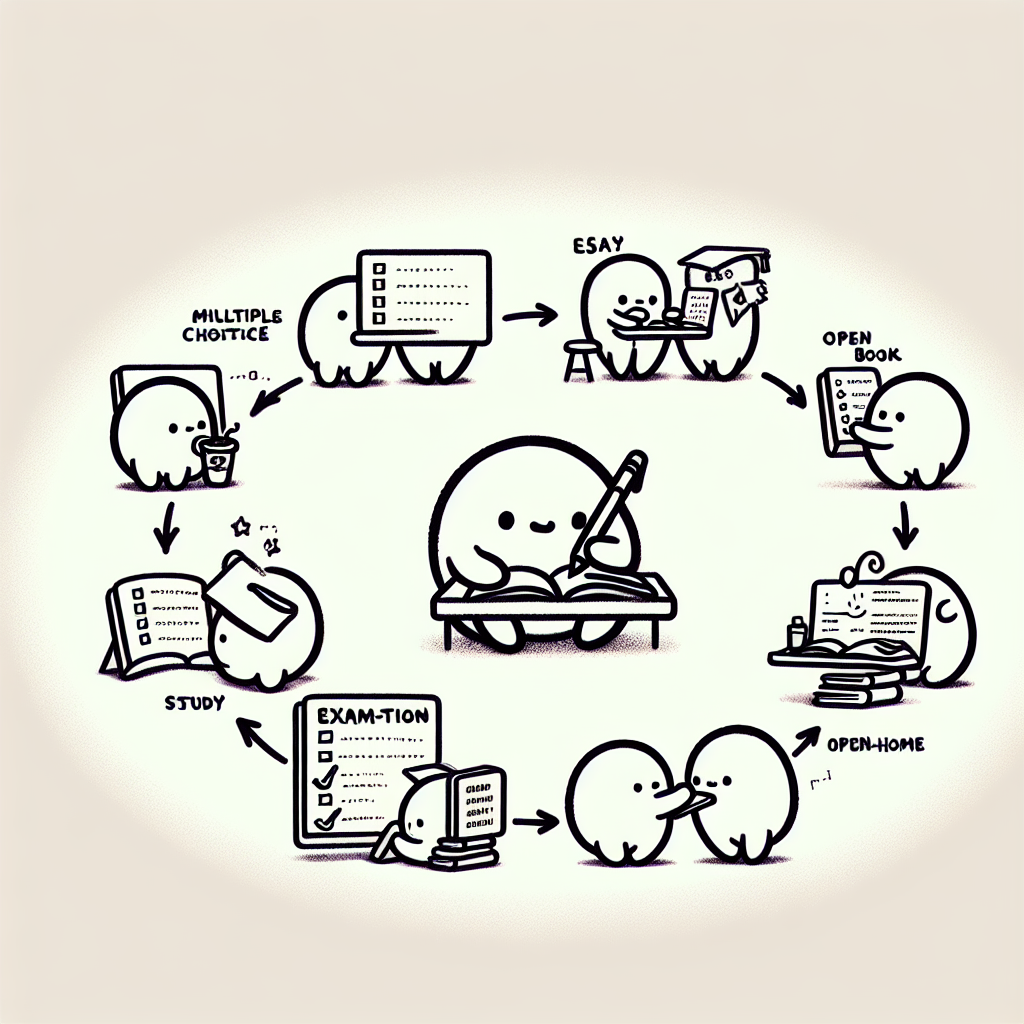
One of the most effective college success skills is learning how to set SMART goals. This method helps students define objectives that are Specific, Measurable, Achievable, Relevant, and Time-bound. For example, instead of saying “I want to do better in school,” a SMART goal would be “I want to raise my biology grade from a B to an A by the end of the semester by studying three extra hours per week.”
SMART goals support long-term academic and career planning by breaking down big ambitions into manageable steps. They help students track progress, stay focused, and make informed decisions about class schedules, internships, and extracurriculars that align with their future goals.
Building Intrinsic and Extrinsic Motivation
Motivation plays a central role in college success. Intrinsic motivation comes from within—driven by curiosity, interest, or a personal desire to succeed. Aligning academic goals with personal values and interests can enhance this type of motivation. For instance, a student passionate about the environment may feel more engaged in science courses that relate to sustainability.
Extrinsic motivation, such as earning good grades, receiving scholarships, or gaining recognition, can also be effective. Tools like reward systems, study groups, and accountability partners can help maintain momentum. Students might use apps to track progress or schedule regular check-ins with mentors or advisors.
Overcoming Academic Burnout
Burnout is a common challenge, and recognizing its signs—such as chronic fatigue, lack of motivation, or disengagement—is key to preventing long-term setbacks. Developing balance through time management, regular breaks, and self-care routines can help restore energy and focus.
Celebrating small wins, like completing a paper ahead of time or improving quiz scores, reinforces progress and builds confidence. These strategies are part of what programs like the University of Cincinnati Workshops offer, which include modules on motivation and setting academic priorities.
Developing strong motivation and goal-setting strategies is essential to mastering college success skills and staying resilient throughout the academic journey.
Stress Management & Emotional Resilience
Identifying Common Stressors in College
College students often encounter a range of stressors that can impact their academic performance and overall well-being. Academic pressure is one of the most prevalent, as students strive to meet deadlines, maintain good grades, and manage multiple assignments simultaneously. Social adjustment, including forming new relationships and navigating campus life, can also be challenging. Financial concerns, such as tuition costs, student loans, and budgeting for daily expenses, add another layer of stress. Additionally, many students experience a time and workload imbalance, struggling to juggle coursework, part-time jobs, and personal responsibilities.
Coping Strategies
To manage stress effectively, students can adopt several coping strategies. Mindfulness and meditation practices help students stay present and reduce anxiety. Regular physical activity and maintaining good sleep hygiene are also essential for reducing stress and improving mental clarity. Most campuses offer mental health resources, such as counseling centers and stress management workshops, which can provide professional support and guidance. Students can explore resources like the PennWest University study skills guide and the NACC Study Tool Kit for practical stress reduction techniques.
Building a Support System
Developing a strong support system is crucial for emotional resilience in college. Peer support groups and study buddies can offer encouragement and accountability. These connections can ease feelings of isolation and provide a sense of community. Accessing counseling services and seeking advice from academic advisors can also help students navigate stress and stay on track academically. Forming these connections contributes significantly to long-term college success skills.

Why Critical Thinking Matters in College
Developing strong critical thinking and problem-solving skills is essential for mastering college success skills. In college, critical thinking is not confined to a single subject; it is applied across disciplines—from analyzing historical events in a humanities course to evaluating data in a science lab. These skills help students question assumptions, analyze perspectives, and make logical conclusions.
Critical thinking also serves as the foundation for academic research and writing. Whether writing an argumentative essay or preparing a lab report, students must assess the credibility of sources, synthesize information, and present coherent arguments. Without robust critical thinking, academic work can lack depth and clarity.
📚 DeVry Writing Center emphasizes critical thinking as a pillar of academic success.
Techniques to Sharpen Thinking
One effective method for developing critical thinking is Socratic questioning. This technique involves asking and answering open-ended questions to explore underlying beliefs and assumptions. It encourages deeper insight and challenges students to justify their reasoning.
Another key technique is evaluating sources and arguments. Students must learn to distinguish between credible and non-credible sources, identify logical fallacies, and assess the strength of evidence. These skills are crucial when conducting research or engaging in academic discussions.
Real-Life Application
Colleges often use case studies, simulations, and group debates to help students apply critical thinking in real-world scenarios. Case studies require students to solve complex problems by analyzing information and proposing evidence-based solutions. Simulations place students in realistic situations where they must make decisions under pressure. Group debates foster collaborative thinking and help students view issues from multiple perspectives.
Incorporating these strategies helps students build practical, transferable skills that support both academic and career success.

Engaging Effectively with Faculty and Peers
Strong communication and collaboration are essential college success skills. Building respectful, effective relationships with faculty and peers supports both academic achievement and personal development.
Email Etiquette and Professional Communication
Email is a primary mode of communication in college settings. Effective emails should be clear, concise, and respectful. Students should use a professional tone, include a relevant subject line, and address faculty with appropriate titles (e.g., “Professor” or “Dr.”). It's important to proofread emails for clarity and grammar before sending. Prompt replies and courteous closings, like “Thank you” or “Best regards,” help maintain professional rapport. The DeVry Writing Center offers guidance on crafting effective emails and other types of academic communication.
Office Hours: How to Make the Most of Them
Office hours are an opportunity for students to build relationships with instructors and deepen their understanding of course material. To use office hours effectively, students should arrive prepared with specific questions or topics. Respecting the scheduled time and being concise shows consideration for the instructor’s time. Proactively visiting office hours early in the semester can establish a foundation for strong communication throughout the course.
Teamwork in Group Projects
Group projects are common in college and require clear communication and collaboration. Successful teamwork begins with delegation and role clarity. Assigning tasks based on individual strengths and setting clear expectations helps ensure accountability. Regular check-ins and shared deadlines keep the group on track.
Conflict resolution is another key to effective group work. Students should address disagreements early and constructively, focusing on shared goals rather than personal differences. Consensus-building techniques, such as active listening and compromise, help maintain a productive team dynamic. The Academic Skill Handouts | NC State provide specific strategies for managing group dynamics and resolving conflicts.
Mastering these communication and collaboration strategies can significantly enhance a student’s ability to navigate academic challenges and contribute positively to the college community.

Taking Ownership of Your Learning Process
Developing college success skills requires students to actively manage their learning journey. One key aspect is tracking academic progress. This involves regularly reviewing grades, monitoring assignment deadlines, and evaluating performance on quizzes and exams. By staying informed about their academic standing, students can identify areas needing improvement before challenges become setbacks.
Reflecting on feedback is another important habit. When instructors provide comments on assignments or tests, successful students take time to understand the guidance and apply it to future work. Adjusting study strategies based on this feedback—such as changing note-taking methods or seeking tutoring—can lead to significant improvements in academic performance.
Cultivating Discipline and Responsibility
Self-management and personal accountability also mean developing discipline and taking responsibility for commitments. Managing time effectively starts with setting clear priorities and creating schedules that balance academic, personal, and social responsibilities. Setting boundaries, such as limiting distractions during study time, helps maintain focus and productivity.
Establishing productive routines is essential for long-term success. This may include regular study hours, consistent sleep schedules, and designated time for physical activity. According to the DeVry Writing Center, self-management is crucial for maintaining academic momentum, emphasizing the need for students to take control of their daily habits and responsibilities.
By cultivating these disciplines, students enhance their ability to meet deadlines, absorb course material, and ultimately achieve their academic goals.

Additional Tools and Resources
To further enhance your college success skills, a variety of tools and resources are available from academic institutions. These platforms offer structured support in areas such as studying, writing, time management, and academic planning.
- The Study Tool Kit | NACC provides guides and templates to help students improve note-taking, test preparation, and organizational strategies.
- The Success Skills Workshops | University of Cincinnati offer sessions on key college success skills including goal setting, learning strategies, and exam techniques.
- PennWest University Libraries features a curated list of study skills resources, including articles and videos tailored to different learning styles.
- The DeVry Writing Center supports students in developing writing proficiency, an essential component of college success skills, with tips and tools for improving grammar, structure, and clarity.
- The NC State Academic Success Center provides online and in-person resources for building skills in time management, reading comprehension, and test-taking.
These resources are designed to help students strengthen the foundational college success skills necessary for academic achievement.
Conclusion
College success skills encompass more than raw intelligence—they involve understanding and applying systems and strategies that support consistent academic performance. Students who develop effective habits in time management, study techniques, communication, and self-care are better positioned for both academic achievement and long-term personal growth. Throughout college, taking advantage of campus and online resources can help reinforce and expand these essential skills, ensuring a solid foundation for continued learning and success.

 SHARE ON FACEBOOK
 SHARE ON TWITTER