Introduction: Why Networking in College Really Matters
Networking in college refers to the process of building relationships with peers, professors, alumni, and professionals that can support academic, career, and personal development. It involves connecting with others through classes, events, clubs, internships, and online platforms like LinkedIn.
Developing strong networks during college can have long-lasting benefits. Professionally, it opens doors to internships, job leads, and mentorship. Personally, it fosters confidence, communication skills, and a supportive community. Access to valuable opportunities often arises not just from what you know, but who you know.
Statistics underscore the importance of networking: an estimated 60% to 65% of jobs are found through networking, according to the University of Virginia. This highlights how crucial it is for students to start building their networks early, as these connections often lead to real-world opportunities after graduation.
The Strategic Value of Networking in College
🔍 Unlocking Hidden Opportunities
Networking in college can open doors to internships, research assistantships, scholarships, and even job offers. Often, these opportunities are not publicly advertised but are shared through personal connections and referrals. For example, students who build relationships with professors or attend industry events may be recommended for competitive internships or campus-based research roles. According to the Harvard University – Mignone Center, networking is a key strategy for discovering hidden opportunities and gaining a competitive edge in the job market.
👔 Gaining Career Clarity and Direction
Engaging in conversations with professionals can help students clarify their academic paths and long-term career goals. Through informational interviews and job shadowing, students can explore different industries and roles before making major decisions about their studies or internships. These experiences provide valuable insight into day-to-day responsibilities and required skills, helping students make informed choices about their future.
🛠️ Building Transferable Skills
Networking also helps students develop essential soft skills such as communication, confidence, and relationship management. Practicing active listening and engaging in two-way dialogue are integral parts of meaningful networking. As Dartmouth College notes, these interactions teach students how to present themselves professionally and follow up effectively—skills that are valuable in any career.
💡 Fostering Long-Term Professional Support
College networking creates lasting support systems that extend beyond graduation. Building relationships with mentors, alumni, and peers can lead to long-term collaborations and career guidance. Staying in touch with classmates and joining alumni networks can foster professional connections that may evolve into job referrals or business partnerships. As highlighted by Harvard University, these enduring relationships are among the most strategic assets students can develop through networking.
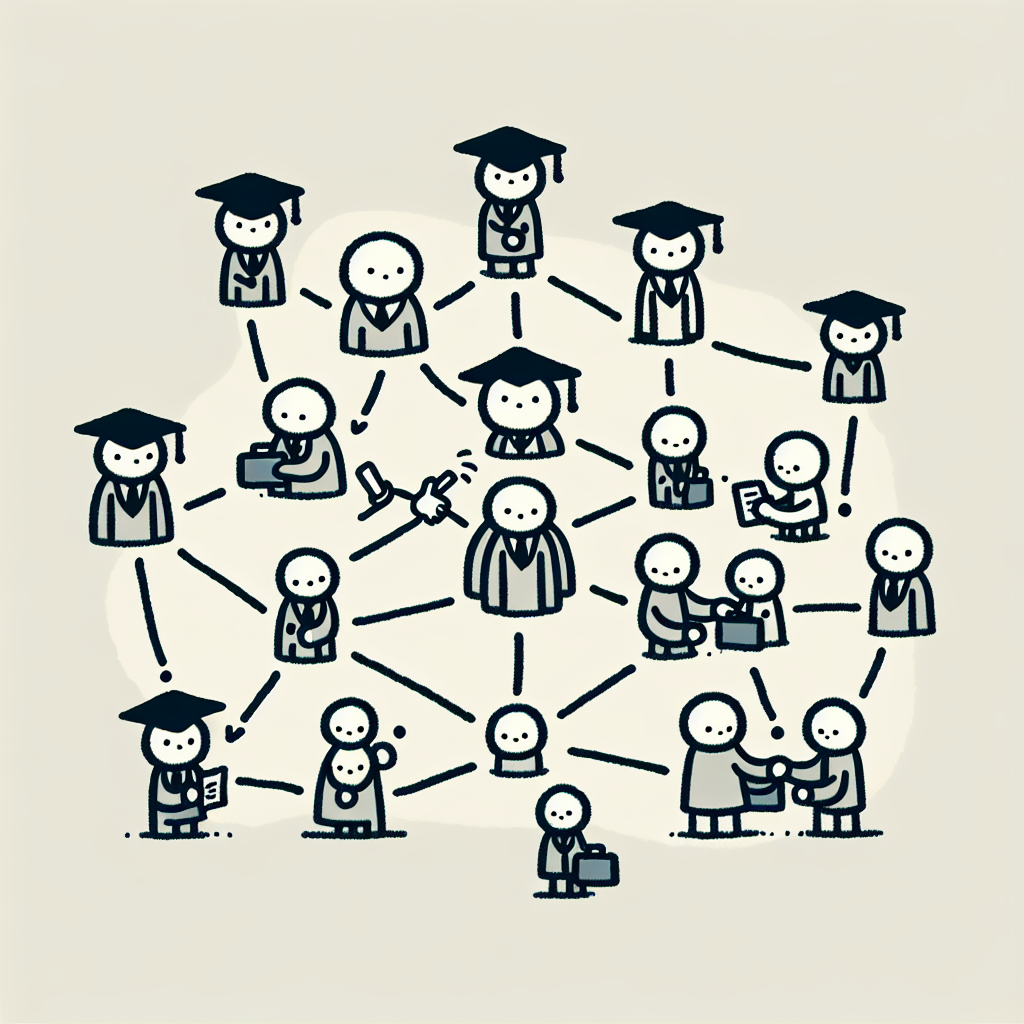
How to Start Networking as a College Student
🧑🤝🧑 1. Begin with Who You Know
One of the easiest ways to start building your network is by reaching out to people already in your life. Family members, friends, neighbors, and family friends can all be valuable sources of insight and opportunity. Even if their careers aren’t directly aligned with your interests, they may be able to connect you with others in their networks. Begin by making a list of potential contacts across various fields and consider setting up informational interviews to learn more about different industries (Boston University).
🏫 2. Tap into Campus Resources
Your college campus is full of networking opportunities. Career centers often host job fairs, resume workshops, and employer meet-and-greets. Professors, academic advisors, and student organization leaders can also connect you with professionals in your area of study. Many universities have alumni networks accessible through career services or platforms like LinkedIn, allowing you to reach out to graduates working in your desired field.
🌐 3. Use Online Tools Effectively
A professional online presence is essential. Start by building a complete and polished LinkedIn profile that highlights your education, experience, and goals. Join virtual communities related to your academic or career interests to stay informed and make connections. When reaching out to professionals via email or LinkedIn, use clear, respectful language and follow best practices for cold outreach—such as customizing your message and being concise.
🗓️ 4. Attend Events with a Purpose
Networking events like career fairs, workshops, speaker panels, and industry conferences are valuable opportunities to meet people and gain insights. Prepare beforehand by researching attendees or companies, preparing your introduction, and bringing copies of your resume. After the event, follow up with the people you met to maintain the connection. Setting specific goals—such as meeting three new people or learning about a particular career path—can make these events more productive (Dartmouth College).
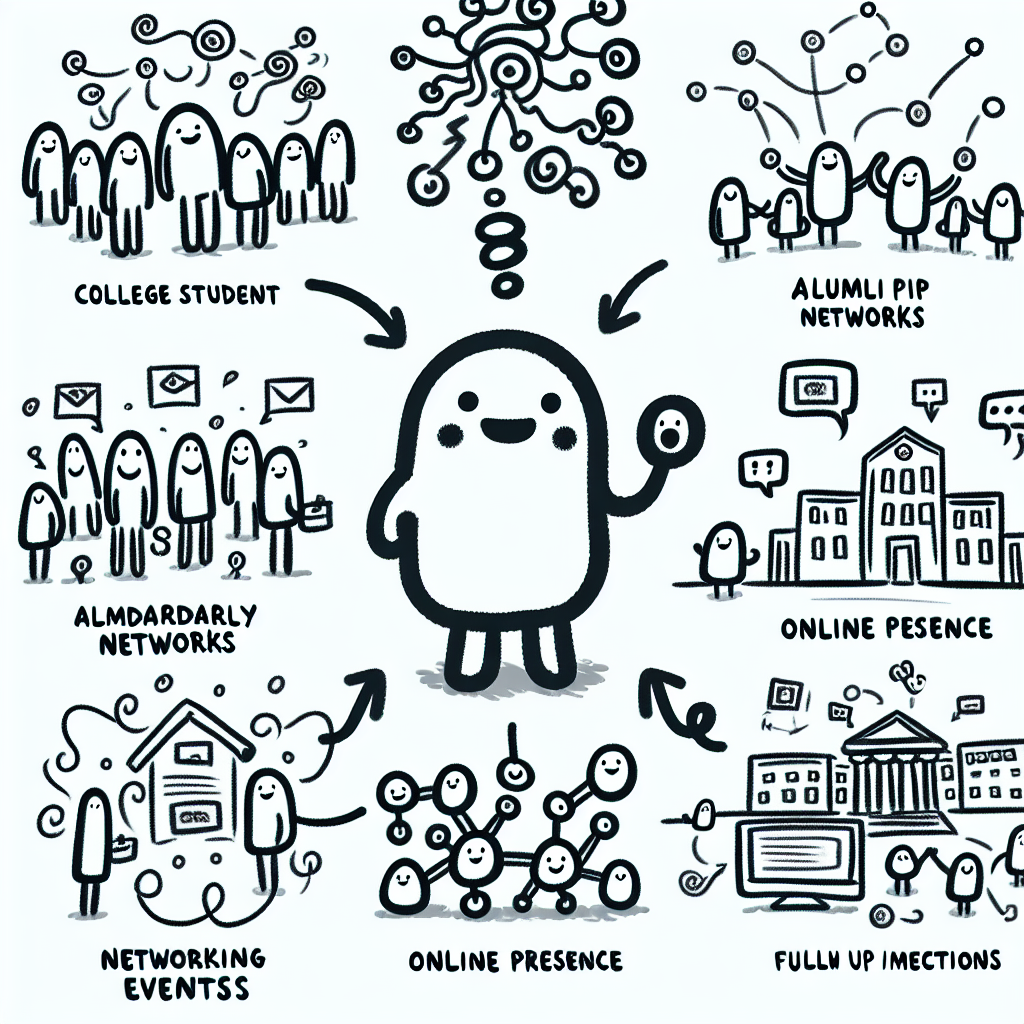
Building Meaningful and Mutually Beneficial Relationships
🗣️ Mastering the Art of Conversation
One of the most essential college networking tips is learning how to engage in meaningful conversations. Start by asking thoughtful questions that show genuine curiosity about the other person’s experiences, goals, or insights. This not only demonstrates respect but can also uncover shared interests. Active listening is key—make eye contact, nod, and paraphrase what the other person says to confirm understanding. Look for common ground to create a connection that goes beyond surface-level small talk. According to Dartmouth College’s Center for Career Design, strong conversations are a foundation of effective networking.
🤝 Cultivating Relationships Over Time
Networking does not end after the first meeting. Another important college networking tip is to nurture relationships through regular, respectful communication. This might include sending periodic updates about your academic progress or career interests, or checking in to share relevant articles or congratulate milestones. Make an effort to offer value—whether it’s introducing contacts, sharing resources, or offering help with a project. Recognize that networking is a reciprocal process. As noted by Pennsylvania State University, effective networking is built on mutual benefit and long-term engagement.
📅 Follow-Up and Maintenance Tips
Timely follow-up is critical. Send thank-you notes after meetings or events to show appreciation and reinforce your interest. Connecting on professional social media platforms like LinkedIn helps keep the relationship active and visible. Consider using a contact tracker—such as a spreadsheet or CRM tool—to log communications, dates, and follow-up tasks. This organizational habit ensures you manage your network strategically and maintain relationships over time, a crucial college networking tip for long-term success.

Advanced Networking Tactics for College Students
Joining Professional Associations and Clubs
One of the most effective college networking tips is to join student chapters of national professional organizations. These groups often offer access to exclusive job boards, industry-specific mentorship programs, and specialized learning opportunities. Being an active member can help students connect with professionals in their field, attend regional or national conferences, and stay updated on industry trends.
Starting Your Own Networking Events
Another advanced strategy is to take initiative by organizing your own networking events. Hosting panels, mixers, or interest-based meetups on campus can position you as a connector and leader among peers. Collaborating with career services or student government can provide additional resources and legitimacy to your event, attracting a wider audience and potentially bringing in alumni or industry professionals.
Building a Personal Brand
Developing a strong personal brand is a key tactic in modern networking. Creating and sharing content on LinkedIn or maintaining a personal blog can help you showcase your projects, internships, and leadership experiences. This digital presence not only highlights your skills but also makes it easier for others to find and connect with you professionally.

Conclusion: Take Charge of Your Future
College networking tips aren't just about finding a job after graduation—they're about developing a mindset that supports your career growth over the long term. Networking is a skill that, when practiced regularly, opens doors to mentorship, opportunities, and lifelong professional relationships.
Start small. Attend a campus event, reach out to a professor, or join a student organization. These small steps, taken consistently, help build your confidence and expand your network gradually.
Focus on building genuine connections. Strong professional relationships are built on mutual respect, shared interests, and authentic communication. These connections often extend well beyond your college years and can play an important role in your future success.
By viewing networking as a continuous part of your personal and professional development, you position yourself to take control of your future—not just during college, but throughout your entire career.

📚 Further Reading and Resources
To deepen your understanding and gain additional insights into effective college networking tips, explore the following university resources:
- Harvard University – Mignone Center for Career Success: Offers a comprehensive overview of why networking in college matters and how to get started effectively.
- University of Virginia – Career Center: Provides practical networking tips tailored for college students preparing for professional careers.
- Boston University – Questrom School of Business: Shares eight actionable strategies for building a strong network during college.
- Dartmouth College – Center for Career Design: Features a detailed networking guide for students looking to connect with alumni and industry professionals.
- Pennsylvania State University – Smeal College of Business: Presents a variety of networking resources and expert tips to support students in developing meaningful professional relationships.
These resources expand on the core college networking tips and provide specific, actionable advice from leading academic institutions.

📝 Bonus Tools & Templates
To make the most of your college networking efforts, having the right tools and templates can save time and improve results. Below are practical resources tailored to common networking scenarios.
Sample Cold Outreach Emails
Cold emailing can be intimidating, but a good template makes it easier to start a conversation. Here’s a simple format:
Subject: Student at [Your University] Seeking Career Advice
Body: Hi [Name],
My name is [Your Name], and I’m a [Your Year] studying [Your Major] at [Your University]. I came across your profile on [LinkedIn/company website] and was impressed by your work in [Industry/Field]. I’d be grateful for 15–20 minutes of your time to ask a few questions about your career path and any advice you might have for a student interested in [related field].
Thank you for considering my request.
Best regards,
[Your Name]
[Your Email]
[LinkedIn Profile]
Event Preparation Checklist
Before attending networking events, use this checklist to ensure you’re fully prepared:
- Research the event and attendees
- Prepare a brief personal pitch
- Bring business cards or have LinkedIn QR code ready
- Dress appropriately for the setting
- Set goals for people to meet or industries to learn about
- Prepare questions to ask professionals
Networking Conversation Starters
Good questions help break the ice and create meaningful interactions. Here are a few to keep in mind:
- What inspired you to pursue your current role?
- How did you get started in this industry?
- What’s the most rewarding part of your job?
- What skills do you think are most important for success in your field?
- Any advice for a student looking to follow a similar path?
Contact Tracking Spreadsheet
Keeping track of your networking connections is key to maintaining relationships. A contact tracking spreadsheet should include:
- Name
- Company/Organization
- Role/Title
- Date of contact
- Notes from conversation
- Follow-up date
- Contact method (email, LinkedIn, etc.)
Using these college networking tips and tools will help you stay organized and build stronger, long-term connections.

 SHARE ON FACEBOOK
 SHARE ON TWITTER