Why Brainstorming Matters for College Essays
College essay brainstorming is a crucial first step in the writing process. It allows students to go beyond surface-level ideas and uncover meaningful personal stories that reveal who they are. Since college essays are a rare chance to show admissions officers the person behind the application, brainstorming helps students identify experiences and values that can't be captured in grades or test scores.
By taking the time to brainstorm, students can clarify their ideas before drafting. This makes the writing process more focused and purposeful. Instead of struggling to figure out what to say mid-essay, students who brainstorm effectively have a clear direction from the outset.
Brainstorming also builds confidence in a student's voice. Exploring different aspects of their identity and experiences helps them find authentic stories that feel true to who they are. This confidence translates into writing that feels more personal and compelling.
Finally, college essay brainstorming saves time. With a solid foundation of ideas, students spend less time revising and reworking drafts. The clarity and confidence gained from brainstorming lead to more efficient and effective essay writing.
Understanding the Goals of a College Essay
College essay brainstorming begins with a clear understanding of what admissions officers are seeking. The college essay is more than just a writing sample—it's a window into the applicant's personality, values, and potential fit for the institution.
What Admissions Officers Look For
Admissions officers prioritize authenticity and personal reflection. They want to hear the applicant’s real voice and understand who they are beyond their academic record. A compelling essay often shows personal growth, insight, or a moment of transformation. It should also showcase clarity of purpose—why the applicant is pursuing certain goals—and strong communication skills, such as coherent organization and thoughtful word choice.
Common Types of College Essay Prompts
Understanding the types of prompts is vital during college essay brainstorming. The personal statement, like the Common App essay, invites students to share a meaningful story or insight. Supplemental essays vary by school and may ask "Why this college?", request a diversity statement, or explore specific interests. Thematic prompts often center around overcoming challenges, showing resilience, or demonstrating intellectual curiosity. Each type requires a different approach but shares the goal of revealing the applicant’s genuine perspective and experiences.

🛠️ Brainstorming Techniques: Tools and Strategies
Visual Brainstorming Methods
Mind Mapping
Mind mapping is a powerful visual technique for college essay brainstorming. Start with a central node, like "Me," and branch out into categories such as family, school, passions, and challenges. This approach helps uncover connections across different parts of your life. Merced College's Brainstorming Guide highlights mind mapping as a non-linear method that fosters creativity and links ideas in meaningful ways.
Diagrams and Concept Maps
Diagrams and concept maps offer another visual route to explore your experiences and values. They allow you to chart how various events and beliefs intersect, helping you identify potential essay themes. University of Southern Maine's Writing Resources provides templates to help you start mapping your ideas.
Charts and Lists
Creating comparative lists or charts is a straightforward way to organize thoughts. Break down your life into events, interests, successes, and challenges. This clear structure can make it easier to identify patterns and select strong essay topics. University of Iowa's Brainstorming Techniques recommends using lists and charts to maintain clarity.
Reflective Exercises
The Timeline Method
Draw a timeline of your life from childhood to the present. Mark significant moments of growth, change, or learning. This exercise can uncover pivotal stories for your college essay.
The 5-Senses Snapshot
Choose a vivid memory and recall it using all five senses. Describe what you saw, heard, smelled, touched, and felt emotionally. This technique helps add depth and sensory detail to your brainstorming process.
The 21 Questions Game
Answer a series of reflective prompts like "What do you care about?" or "When did you fail?" This structured self-questioning can reveal meaningful content for your essay. Columbia University's Application Brainstorming Worksheet supports this method for deeper self-reflection.
Freewriting and Journaling
Set a timer and write continuously about a specific question or memory. Don’t worry about grammar or structure—just let your ideas flow. This unfiltered approach can surface unexpected insights for your college essay brainstorming.
Peer Brainstorming
Talking with a friend, teacher, or counselor can provide new perspectives. Others might recognize compelling stories or qualities that you hadn’t considered. Peer brainstorming makes the process more interactive and well-rounded.
Organizing Your Ideas
Once you've completed your initial college essay brainstorming, the next step is organizing your ideas into a coherent and compelling narrative. This process involves grouping related concepts, narrowing down your focus, and selecting a structure that best conveys your story.
Grouping and Theming
Start by clustering your brainstormed ideas into broad categories such as identity, challenges, successes, or personal values. This thematic organization helps uncover patterns or highlight contrasts in your experiences. For example, if multiple ideas touch on perseverance, that could signal a strong central theme. Identifying these groupings can guide you toward a more focused and meaningful essay.
Narrowing Down a Topic
Once themes emerge, apply the "So what?" test to each potential topic. Ask yourself whether the subject reveals something significant about who you are. A strong college essay topic should illuminate your personal growth, character, or aspirations. It should also relate to your future goals or how you see yourself evolving in a college setting. If the topic doesn’t pass this test, consider refining it or choosing another one that does.
Structuring Your Narrative
After selecting a topic, choose a narrative structure that enhances your story. Common formats include:
- Linear: Chronological storytelling from beginning to end.
- Circular: Starting and ending with the same idea or moment for emphasis.
- Montage: A collage of moments centered around a unifying theme.
- Vignette: Short, descriptive scenes that collectively tell a larger story.
For guidance on structure and examples of effective essays, CUNY's College Essay Writing Resource offers valuable tools to help students analyze different approaches and select one that aligns with their message.
Organizing your ideas after college essay brainstorming is essential to developing a focused, authentic, and well-structured essay that highlights who you are and what you value.

Transitioning from Brainstorming to Drafting
Creating an Outline
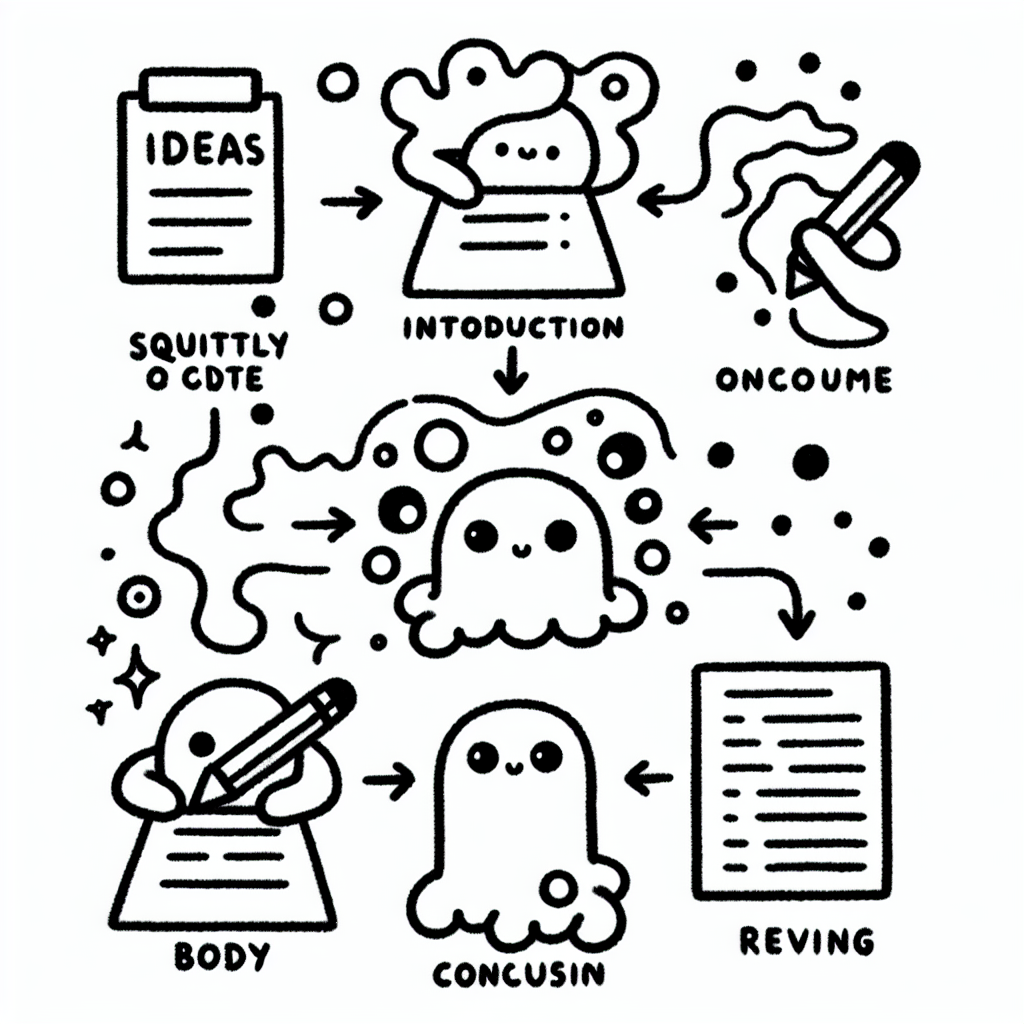
Once you've gathered your ideas through college essay brainstorming, the next step is to create a structured outline. Begin with the introduction, where you'll craft a compelling hook to draw the reader in, provide brief context about your story, and end with a clear thesis that reflects the main point of your essay.
In the body paragraphs, include specific examples drawn from your brainstorming sessions. These should be moments that reveal your character, growth, or values. After each example, include reflection that explains why the experience mattered and what it taught you. This ensures your essay goes beyond recounting events and instead highlights meaningful insight.
End with a conclusion that ties your story together. Offer a final insight and a forward-looking statement that shows how your past experiences have prepared you for the future.
Building Momentum
To start drafting effectively, choose the story from your brainstorming that resonates the most emotionally. This will help you write with authenticity and energy. Use vivid sensory details to bring the reader into your world, and maintain your authentic voice throughout. These elements will make your writing more engaging and personal.
Revisiting Your Brainstorm
As you draft, return to your original brainstorming notes to make sure your essay aligns with your strongest themes. Ask yourself if your draft still reflects the core ideas you identified. Also, evaluate whether you're showing rather than telling—illustrate your points through actions, dialogue, and specific scenes rather than simply stating them. This approach helps create a more compelling and memorable essay.
📚 Additional Resources for Support
When it comes to college essay brainstorming, tapping into trusted academic resources can make the process more effective and less overwhelming. Several universities offer tools and guidance to support students in generating strong, personal essay ideas.
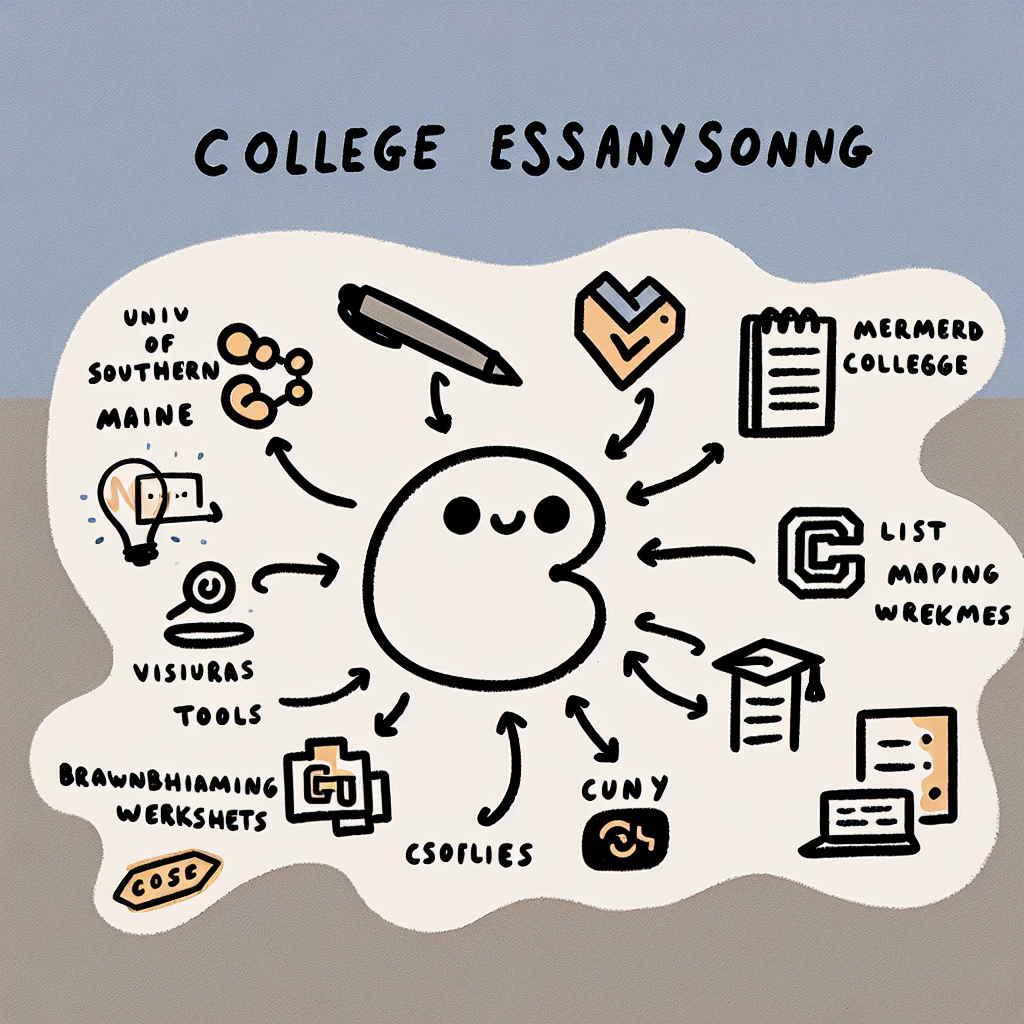
The University of Southern Maine's Writing Resources provide templates and visual tools specifically designed to assist with the brainstorming stage. These can help students organize their thoughts and identify promising topics.
Columbia University's Brainstorming Worksheet offers a structured approach to self-reflection, encouraging students to explore their experiences and values to uncover meaningful essay themes.
Merced College's Guide introduces mind mapping and concept generation techniques. These methods are especially helpful for visual learners trying to connect ideas and themes.
CUNY's College Essay Resource delivers comprehensive support from the brainstorming phase all the way through to the final draft, making it a valuable all-in-one resource.
Finally, the University of Iowa's Brainstorming Techniques include list- and chart-based strategies that help students develop and refine their ideas efficiently during the college essay brainstorming process.
Final Tips for Effective Brainstorming
Brainstorming is not just a prewriting step—it's the foundation of a compelling college essay. The more intentional and creative your idea development, the more authentic and memorable your application will be.
To make the most of your college essay brainstorming, keep these final tips in mind:
- Start early: Begin the brainstorming process well before application deadlines. Giving yourself time allows you to explore different ideas, reflect on your experiences, and uncover meaningful stories without the pressure of a ticking clock.
- Be honest: Focus on stories and experiences that genuinely matter to you. Admissions officers can tell when an essay is authentic. Don’t choose a topic just because it sounds impressive—choose one that reflects your true self.
- Stay organized: Use tools like mind maps, bullet lists, or digital apps to track and sort through your ideas. Organizing your thoughts helps you see connections between themes and ensures you don’t lose track of promising concepts.
- Iterate: Brainstorming doesn’t stop after your first idea. Revisit your notes, challenge your assumptions, and refine your direction as you move through the writing and revision stages. Revising your brainstorm can lead to deeper insights and stronger essays.
Effective college essay brainstorming is a dynamic, ongoing process. By starting early, staying honest, keeping organized, and iterating, you'll lay a strong foundation for a standout application.
 SHARE ON FACEBOOK
 SHARE ON TWITTER