Introduction
Balancing school and social life is a challenge many students face. With academic demands on one side and the desire for meaningful friendships and personal time on the other, finding the right equilibrium is essential. When schoolwork consumes all attention, students may miss out on valuable social experiences that contribute to emotional well-being. On the flip side, too much focus on social activities can hurt academic performance.
An imbalance between school and social life often leads to stress, burnout, and missed opportunities. Students overwhelmed with responsibilities may experience anxiety, lack of motivation, and even health issues. Social isolation or academic underperformance can be signs that balance is lacking.
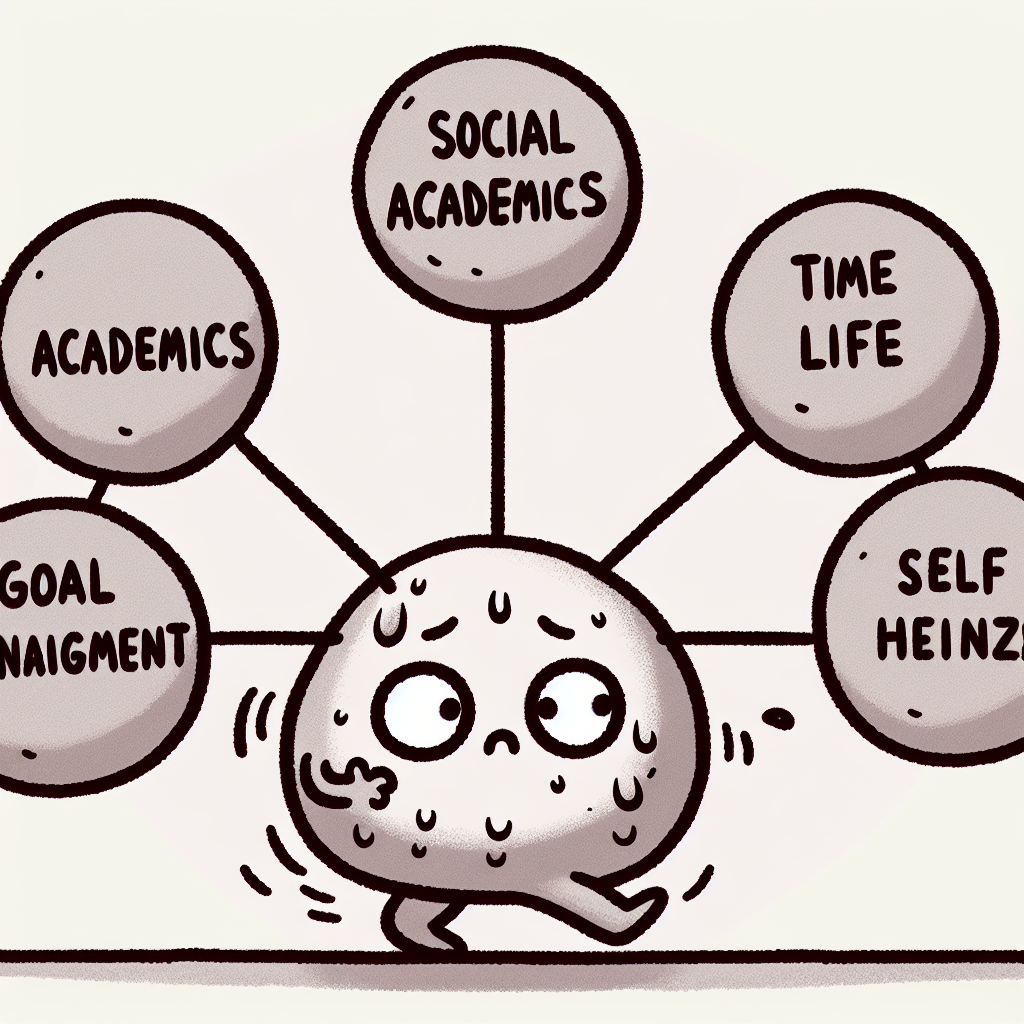
To manage this, students need to develop key skills like time management, goal setting, prioritization, and self-care. These abilities help create a sustainable routine that supports both academic success and personal growth. Understanding and applying these skills is crucial for maintaining a healthy and productive student life.
The Foundations of Balance
Time Management: The Cornerstone of Success
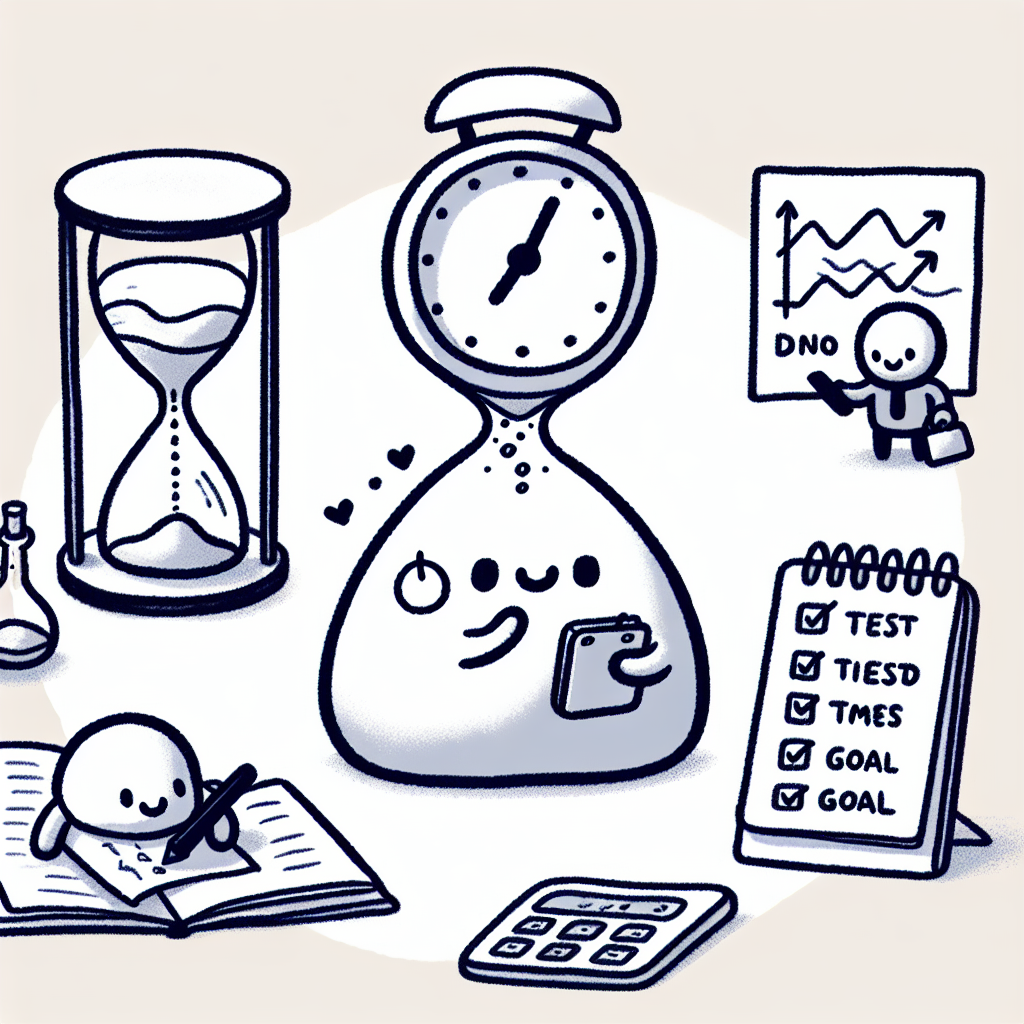
Effective time management is essential to successfully balancing school and social life. Planning ahead with calendars, planners, and digital tools allows students to visualize their responsibilities and avoid last-minute stress. Utilizing methods like the Pomodoro Technique—where focused work sessions are followed by short breaks—can enhance concentration and efficiency.
Creating a weekly schedule is another practical approach. By allocating specific time blocks for classes, studying, and social activities, students can maintain structure while still leaving room for flexibility. The University of Wisconsin–Madison emphasizes that managing time effectively is foundational to achieving a balanced lifestyle. Similarly, the University of Michigan offers real-life strategies to help students integrate time management into their daily routines.
Setting Realistic and Achievable Goals
Establishing clear, realistic goals is another key element in balancing school and social life. The SMART goals framework—Specific, Measurable, Achievable, Relevant, and Time-bound—helps students set objectives that are both actionable and attainable.
Balancing short-term wins, like completing weekly assignments, with long-term objectives, such as preparing for exams or building a strong GPA, ensures steady academic progress. It’s also important to avoid the trap of perfectionism; managing expectations can prevent burnout and maintain motivation. According to the University of Wisconsin–Madison, setting realistic goals supports sustainable academic and personal development.
Academic Excellence Without Sacrificing Social Life
Balancing school and social life requires intentional planning and self-awareness. Structuring academic commitments strategically allows students to stay on top of their responsibilities without missing out on meaningful social experiences.
Structuring Academic Commitments
Prioritizing assignments and exams is essential. Start by identifying key deadlines and exam dates early in the semester. Use planners or digital calendars to map out study time, allowing for flexibility when unexpected tasks arise. Tackling high-impact assignments first can reduce last-minute stress.
Employing active learning techniques—such as summarizing material in your own words, using flashcards, or teaching concepts to others—can improve retention and reduce the time needed for studying. This approach maximizes efficiency, freeing up time for personal activities.
Equally important is recognizing personal limits. Saying "no" to additional responsibilities, whether academic or extracurricular, helps prevent burnout. Avoiding overcommitment ensures that energy is conserved for both academic success and social engagement.
Integrating Social Life Mindfully
Social interaction plays a vital role in maintaining mental health and fostering personal growth. Building relationships can enhance emotional resilience and reduce feelings of isolation.
Finding your community through clubs, organizations, or shared-interest groups creates a sense of belonging. These settings provide structured opportunities to connect with like-minded peers without overwhelming your schedule.
Quality should take precedence over quantity in social interactions. Focus on building a few strong, supportive relationships rather than spreading yourself thin across numerous social circles. This approach allows for deeper connections while preserving time for academic pursuits.
A Boston University graduate student shares that setting realistic study goals and scheduling downtime with friends helped her maintain balance. Her strategy involved recognizing when to recharge socially and when to commit fully to coursework, an approach that supported both academic excellence and personal well-being.

Balancing School, Work, and Social Life
Balancing school and social life becomes even more complex when work responsibilities are added to the mix. To stay effective and avoid burnout, it's important to create a clear hierarchy of responsibilities and commitments. List out academic deadlines, work shifts, and social obligations to determine which tasks are time-sensitive and which can be flexible.
Understanding your own energy levels is also crucial. Schedule demanding tasks like studying or working when you feel most alert, and reserve lower-energy periods for socializing or rest. This approach helps maintain productivity without sacrificing personal time.
Clear communication is key. Set boundaries with employers and peers by letting them know your availability and limits. This prevents overcommitment and ensures your time is respected.
The University of Nebraska–Lincoln emphasizes that prioritization and maintaining a healthy work/life balance are essential strategies for students managing multiple roles.
Managing Stress and Avoiding Burnout
When balancing school and social life alongside work, it's important to recognize early signs of overload, such as constant fatigue, irritability, or declining academic performance. These indicators suggest it's time to reassess your schedule.
Incorporating daily self-care habits supports long-term balance. This can include getting adequate sleep, eating regularly, exercising, and taking short breaks throughout the day. Even brief moments of rest can help reset your focus and reduce stress.
Many campuses offer resources designed to help students manage stress. Counseling services, academic support centers, and wellness programs are available to assist in maintaining mental and emotional health. Utilizing these services can make it easier to stay on track while balancing school and social life.
Tools and Strategies for Daily Balance
Balancing school and social life requires practical tools and mindful strategies to stay organized, focused, and emotionally grounded. Incorporating digital solutions, mental wellness practices, and a strong support system can help maintain a healthy daily rhythm.
Digital Solutions
Using apps like Todoist, Notion, and Forest can make a significant difference in managing time effectively. Todoist helps schedule academic tasks and social events, while Notion provides a customizable workspace for notes, calendars, and habit tracking. Forest encourages focus by limiting phone use during study sessions, helping reduce the temptation of social media.
Establishing boundaries with social media is also critical. Turning off non-essential notifications, setting daily usage limits, or designating specific times for checking apps can minimize distractions and free up time for both studying and socializing.
Mindfulness and Mental Wellness
Mindfulness practices such as meditation and deep breathing exercises can improve concentration and reduce stress. Taking just five to ten minutes daily to meditate can create mental space to better handle academic and social demands.
Journaling is another effective method for maintaining balance. Reflecting on daily experiences helps process emotions and clarify priorities. Regular journaling can reveal patterns and prompt adjustments to better align with personal goals.
According to Virginia Tech, developing a holistic approach to life balance includes nurturing mental, emotional, and physical well-being. Their strategies emphasize the value of self-awareness and consistent routines to manage competing responsibilities.
Building a Support System
A reliable support system can make balancing school and social life more manageable. Roommates, friends, family, and mentors offer emotional support, advice, and accountability. Open communication with these individuals helps create a network that understands and supports your goals.
Asking for help when overwhelmed is a sign of strength, not weakness. Whether it's requesting a study partner, talking to a counselor, or leaning on a friend, seeking support can prevent burnout.
Accountability partnerships also encourage consistency. Sharing goals and checking in regularly with a peer can motivate you to stay on track with academic and social commitments alike.

Case Studies and Real-Life Experiences
Balancing school and social life looks different for every student, but real-life experiences can offer valuable insights. Here are a few testimonials from students who have faced this challenge and found ways to manage it effectively.
Student Testimonials
Maria, a third-year biology major, shares: "I used to say yes to every social event, even during exam weeks. I realized I was burning out fast. Now I use a planner to block out study and rest times first, then fit in social activities. It’s not perfect, but it’s sustainable."
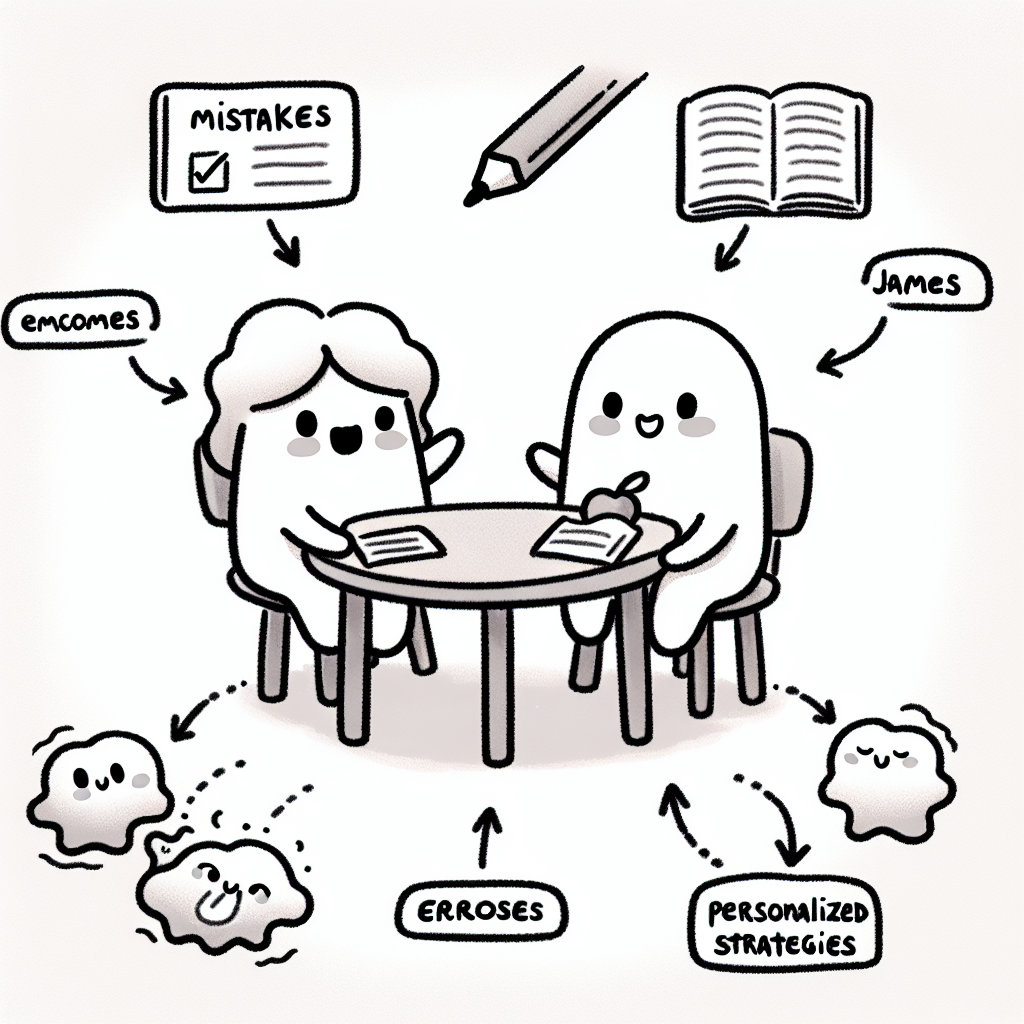
James, a community college student, explains: "I work part-time while attending classes. My trick is combining both worlds—studying with friends or turning study sessions into group hangouts. It keeps me grounded and productive."
Mistakes Made and Lessons Learned
Many students initially struggle with overcommitting or procrastinating. For example, Tina, a freshman, admits: "I underestimated how much time college coursework would take. I ended up skipping sleep to hang out with friends. One bad midterm was a wake-up call. Now I prioritize and say no when I need to."
These experiences show that trial and error is often part of the process when balancing school and social life. Learning from missteps helps students refine their approach.
Customizing Strategies
There’s no one-size-fits-all solution. Some students rely on digital calendars, while others use whiteboards or bullet journals. Liam, a senior, found that studying early in the morning gave him free evenings to socialize: "I’m not a night owl, so I adjusted my schedule to fit my rhythm. It made a huge difference."
From structured routines to flexible planning, customizing strategies based on personality, workload, and social needs is key to successfully balancing school and social life.
Conclusion: Creating Your Own Balance Blueprint
Balancing school and social life requires consistent effort and intentional planning. Some of the most effective strategies include setting clear priorities, using time management tools like planners or digital calendars, and learning to say no when necessary. Establishing boundaries and scheduling downtime can also help maintain a sustainable rhythm.
It's important to remember that your needs and responsibilities will change over time. Reassess your routines regularly to ensure they still align with your goals and well-being. Flexibility is key—what works one semester may not work the next.
Ultimately, balancing school and social life is a personal process. By staying adaptable and resilient, you can create a blueprint that supports both academic success and meaningful social connections.

Additional Resources
For students seeking more guidance on balancing school and social life, the following resources offer expert advice and practical strategies:
- The University of Wisconsin–Madison provides tips on managing academic responsibilities while maintaining personal well-being.
- The University of Nebraska–Lincoln shares insights into how students can effectively juggle coursework, employment, and a social life.
- The University of Michigan offers a video resource discussing the experiences of students who have successfully navigated balancing school and social life.
- Boston University features a video aimed at graduate students on how to maintain a healthy life balance during demanding academic programs.
- Virginia Tech presents a series focused on family and student life, emphasizing strategies for achieving balance in various aspects of daily living.
These resources can help students develop better time management skills and foster a more sustainable approach to balancing school and social life.

 SHARE ON FACEBOOK
 SHARE ON TWITTER