
Introduction
A strong college application strategy is essential for students aiming to gain admission into selective and highly selective colleges. This guide is designed to provide a comprehensive, strategic roadmap that helps students navigate the complex admissions process with clarity and confidence.
In today’s competitive landscape, having a well-structured and informed college application strategy can make a significant difference. Acceptance rates at top-tier institutions continue to decline, making it more important than ever for students to approach applications with intentionality and foresight.
This guide is grounded in data-driven insights drawn from educational research, expert opinions, and institutional recommendations. By integrating proven strategies and current admission trends, it offers practical advice that empowers students to make informed decisions throughout their college application journey.

Understanding the Competitive Landscape
The Reality of Selective Admissions
As students develop a college application strategy, it's essential to grasp the competitive nature of selective admissions. Over the past decade, the number of applicants to highly selective colleges has steadily increased, while acceptance rates have remained flat or declined. This mismatch has made entry into top-tier institutions more difficult, even for well-qualified candidates.
Colleges have also adjusted their acceptance criteria over time. There is a greater emphasis on holistic review processes, which consider not only academic performance and test scores but also extracurricular involvement, personal essays, and other qualitative factors. Despite this shift, strong academic metrics remain foundational to a competitive application.
Who Meets the Criteria?
Data from the National Center for Education Statistics report, "Making the Cut: Who Meets Highly Selective College Entrance Criteria", reveals that most students do not meet all the key benchmarks expected by highly selective institutions. These benchmarks typically include high GPAs, top standardized test scores, and rigorous coursework.
The report also highlights demographic disparities in who meets these criteria. Students from higher-income families and those attending well-resourced high schools are more likely to meet selective admissions standards. In contrast, students from underrepresented communities often face systemic barriers that affect their ability to compete on equal footing. These disparities underscore the importance of factoring equity and access into any college application strategy.

Core Components of a Strong Application
Academic Excellence
GPA Requirements
A strong college application strategy includes a clear understanding of GPA expectations. Admissions officers often look for trends in academic performance over time. An upward trajectory in GPA can demonstrate resilience and a commitment to improvement, which may outweigh a stagnant or declining academic record. Both unweighted and weighted GPAs are considered: unweighted GPA reflects raw academic performance, while weighted GPA accounts for course difficulty. Applicants should understand how their school calculates GPA and provide context when necessary.
Standardized Tests (SAT/ACT)
In a test-optional landscape, standardized test scores have become a strategic element of the college application strategy. High scores can enhance an application, particularly when they align with or exceed the median scores of a college’s admitted students. However, if scores are below average or inconsistent with the rest of the application, it may be advantageous to withhold them. Students should research each school’s testing policy and consider how their scores compare to institutional benchmarks before deciding to submit.
High School Coursework
The rigor of high school coursework plays a critical role in demonstrating academic readiness. Colleges evaluate whether students challenged themselves through Advanced Placement (AP), International Baccalaureate (IB), Honors, or Dual Enrollment classes. However, this evaluation is contextual—admissions officers consider the courses available at a student’s school and whether the student maximized those opportunities. A strategic course selection that aligns with academic interests and maintains a manageable workload reflects thoughtful planning.
Holistic Admissions Factors
Letters of Recommendation
Letters of recommendation offer insight into a student’s character and academic abilities. A sound college application strategy includes carefully selecting recommenders—typically teachers from core academic subjects who know the student well. Applicants should provide recommenders with relevant materials, such as a resume or a summary of goals, to help them write detailed and personalized letters. Requests should be made early, ideally at the end of junior year or early in senior year, and always with professionalism and gratitude.
Extracurricular Activities
Colleges value quality over quantity in extracurricular involvement. A focused list of meaningful activities—where students demonstrate leadership, initiative, and tangible impact—can significantly strengthen an application. Whether through clubs, sports, community service, or independent projects, activities should contribute to a cohesive personal narrative. A strategic approach involves depth in a few areas rather than superficial involvement in many.
Personal Essays and Statements
Personal essays are a key component of a college application strategy. These essays should be authentic, reflective, and well-structured, offering a glimpse into the applicant’s personality and values. Strong essays avoid clichés, excessive editing, and vague generalities. Instead, they focus on specific experiences and insights that reveal the student’s unique perspective. A thoughtful essay can distinguish an applicant in a competitive pool.

Building a Strategic Application Plan
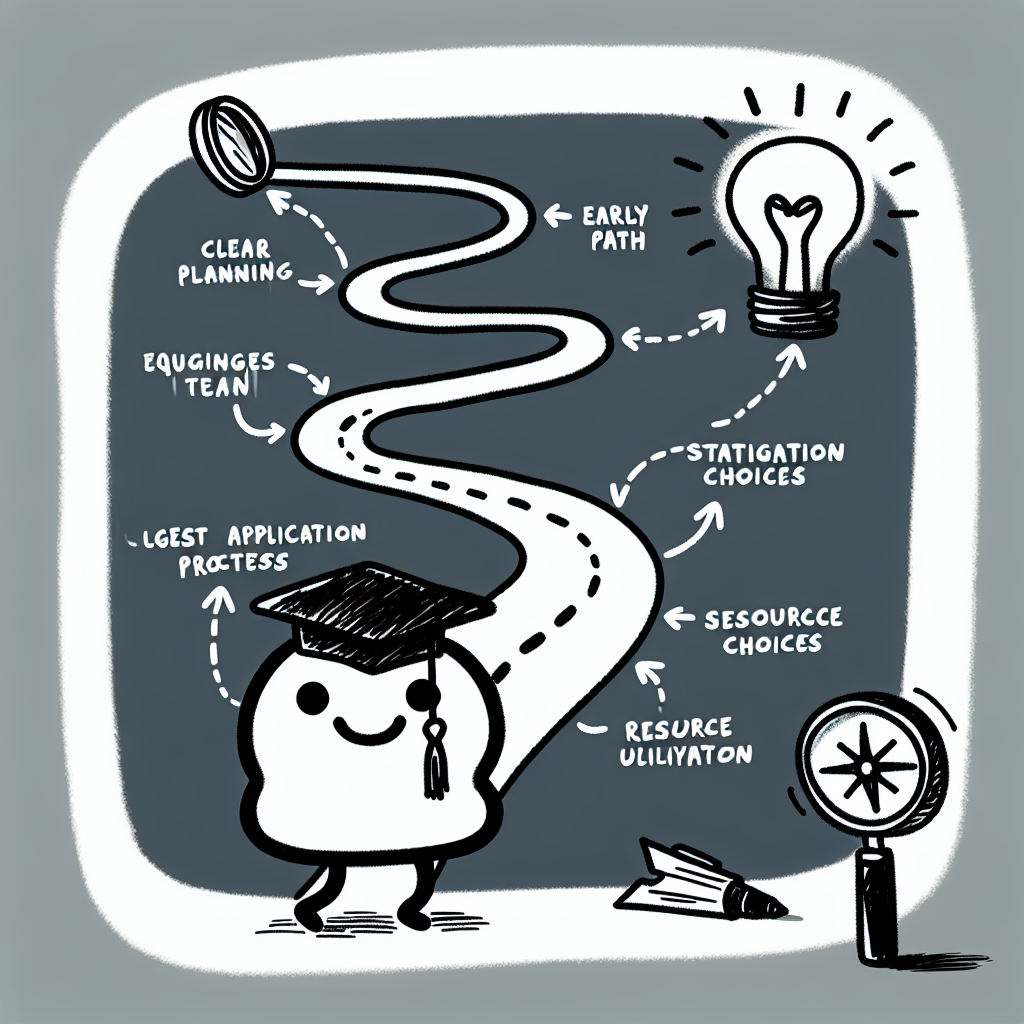
A strong college application strategy starts with a well-structured plan. Building a strategic application plan involves thoughtful research, careful scheduling, effective use of resources, and personalized application efforts.
Step 1: Early College Research
Begin by exploring colleges early to understand what each institution offers and how your profile aligns. Tools like the Johns Hopkins College Planning Guide can help identify key factors such as academic programs, campus culture, and location. As part of your college application strategy, compile a balanced list of schools categorized into Reach, Match, and Safety to optimize your chances of admission while ensuring good academic and social fit.
Step 2: Timelines and Deadlines
Create a master calendar to track all components of the application process, including standardized tests, recommendation requests, and essay deadlines. Pay close attention to early action and early decision deadlines, as applying early often improves chances of acceptance and access to scholarships. A detailed timeline is essential to maintaining a focused and organized college application strategy.
Step 3: Resource Utilization
Take advantage of available support systems. The College Application Resource Directory by UC Berkeley provides tools and contacts that are particularly helpful. Local counselors, community organizations, and online platforms can also offer guidance and feedback. Effective resource use strengthens your overall college application strategy.
Step 4: Application Customization
Tailor each application to reflect the unique qualities and values of each institution. Personalize essays and highlight appropriate experiences. Showing demonstrated interest through campus visits, virtual tours, and interviews can further enhance your application. Customization is a key component of a successful college application strategy, showing admissions officers your genuine interest and fit for the school.

Addressing Equity and Access
Demographic Disparities in Meeting Criteria
A key factor in shaping an effective college application strategy is understanding the demographic disparities that influence who meets the entrance criteria for highly selective colleges. According to a report from the National Center for Education Statistics (NCES), only about 17% of high school graduates meet the academic thresholds typically required by highly selective institutions. Disparities are particularly evident across racial and socioeconomic lines. For example, fewer than 10% of Black and Hispanic students meet these criteria, compared to over 25% of White and Asian students.
Underrepresented students often face systemic barriers that hinder their ability to meet these benchmarks. Factors such as limited access to advanced coursework, experienced teachers, and college preparatory resources contribute to this gap. These disparities highlight the need for targeted interventions that address the structural inequities embedded in the education system.
The Role of Messaging and Support Programs
Improving equity in college application strategy also involves rethinking how support is delivered to students. The GEAR UP Messaging Study evaluated the impact of text-based guidance on college enrollment and persistence. The findings indicate that messaging alone is insufficient to produce meaningful changes in student outcomes. While such tools can raise awareness, they often fall short without additional support.
The study underscores the importance of multi-pronged, personalized advising strategies as part of a comprehensive college application strategy. These include in-person advising, tailored college lists, and assistance with financial aid applications. Effective support programs must be accessible, sustained, and adaptable to the diverse needs of students, particularly those from underrepresented backgrounds.

Enrollment Trends and Implications
Understanding enrollment trends is a key component of any effective college application strategy. According to 2022 data from the National Center for Education Statistics, the immediate college enrollment rate stood at 62% overall. Notably, this rate varied by gender, with 66% of female high school graduates enrolling in college immediately compared to only 57% of their male counterparts (NCES, 2022).
These figures suggest several important implications for outreach and engagement strategies. First, institutions and advisors may need to tailor their college application strategy to address the lower enrollment rates among male students, potentially by increasing targeted support and resources. Second, understanding these trends can help schools and counselors identify which student populations may benefit from early intervention and more personalized guidance. Finally, with overall enrollment not reaching pre-pandemic levels, there is a pressing need for strategies that not only encourage application but also promote sustained interest in higher education.

Tips for Parents and Guardians
Parents and guardians play a key role in shaping a successful college application strategy. Supporting your student effectively means striking a balance between involvement and independence.
Supporting Without Micromanaging
While it's important to stay informed and available, avoid taking control of the application process. Students benefit from learning how to manage deadlines, communicate with schools, and express their goals. Offer guidance and reminders, but let them take ownership of tasks like writing essays and filling out forms. This not only builds confidence but also ensures the application reflects their authentic voice.
Financial Planning and Understanding Aid Options
A strong college application strategy includes early financial planning. Start by discussing your family's budget and exploring the total cost of attendance at potential schools. Learn about financial aid options, including the Free Application for Federal Student Aid (FAFSA), CSS Profile, scholarships, and grants. Understanding these tools can help you and your student make informed decisions about affordability and reduce stress during the application season.
Encouraging Resilience and Balance
The application process can be stressful, and setbacks like rejections are common. Encourage your student to stay resilient and view each experience as part of their growth. Help them maintain balance by supporting healthy routines, including rest, hobbies, and social time. A balanced mindset contributes to a stronger, more focused college application strategy.

Red Flags and Common Mistakes
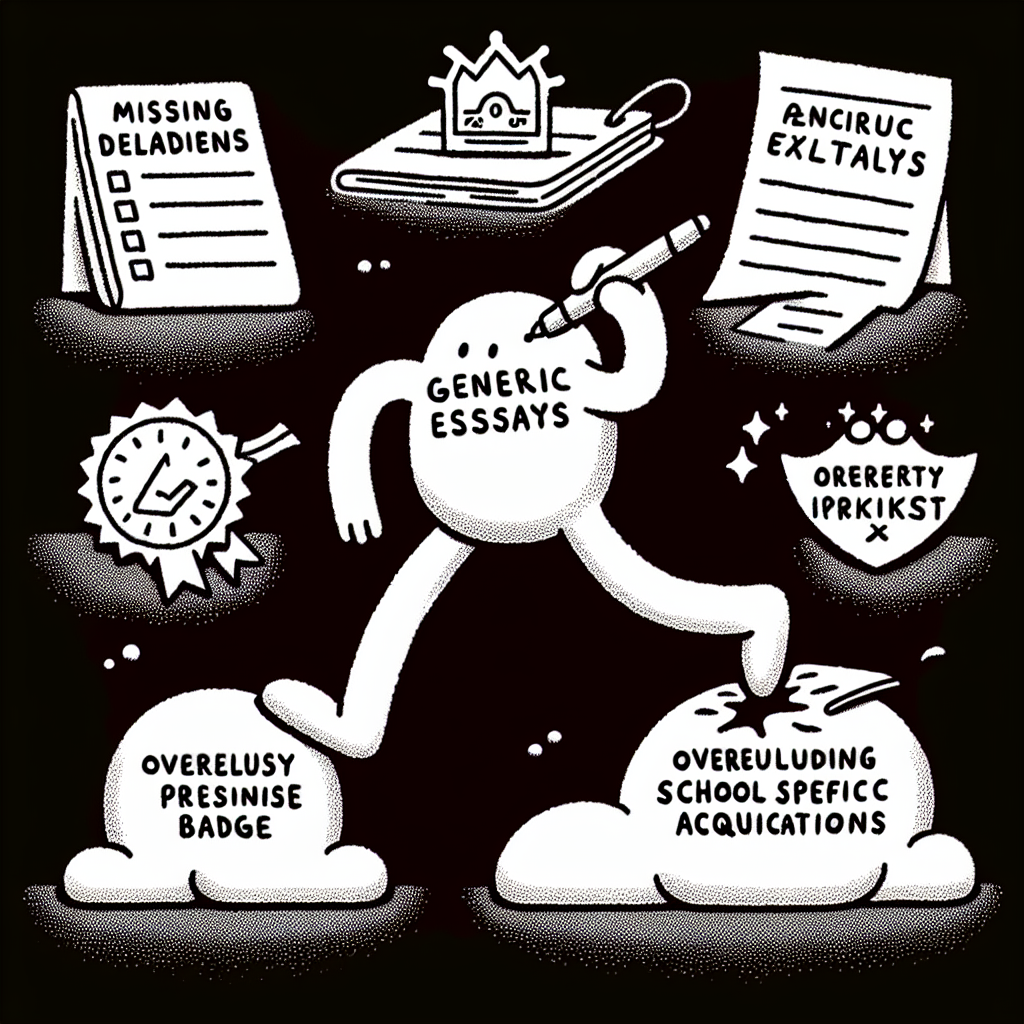
A strong college application strategy involves avoiding common pitfalls that can weaken an applicant’s profile. Here are several red flags and mistakes students should watch out for:
Missing Deadlines
Missing application deadlines is one of the most critical errors. Colleges have strict timelines, and failure to submit materials on time can lead to automatic disqualification. An effective college application strategy includes creating a detailed calendar of all deadlines for applications, financial aid, scholarships, and recommendation letters.
Generic Essays
Submitting generic or vague personal statements is another frequent mistake. Admissions officers look for authenticity and a clear sense of the applicant’s voice and goals. Reusing the same essay for multiple schools without tailoring it to reflect specific interests or values of each institution undermines the impact of the application.
Overreliance on Prestige
Choosing schools based solely on name recognition is a flawed approach. A college application strategy should focus on fit—academic, social, and financial—rather than prestige alone. Applying to a balanced list of reach, match, and safety schools ensures better outcomes and reduces the risk of rejection across the board.
Ignoring School-Specific Prompts and Requirements
Neglecting to respond to school-specific essay prompts or failing to meet individual application requirements shows a lack of attention and interest. Each college often asks targeted questions to assess compatibility with their programs and values. Overlooking these components weakens an application and may signal to admissions committees that the student is not genuinely interested.
Avoiding these common errors is essential to executing a successful college application strategy.
Conclusion
A thoughtful college application strategy can significantly increase a student's chances of admission. By taking a strategic and data-informed approach, students are better equipped to target schools that align with their academic profile and personal goals.
Intentional planning—starting early, setting clear goals, and managing deadlines—helps students stay organized and focused throughout the process. Utilizing resources such as university websites, federal education data, and application planning tools provides valuable insight into school requirements, acceptance trends, and financial aid options.
Most importantly, authentic self-representation ensures that each application reflects the unique strengths and aspirations of the student. When combined, these elements form a college application strategy that empowers students to approach the admissions process with clarity and confidence.
Additional Resources
To strengthen your college application strategy, the following resources offer valuable insights and data:
- Statistics in Brief: Making the Cut – This report from the National Center for Education Statistics (NCES) provides detailed data on the academic profiles of students who meet the entrance criteria for highly selective colleges.
- Study of College Transition Messaging (GEAR UP) – This evaluation explores how messaging strategies used in the GEAR UP program impact students’ decisions to enroll in and persist through college.
- Immediate College Enrollment Rate – This NCES indicator tracks the percentage of high school graduates who enroll in college immediately, offering useful context for shaping your own college application strategy.
- Johns Hopkins College Planning Guide – A comprehensive planning resource from Johns Hopkins University that outlines key steps and timelines for a successful application process.
- UC Berkeley College Application Resource Directory – A curated directory of tools and guides to assist students in navigating the college application process effectively.
Each of these tools can help you refine your college application strategy with up-to-date research and practical advice.

 SHARE ON FACEBOOK
 SHARE ON TWITTER