
Introduction
In recent years, there has been a noticeable shift in how students choose their fields of study. A growing number are selecting career-focused college majors that directly align with specific job roles and market demands. This trend reflects a broader emphasis on practical outcomes and return on investment in higher education.
This guide aims to explore the evolving landscape of career-focused college majors. It will analyze current trends, highlight which fields are in demand, and examine how these choices influence employment opportunities and long-term career success.

National Trends in Undergraduate Degree Fields
Overview of Degree Distribution
In the 2021–22 academic year, U.S. colleges and universities awarded approximately 2.0 million bachelor's degrees. A significant share of these degrees—about 58%—were concentrated in six key disciplines. These areas represent the most popular career-focused college majors among undergraduate students:
- Business: 375,400 degrees
- Health Professions: 263,800 degrees
- Social Sciences and History: 151,100 degrees
- Biological and Biomedical Sciences: 131,500 degrees
- Psychology: 129,600 degrees
- Engineering: 123,000 degrees
(Source)
These figures highlight a strong national trend toward career-focused college majors that offer direct pathways into growing industries and professional roles.
The Most Popular Career-Focused Majors
The most commonly pursued career-focused college majors include Business, Health Professions, and various STEM fields such as Engineering and Biological Sciences. Additionally, majors in Social Sciences and Psychology remain popular due to their versatility and relevance to multiple career paths. These areas of study continue to attract students aiming to align their education with clear professional outcomes.

In-Depth Analysis of High-Demand Majors
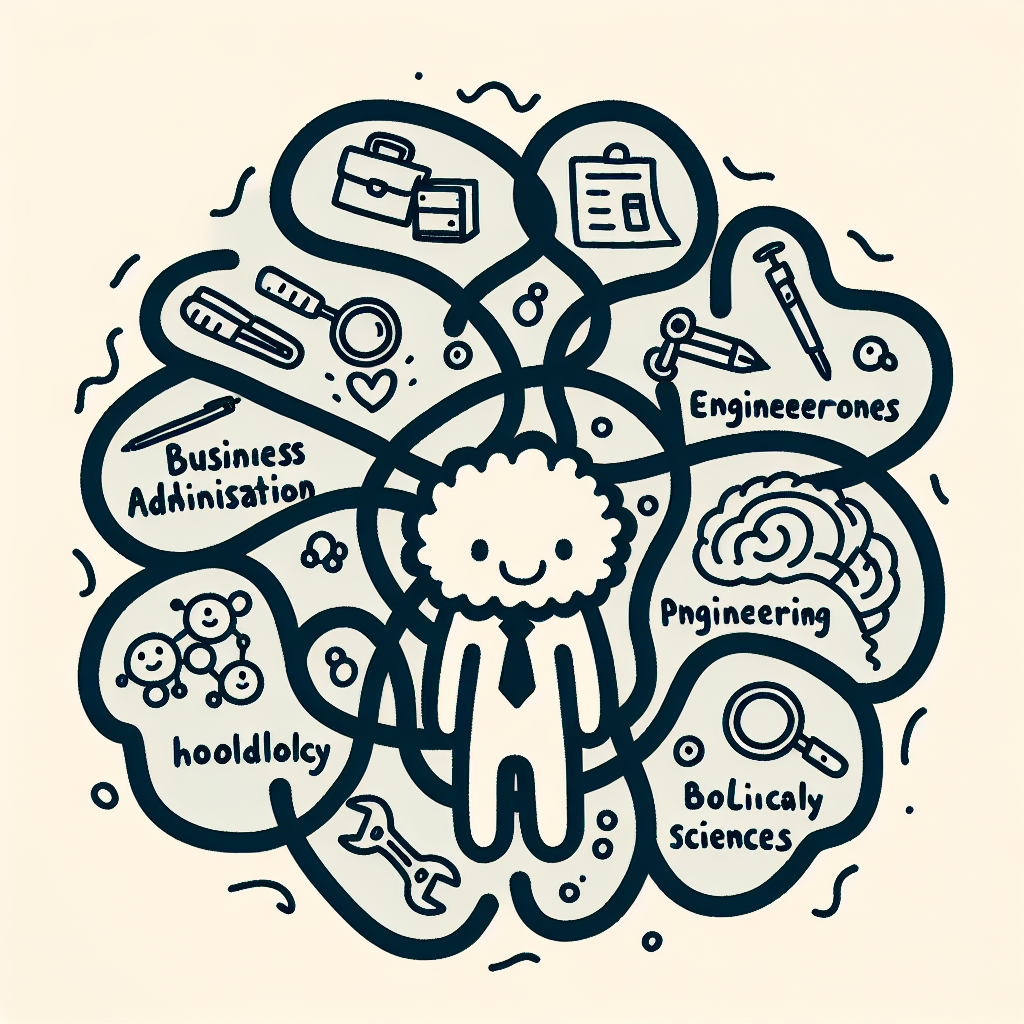
A. Business Administration and Related Fields
Business administration remains one of the most popular career-focused college majors due to its versatility across industries. Graduates can pursue careers in finance, marketing, supply chain management, human resources, and more. The high number of degrees awarded in business each year reflects both its widespread demand and its practical utility in the job market.
B. Health Professions
Health-related majors are increasingly in demand, fueled by an aging population and the continued expansion of the healthcare sector. These career-focused college majors include nursing, pre-med, and allied health programs such as physical therapy and medical technology. They offer strong job prospects and are essential in meeting national healthcare needs.
C. Engineering
Engineering is consistently ranked among the most career-focused college majors due to its high return on investment (ROI) and direct alignment with job opportunities. Civil, mechanical, electrical, and computer engineering are among the most in-demand specialties. These majors typically lead to well-paying, stable career paths in both the public and private sectors.
D. Biological and Biomedical Sciences
Majors in biological and biomedical sciences are a common pathway for students pursuing medical or research careers. Although these degrees often require further graduate education, they serve as a foundational step in a well-defined academic and professional pipeline. This makes them a strategic choice for students with long-term plans in health or science-related fields.
E. Psychology
Psychology is a widely chosen career-focused college major, especially among students aiming for roles in mental health, counseling, or social services. While many entry-level positions are available, advanced roles typically require graduate degrees. The field's growing relevance in public health and education continues to attract a large number of undergraduates.
F. Social Sciences and History
Social sciences and history encompass a wide range of disciplines, including political science, sociology, and economics. While these majors offer broad academic exposure, their direct alignment with specific careers can be moderate. However, they frequently lead to roles in public service, education, and administration, making them viable career-focused college majors for students with interdisciplinary interests.
Career Alignment and Employment Outcomes
Job Relatedness of Majors
The alignment between college majors and employment outcomes varies significantly. Career-focused college majors such as engineering and health professions are more likely to lead to jobs that are directly related to the field of study. In contrast, graduates from broader fields may find themselves in roles that are less directly tied to their academic background. According to data from the National Center for Education Statistics, majors in engineering and health professions consistently report higher job-major relatedness compared to other fields (Source).
Compensation and Employability by Major
Career-focused college majors also show differences in compensation and employability. Graduates with degrees in engineering and computer science report some of the most favorable employment outcomes during the early stages of their careers. These majors typically lead to higher salaries and lower unemployment rates. Conversely, individuals with degrees in education, humanities, and the arts often encounter more challenges in securing employment and may earn lower starting salaries. These disparities emphasize the practical advantages of selecting a career-focused college major (Source).
The Role of Graduate Education
For some fields, particularly psychology and biology, a bachelor's degree often serves as a stepping stone to graduate or professional education. While these majors may not offer immediate career alignment or high compensation, they provide a foundation for advanced study. In contrast, career-focused college majors frequently offer more direct pathways into the workforce, enabling graduates to begin their careers without additional schooling. This distinction highlights the importance of considering long-term educational and career goals when selecting a major.

Pre-College Preparation and Vocational Integration
Dual Preparation Pathways in High School
Students who engage in both vocational and college preparatory coursework during high school are better positioned to thrive in career-focused college majors. This dual-track approach equips students with a strong academic foundation while also offering hands-on, practical skills relevant to their intended career paths. Notably, computer-intensive vocational training has a positive relationship with college readiness, preparing students for the technological demands of many modern fields (Source).
The Push for Career and Technical Education (CTE)
Career and Technical Education (CTE) is becoming more closely aligned with the requirements of in-demand college majors. These programs are designed to emphasize both practical skill development and academic rigor, thereby supporting students who aim to pursue career-focused college majors. CTE helps bridge the gap between secondary and postsecondary education, ensuring that students are both academically prepared and technically skilled for specialized fields.

The Fluidity of Major Selection
Changing Majors: A Common Trend
Choosing a college major is often not a final decision. In fact, about 30% of students change their major within three years of enrolling in a degree program (Source). This highlights the inherent fluidity in selecting career-focused college majors, as students refine their interests and adjust their goals based on new information and experiences.
Implications for Career Planning
Given the frequency of major changes, flexibility in academic advising is essential. Advisors who understand the evolving nature of career-focused college majors can better support students in making informed decisions. Early exposure to career-focused programs also plays a significant role in student retention and satisfaction. When students are introduced to practical career applications early on, they are more likely to find a path that aligns with both their academic interests and professional goals.

Policy and Institutional Implications
Aligning Academic Programs with Labor Market Needs
To remain relevant in an evolving economy, many colleges are reshaping their academic offerings to better reflect labor market demands. Career-focused college majors such as data analytics, cybersecurity, and healthcare are increasingly developed in collaboration with industry partners. This collaboration ensures that curricula are up to date with current technologies and practices, allowing graduates to enter the workforce with the skills employers actively seek.
Career Services and Experiential Learning
Career services and experiential learning opportunities are critical components of career-focused college majors. Institutions that offer structured internships, cooperative education programs (co-ops), and personalized career counseling help students gain practical experience and improve their job readiness. These services often translate into stronger employment outcomes for graduates, as they build professional networks and acquire real-world skills before entering the job market.
Equity and Access in Career-Focused Majors
Access to high-demand, career-focused college majors must be equitable to ensure all students can benefit from economic opportunities. Institutions are implementing targeted initiatives such as scholarships, mentorship programs, and academic bridge programs to support underserved populations. These efforts help close opportunity gaps and promote broader participation in fields that lead to stable, well-paying careers.

Conclusion
Career-focused college majors dominate the higher education landscape, driven by strong student interest and the practical needs of the labor market. These programs often lead to clearer employment outcomes and serve as a strategic response to rising tuition costs and concerns about return on investment.
To maximize the value of a college degree, students should approach their education with strategic preparation. This includes researching job prospects, understanding skill requirements, and selecting majors that align with both personal interests and economic trends. Flexible academic pathways, such as internships, certifications, and interdisciplinary studies, can also enhance employability.
Continuous alignment with evolving employment trends ensures that career-focused college majors remain relevant and responsive. Staying informed about industry changes and adapting academic plans accordingly can help students transition more successfully from college to career.
References
- Undergraduate Degree Fields (2021–22)
- Job Relatedness and Compensation of Bachelor's Degree Recipients
- Employment Outcomes by Major Field of Study
- Students Who Prepare for College and a Vocation
- Beginning College Students Who Change Their Majors

 SHARE ON FACEBOOK
 SHARE ON TWITTER