Introduction
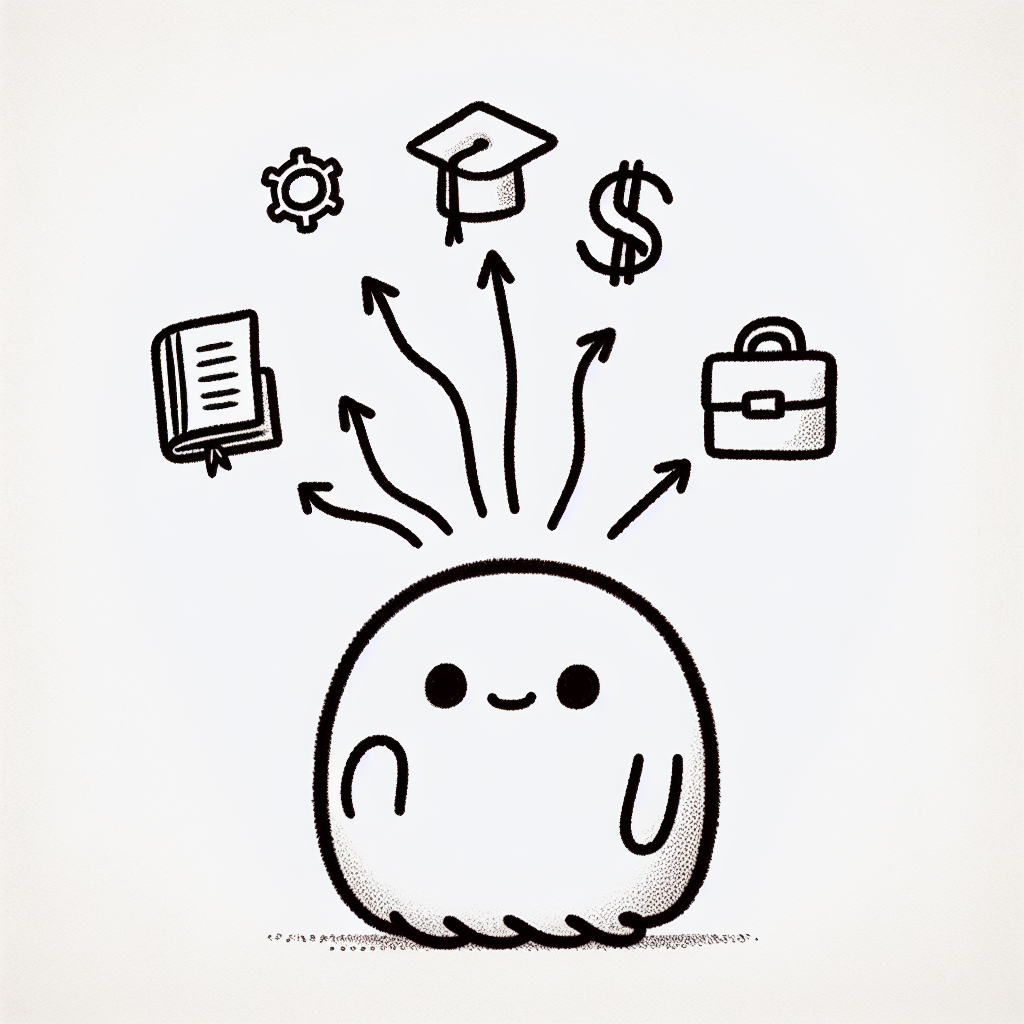
In recent years, there has been a noticeable shift in higher education as more students prioritize practical outcomes when selecting their college paths. This growing interest in career-oriented education reflects a broader understanding of the economic and employment landscape, where students seek degrees that lead directly to job opportunities.
Career-focused college majors are designed to align closely with specific industries and job roles. These majors emphasize hands-on training, real-world application, and professional readiness. In contrast, academic-oriented majors often focus on theoretical knowledge and intellectual exploration without a direct link to a particular career path.
The relevance of career-focused college majors is particularly evident in today’s evolving labor market. With rapid technological advancements and shifting industry needs, employers are increasingly seeking graduates who are ready to contribute immediately. Career-focused majors offer a more direct route to employment, equipping students with the skills and experience that are in high demand.

Historical Context and Enrollment Trends
Sub-Baccalaureate Vocational Education Growth
In the 1999–2000 academic year, approximately 70% of sub-baccalaureate students were enrolled in career-focused college majors. These programs were typically offered at community colleges and technical institutions, emphasizing practical skills and direct workforce entry. The strong participation in vocational education at this level reflects a longstanding interest in career-aligned learning paths among students seeking quick entry into the job market. 📌 NCES Report on Undergraduate Enrollments
Shifts in Major Selection at the Bachelor's Level
Over the past several decades, there has been a marked shift in student preferences toward career-focused college majors at the bachelor's level. While liberal arts programs once dominated undergraduate education, enrollment has increasingly concentrated in fields like health sciences, engineering, and business. These areas offer clearer career trajectories and have become more appealing to students weighing return on investment and job security.
Major-Switching Behavior
Despite initial intentions, many students do not remain in their originally chosen career-focused college majors. Around 30% of undergraduates change their major within three years of enrolling. The tendency to switch varies by field, with mathematics majors experiencing the highest switch rate at 52%. This pattern suggests that while career outcomes influence major selection, students often reassess their academic paths based on experience and performance. 📌 Beginning College Students Who Change Their Majors

The Value Proposition of Career-Focused Majors
Employment Alignment and Job Relevance
Career-focused college majors often lead directly to employment in related fields. This alignment between academic training and job responsibilities offers a clear advantage for graduates entering the workforce. For example, individuals who major in engineering or computer science frequently find positions that utilize their specific skill sets. According to From Bachelor's Degree to Work, these majors are associated with some of the strongest employment outcomes, with high percentages of graduates working in jobs related to their field of study.
Compensation Outcomes
Graduates of career-focused majors also tend to earn higher salaries. These fields often prepare students for high-demand roles that offer competitive compensation. Data from Ten Years After College shows that salaries for graduates with career-focused degrees had doubled by 2003–2004 compared to 1994, indicating strong financial returns over time for those who pursued targeted academic paths.
Longitudinal Comparisons
Over time, the connection between major choice and career outcomes has remained significant. Longitudinal data shows consistent trends in job alignment and income benefits for graduates of career-focused college majors. A comparison between the 1992–93 and 2007–08 cohorts in College Majors and Careers reveals that while some shifts have occurred, the overall pattern of job relatedness and higher compensation remains more pronounced among those with career-oriented degrees.

Policy and Institutional Implications
Aligning Education with Labor Market Demands
To ensure career-focused college majors remain relevant, educational institutions must frequently update curricula to reflect current industry standards. Rapid technological advancements and shifting economic needs require colleges to maintain close partnerships with employers and industry leaders. This collaboration helps align course content with the skills needed in the job market, enhancing graduates' employability.
Community colleges and technical institutes play a key role in workforce development. These institutions are often more agile than four-year universities in adapting programs to local labor demands. By offering specialized training and certifications, they provide pathways into high-demand fields such as healthcare, information technology, and advanced manufacturing.
Equity and Access in Career Education
Expanding access to career-focused college majors is critical for addressing workforce disparities. Underrepresented groups—including low-income students, students of color, and first-generation college attendees—often face systemic barriers to entering high-value career programs. These barriers include limited access to quality academic advising, lack of awareness about career options, and financial constraints.
Policymakers and institutions must work to dismantle these obstacles through targeted outreach, scholarship programs, and inclusive admission practices. Ensuring that all students can access career-focused education not only promotes equity but also strengthens the overall labor market by tapping into a more diverse talent pool.
Supporting Informed Major Selection
Helping students select the right career-focused college majors begins with early and effective career counseling. Access to accurate labor market information—such as job growth projections, salary data, and required qualifications—enables students to make informed decisions aligned with their interests and economic goals.
Data-driven policies can also reduce costly and time-consuming major-switching. By integrating career exploration into high school curricula and supporting college advising with real-time employment data, institutions can guide students toward majors that offer both personal fulfillment and strong job prospects.

Challenges and Critiques of Career-Focused Majors
Potential Narrowness of Job Training
One major critique of career-focused college majors is the potential narrowness of their training. These programs often prioritize specialized skills tailored to specific industries, which can limit students' exposure to broader academic subjects. Critics argue that this approach may leave graduates less adaptable in a dynamic job market that increasingly values interdisciplinary knowledge and flexible thinking.
Another concern is the risk of obsolescence. In rapidly evolving fields such as information technology or digital media, tools and practices can become outdated quickly. Students trained in a narrow set of skills might find their education less relevant just a few years after graduation, prompting the need for continuous retraining or even a career pivot.
Flexibility and Lifelong Learning
Career-focused college majors may also fall short in preparing students for long-term career flexibility. While these programs aim to align education with immediate job opportunities, they may not emphasize the transferable skills—such as critical thinking, communication, and problem-solving—that are essential for navigating multiple job changes over a lifetime.
In a labor market where individuals often switch careers several times, the ability to learn new concepts, adapt to different roles, and communicate effectively becomes more important than technical expertise alone. If career-focused majors do not build this adaptability into their curricula, graduates may struggle to remain competitive as industries and job requirements evolve.

Innovations and Emerging Trends
Hybrid Majors and Interdisciplinary Programs
One significant innovation in career-focused college majors is the rise of hybrid and interdisciplinary programs. These majors combine technical training with liberal arts education to equip students with both hard and soft skills. For example, programs that merge business analytics with communication studies prepare students to interpret data while effectively presenting insights. This blend enhances adaptability, making graduates more resilient in a rapidly changing job market.
Integration of Work-Based Learning
Career-focused majors increasingly incorporate work-based learning opportunities such as internships, cooperative education (co-ops), and apprenticeships. These practical experiences allow students to apply classroom knowledge in real-world settings, build professional networks, and gain a clearer understanding of their intended career paths. Institutions are formalizing these opportunities as essential components of their programs, aligning academic learning with industry expectations.
Technological Disruption and the Future of Work
The rise of AI, automation, and emerging industries is reshaping how students choose career-focused college majors. Fields such as data science, cybersecurity, and renewable energy are growing in response to technological advancements. At the same time, automation is reducing demand in some traditional sectors, prompting institutions to adapt their offerings. Students are increasingly selecting majors that anticipate future workforce needs, ensuring their skills remain relevant in a dynamic economy.

Conclusion
Career-focused college majors offer students a direct path to employment, aligning their education with specific industry needs. These programs often lead to higher initial job placement rates, practical skill development, and a clearer understanding of career trajectories. For students seeking immediate return on investment, choosing a career-focused major can be a strategic decision.
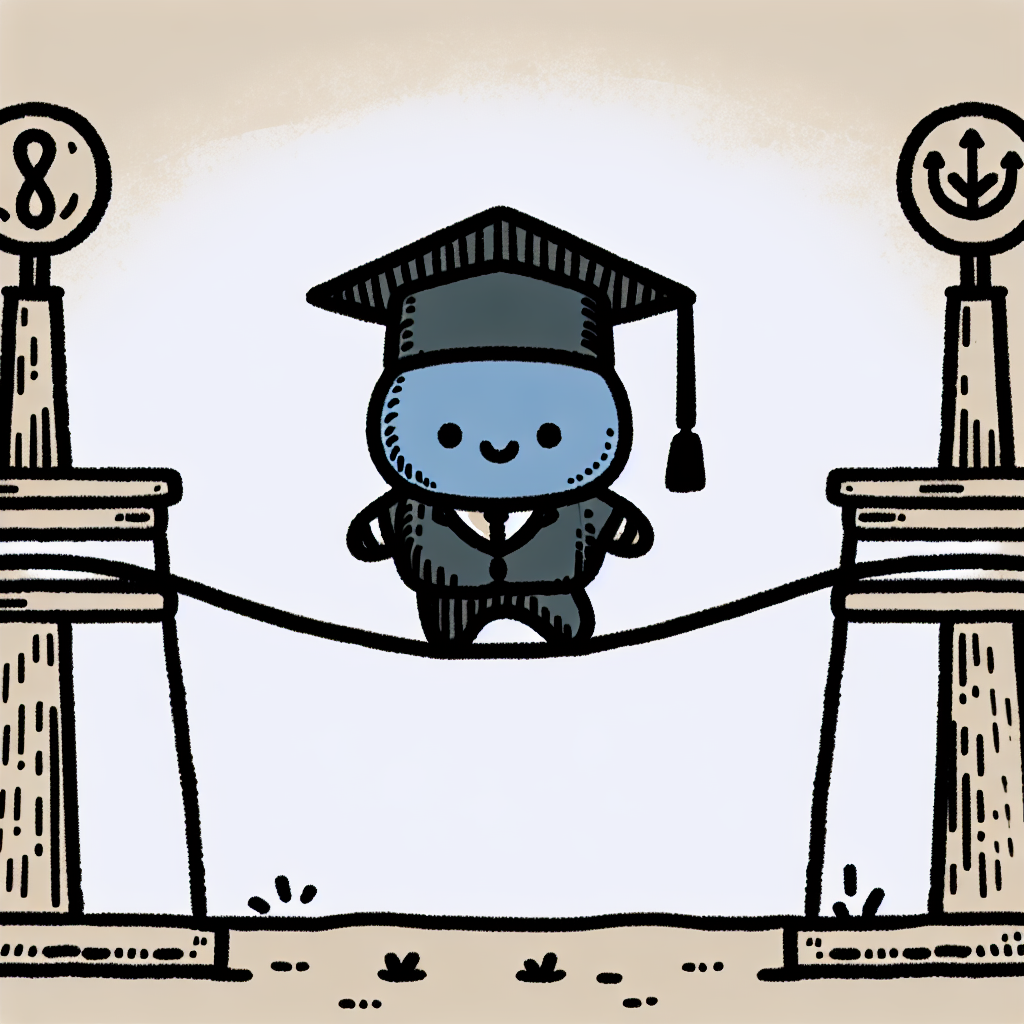
However, it is important to weigh these benefits against long-term adaptability. Job markets evolve, and roles that are in demand today may shift or become obsolete in the future. A narrow focus can limit flexibility, making it essential for students to also build transferable skills such as critical thinking, communication, and lifelong learning.
Ultimately, selecting a career-focused college major should involve careful consideration of both short-term employment goals and the ability to grow and adapt within a changing professional landscape.
Additional Resources
For readers interested in exploring more about career-focused college majors, the following resources provide detailed data and analysis:
- 📌 Undergraduate Enrollments in Career and Vocational Education: This report presents trends in enrollment for students pursuing career-focused college majors and vocational fields.
- 📌 Ten Years After College Report: Offers insights into employment outcomes a decade after graduation, highlighting the long-term effects of choosing a career-focused college major.
- 📌 College Majors and Careers Report: Examines how various college majors relate to job fields and compensation, helping assess the practical value of career-focused college majors.
- 📌 Bachelor's Degree to Work Report: Analyzes the link between major fields of study and employment outcomes, reinforcing the importance of selecting a career-focused college major.
- 📌 Beginning College Students Major Change Report: Details how often students change their majors within the first three years, offering perspective on the stability and appeal of career-focused college majors.
 SHARE ON FACEBOOK
 SHARE ON TWITTER