Introduction
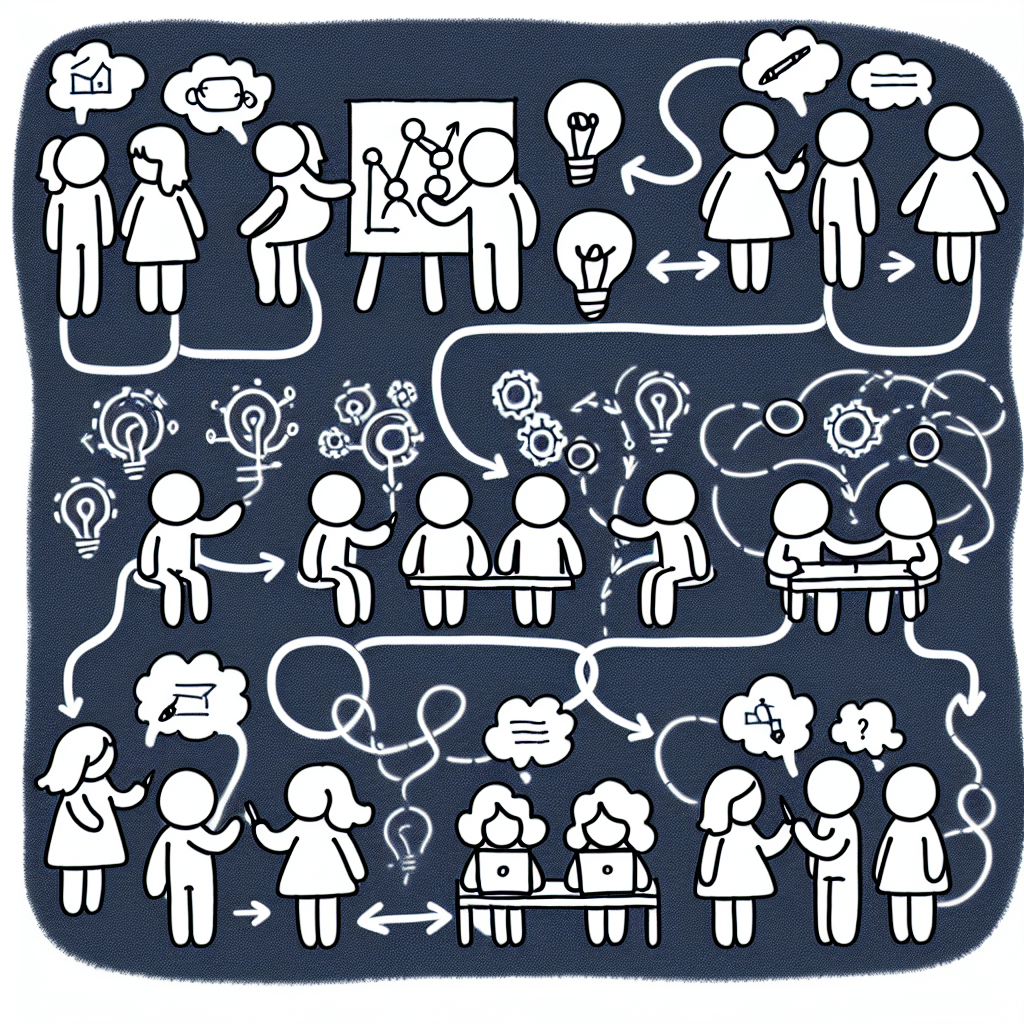
Project-Based Learning (PBL) is an instructional approach that enables students to gain knowledge and skills by working for an extended period to investigate and respond to complex questions, problems, or challenges. Rather than focusing solely on memorization or standardized testing, PBL encourages hands-on, collaborative learning that mirrors real-world experiences.
The origins of PBL can be traced to early progressive education movements in the late 19th and early 20th centuries, with influential thinkers like John Dewey advocating for experiential learning. Over time, the model evolved to incorporate structured project planning, interdisciplinary learning, and student-driven inquiry. In recent decades, PBL has gained traction as educators seek to foster critical thinking, creativity, and problem-solving skills in students.
Today, PBL is being increasingly adopted across K–12 schools, higher education institutions, and even professional development programs. This widespread acceptance is driven by a growing body of research supporting the model’s effectiveness in improving student engagement and learning outcomes.
This article examines the many project based learning benefits, drawing on empirical evidence and real-world applications to highlight how PBL supports deeper learning, student motivation, and readiness for future challenges.

Improved Academic Performance
Project based learning benefits include measurable improvements in academic performance. A study conducted by the University of Washington found that students engaged in project-based learning (PBL) outperformed their peers by 8–10 percentage points on Advanced Placement (AP) exams (education.uw.edu). These outcomes suggest that PBL promotes deeper understanding and retention of core academic content. Additionally, students in PBL environments tend to perform better on standardized assessments, reflecting an enhanced grasp of subject matter across disciplines.
Elementary Education Gains
The project based learning benefits also extend into early education. According to a University of Michigan study, second-grade students participating in PBL gained the equivalent of 5–6 additional months of learning in social studies and two additional months in reading compared to their peers in traditional classrooms (news.umich.edu). This growth is attributed to the inquiry-based and contextualized nature of PBL, which supports early cognitive development. The approach is particularly effective for disadvantaged learners and those with diverse learning styles, offering them more equitable access to academic success.
Subject-Specific Improvement
Project based learning benefits are also evident in specific academic subjects. A study from the University of South Carolina demonstrated that students in college-level statistics courses improved their statistical literacy through PBL (scholarcommons.sc.edu). These students showed an increased ability to interpret and apply data, a key skill in modern education. By incorporating real-world tools and authentic data sets, PBL helps students connect theoretical knowledge with practical application, enhancing both understanding and engagement.
Idea Generation and Innovation
One of the key project based learning benefits is the enhancement of students' ability to generate innovative ideas. According to a survey, 94% of WPI alumni reported an improved capacity to develop ideas as a result of project-based learning (wp.wpi.edu). This approach immerses students in real-world challenges and open-ended questions, encouraging creative problem-solving and entrepreneurial thinking from an early stage.
Teamwork and Collaboration
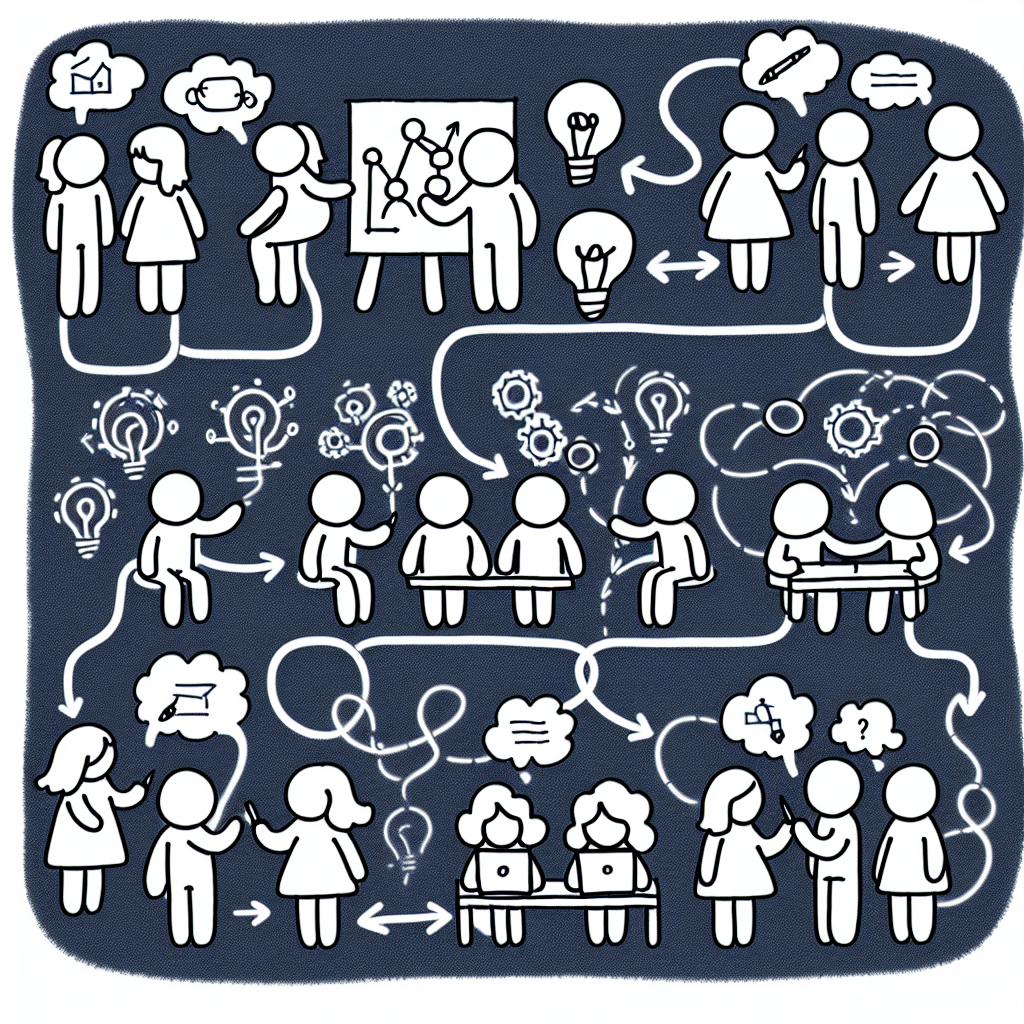
Another significant project based learning benefit is the development of teamwork and collaboration skills. The same WPI survey found that 93% of alumni experienced growth in their ability to work effectively in teams (wp.wpi.edu). Through shared responsibilities and an emphasis on communication and conflict resolution, students learn how to collaborate across disciplines and cultural backgrounds, preparing them for the diverse environments of modern workplaces.
Leadership and Project Management
Project based learning benefits also include the cultivation of leadership and project management abilities. By encouraging students to take initiative, delegate tasks, and manage their time effectively, PBL helps learners develop accountability and decision-making skills. Students are exposed to the complexities of managing projects from inception to completion, learning how to navigate ambiguity and deliver results in dynamic settings.

Self-Efficacy and Confidence
Project based learning benefits students by significantly enhancing their self-efficacy and confidence. According to a survey conducted by Worcester Polytechnic Institute, 88% of WPI alumni reported that project-based learning contributed to stronger personal character (wp.wpi.edu). The iterative nature of project work, which includes receiving constructive feedback and revising work, helps students build resilience. This process fosters a sense of accomplishment and ownership, encouraging learners to become more self-directed and goal-oriented.
Critical Thinking and Metacognition
Project based learning benefits include the development of critical thinking and metacognitive skills. Research from the University of Maryland indicates that project-based learning enhances critical thinking and deepens students’ understanding of academic content (tltc.umd.edu). By engaging in real-world problems, students are prompted to reflect on their learning processes, analyze outcomes, and adjust their strategies. This reflective practice nurtures the ability to learn from failure and promotes a deeper engagement with content through questioning, analysis, and synthesis of ideas.
Motivation and Engagement
Another key area where project based learning benefits students is in motivation and engagement. Because projects are often rooted in real-world relevance, students show increased interest and participation. This authenticity helps align educational experiences with students’ personal values and interests, leading to higher levels of intrinsic motivation. When students have ownership over their learning, they are more likely to invest effort and remain engaged throughout the process.
Alignment with 21st Century Skills
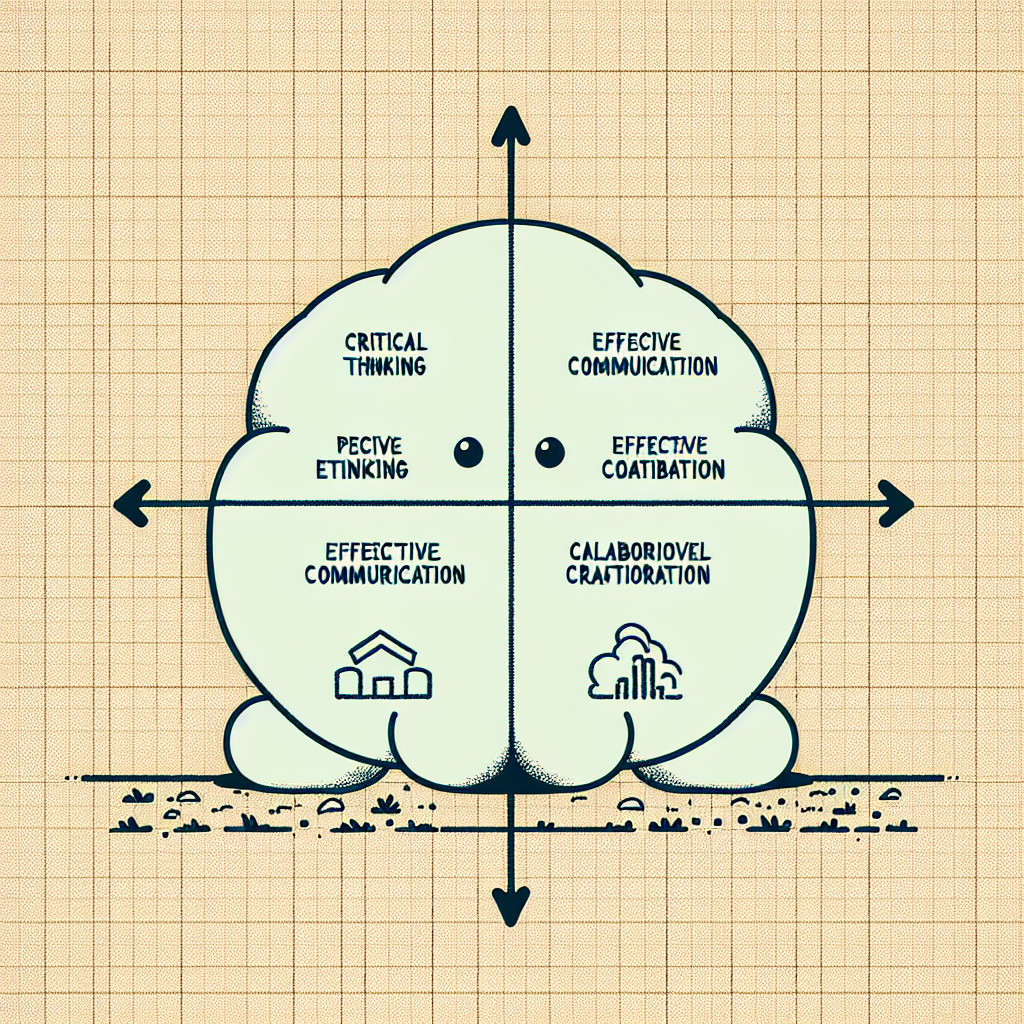
One of the key project based learning benefits is its alignment with essential 21st-century skills. Project based learning (PBL) encourages students to think critically, communicate effectively, collaborate with peers, and express creativity—skills that are increasingly valuable in modern, technology-driven workplaces. Through real-world problem solving and sustained inquiry, students gain hands-on experience that mirrors professional environments, helping them adapt to complex and rapidly changing job markets.
Equity and Inclusion
Project based learning benefits extend to making education more equitable and inclusive. PBL provides multiple entry points for diverse learners, allowing students to engage with content in ways that align with their strengths and interests. This approach helps close achievement gaps by offering differentiated pathways to demonstrate understanding. Furthermore, PBL supports the design of community-based and culturally responsive projects, making learning more relevant and meaningful to students from varied backgrounds.
Institutional Transformation
The broader educational implications of project based learning benefits are evident in institutional transformations. A notable example is Worcester Polytechnic Institute (WPI), which has embraced PBL as a core educational strategy. According to a case study from WPI, alumni surveys confirm the long-term value of PBL in professional and personal development (wp.wpi.edu). The institution's shift from lecture-based instruction to a student-centered approach required substantial professional development for educators and a comprehensive curriculum redesign. This transformation illustrates how PBL can reshape institutional practices to better prepare students for the demands of the future.
Conclusion
Project based learning benefits have been demonstrated across academic, professional, and personal domains. Academically, students engaged in project-based learning (PBL) show improved critical thinking, deeper content understanding, and stronger problem-solving skills. Professionally, PBL fosters collaboration, communication, and adaptability—skills highly valued in modern workplaces. Personally, learners report greater motivation, confidence, and ownership of their education.
Robust evidence supports the effectiveness of PBL across age groups and disciplines. Studies have shown that elementary through postsecondary students benefit from PBL approaches in subjects ranging from science and math to humanities and the arts. The versatility and scalability of PBL make it a viable strategy for diverse educational settings.
Implementing PBL can be a transformative move in education. By shifting focus from rote memorization to real-world application, educators can cultivate lifelong learners prepared to navigate complex challenges. Embracing project based learning benefits not only the individual learner but also contributes to the development of more innovative and resilient communities.

 SHARE ON FACEBOOK
 SHARE ON TWITTER