
Introduction
A strong freshman year is critical in shaping a student's college experience and long-term academic success. For many students, the transition from high school to college presents new social, academic, and personal challenges. Schools with strong freshman experience help students navigate these changes by providing a supportive environment that fosters engagement, belonging, and academic achievement.
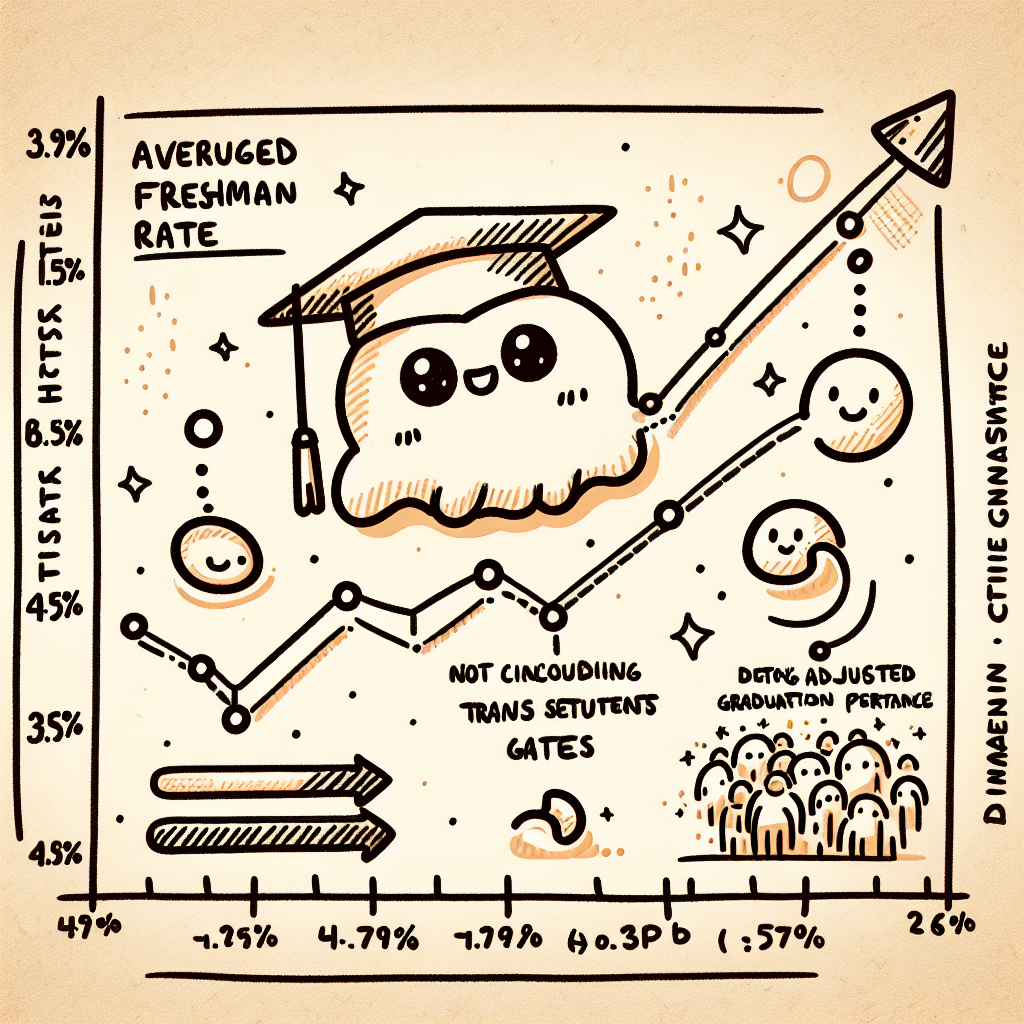
The quality of a freshman experience has a direct impact on key outcomes such as retention rates, graduation rates, and student satisfaction. Institutions that prioritize this transitional year tend to see higher first-year retention and increased graduation rates, indicating successful student integration and support. Metrics like the Averaged Freshman Graduation Rate (AFGR) and first-year retention rates are often used to evaluate the effectiveness of these programs.
In addition to statistical indicators, qualitative factors such as student support services, opportunities for peer and faculty engagement, and the ability to attract out-of-state students also signal a robust freshman experience. These elements contribute to a campus culture that encourages persistence through the first year and beyond, ultimately leading to greater student success. Schools with strong freshman experience consistently invest in these areas to ensure students thrive from the start of their college journey.

Understanding Freshman Success Metrics
What is AFGR?
The Averaged Freshman Graduation Rate (AFGR) is a metric used to estimate the percentage of a freshman cohort that graduates within four years. It is calculated by averaging the graduation rates of students who entered as freshmen over a three-year period. Specifically, AFGR is determined by dividing the number of diplomas awarded in a given year by the average number of students who entered as freshmen four years earlier.
AFGR matters when evaluating schools with strong freshman experience because it reflects how effectively a school supports students through to graduation. A high AFGR suggests that the institution provides an environment conducive to academic progress and personal development starting in the first year.
However, AFGR has limitations. It does not account for transfer students, part-time students, or those who take longer than four years to graduate. It also lacks adjustments for student demographics or institutional mission, which can skew comparisons between different types of schools.
Additional Freshman Experience Indicators
While AFGR is useful, it should be considered alongside other indicators to get a fuller picture of the freshman experience.
First-to-second year retention rates are critical. They show the percentage of freshmen who return for their sophomore year, signaling whether students feel academically and socially supported in their first year.
Student migration and enrollment trends can reveal patterns in how students move between institutions. High out-migration may signal dissatisfaction or lack of fit, while stable or increasing enrollment may reflect a positive freshman experience.
Demographic-adjusted graduation performance considers the expected graduation rate based on a school’s student demographics and compares it to the actual rate. This helps identify schools that outperform expectations, which can be a sign of strong support systems for freshmen.
Campus integration and living-learning communities also play a significant role. Programs that connect first-year students with peers, faculty, and resources help build a sense of belonging and can improve both retention and graduation outcomes. Schools with strong freshman experience often prioritize these types of community-building strategies.
States and Locales with Exceptional AFGR Performance
High-Performing States
Identifying states with high Averaged Freshman Graduation Rates (AFGR) provides insight into where schools with strong freshman experience are most prevalent.
Wisconsin reported an AFGR of 90% in the 2007–08 school year, indicating a well-established support system for students transitioning from K–12 to higher education (NCES). The state's focus on coordinated academic programs and guidance services contributes to a smoother freshman experience.
Iowa stands out for its suburban locales, which reached a 95.6% AFGR in 2008–09 (NCES). This performance is tied to high levels of community engagement and robust academic advising and mentorship programs, both of which are critical components of schools with strong freshman experience.
Local Context Matters
Locale plays a crucial role in shaping the freshman experience. Urban, suburban, and rural areas each present unique challenges and resources that impact AFGR. Suburban schools often report higher AFGRs, likely due to greater access to funding, experienced staff, and comprehensive freshman support infrastructure. In contrast, urban and rural schools may face limitations in resources, which can affect their ability to offer the same level of freshman support. Understanding these differences is essential when evaluating schools with strong freshman experience.

Freshman Migration Trends and Their Implications
States Attracting the Most Out-of-State Freshmen
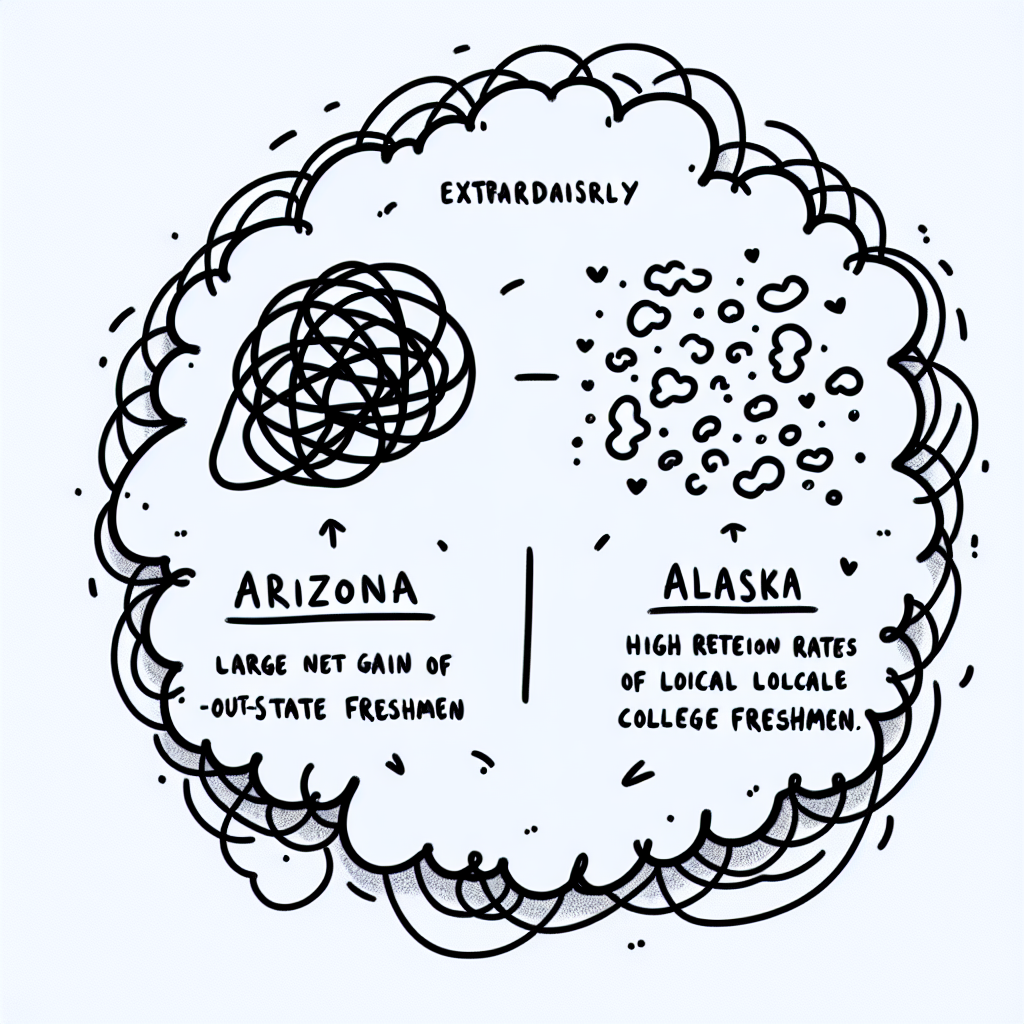
Arizona stands out as a major destination for first-year college students, with a net gain of 39,101 freshmen in 2008 (NCES). This substantial influx suggests that Arizona offers schools with strong freshman experience, making it an appealing option for students nationwide. Factors contributing to this trend likely include generous scholarship offerings, well-developed campus amenities, and inclusive orientation programs that help new students transition smoothly into college life.
States with High In-State Retention
In contrast, Alaska had one of the highest in-state freshman enrollment rates, with 90% of freshmen choosing to attend college within the state in 2006 (NCES). This high level of in-state retention points to a strong local presence of schools with strong freshman experience. Institutions in Alaska appear to foster community-focused environments and offer support structures tailored to local students, bolstering their appeal to residents.
Colleges That Outperform Expectations
Institutions with Strong Freshman Support for Underserved Populations
Some schools with strong freshman experience stand out for their success in supporting underserved populations, often outperforming national expectations based on their student demographics. One notable example is St. Francis College in Brooklyn, New York. Despite serving a highly diverse student body, the college maintains a 57% graduation rate, a figure that surpasses typical outcomes for institutions with similar profiles (NCES).
St. Francis College attributes its strong performance to a combination of proactive first-year intervention programs and personalized advising. These measures ensure that students receive the academic, emotional, and logistical support they need from the outset, contributing to long-term success.
Contextualizing Graduation Rates
When evaluating schools with strong freshman experience, it's essential to consider the broader context behind graduation statistics. Raw percentages can be misleading without factoring in the socioeconomic background, academic preparation, and other characteristics of the student population.
Institutions like St. Francis College demonstrate that with targeted support and institutional commitment, it's possible to achieve outcomes that exceed statistical expectations. Recognizing these colleges requires a nuanced understanding of how well they serve students relative to their starting points, not just their final metrics.

Key Elements of a Strong Freshman Experience
A successful transition into college life is critical for first-year students. Schools with strong freshman experience programs implement a combination of academic, social, and institutional practices to support students during this pivotal year.
Academic Support Systems
Academic success is foundational to a strong freshman experience. Many institutions offer first-year seminars and writing-intensive courses that help students develop critical thinking and communication skills early on. These courses often integrate interdisciplinary content and emphasize active learning.
Tutoring and academic coaching services are commonly available to assist students who need additional help. These resources provide personalized support to reinforce course material and build effective study habits.
Learning communities, where students with shared interests take courses together and participate in themed programming, also enhance academic engagement and foster a sense of belonging.
Social and Emotional Support
Social integration is another key element of the freshman experience. Peer mentoring and orientation programs help new students navigate campus life, connect with upperclassmen, and build friendships.
Mental health services and wellness centers play an important role by providing counseling, stress management workshops, and other resources that promote emotional well-being.
Residential programming and engagement activities further support community development within dorms, encouraging meaningful interactions and participation in campus life.
Institutional Practices That Drive Success
Schools with strong freshman experience initiatives adopt proactive institutional strategies. Early alert systems and intrusive advising allow staff to identify and assist students who may be struggling academically or personally before issues escalate.
Faculty engagement in first-year courses ensures that students receive high-quality instruction from experienced educators who are invested in their success. This involvement can include teaching foundational classes, participating in mentorship programs, or collaborating with support staff.
Continuous assessment and feedback loops help institutions refine their freshman programs. By collecting and analyzing data on student outcomes, administrators can make informed adjustments to improve future cohorts’ experiences.

Takeaways for Students and Families
When evaluating schools with strong freshman experience, students and families should focus on several key factors that indicate how well a college supports new students.
What to Look For When Evaluating Freshman Experience
Retention and Graduation Data: High freshman-to-sophomore retention rates and strong four- or six-year graduation rates often signal that a school provides the necessary academic and social support to help students succeed early in their college careers.
Support Services for First-Year Students: Look for dedicated resources such as first-year advising centers, peer mentoring, orientation programs, and academic tutoring. These services are crucial for helping students adjust to the demands of college life.
Opportunities for Engagement and Integration: Schools with strong freshman experience usually offer a variety of opportunities for students to connect with peers and the campus community. This may include first-year seminars, themed residence halls, or student involvement fairs.
Questions to Ask on College Visits
To better understand how a college supports its new students, consider asking the following questions during campus visits:
- What programs are in place to support first-year students?
- What is the freshman-to-sophomore retention rate?
- How does the school support students from diverse or underrepresented backgrounds?
Asking these questions can provide valuable insights into whether a college is truly committed to fostering a supportive and inclusive environment for first-year students.

Conclusion
A strong freshman experience is foundational to student success. It sets the tone for academic achievement, social integration, and long-term retention. States like Wisconsin and Iowa demonstrate systemic strength in this area, as evidenced by their high Adjusted Freshman Graduation Rates (AFGR), suggesting robust support structures for first-year students.
Institutions such as St. Francis College serve as effective models, especially in supporting diverse student populations. Their programs emphasize inclusivity, engagement, and tailored academic support, illustrating what schools with strong freshman experience can achieve.
Migration data also sheds light on student decision-making, highlighting where students feel welcomed and supported. These trends indicate that students prioritize environments that meet their individual needs for engagement and success.
Ultimately, students should seek out schools with strong freshman experience that align with their support and engagement needs. Choosing the right environment can significantly influence their academic journey and overall college satisfaction.

References
- AFGR by State and Sex: 2007–08 – Data on Adjusted Freshman Graduation Rates (AFGR) by state and gender, useful for understanding demographic trends in schools with strong freshman experience.
- AFGR by State and Locale: 2008–09 – Offers insight into graduation rates by geographic location, helping identify schools with strong freshman experience in urban, suburban, and rural settings.
- Freshman Migration Patterns: Fall 2008 – Tracks where first-year students are enrolling, highlighting trends that may indicate schools with strong freshman experience.
- Graduation Rates in Context – Provides context for evaluating graduation rates, a key metric in assessing schools with strong freshman experience.
- Freshman Migration Patterns: Fall 2006 – Historical data that supports longitudinal analysis of enrollment trends related to schools with strong freshman experience.

 SHARE ON FACEBOOK
 SHARE ON TWITTER