Introduction
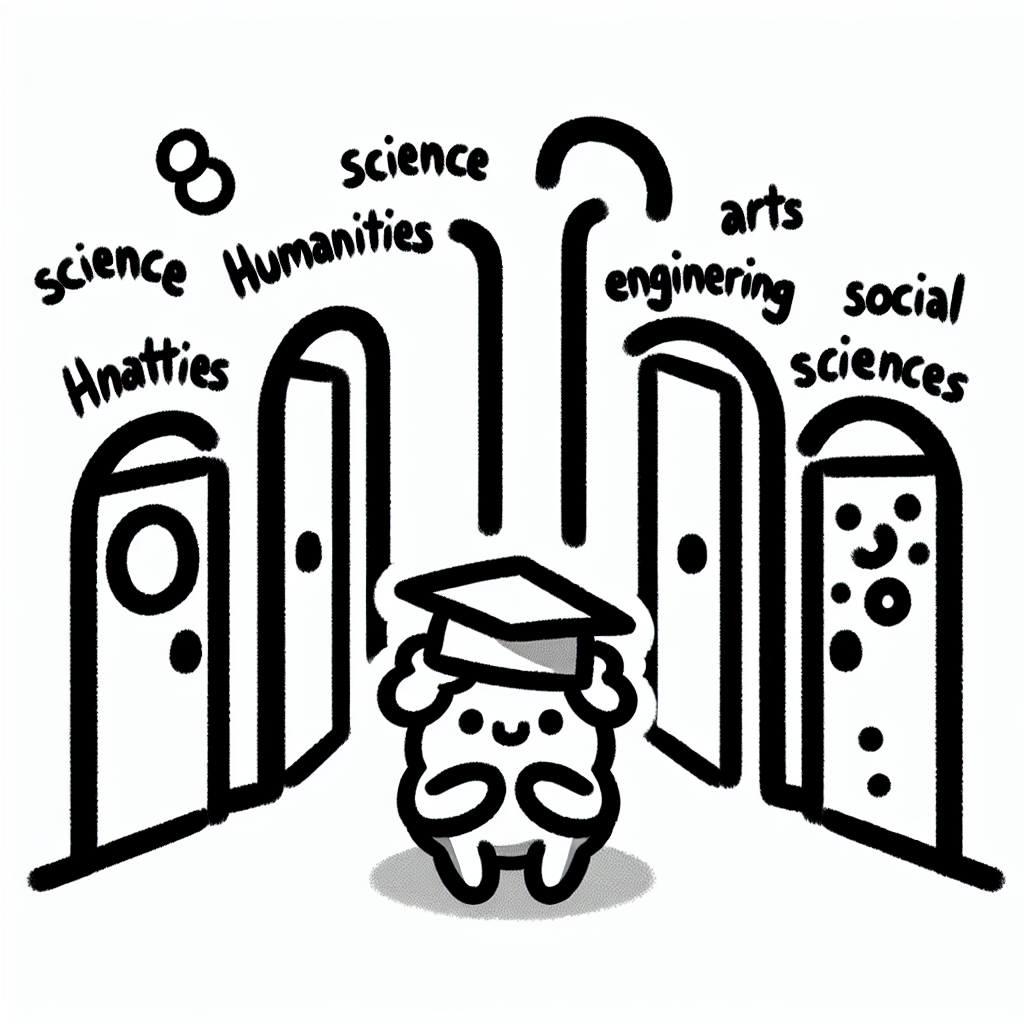
Academic flexibility refers to the capacity of an educational institution to provide students with adaptable, interdisciplinary, and self-directed learning paths. This approach allows learners to take control of their academic journey, tailoring it to align with their personal interests, career goals, and the demands of emerging industries.
Schools known for academic flexibility often share several key characteristics. These include open or customizable curricula that let students design their own course of study. Many offer interdisciplinary programs that encourage integrating knowledge across traditional subject boundaries. Some schools reduce or eliminate general education requirements, giving students more freedom to focus on their areas of interest. Cross-departmental collaboration enables students to engage with diverse academic perspectives, while personalized advising ensures that each student receives the support needed to navigate their unique educational path.
This flexibility is especially valuable in a rapidly changing world, where traditional academic structures may not adequately prepare students for the complexities of the modern workforce. Institutions that prioritize academic flexibility equip students with the tools to adapt, innovate, and thrive in diverse professional and intellectual environments.

Leading Institutions Embracing Academic Flexibility
🧠 Massachusetts Institute of Technology (MIT)
MIT is one of the schools known for academic flexibility through its emphasis on interdisciplinary study. The institute offers customizable curricula that span science, engineering, humanities, and social sciences. Programs like Course 6-7 (Computer Science and Molecular Biology) reflect MIT's commitment to cross-departmental innovation.
Students are encouraged to design unique degree paths that align with their academic interests and career goals. MIT supports this flexibility with a strong focus on research, internships, and entrepreneurship opportunities.
MIT offers a range of flexible degree programs
📘 Brown University
Brown University stands out among schools known for academic flexibility due to its Open Curriculum model. The university eliminates required general education or core courses, allowing students to shape their own educational experiences across various disciplines.
This model emphasizes intellectual exploration, student agency, and the freedom to take academic risks. A robust advising system ensures students receive personalized support to navigate their self-directed learning paths.
Brown University's open curriculum eliminates mandatory general education courses
🎓 University of Rochester
The University of Rochester promotes academic flexibility through its Cluster System. Instead of traditional general education requirements, students select clusters of courses in humanities, social sciences, and natural sciences.
This approach fosters student-driven learning and high autonomy in course selection. The university also encourages blending disciplines, such as combining music with computer science or neuroscience with linguistics, reinforcing its commitment to cross-disciplinary research and study.
📚 Amherst College
Amherst College exemplifies academic flexibility with its policy of total academic freedom—there are no core curriculum or distribution requirements. Students are free to design their academic paths entirely based on interest.
Amherst also offers access to courses across the Five College Consortium, expanding options for cross-disciplinary study. The college supports independent projects, with a strong emphasis on research and senior theses.
Amherst College offers an open curriculum with no core requirements
🏛 Hamilton College
Hamilton College is another institution known for academic flexibility, offering an open curriculum structure where students are free to choose their courses as long as they meet major requirements.
The college places a strong emphasis on communication and critical thinking, integrating writing and speaking skills across disciplines. Faculty mentorship plays a key role, guiding students through flexible academic paths.

Key Components of Flexible Academic Programs
🔄 Customizable Curricula
One of the hallmarks of schools known for academic flexibility is the ability for students to tailor their educational paths. These institutions often allow students to select courses across diverse disciplines, enabling them to build a curriculum that aligns with their interests and career goals. In some cases, students can design their own majors or concentrations, combining courses from multiple departments to create a unique academic focus.
🔬 Interdisciplinary Learning
Flexible academic programs frequently encourage interdisciplinary learning. This means students can engage with subjects that blend traditionally separate fields, fostering a more holistic educational experience. For example, at MIT, Course 6-7 combines computer science and molecular biology, exemplifying how institutions integrate disciplines to reflect the complexities of modern challenges. Other combinations might include economics and environmental studies or philosophy and neuroscience, allowing students to explore connections between fields.
🧭 Guided Autonomy
While flexibility is key, schools known for academic flexibility also provide structured support through strong advising systems. These advisors help students navigate course selection, degree requirements, and academic goals. Additionally, students are often given access to planning tools and resources that aid in exploring various academic pathways, ensuring that autonomy is balanced with informed decision-making.
🚀 Career and Research Integration
Another vital component of flexible academic programs is the integration of career development and research opportunities into the curriculum. Many schools embed internships, co-operative education (co-ops), and undergraduate research into their degree plans. Capstone projects and senior theses are also designed to connect academic work with professional aspirations, allowing students to apply their learning in real-world contexts.

Benefits of Academic Flexibility
Schools known for academic flexibility offer several key benefits that directly impact student success and long-term outcomes.
Enhanced Student Engagement
Academic flexibility allows students to tailor their coursework to align with their personal interests and career goals. This autonomy increases motivation and participation, as learners are more invested in subjects that resonate with their passions and aspirations.
Preparation for Interdisciplinary Careers
Flexible academic structures enable students to combine disciplines, making them better suited for careers that span multiple fields. As job markets continue to evolve, the ability to adapt knowledge across domains becomes increasingly valuable. Schools known for academic flexibility help prepare students for roles in emerging industries that require diverse skill sets.
Development of Critical Skills
By encouraging students to chart their own educational paths, academic flexibility fosters creativity, independence, and critical thinking. It also supports lifelong learning, as students develop the ability to adapt and grow beyond formal education. These skills are essential for navigating complex challenges in both professional and personal contexts.

Conclusion
Institutions such as MIT, Brown, Rochester, Amherst, and Hamilton exemplify what it means to be schools known for academic flexibility. These universities offer students the ability to shape their education through personalized curricula, interdisciplinary study options, and goal-oriented academic paths. This flexibility allows learners to align their coursework with their interests and career goals, fostering deeper engagement and innovation.
As the demands of the workforce and higher education continue to shift, schools known for academic flexibility are better positioned to prepare students for success. Flexible academic models encourage adaptability, critical thinking, and self-direction—skills that are increasingly essential in a rapidly changing world. These institutions demonstrate how empowering students with choice and autonomy in their education can lead to more meaningful and effective learning outcomes.
 SHARE ON FACEBOOK
 SHARE ON TWITTER