Introduction
In the 21st-century workplace, communication skills have become more important than ever. With the rise of remote work, global collaboration, and digital communication platforms, the ability to convey ideas clearly and work effectively with others is now a core professional requirement. Employers consistently rank communication as one of the most sought-after soft skills, emphasizing its role in teamwork, problem-solving, and leadership.
Despite this growing demand, many students enter the workforce underprepared in key areas of communication. Studies show a disconnect between employer expectations and the actual communication abilities of recent graduates. While students may be proficient in technical knowledge, they often struggle with verbal articulation, active listening, and written clarity in professional settings.
This article examines the current state of student communication skills, identifies the gaps between academic preparation and workplace demands, and offers practical solutions to help bridge those gaps. By addressing these challenges, educators and institutions can better equip students for success in a communication-driven job market.
The Communication Skills Employers Value Most
Employers consistently rank student communication skills as a top priority when evaluating job candidates. Among these, several key competencies stand out.
Verbal/Oral Communication
Verbal communication is often considered the most critical skill in the workplace. According to a study from Iowa State University, one-third of employers prioritize strong oral communication skills above all other forms. Oral fluency can be a decisive factor in hiring decisions, as it reflects both confidence and the ability to engage effectively in professional environments.
Written Communication
Clear and concise written communication is essential across nearly all industries. Employers seek candidates who can craft emails, reports, and documentation that are grammatically correct, logically structured, and tailored to different audiences.
Nonverbal and Visual Communication
Body language, eye contact, and facial expressions play a significant role in how messages are received. Additionally, the ability to present information visually—through charts, graphs, or slide decks—is increasingly valued, especially in roles that require public speaking or data presentation.
Digital and Electronic Communication
With the rise of remote work and digital collaboration tools, proficiency in digital communication platforms like email, chat apps, and video conferencing software is essential. Employers look for students who can maintain professionalism and clarity in these digital environments.
Strong student communication skills in these areas help graduates stand out in a competitive job market and contribute effectively in diverse workplace settings.

The Communication Skills Gap: Perceptions vs. Reality
A significant disconnect exists between how important communication skills are perceived to be and how well students are actually prepared in this area. In a report evaluating alumni outcomes, employers rated the importance of communication skills at 4.68 out of 5. In contrast, they rated student preparation in communication skills much lower, at just 3.60 out of 5. This disparity highlights a clear communication skills gap that affects new graduates entering the workforce.
Further emphasizing this gap, a survey of employers found that 53% observed poor eye contact and weak communication during job interviews. These soft skill shortcomings are increasingly seen as barriers to employment, impacting graduates' ability to secure and succeed in professional roles.
Even though communication is considered the #1 most important career readiness skill, according to the University of Wyoming's career competencies framework, employers still rank student proficiency in communication only fifth out of eight competencies. This ranking further illustrates the persistent gap between the recognized value of student communication skills and actual performance levels seen by employers.

Why Students Struggle with Communication
Academic Curriculum Limitations
Many educational programs prioritize technical knowledge and subject-specific expertise, often at the expense of student communication skills. Courses typically focus on exams, problem-solving, and theoretical understanding, leaving little room for teaching soft skills like public speaking, interpersonal communication, and digital etiquette. As a result, students may graduate with strong academic credentials but lack the ability to effectively convey their ideas in professional or social settings.
Insufficient Experiential Learning
Developing student communication skills requires consistent practice and constructive feedback—elements that are often missing in traditional classroom settings. Students may have limited access to real-world scenarios where they can practice speaking, collaborating, and presenting ideas. Additionally, without regular coaching or performance evaluations, students receive little guidance on how to improve their communication abilities.
Digital Distraction and Over-Reliance on Text-Based Communication
Asynchronous communication methods like texting, instant messaging, and social media have become dominant forms of interaction among students. While convenient, these platforms encourage abbreviated language and reduce opportunities for developing verbal fluency and active listening. This shift contributes to a decline in face-to-face communication skills, making it more difficult for students to engage in meaningful conversations, interpret non-verbal cues, and respond thoughtfully in real time.
Assessing Student and Employer Perspectives
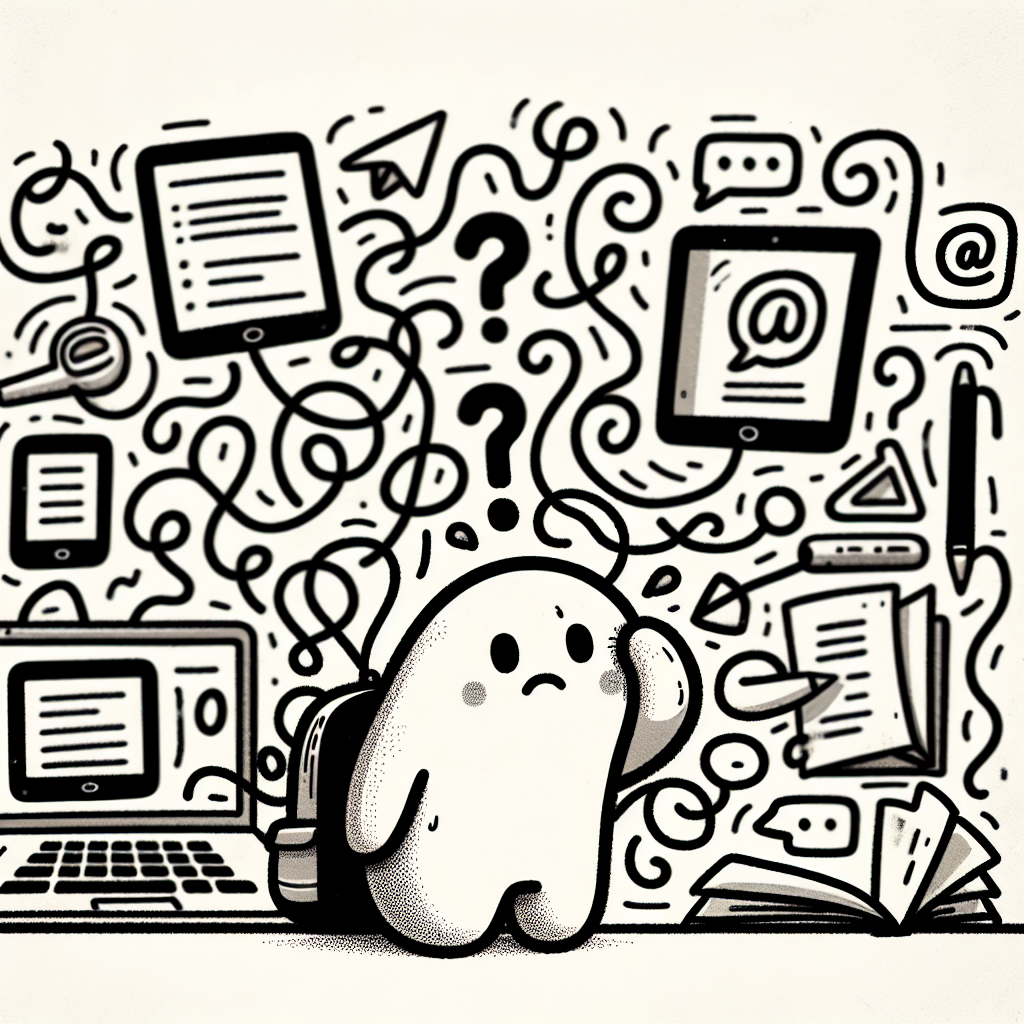
A key challenge in developing strong student communication skills is the gap between how students perceive their abilities and what employers actually expect. According to the Development of Entry-Level Communication Skills study, students frequently overestimate their readiness to communicate effectively in professional environments.
While students tend to view their communication skills as adequate or even strong, employers report a different experience. They often find new graduates lacking in essential areas such as clarity, confidence, active listening, and adaptability. This mismatch suggests that students may not fully understand the practical demands of workplace communication or how their skills align with those needs.
Employers prioritize communication skills that go beyond basic verbal and written abilities. They look for individuals who can convey ideas clearly, listen to feedback, adjust their message based on audience, and present themselves with confidence. These findings highlight the importance of aligning communication training in academic settings with real-world expectations, ensuring that student communication skills meet the standards of today's job market.
Strategies to Strengthen Student Communication Skills
Curriculum Enhancements
To strengthen student communication skills, integrating verbal communication modules into the curriculum of all majors is essential. This ensures that students across disciplines develop the ability to articulate their ideas clearly and effectively. An interdisciplinary approach can further enhance understanding by teaching communication in various contexts, such as scientific writing for engineers or persuasive speech for business majors. Institutions can also implement mandatory courses in public speaking or presentations to build foundational skills that are critical in both academic and professional settings.
Experiential Learning and Practice Opportunities
Providing students with regular experiential learning opportunities is key to developing strong communication abilities. Activities like role-playing, mock interviews, and structured peer feedback sessions allow for real-time practice and reflection. Group projects that require collaborative communication help students learn to navigate diverse viewpoints and work toward shared goals. Participation in student organizations, debate clubs, and leadership roles further reinforces these skills in dynamic, real-world scenarios.
Leveraging Technology for Communication Skill-Building
Technology can play a significant role in enhancing student communication skills. Video tools allow students to record presentations and review their performance for self-improvement. Training in email etiquette, professional networking platforms, and digital storytelling equips students with the competencies needed for today's digital communication landscape. These tools help bridge the gap between traditional instruction and modern communication demands.
Faculty and Career Services Collaboration
Collaboration between faculty and career services can provide students with comprehensive support to develop their communication skills. Jointly led workshops offer academic and professional perspectives, while real-world simulations, often in partnership with employers, give students a chance to practice in realistic settings. Communication bootcamps and immersive seminars provide intensive training that can accelerate skill development and prepare students for high-stakes communication challenges.

Measuring and Improving Communication Proficiency
Improving student communication skills requires clear benchmarks and consistent evaluation tools. Establishing clear outcomes and rubrics is essential for defining what proficient communication looks like across speaking, writing, listening, and visual design. These competencies should be articulated in a way that is measurable and observable, enabling students and educators to align expectations. Standardized assessments and structured feedback tools, such as detailed scoring guides or digital rubrics, help ensure consistency in evaluating student performance.
Reflective practice is another key strategy in developing student communication skills. Incorporating journals and portfolios allows students to document their progress over time, highlighting improvements and identifying persistent challenges. These tools foster a habit of self-awareness and critical thinking. Additionally, self and peer evaluations provide valuable perspectives, encouraging students to recognize both their strengths and areas for growth. This dual approach—objective measurement and personal reflection—creates a comprehensive framework for cultivating strong communication abilities.

Conclusion: Preparing Graduates for the Communication-Driven Workforce
Student communication skills are a decisive factor in determining career readiness and long-term success. In an increasingly collaborative and information-driven economy, employers consistently rank communication as one of the most critical competencies for new hires. Despite this, a persistent preparation gap exists between the communication skills students possess upon graduation and those demanded in the workforce.
Addressing this gap requires systemic academic reform. Institutions must move beyond isolated communication courses and instead embed communication skill development across disciplines. This includes integrating real-world projects, peer collaboration, and public speaking opportunities within the curriculum.
Furthermore, aligning academic instruction with employer expectations is essential. Through partnerships with industry, internships, and feedback loops between educators and employers, students can gain practical experience that hones their student communication skills in professional contexts.
By taking a comprehensive approach—revising curricula, incorporating experiential learning, and maintaining close ties with the labor market—educators can ensure graduates are well-prepared to communicate effectively and thrive in the modern workplace.
Additional References
Research consistently highlights the importance of student communication skills in preparing graduates for the workforce. The following sources offer valuable insight into employer expectations and the current state of communication skill development among students:
- Employers' Emphasis on Oral Communication Skills – Iowa State University: This study found that employers place a high value on oral communication skills, often ranking them above technical qualifications when hiring new graduates.
- Gap Between Importance and Preparation in Communication Skills – NC State University: Data reveals a significant gap between how important communication skills are to employers and how well-prepared students feel in this area after graduation.
- Employers' Perception of Graduates' Communication Skills – University of Florida IFAS Extension: This article discusses how many employers perceive graduates to be lacking in basic communication skills, which can hinder their job performance and growth.
- Development of Entry-Level Communication Skills – University of Wisconsin System: This research examines strategies for improving entry-level student communication skills through curriculum design and experiential learning.
- Communication Skills as a Core Competency – University of Wyoming: The University of Wyoming outlines communication as a core career competency, emphasizing its role in successful student development and career readiness.

 SHARE ON FACEBOOK
 SHARE ON TWITTER