Introduction
Internships for college students have become a crucial component of the college-to-career pipeline. As the job market grows more competitive, employers increasingly view internships not just as supplemental experience but as essential preparation for full-time employment. According to the National Association of Colleges and Employers (NACE), nearly 60% of students in recent graduating classes participated in at least one internship during their college years.
This growth reflects the expanding role of internships in bridging academic learning with practical, hands-on experience. Through internships, students apply classroom concepts in real-world settings, gaining insights into industry practices, workplace dynamics, and professional expectations. This experiential learning helps students develop both technical and soft skills that are difficult to acquire in traditional academic environments.
Employer expectations are also evolving. Many organizations now use internship programs as talent pipelines, offering full-time positions to interns who demonstrate strong performance. As a result, internships for college students are no longer optional—they are increasingly seen as a critical step in launching a successful career.

The State of Internships in 2024
Participation Trends
Internships for college students remain a major component of early career development in 2024. According to the National Association of Colleges and Employers (NACE), over two-thirds of graduating seniors participated in internships during their college years (NACE). In the class of 2023, 62% of graduates completed at least one internship, and 59% of these internships were paid positions (NACE).
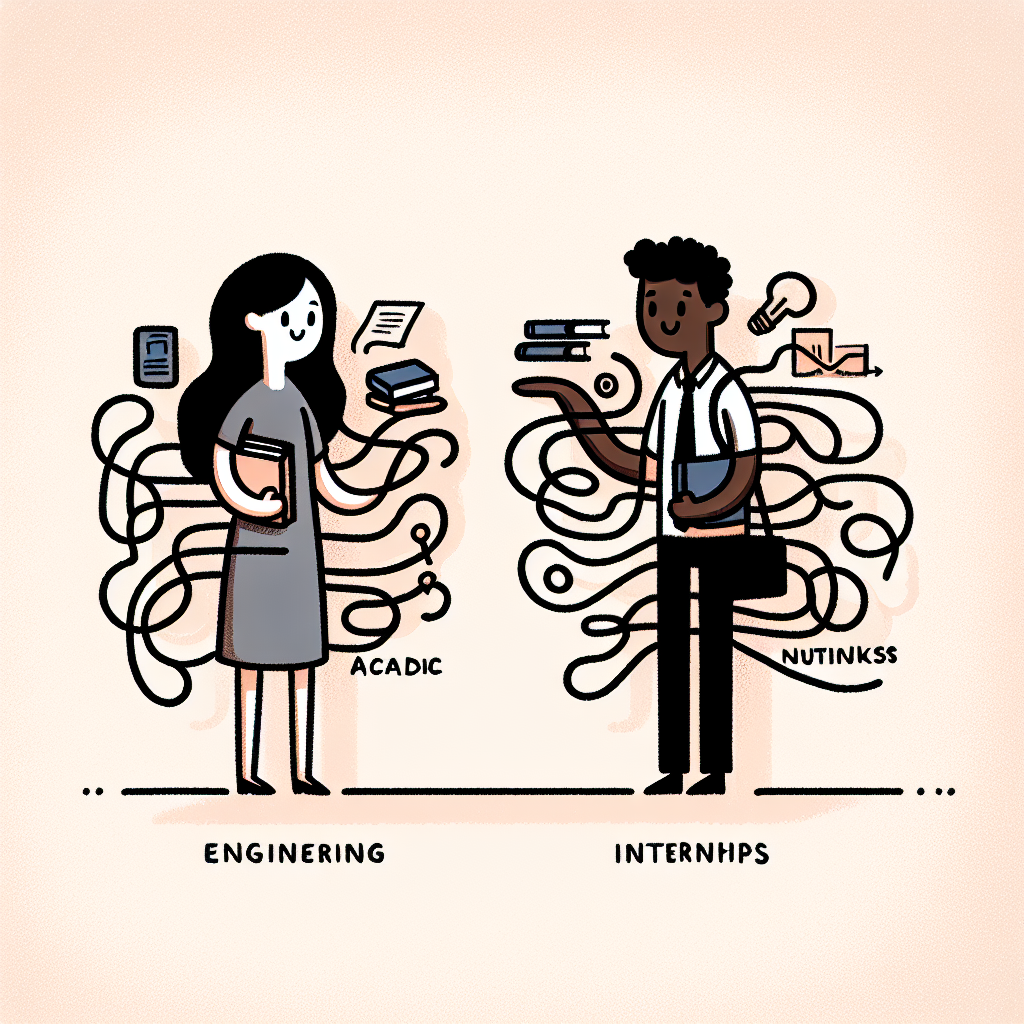
Participation rates vary across academic disciplines and institutions. Students majoring in fields like engineering, business, and computer science tend to have higher internship engagement, often due to structured co-op programs and employer demand. Liberal arts majors and students at smaller or less-resourced institutions may face more challenges accessing internship opportunities, highlighting a disparity in experiential learning.
Labor Force Engagement
In addition to internship participation, general labor force activity among college students is substantial. As of October 2024, 49.2% of college students were active in the labor force, significantly higher than the 25.1% participation rate of high school students (BLS). This trend indicates that many students are combining academic work with either internships or other forms of employment, gaining key workplace skills early. Such engagement has important implications for early career development, as students who participate in internships for college students often build professional networks and gain industry-specific experience that can lead to full-time employment after graduation.
The Value Proposition of Internships
Internships for college students offer a range of academic and career benefits that make them an essential part of higher education. By participating in internships, students enhance their resumes and gain practical experience that strengthens their readiness for job interviews. These opportunities allow students to apply classroom knowledge in real-world settings, bridging the gap between theory and practice through experiential learning.
In addition to technical skills, internships help students develop key soft skills such as communication, teamwork, and time management. These competencies are highly valued by employers and often distinguish one candidate from another in a competitive job market.
From an employment perspective, internships significantly impact job prospects and salary outcomes. According to the National Association of Colleges and Employers (NACE), paid interns receive significantly more job offers and higher starting salaries than unpaid interns or students who do not complete internships (NACE). This advantage positions internships as a strategic stepping stone to full-time employment, particularly when students can showcase relevant experience and professional connections gained during their internship.
Overall, internships for college students provide both immediate and long-term value by boosting academic growth, enhancing employability, and increasing earning potential.

Paid vs. Unpaid Internships
Economic Implications
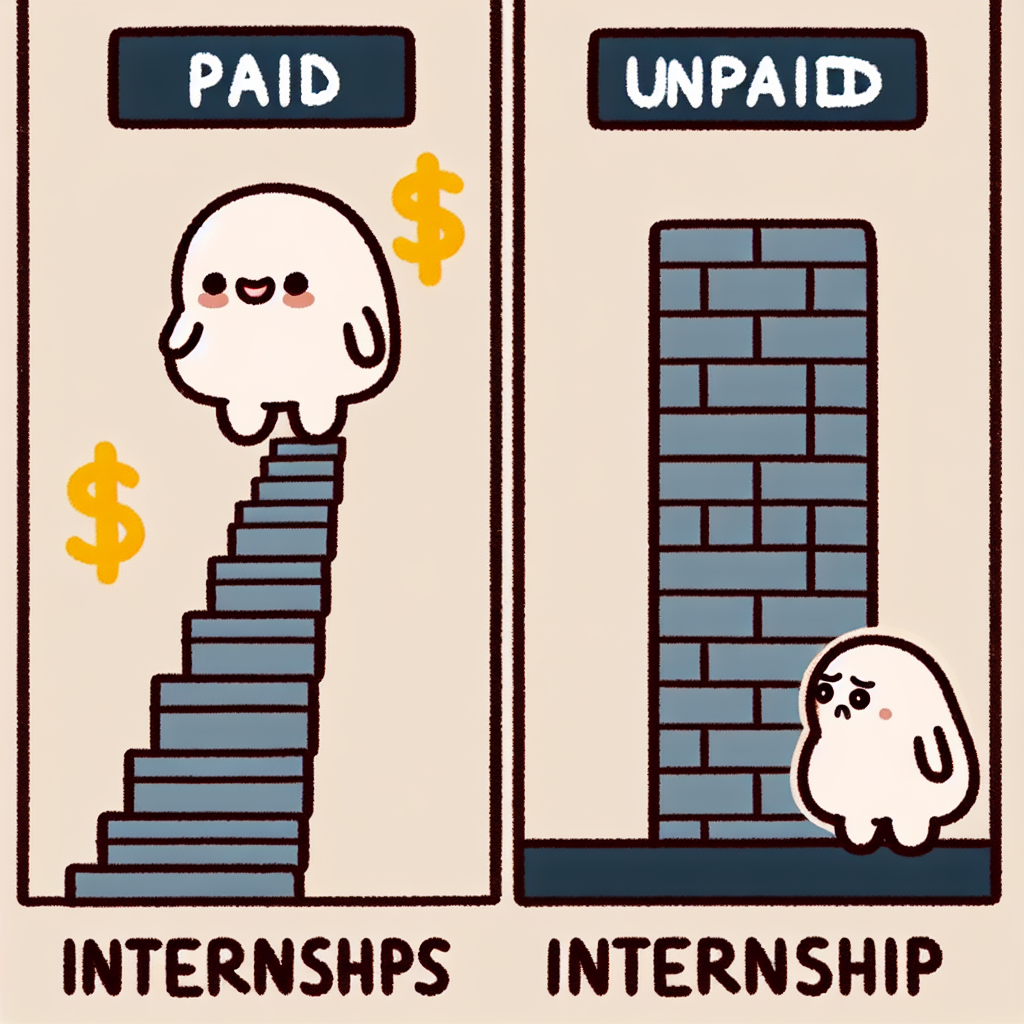
When evaluating internships for college students, the distinction between paid and unpaid positions carries significant economic consequences. Paid internships typically lead to stronger career outcomes, including higher starting salaries and increased job offers after graduation. They also tend to be more accessible to a broader range of students, as compensation helps offset the cost of living and education-related expenses.
In contrast, unpaid internships can limit opportunities, particularly for low-income students who cannot afford to work without compensation. These students may be forced to prioritize paid employment over potentially valuable, but unpaid, internship experiences. As a result, the unpaid model can reinforce socioeconomic disparities and restrict career development for those who may benefit from internships the most.
Equity and Accessibility
Internships for college students also raise concerns around equity and accessibility. First-generation college students are notably underrepresented in paid internships and disproportionately represented among those who never intern at all (NACE). Financial barriers play a critical role in this imbalance. Without the means to support themselves during an unpaid internship, many students—especially those from underrepresented or economically disadvantaged backgrounds—miss out on vital experiential learning opportunities.
This disparity underscores the importance of increasing access to paid internships. Ensuring that internships are financially accessible can help level the playing field and support a more inclusive pathway to career readiness for all college students.
Internship-to-Employment Conversion
Conversion Rates and Influencing Factors
Internships for college students often serve as a stepping stone to full-time employment. In 2024, 53.3% of interns were expected to convert to permanent roles at their host companies (NACE). This conversion rate underscores the importance of internships not only as learning experiences but also as recruitment tools.
Several factors significantly influence whether an internship leads to a job offer. Job satisfaction during the internship plays a crucial role, as does the intern’s sense of belonging within the company. Mentorship and strong supervisor support also contribute to positive outcomes. When interns feel valued and supported, they are more likely to envision a long-term future with the organization.
Employer Perspectives
From the employer’s side, internships for college students are a strategic part of the talent acquisition process. Many companies view internship programs as pipelines for identifying and developing future employees. By offering meaningful work experiences, employers can assess candidates’ fit for the company culture and the demands of full-time roles.
To improve intern retention and conversion, best practices include structured onboarding, regular feedback, and assigning real, impactful projects. Providing mentors and fostering a sense of inclusion further enhances the likelihood of successful internship-to-employment transitions.

Types of Internships
Academic Credit vs. Non-Credit
Internships for college students can be classified as either for academic credit or non-credit. Academic credit internships are often integrated into a student’s curriculum and require approval from the college or university. These internships typically involve setting learning objectives, submitting periodic evaluations, and completing a final report or presentation. Institutions may also require a certain number of hours worked and supervision by a faculty advisor.
Non-credit internships, on the other hand, do not count toward degree requirements but still offer valuable work experience. These are often more flexible and may not be subject to the same academic oversight.
The benefit of academic-credit internships lies in their structured learning outcomes and the ability to fulfill graduation requirements while gaining real-world experience. However, they may come with additional costs if students must pay tuition for the credits.
Virtual, In-Person, and Hybrid Models
Internships for college students are offered in various formats: virtual, in-person, and hybrid. In-person internships provide hands-on experience and the opportunity to build relationships directly in the workplace. However, they may be limited by geographic location and commuting constraints.
Virtual internships allow students to work remotely, offering greater flexibility and access to opportunities regardless of location. These became especially prevalent during the COVID-19 pandemic and have remained popular due to their inclusivity and convenience. Hybrid internships combine both formats, offering some in-person interaction while maintaining the flexibility of remote work.
Each model has its pros and cons. In-person internships provide immersive experiences, while virtual internships improve accessibility and help students develop digital communication skills. Hybrid models aim to balance both.
Industry-Specific Opportunities
Internships for college students span across various industries, including STEM, business, arts, public service, and nonprofits. STEM internships often involve research, data analysis, or technical development, providing essential experience for students pursuing careers in science and technology. Business internships may include roles in finance, marketing, or management, helping students understand corporate operations and strategy.
Arts internships can involve work in media, design, or performance settings, allowing students to build portfolios and gain exposure in creative fields. Public service and nonprofit internships often focus on community engagement, policy work, and social impact, offering students a chance to contribute to meaningful causes.
Selecting an industry-specific internship that aligns with career goals allows students to gain relevant skills, build networks, and enhance their resumes in targeted fields.
Finding and Securing Internships
Securing internships for college students requires a strategic approach that includes using the right resources, refining application materials, and planning ahead.
Resources and Platforms
College career services offices are a key starting point. They often offer tailored internship listings, resume reviews, and mock interviews. Online platforms like LinkedIn and Handshake are also valuable tools. LinkedIn allows students to follow companies, connect with professionals, and apply directly to internship postings. Handshake is designed specifically for students and frequently partners with universities to list vetted opportunities.
Job boards such as Indeed and Glassdoor can also be helpful, though students should be cautious and verify the legitimacy of postings. In addition, networking remains one of the most effective methods. Attending campus career fairs, reaching out to alumni, and conducting informational interviews can lead to valuable leads and referrals.
Application Strategies
To stand out, students should tailor their resumes and cover letters for each position. This includes highlighting relevant coursework, projects, and part-time jobs that showcase applicable skills. Keywords from the job description should be incorporated to pass applicant tracking systems.
Interview preparation is just as critical. Practicing common questions, researching the company, and preparing thoughtful questions to ask the interviewer are important steps. After the interview, a polite thank-you email should be sent within 24 hours to reinforce interest and professionalism.
Timing and Planning
Most students begin applying for summer internships in the fall or early spring of the academic year. Larger companies often have early deadlines, sometimes as early as September for summer roles. Smaller organizations may have more flexible timelines.
Balancing internships with school and personal life is crucial. Students should consider course loads, extracurricular activities, and other responsibilities when deciding on full-time or part-time internships. Planning ahead ensures that the internship experience enhances rather than disrupts academic success.

Supporting Equitable Access to Internships
Institutional and Employer Roles
For many college students, internships serve as a critical bridge to employment. However, unequal access to these opportunities can deepen existing disparities. Institutions and employers play a key role in promoting equitable access to internships for college students.
Universities can offer stipends, scholarships, and course credit to support students who take otherwise unpaid internships. These financial supports help reduce the burden on students who cannot afford to work without pay. Employers can contribute by offering paid internship opportunities, ensuring that students from all economic backgrounds can participate.
In addition, creating inclusive internship cultures is essential. Employers should implement diversity, equity, and inclusion (DEI) initiatives, including mentorship programs, bias training for supervisors, and clear anti-discrimination policies. These efforts help foster environments where all interns—regardless of background—feel welcomed and supported.
Policy and Advocacy
Policy and advocacy efforts also play a vital role in expanding equitable access to internships for college students. There have been increasing calls for public and private sectors to invest in funding mechanisms that support paid internships, especially in fields where unpaid roles are common.
Legislation can also help protect unpaid interns by setting standards for fair treatment and workplace safety. For example, laws that extend workplace protections such as harassment and discrimination safeguards to unpaid interns ensure they receive the same respect and rights as paid employees. These policy measures aim to level the playing field, allowing all students to benefit from valuable internship experiences, regardless of financial means.

Conclusion
Internships for college students are a crucial stepping stone toward career readiness. They offer hands-on experience, help students build professional networks, and often lead to full-time job opportunities. These experiences allow students to apply classroom knowledge in real-world settings, making them more competitive in the job market.
Strategic and early planning is essential. Students who seek out internships early in their academic journey can explore various industries, discover their interests, and make informed career decisions. This preparation often results in a stronger resume and greater confidence when entering the workforce.
As the job market evolves, so do internships. Remote and virtual internship options are becoming more prevalent, offering flexibility and access to global opportunities. Employers increasingly value practical experience, making internships for college students more important than ever in preparing for a dynamic professional landscape.
 SHARE ON FACEBOOK
 SHARE ON TWITTER