Introduction
The Ivy League is a group of eight private colleges in the Northeastern United States known for their academic excellence, selective admissions, and longstanding traditions. These institutions—Harvard, Yale, Princeton, Columbia, Brown, Dartmouth, Cornell, and the University of Pennsylvania—are consistently ranked among the top universities in the world. For students wondering how to get into Ivy League 2026, understanding the prestige and competitiveness of these schools is a critical first step.
Planning early is essential for students targeting the Ivy League Class of 2026. The admissions process is holistic and multifaceted, requiring strong academic records, competitive standardized test scores, compelling personal essays, and robust extracurricular involvement. Beginning preparation well before senior year allows applicants to build a well-rounded profile that aligns with what Ivy League schools value.
Getting into the Ivy League presents both challenges and opportunities. High acceptance standards and low admit rates make the process highly competitive. However, students who strategically leverage their strengths, pursue meaningful achievements, and articulate their goals clearly in their applications stand a better chance of success. Understanding how to navigate these demands is key to making a compelling case for admission to the Ivy League Class of 2026.

Understanding Ivy League Admissions
Common Policies and Practices
When researching how to get into Ivy League 2026, it's important to understand the policies that unify the eight Ivy League institutions. One key document is the Joint Ivy Statement, which outlines shared principles in the admissions process. This agreement ensures that all Ivy League schools operate under a common set of ethical standards, particularly when it comes to early decision and regular decision timelines.
Most Ivy League schools follow similar application deadlines. Typically, early decision or early action applications are due in early November, with decisions released in mid-December. Regular decision applications are usually due in early January, with notifications sent by late March or early April. This consistency allows applicants to plan more effectively across multiple schools.
Another common feature is the approach to financial aid. All Ivy League schools offer need-based aid rather than merit-based scholarships. They commit to meeting 100% of demonstrated financial need, making affordability a shared priority across the league. However, the way each school calculates need can vary slightly.
Differences Between Ivy League Schools
While the Ivy League schools share many policies, each institution maintains its own priorities and selection criteria. These differences are crucial to understand when exploring how to get into Ivy League 2026.
For example, some schools may prioritize research potential, while others emphasize leadership or community service. Admissions offices weigh academic performance, standardized test scores, recommendations, and personal essays differently. Institutional priorities—such as filling specific departmental needs or supporting athletic teams—also influence decisions.
Fit plays a significant role. Academic fit includes whether a student’s interests align with the school’s strengths. Cultural fit involves the campus environment, values, and community life. Extracurricular fit considers how a student might contribute outside the classroom. Identifying and articulating fit in applications can make a difference.
Understanding both the shared and unique aspects of Ivy League admissions is key to crafting a strong and targeted application for the class of 2026.

Academic Preparation
Course Rigor
When considering how to get into Ivy League 2026, academic rigor plays a central role. Admissions officers look closely at whether students have challenged themselves by enrolling in Advanced Placement (AP), International Baccalaureate (IB), or Honors courses. These advanced classes signal a readiness for college-level work and a willingness to go beyond the minimum requirements.
Strategic course selection is equally important. Rather than simply taking every advanced class available, successful applicants choose courses that align with their academic interests and goals. This approach demonstrates intellectual curiosity and a commitment to deepening knowledge in specific areas.
GPA and Class Rank
A high GPA is a baseline expectation for Ivy League admissions. Many admitted students rank in the top 10% of their class. Competitive applicants often have unweighted GPAs close to 4.0 or weighted GPAs that reflect the difficulty of their coursework.
However, admissions officers evaluate applicants in context. They consider the curriculum offered at each high school and the opportunities available to students. A slightly lower GPA may be acceptable if the student has taken the most rigorous courses available and excelled relative to their peers.
Standardized Testing
With the rise of test-optional policies, many Ivy League schools no longer require the SAT or ACT for the class of 2026. However, submitting strong scores can still bolster an application. Competitive SAT scores typically fall in the 1450–1580 range, while ACT scores often range from 33–35.
Subject Tests have been discontinued by the College Board, but AP exam scores can still provide evidence of subject mastery. While not required, high scores on AP exams, especially in core academic subjects, can enhance a student’s academic profile.

Building a Strong Application
Personal Statement and Supplemental Essays
A critical part of understanding how to get into Ivy League 2026 is mastering the art of storytelling through personal statements and supplemental essays. These essays should present a compelling narrative that reflects the applicant’s authentic voice, values, and aspirations. Rather than listing accomplishments, successful applicants focus on a central theme—such as overcoming adversity, pursuing a passion, or making a meaningful impact—that ties their experiences together.
Equally important is tailoring each supplemental essay to reflect the specific values and culture of the school. For example, an essay for Princeton might emphasize service and curiosity, while one for Columbia could highlight a commitment to urban engagement and diversity. Researching each university’s mission and academic programs can help guide how to align your narrative with what each school values.
Letters of Recommendation
Letters of recommendation play a significant role in demonstrating character and academic potential. When thinking about how to get into Ivy League 2026, applicants should choose recommenders who know them well and can speak to both their intellectual strengths and personal attributes. Ideally, these are teachers or mentors who have observed the student’s growth and can provide specific examples of leadership, resilience, or creativity.
To ensure impactful letters, students should meet with potential recommenders early, providing context about their goals and notable achievements. Sharing a resume and a brief summary of what they hope the letter will highlight can lead to a more personalized and detailed recommendation.
Extracurricular Activities
In Ivy League admissions, depth of involvement often outweighs the number of activities. Colleges seek applicants who demonstrate sustained commitment, leadership, and measurable impact in a few areas rather than superficial involvement in many. Whether through starting a nonprofit, conducting independent research, or leading a regional organization, applicants should showcase initiative and the ability to drive change.
Unique talents—such as international music awards, national science competitions, or Olympic-level sports—can also set an applicant apart. These accomplishments should be clearly described, with an emphasis on their selectivity and relevance to the applicant’s broader story.
Awards and Honors
Highlighting significant awards and honors is another key aspect of how to get into Ivy League 2026. Admissions officers look for evidence of excellence that stands out nationally or internationally. Whether it’s a top placement at the Intel Science and Engineering Fair or recognition by the Scholastic Art & Writing Awards, these accolades help validate an applicant’s talents.
It’s also essential to provide context. For instance, winning a regional debate championship in a highly competitive district should be explained as such. This helps admissions committees understand the level of achievement relative to the applicant’s environment and available opportunities.

Financial Aid & Affordability
Understanding how to get into Ivy League 2026 includes careful planning around financial aid and affordability. Ivy League schools are known for their strong financial aid programs, but policies and resources vary by institution.
Institutional Commitment to Access
Cornell University exemplifies the Ivy League’s commitment to accessibility with a $459 million annual investment in financial aid (Cornell University). Nearly 50% of Cornell undergraduates receive grant aid, demonstrating the university’s dedication to making education more affordable regardless of a student's financial background.
Understanding Need-Blind and Need-Aware Policies
When considering how to get into Ivy League 2026, it’s important to understand the difference between need-blind and need-aware admissions. Need-blind policies mean a student’s financial situation is not considered during the admissions process, while need-aware policies allow financial need to play a role in the decision-making process. Most Ivy League schools follow a need-blind policy for domestic applicants and meet 100% of demonstrated financial need through grants and work-study, not loans. Understanding these policies can help applicants make informed decisions about where to apply.
Tools and Guides for Financial Planning
Applicants can find valuable help through tools and resources provided by Ivy League institutions. The University of Pennsylvania offers College Search Guides that include worksheets and planning tools to assist in evaluating college costs and financial options (University of Pennsylvania). Additionally, early estimation calculators and guidance on completing the CSS Profile can help families project potential aid packages. These resources are essential for students trying to plan how to get into Ivy League 2026 while managing affordability.

Accessibility and Inclusion
Support for Low-Income and First-Gen Students
Understanding how to get into Ivy League 2026 requires recognizing the support systems available for applicants from underrepresented backgrounds. Many Ivy League schools offer targeted outreach programs and pathway initiatives designed to help low-income and first-generation students navigate the admissions process. For example, Cornell University provides extensive support through initiatives that connect high school students with resources, advising, and campus visits.
Fly-in programs are another valuable tool. These programs allow selected students to visit campus—often at no cost—to experience college life, attend workshops, and meet with admissions counselors. Additionally, mentorship opportunities pair prospective applicants with current students or alumni who can provide guidance and encouragement throughout the application journey.
Resources for International and Underrepresented Applicants
For international and underrepresented students wondering how to get into Ivy League 2026, tailored resources can help bridge the gap in understanding the U.S. admissions process. Harvard’s Aspire Ivy Guide is one such example, offering a comprehensive look at how students from Central Asia can prepare competitive applications.
Students applying from abroad face unique challenges, such as differing educational systems and standardized testing requirements. Tips for navigating U.S. admissions include understanding the Common Application, preparing for the SAT or ACT, securing strong English proficiency test scores, and writing culturally resonant personal essays. Access to accurate information and dedicated support can significantly improve an international applicant’s chance of success.

Research and Demonstrated Interest
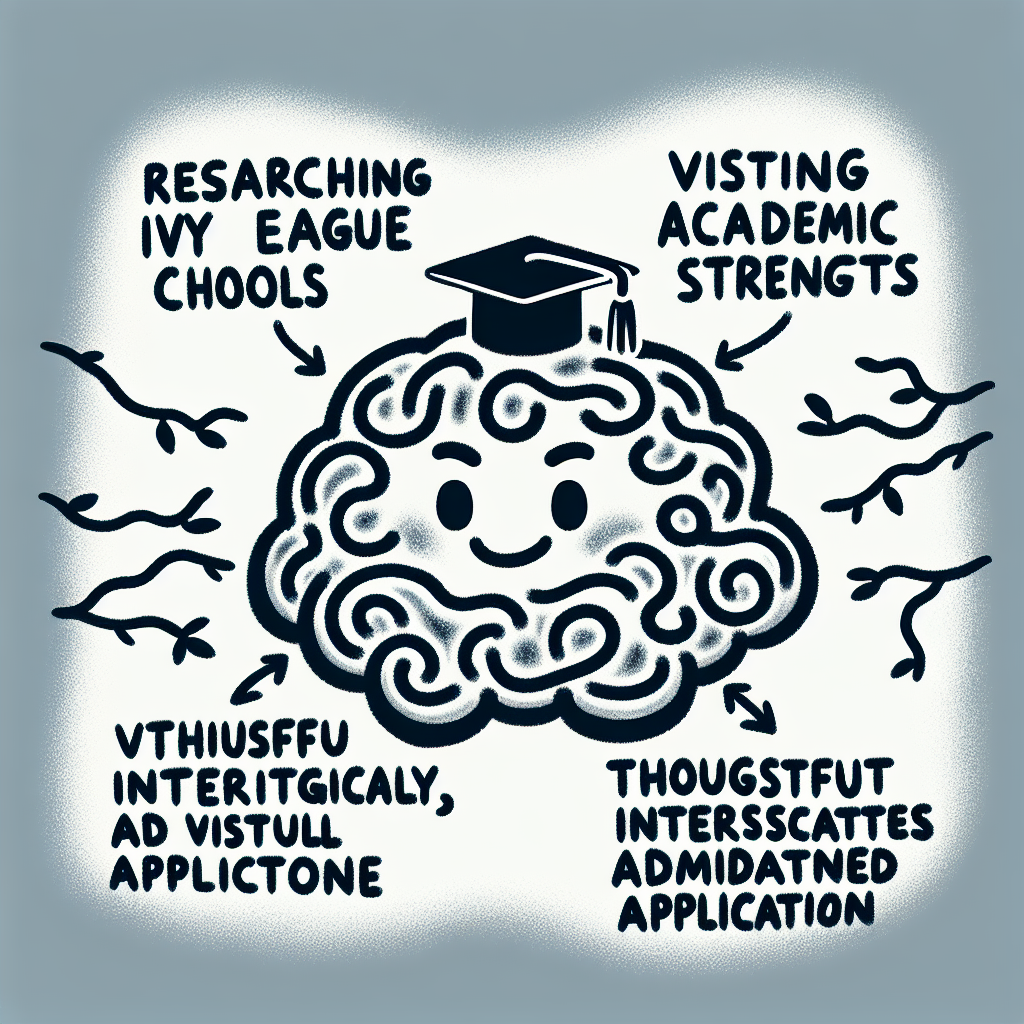
One critical component in understanding how to get into Ivy League 2026 is conducting thorough research and showing demonstrated interest. Admissions officers look for applicants who have taken the time to understand what makes each institution unique.
Exploring Campus Culture and Academics
Start by exploring each Ivy League school's specific culture and academic strengths. For example, Dartmouth College offers its “3D” admissions publications, which provide insight into faculty interests, academic programs, and student life (Dartmouth College). These resources can help you tailor your application to highlight how your goals align with what the school offers.
Understanding the academic focus of a university—whether it's strong in undergraduate research, interdisciplinary programs, or specific majors—can set your application apart. Also consider student life: what organizations, traditions, and campus values resonate with you? Demonstrating this knowledge in your essays and interviews shows that you have done more than just glance at their homepage.
Demonstrating Interest Effectively
Demonstrated interest plays a role in selective admissions. Ways to show this include visiting campuses—either in person or through virtual tours—and attending information sessions. Many Ivy League schools also offer interviews and regional outreach events. Participating in these opportunities allows you to connect with admissions representatives and alumni, providing valuable insights while signaling your genuine enthusiasm for the school.
Whether you're attending a virtual info session or meeting with an admissions officer, be prepared with thoughtful questions. This not only helps you learn more but also shows that you’re engaged and serious about your application. When considering how to get into Ivy League 2026, these small steps can make a meaningful difference.
Application Strategy
Developing a strong application strategy is essential when figuring out how to get into Ivy League 2026. A deliberate approach to decision plans, school selection, and timeline management can significantly improve your chances.
Early Decision vs. Regular Decision
Choosing between Early Decision (ED), Early Action (EA), and Regular Decision (RD) is a critical part of your Ivy League strategy. Applying ED can increase your chances of admission due to smaller applicant pools and demonstrated commitment. However, ED is binding, meaning if accepted, you must attend, which can limit your ability to compare financial aid packages. EA is non-binding and offers early notification, but not all Ivy League schools offer this option. Regular Decision gives you more time to polish your application and evaluate financial aid but often comes with lower acceptance rates.
Strategically, apply ED only if you're confident in your top-choice school and your application is ready by November. If you're unsure about affordability or want more time to improve your profile, RD may be the better choice.
Balanced College List
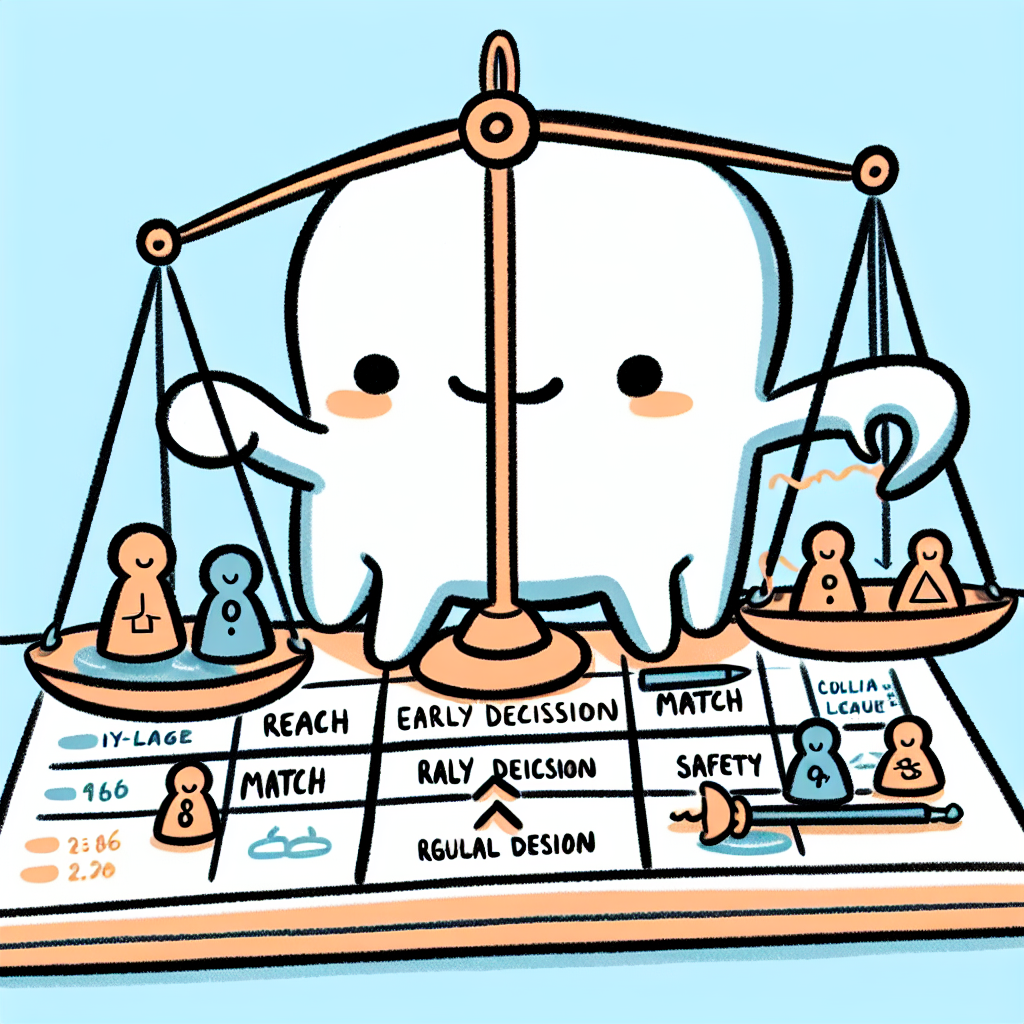
When considering how to get into Ivy League 2026, it’s important to create a balanced college list. This list should include a mix of reach, match, and safety schools to manage both ambition and practicality. Reach schools are those where your academic profile is below the school’s average; match schools align well with your qualifications; safety schools are those where your credentials exceed the typical admitted student’s.
The University of Pennsylvania offers helpful tools like college search worksheets to guide students in categorizing and selecting schools effectively (University of Pennsylvania). These resources can help you assess fit based on academic, social, and financial factors.
Application Timeline
Planning your application timeline is vital. Starting in the junior year, focus on standardized testing and building relationships with teachers for recommendations. Begin test prep by spring of junior year and aim to complete testing by early senior fall. Use the summer before senior year to draft personal statements and supplemental essays.
In senior fall, finalize your college list, request letters of recommendation, and submit applications by relevant deadlines (typically November for ED and January for RD). Monitor financial aid requirements and complete the FAFSA and CSS Profile as needed. Staying on top of each milestone helps ensure no part of your application is rushed or overlooked.
Managing these components thoughtfully is key to a successful strategy for how to get into Ivy League 2026.
Final Tips and Takeaways
When considering how to get into Ivy League 2026, several overarching strategies can guide applicants through the complex admissions process.
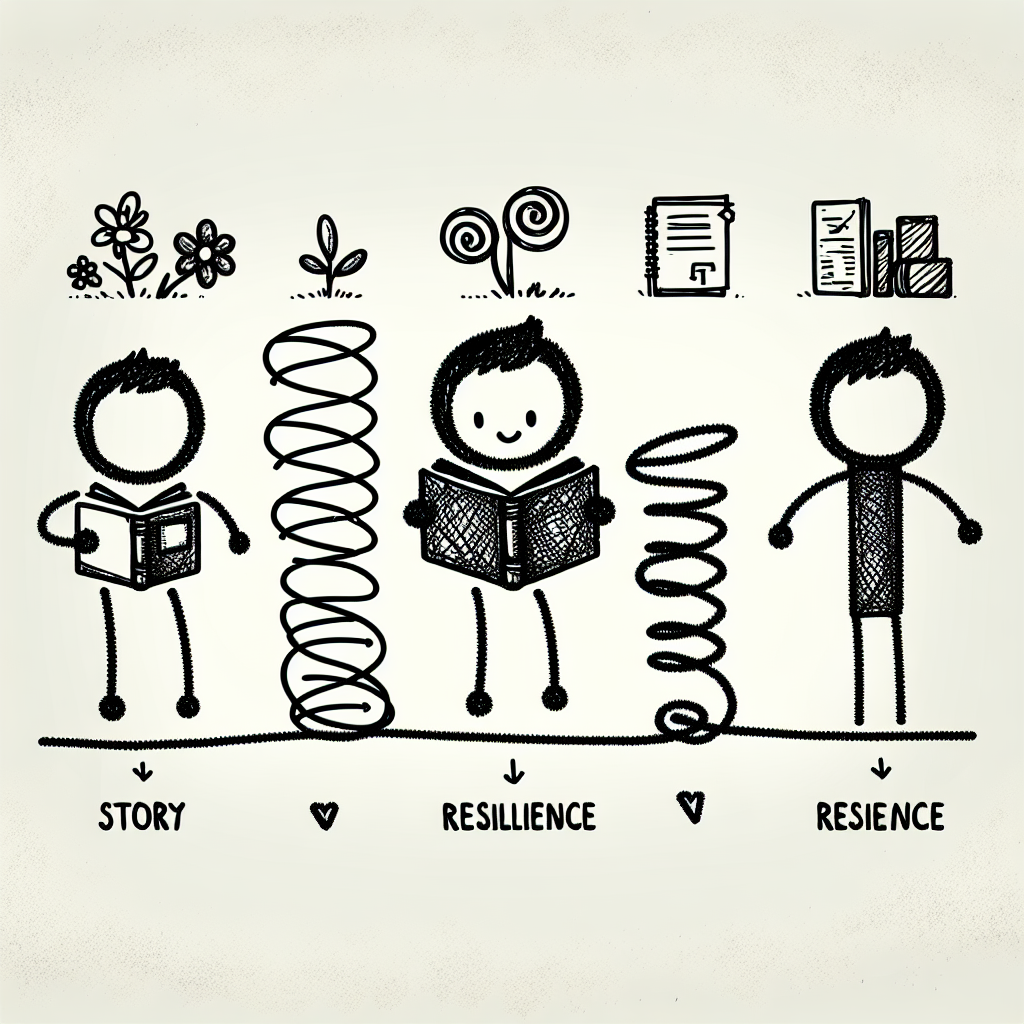
First and foremost, authenticity should be a guiding principle. Admissions officers look for genuine voices and real stories that reflect who applicants truly are. Rather than crafting an application to fit a perceived mold, students should focus on highlighting their unique experiences, interests, and values. Authenticity helps applicants stand out and ensures that their essays and interviews resonate with sincerity.
Resilience and adaptability are also critical. The path to an Ivy League school often involves setbacks, whether in academics, extracurriculars, or personal circumstances. Demonstrating the ability to overcome challenges and adjust to changing conditions can significantly strengthen an application. These qualities are valued not only in the admissions process but also in college and beyond.
Finally, applicants should make full use of available resources and support networks. This includes school counselors, teachers, mentors, and college prep programs. Guidance from those with experience can provide crucial insights and feedback. Additionally, seeking help early and often can reduce stress and improve the quality of application materials.
By focusing on authenticity, resilience, and support systems, students can approach the question of how to get into Ivy League 2026 with confidence and clarity.
Conclusion
Learning how to get into Ivy League 2026 requires understanding that while the admissions process is highly competitive, it is also manageable with the right approach. Academic excellence, strong extracurriculars, and compelling personal statements are essential, but so is thoughtful preparation and consistency throughout high school.
Applicants should also be aware that access and affordability are improving. Many Ivy League institutions have expanded need-based financial aid and outreach programs to support students from diverse backgrounds. This shift makes the dream of attending an Ivy League school more attainable for a broader range of students.
The best path forward is to start early, stay organized, and focus on telling your authentic story. Colleges are not just looking for perfect grades—they seek individuals who bring unique perspectives and genuine passion. By staying true to yourself and preparing strategically, you can enhance your chances of success in the Ivy League 2026 admissions cycle.

 SHARE ON FACEBOOK
 SHARE ON TWITTER