
Introduction
The Ivy League is a group of eight private colleges and universities in the northeastern United States known for their academic excellence, selective admissions, and historic prestige. The member schools—Harvard University, Yale University, Princeton University, Columbia University, University of Pennsylvania, Dartmouth College, Brown University, and Cornell University—originally formed an athletic conference in the mid-20th century, but the term "Ivy League" has since become synonymous with elite education.
Understanding how to get into Ivy League schools requires recognizing the intense level of competition. These institutions receive tens of thousands of applications each year, with acceptance rates typically under 10%, and sometimes as low as 3-4% at the most selective schools. Applicants are evaluated not only on academic performance but also on extracurricular involvement, leadership, personal character, and unique contributions.
Given these high standards, a strategic, data-driven approach is essential. Successful applicants often plan their academic and extracurricular profiles years in advance, targeting opportunities that align with Ivy League expectations. Using data from past admissions cycles, understanding institutional priorities, and tailoring applications accordingly can significantly improve the chances of admission.

Understanding the Ivy League Admissions Landscape
Acceptance Rates and Selectivity
Ivy League schools are known for their extremely competitive admissions processes. Most of these institutions have acceptance rates below 10%, making them some of the most selective colleges in the world. For example, Harvard reported an acceptance rate of 3.41% for the Class of 2027, with over 56,000 applicants competing for fewer than 2,000 spots (Harvard College Admissions Statistics).
Yale University follows a similarly rigorous selection process, admitting just 4.35% of applicants for the Class of 2027. The university received over 52,000 applications and enrolled a class of approximately 1,600 students (Yale University First-Year Class Profile). Princeton University also maintains a low acceptance rate, admitting about 5.8% of applicants, as shown in its annual admissions overview (Princeton University Admission Statistics).
While all eight Ivy League schools are highly selective, there are slight variations in acceptance rates. Schools like Cornell and Dartmouth may have slightly higher rates compared to Harvard or Columbia, but all remain highly competitive, emphasizing academic excellence, extracurricular achievement, and personal character.
Applicant Demographics and Diversity
Ivy League schools value a diverse student body and use a holistic admissions process to evaluate applicants. This means that in addition to academic credentials, schools consider personal background, extracurricular involvement, and unique life experiences. Institutions actively seek to admit students from a wide range of racial, geographic, and socioeconomic backgrounds.
For instance, Brown University highlights its commitment to diversity and equity, noting that 18% of admitted students are first-generation college students and 55% identify as students of color (Brown University Admission Facts). These trends reflect a broader effort across the Ivy League to support underrepresented minorities and low-income students. Efforts include targeted outreach, need-blind admissions policies, and generous financial aid packages.
In sum, understanding how to get into Ivy League schools requires recognizing the intensely competitive nature of the admissions landscape and the emphasis on building diverse, inclusive student communities.

Academic Credentials of Successful Applicants
Standardized Test Scores: SAT and ACT
For students learning how to get into Ivy League schools, standardized test scores remain a key indicator of academic readiness—despite recent test-optional policies. Competitive applicants typically score in the top percentiles nationally. For example, Harvard's middle 50% SAT scores for admitted students range from 1490 to 1580, and ACT composite scores range from 33 to 36 (Harvard SAT/ACT Ranges). Yale reports similar numbers, with a middle 50% SAT range of 1480–1580 and ACT scores between 33–35 (Yale Class Profile). Princeton’s admitted students tend to fall within a SAT range of 1500–1570 and ACT composite scores of 33–35 (Princeton Admission Statistics).
Although many Ivy League schools adopted test-optional policies during and after the COVID-19 pandemic, high test scores can still strengthen an application. Submitting strong SAT or ACT results can provide additional evidence of academic ability, particularly for students from schools with less access to advanced coursework.
High School Curriculum and GPA
In understanding how to get into Ivy League schools, academic rigor and GPA are crucial components. Successful applicants usually take the most challenging courses available to them, such as Advanced Placement (AP), International Baccalaureate (IB), or Honors classes. Admissions officers evaluate GPA not just in isolation, but in the context of the student’s school profile. A 4.0 GPA in an unchallenging course load may carry less weight than a slightly lower GPA in a rigorous curriculum.
Class rank, where provided, and academic awards like National Merit recognition or subject-specific honors also play a role. These metrics help admissions committees assess a student's performance relative to their peers. High academic achievement, combined with demonstrated intellectual curiosity and course rigor, is a consistent trait among those who are admitted to Ivy League institutions.

Beyond Academics: What Ivy League Schools Look For
Extracurricular Activities
When considering how to get into Ivy League schools, it’s essential to understand that admissions officers value quality over quantity in extracurricular involvement. Rather than joining a dozen clubs, students should focus on a few key areas where they can demonstrate depth, leadership, initiative, and measurable impact. For example, starting a nonprofit, leading a school organization to achieve a specific goal, or initiating a research project that gains recognition can set an applicant apart.
Standout extracurricular profiles might include a student who founded a tutoring program for underserved communities and expanded it to multiple schools, or a science fair winner who collaborated with university researchers. The key is to show sustained commitment and meaningful contributions.
Personal Essays and Writing
Essays offer a critical opportunity to differentiate oneself in the Ivy League admissions process. Crafting a compelling personal narrative involves reflecting on personal growth, challenges overcome, or defining moments that shaped one’s identity and aspirations.
The Common App essay allows applicants to highlight their overall story, while supplemental essays should be tailored to each school's specific values and culture. For instance, a student applying to Princeton might emphasize intellectual curiosity and service, while a Yale applicant could highlight interdisciplinary interests and community engagement. Demonstrating self-awareness, authenticity, and a clear sense of purpose is crucial.
Letters of Recommendation
Strong letters of recommendation are another vital component in understanding how to get into Ivy League schools. Students should choose recommenders who know them well and can speak to their character, academic strengths, and leadership potential. Ideally, these are teachers who have worked closely with the student in a challenging course or on a significant project.
What makes a recommendation letter stand out is specificity. Rather than vague praise, effective letters provide concrete examples of the student's contributions, intellectual curiosity, and personal growth. A detailed anecdote about a student's initiative in class or their ability to support peers can make a lasting impression.
Interviews
Interviews, conducted by alumni or admissions officers, are another chance for applicants to convey who they are beyond grades and test scores. While not always required, they can influence the admissions decision.
In preparing for Ivy League interviews, students should be ready to discuss their interests, motivations, and goals. They should also research the school’s programs and culture to articulate why they are a good fit. Authenticity matters—admissions officers are looking for genuine, thoughtful responses rather than rehearsed answers. Practicing common questions and reflecting on one’s story can help applicants present themselves confidently and sincerely.

Institutional Priorities and Special Considerations
When learning how to get into Ivy League schools, it's important to understand that admissions decisions aren't solely based on academics and extracurriculars. Institutional priorities and special considerations often play a significant role in shaping each incoming class.
Legacy, Athletes, and Other Hooks
Ivy League schools consider a range of non-academic factors when evaluating applicants. Legacy status—when a parent or close relative attended the institution—can provide a notable admissions advantage. While not a guarantee of admission, being a legacy applicant may result in more favorable consideration, especially in early decision rounds.
Athletic recruitment is another major factor. Recruited athletes often receive support from coaches and may be admitted with different academic thresholds if they meet the institution’s athletic and character expectations. Ivy League schools do not offer athletic scholarships, but they do value competitive sports as part of their campus life.
Other influential factors, or "hooks," can include being the child of major donors or having a unique background that aligns with the school’s current institutional priorities. For example, colleges may seek to strengthen specific academic departments, increase student representation from underrepresented regions, or meet diversity goals. These needs can shape who gets admitted in any given year.
First-Generation and Low-Income Applicants
Ivy League schools have made efforts to increase access for first-generation and low-income (FGLI) students. Applicants who are the first in their families to attend college may benefit from contextual admissions review, where their achievements are evaluated within the framework of their background and available resources.
Many Ivy League institutions participate in initiatives like QuestBridge, which connects high-achieving FGLI students with elite colleges through scholarship programs and early application partnerships. Additionally, fly-in programs allow students to visit campuses at no cost, helping them experience college life and potentially boosting their admissions chances.
Support systems for FGLI students have also expanded, with dedicated offices, mentorship programs, and financial aid packages designed to remove barriers to success. These institutional commitments can enhance an applicant’s profile and improve their likelihood of admission.

Strategic Application Planning
Building a Balanced College List
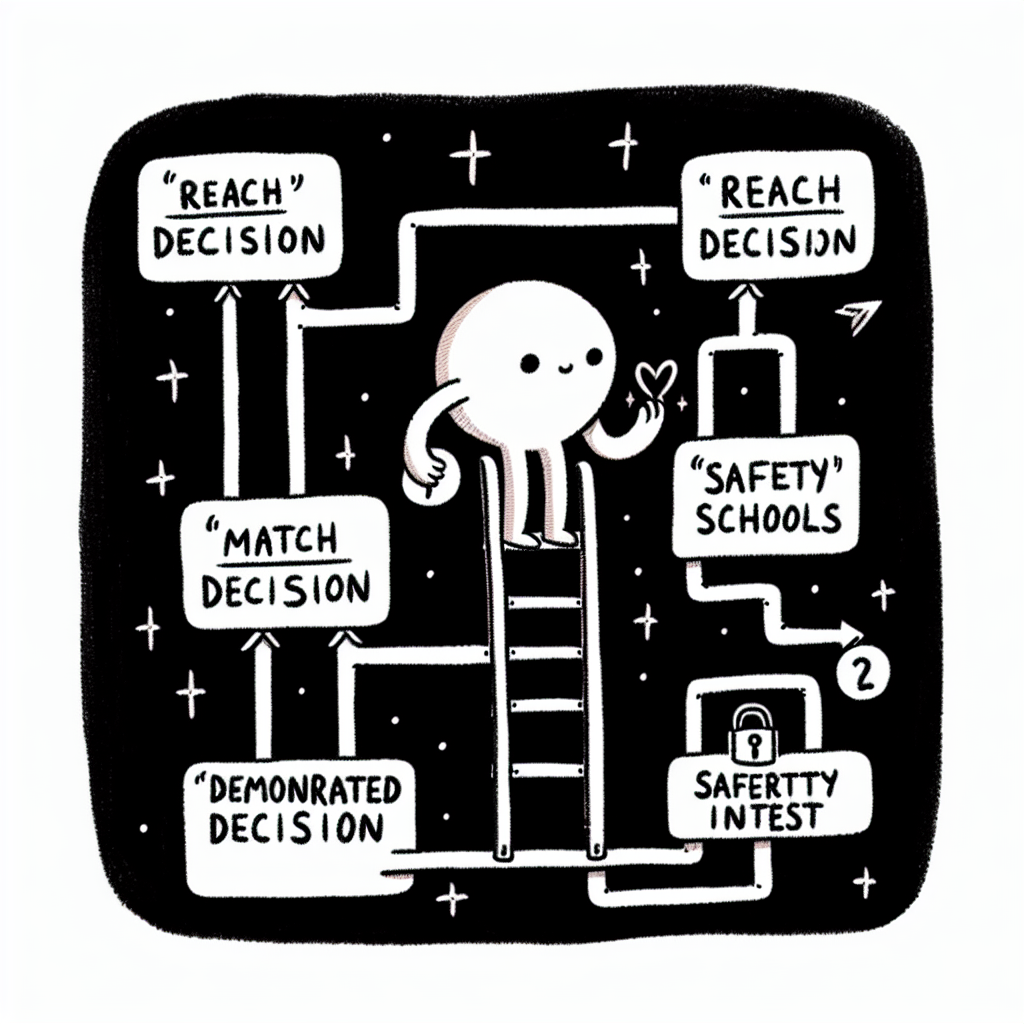
When learning how to get into Ivy League schools, one of the most important steps is building a balanced college list. This should include a mix of reach, match, and safety schools. Ivy League institutions are considered reach schools for nearly all applicants due to their extremely low acceptance rates and highly competitive applicant pools. Including match and safety schools ensures that students have strong alternatives if their Ivy League applications are unsuccessful.
It’s a common misconception that applying to more Ivy League schools significantly improves your chances of admission. In reality, each Ivy League school evaluates applicants independently, and the odds at each remain low. Spreading applications too thin can also reduce the quality and focus of each submission. A well-researched, balanced list allows students to tailor their applications effectively.
Early Decision vs. Regular Decision
Another crucial component in the strategy for how to get into Ivy League schools is understanding the difference between early decision (ED) and regular decision (RD). Applying ED can offer a statistical advantage at several Ivy League institutions. For example, the University of Pennsylvania and Dartmouth report significantly higher acceptance rates for ED applicants compared to RD. Brown also demonstrates a noticeable advantage for early applicants.
However, early decision is binding, meaning students must attend if admitted. This limits the ability to compare financial aid offers. Early action (EA), when available, is non-binding and may offer some benefits without the commitment. Students should carefully weigh the pros and cons, considering their readiness and financial situation before choosing an early application route.
Demonstrated Interest (Where Applicable)
Demonstrated interest can play a role in how to get into Ivy League schools, although not all Ivies track it. For those that do, such as Cornell and Penn, showing genuine interest can influence admissions decisions. Ways to demonstrate interest include attending campus tours, participating in virtual information sessions, and engaging with the school’s admissions office through emails or online events.
Engagement should be authentic and informed. For instance, asking specific questions about academic programs or student life shows that the applicant has done their homework. Tracking demonstrated interest helps some schools gauge how likely an applicant is to enroll if admitted, which can affect yield rates and influence decisions.
Using Data to Strengthen Your Application
One of the most strategic ways to learn how to get into Ivy League schools is by using data to evaluate and improve your application. Two key methods include analyzing Common Data Sets (CDS) and benchmarking your profile against those of admitted students.
Leveraging Common Data Sets
The Common Data Set is a standardized report that many colleges, including Ivy League institutions, publish annually. It contains valuable information about admissions criteria, academic statistics, and applicant demographics. For example, the University of Pennsylvania Common Data Set outlines the average GPA, standardized test score ranges, and the relative importance of different application factors, such as recommendation letters, extracurriculars, and class rank.
By reviewing a school's CDS, prospective applicants can better understand what the institution values. If test scores are marked as "very important," then achieving a competitive SAT or ACT score should be a priority. Similarly, if essays and recommendations are emphasized, applicants should invest time in crafting strong personal statements and obtaining detailed letters from teachers or mentors.
Benchmarking Your Profile
Once you’ve reviewed the CDS, you can benchmark your academic and extracurricular profile against those of previously admitted students. This comparison helps pinpoint whether your GPA, test scores, coursework, and achievements are in line with the school's typical admits. If your SAT score is significantly below the 25th percentile for your target Ivy League school, that signals a need for improvement or compensation in other areas of your application.
Benchmarking also helps identify gaps. For instance, if most admitted students have demonstrated leadership in multiple extracurriculars and your resume lacks that depth, you might focus on building leadership experience before applying. This data-driven approach ensures you are aligning your strengths with what Ivy League schools are looking for.
Using data in this way can make your application more targeted, strategic, and competitive, which is essential when learning how to get into Ivy League schools.

Final Tips and Takeaways
When considering how to get into Ivy League schools, a few key practices can make a meaningful difference in your preparation and mindset.
Start Early
Begin planning in your early high school years. Choose a challenging yet balanced course load and engage in extracurricular activities that genuinely interest you. Building a strong academic and personal foundation over time is more effective than trying to do everything at once in your junior or senior year.
Seek Out Mentors and Guidance Counselors
Teachers, counselors, and other mentors can provide critical insights into the admissions process. They can help you select classes, find enrichment opportunities, and review college applications. Don’t hesitate to ask for help—these individuals often have valuable experience and advice.
Focus on Authenticity and Fit, Not Perfection
Ivy League schools are not looking for a one-size-fits-all applicant. They value students who are authentic, passionate, and aligned with the school's values and culture. Instead of trying to craft a perfect resume, focus on being genuine in your essays and interviews.
Understand That Rejection Isn’t a Reflection of Worth
Admissions decisions are influenced by many factors beyond your control, including institutional priorities and available spots. A rejection does not mean you are not qualified or capable. The process is highly competitive and complex, and many strong applicants are turned away each year. Keeping perspective is essential as you navigate this journey.

Conclusion
Learning how to get into Ivy League schools requires a combination of preparation, strategy, and the right mindset. These institutions are highly competitive, but they are not unattainable. By understanding what each school values, tailoring your application accordingly, and starting early, you can increase your chances of admission.
Use available data to make informed decisions—admissions statistics, acceptance rates, and student profiles can help you align your goals with realistic outcomes. Equally important is self-awareness: know your strengths, interests, and what you genuinely want from a college experience.
Ultimately, while learning how to get into Ivy League schools is a valuable goal, it's important to remember that attending one is not the only route to success. Many paths lead to fulfilling careers and meaningful lives, both inside and outside of the Ivy League.

 SHARE ON FACEBOOK
 SHARE ON TWITTER