Creating a standout portfolio is a crucial step for creatives, designers, developers, and professionals in many fields. A well-crafted portfolio not only showcases your skills and experiences but also tells your unique story. This guide combines expert advice from top institutions and industry best practices to help you build a compelling and polished portfolio.
Define Your Purpose and Audience
When learning how to create a standout portfolio, the first step is to clearly define its purpose and target audience. This foundation ensures that every element of your portfolio—from content to design—aligns with your goals and resonates with the people you want to impress.
Identify Your Goals
Start by asking yourself why you're building this portfolio. Are you applying to a design school, seeking employment at a creative agency, or attracting freelance clients? Your purpose will shape the kind of work you include and how you present it. For instance, a portfolio for academic admissions might emphasize conceptual thinking and process, while one for a job application might highlight outcomes and real-world impact.
Know Your Audience
Understanding who will view your portfolio helps tailor your content and tone. Admissions committees may look for potential and originality. Hiring managers often prioritize results, collaboration, and consistency. Clients may be drawn to clarity, professionalism, and problem-solving. Speak their language and anticipate what matters most to them.
Select a Format
Choose a format that best suits your goals and audience. Your options include:
- A personal website for easy sharing and broad accessibility
- A digital PDF for structured, offline viewing
- A printed booklet for in-person meetings
- A hybrid approach combining multiple formats
📌 Tip: Use platforms like Wix or Squarespace to build a professional-looking digital portfolio. (University of Rochester's Greene Center)

Curate with Intention
✅ Quality Over Quantity
When learning how to create a standout portfolio, it's essential to prioritize quality over quantity. Rather than overwhelming viewers with every project you've ever completed, showcase only your best and most relevant work. This allows your strengths to shine clearly and keeps your portfolio focused and impactful. Make it a habit to update your portfolio regularly to include recent achievements and reflect your ongoing growth.
📌 Tip: Limit to 4–5 strong projects. (MIT CAPD)
🎨 Balance Technical and Conceptual Work
A standout portfolio should demonstrate both technical proficiency and conceptual depth. Include technically strong pieces that highlight your skills and understanding of tools and processes. At the same time, showcase conceptual or personal projects that communicate your creative voice and unique perspective. This balance helps present you as a well-rounded and thoughtful creator.
📌 Tip: Combine personal expression with strong execution. (Lesley University)

✨ Make It Visually Compelling
🖼️ Design for Clarity
When learning how to create a standout portfolio, visual clarity is essential. A clean, easy-to-navigate layout helps viewers focus on your work without distraction. Stick to a consistent grid, use whitespace effectively, and avoid clutter. Typography should be readable and uniform—limit yourself to two or three complementary fonts to maintain harmony.
📷 Use High-Quality Visuals
High-resolution images and mockups elevate the perceived quality of your work. Blurry or poorly cropped visuals can undermine even the strongest projects. Maintain consistency in how you present images—use the same background color, framing, and aspect ratio where possible. This unified approach reinforces your attention to detail and professionalism.
📌 Tip: Cultivate compelling visuals to enhance storytelling. (MIT CAPD)

Tell Your Story
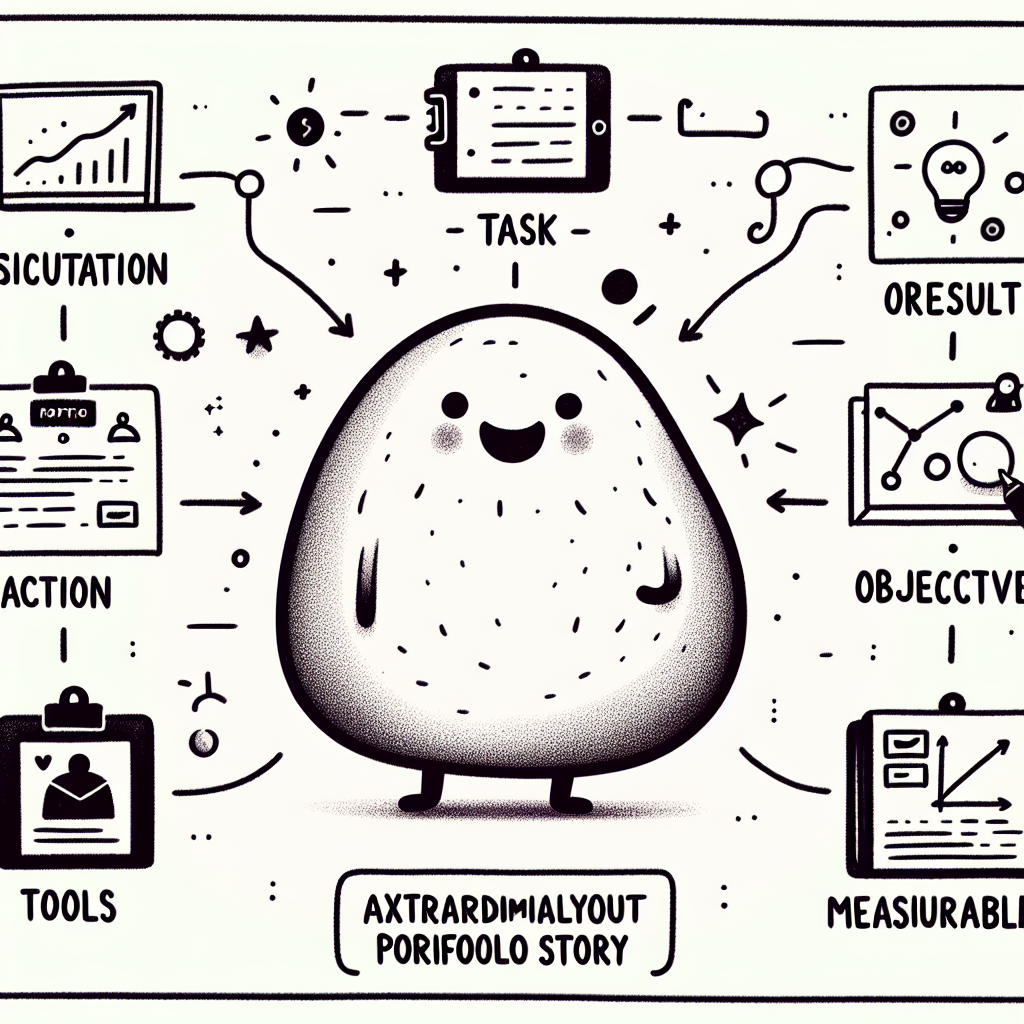
A standout portfolio goes beyond visuals—it tells a compelling story about your work. Providing context helps reviewers understand the depth of your contributions. For each project, clearly describe the situation, your specific task, the actions you took, and the results you achieved using the STAR method. This structure not only organizes your narrative but also emphasizes your problem-solving and impact.
Include essential details like your role, project objectives, tools used, and measurable outcomes. For example, instead of just showing a website design, explain that you led a redesign to improve user retention, conducted user research, developed wireframes, and ultimately increased engagement by 20%.
Illustrate your process by incorporating behind-the-scenes content, such as ideation sketches, wireframes, prototypes, and usability test results. These elements showcase your thinking and decision-making, allowing viewers to follow your journey from problem to solution.
Remember, a well-documented portfolio can also serve as a powerful conversation starter during interviews. Be ready to explain the rationale behind your choices and the challenges you overcame (University of Georgia Career Center).
Take Creative Risks
When thinking about how to create a standout portfolio, embracing creative risks is essential. Bold choices that reflect your unique perspective can make your work memorable and show confidence in your artistic voice.
Explore a range of media, styles, or themes to demonstrate your versatility. Whether it's combining analog and digital techniques, experimenting with unconventional materials, or reimagining traditional formats, variety showcases your ability to adapt and innovate.
Don’t be afraid to push boundaries. Innovation and experimentation often lead to original work that captures attention. Including projects that show your process of exploration can also convey your willingness to grow and evolve as a creator.
📌 Tip: Creative risks can help you stand out from the crowd. (CCA)

📣 Get Feedback and Revise
An important step in learning how to create a standout portfolio is to seek feedback and make thoughtful revisions. Share your portfolio with trusted mentors, peers, or industry professionals who can provide honest and constructive input. Their outside perspective can help you identify weak points or areas that need improvement.
Use the feedback you receive to refine your work. Pay attention to patterns in the critiques—if multiple people point out the same issue, it's likely worth addressing. Be open to revising your layout, content, or even the types of projects you include.
Also, don’t overlook the details. Carefully review your portfolio for typos, broken links, and inconsistencies in formatting or design. These small errors can distract from your work and reduce your credibility.
📌 Tip: Practice presenting your portfolio to build confidence. (University of Georgia Career Center)

🧰 Leverage Tools and Templates
When learning how to create a standout portfolio, choosing the right tools and templates is essential. Start by exploring free or affordable portfolio builders like Wix, Squarespace, and Adobe Portfolio. These platforms offer user-friendly interfaces and built-in features that make it easier to showcase your work without needing advanced coding skills.
Select a customizable template that reflects your personal style and complements your work. A well-matched template not only enhances visual appeal but also helps communicate your professional identity clearly and consistently.
Make sure to test your portfolio across multiple devices. Responsive design ensures that your work looks polished whether it's viewed on a phone, tablet, or desktop.
📌 Tip: The right platform and template can elevate your presentation. (University of Rochester's Greene Center)

Prepare for Portfolio Reviews and Interviews
When learning how to create a standout portfolio, it's essential to prepare for portfolio reviews and interviews. Tailor your portfolio to each opportunity by customizing the layout, project selection, and messaging to reflect the role or company you’re applying to. A one-size-fits-all approach may not highlight your most relevant strengths.
Select a “spotlight” project that showcases your best work and allows you to dive deep into your creative process. Be ready to explain your decisions, the challenges you faced, and the results you achieved. This shows not only your skill but also your ability to think critically and communicate effectively.
Practice answering common interview questions using specific projects from your portfolio. For example, be ready to discuss how you solved a problem, worked within constraints, or collaborated with others. Aligning your responses with your portfolio work helps reinforce your experience and capability (University of Georgia Career Center).

📚 Use Institutional Resources
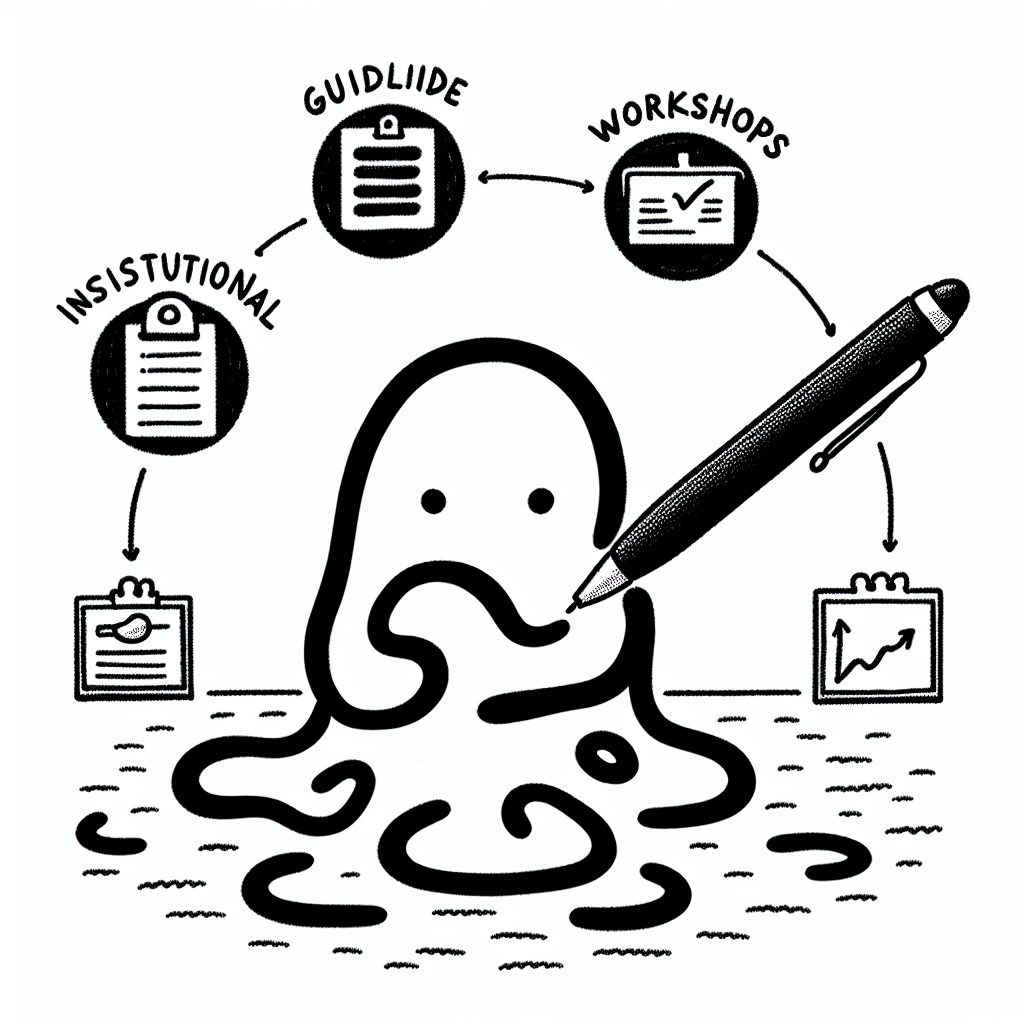
When learning how to create a standout portfolio, it's important to take full advantage of the institutional resources available to you. Start by reviewing the specific portfolio guidelines provided by the schools or companies you're applying to. These documents often detail required formats, content expectations, and submission procedures. Following them closely ensures your work meets baseline expectations and avoids unnecessary disqualification.
Next, participate in portfolio reviews or workshops. These events, frequently hosted by art schools, universities, or career centers, offer valuable feedback from experienced professionals. The critique you receive can help you identify weaknesses and improve your presentation.
Additionally, read admissions blogs and insider tips published by institutions. These often contain first-hand insights into what reviewers are looking for. For example, the California College of the Arts offers detailed advice on building a successful portfolio (CCA).
📌 Tip: Admissions offices often provide detailed portfolio advice. Be sure to explore their websites and contact them directly with questions.
Final Checklist for a Standout Portfolio
Before sharing your portfolio, use this checklist to ensure it aligns with best practices for how to create a standout portfolio:
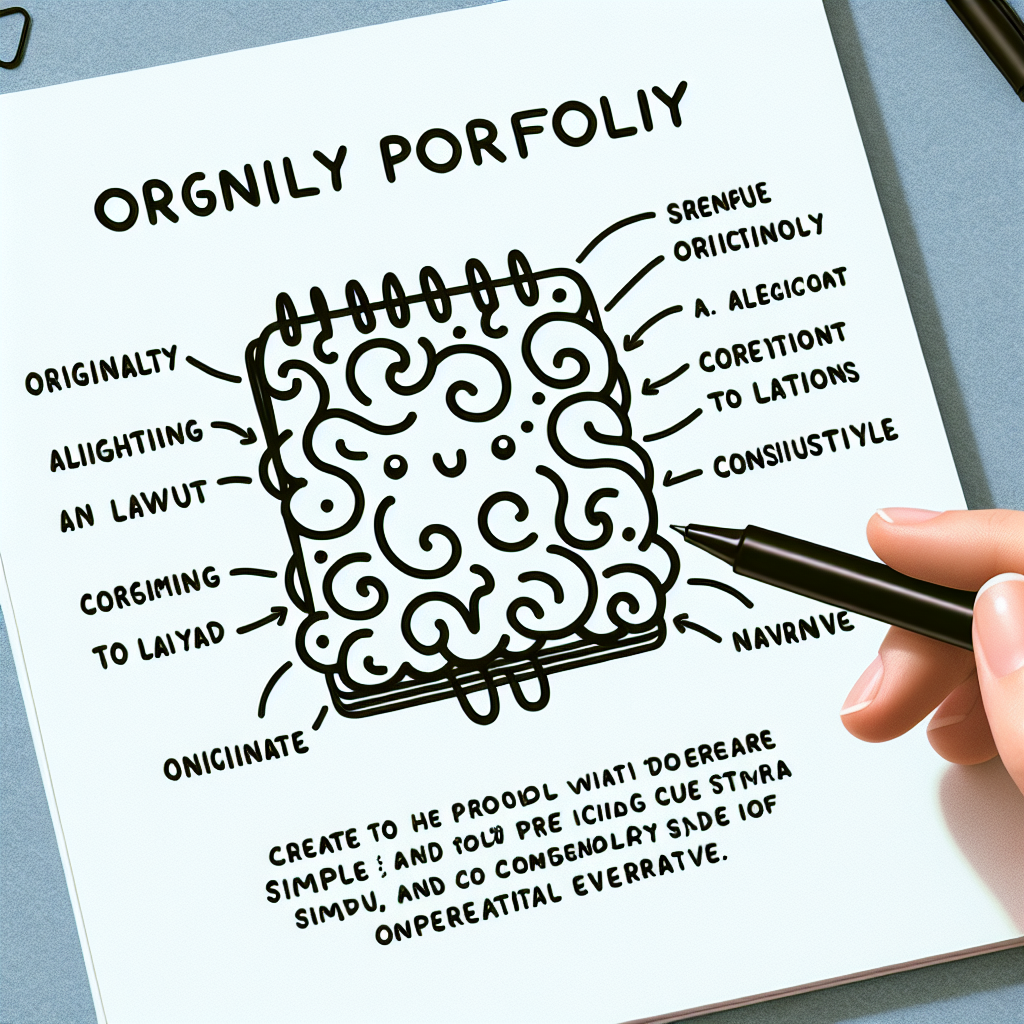
- Best and Most Recent Work Only: Curate selectively. Showcase only your strongest and most current projects to reflect your growth and present capabilities.
- Clear, Navigable Design: Make the user experience seamless. Your portfolio should be easy to explore with intuitive menus and logical structure.
- Strong Visuals and Descriptions: Use high-quality images, mockups, or demos, and pair each with concise descriptions that explain your role, tools used, and project goals.
- Balance of Technical and Conceptual Projects: Demonstrate a range of skills. Include work that highlights both your technical proficiency and your ability to think creatively or conceptually.
- Personal Storytelling and Process: Share the journey behind your work. Include brief process descriptions, sketches, or iterations to give viewers insight into how you solve problems.
- Creative and Memorable Elements: Add unique touches that express your personality—whether through branding, interactive features, or unconventional layouts.
- Constructive Feedback Incorporated: Revisit your portfolio after getting input from peers or mentors. Make improvements based on their suggestions.
- Platform and Tech Tested: Ensure your site or platform works across devices and browsers. Fix any bugs or broken links before going live.
- Ready to Present and Discuss: Be prepared to talk about each project in interviews or reviews. Know your work and process well enough to discuss it confidently.
Use this checklist to refine your portfolio and ensure it effectively communicates your strengths and potential.

Conclusion
Learning how to create a standout portfolio means going beyond simply compiling your best work. It involves conveying your unique voice, presenting your skills with purpose, and aligning your content with the roles or opportunities you seek. A well-crafted portfolio not only demonstrates your capabilities but also communicates your professional identity clearly.
Pay attention to layout, consistency, and the way your story is told through your work. Whether you're applying to academic programs or job positions, a standout portfolio can set you apart from the competition.
📌 Explore more tips from CCA, UGA Career Center, MIT CAPD, Lesley University, and University of Rochester.
 SHARE ON FACEBOOK
 SHARE ON TWITTER