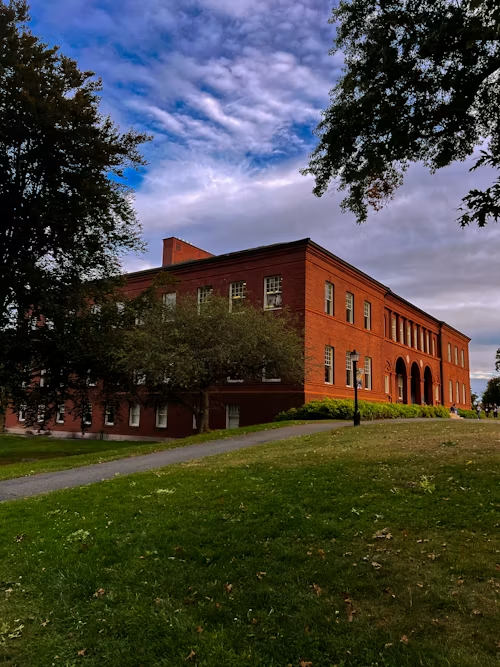
How to Choose the Right College: Finding the Best Fit for Your Goals and Future
Choosing a college is one of the biggest decisions students make during their academic journey. With thousands of colleges and universities offering different programs, campus experiences, and opportunities, finding the right fit can feel overwhelming.
Many students begin their search by looking at rankings or reputation, but the best college is not always the most famous one. The right college is the institution where a student can grow academically, personally, and professionally.
A strong college choice should align with your goals, learning style, interests, values, and future plans.
This guide explores the most important factors students should consider when choosing a college and how to create a college list that supports long-term success.

Start With Your Academic Goals
One of the most important factors when choosing a college is understanding your academic interests and goals.
Students should consider:
- What subjects interest me most?
- What majors or programs does the college offer?
- Are there opportunities for research or hands-on learning?
- Does the school support exploration if I am undecided?
A college should provide opportunities that match your academic goals while allowing room for growth and discovery.
For students who already know their intended major, it is important to research the strength of that department. Look into:
- Faculty expertise
- Research opportunities
- Internship connections
- Course offerings
- Graduation requirements
For students who are undecided, consider colleges with flexible curriculum options and strong academic advising.
Consider the Learning Environment
Every student learns differently, and the classroom experience can have a major impact on college success.
When researching colleges, consider:
- Class sizes
- Teaching style
- Student-faculty interaction
- Discussion-based courses
- Access to professors
- Academic support resources
Some students thrive in large universities with hundreds of course options, while others prefer smaller colleges with more personalized attention.
Think about the environment where you are most likely to succeed.
Look Beyond Rankings
College rankings can provide information, but they should not be the only factor in your decision.
A highly ranked college may not be the best choice if it does not match your goals, interests, or learning preferences.
Instead of focusing only on rankings, evaluate:
- Academic programs
- Campus culture
- Career outcomes
- Student support
- Research opportunities
- Financial affordability
A college's reputation matters, but your experience and success depend heavily on how well the school fits your needs.
Explore Campus Culture
Campus culture plays a major role in your overall college experience.
Students should consider:
- What is campus life like?
- Are students collaborative or competitive?
- What clubs and organizations are available?
- How do students spend their free time?
- Does the campus feel welcoming?
A good academic environment is important, but students also need a community where they feel comfortable and supported.
Evaluate Student Support Services
Successful students often take advantage of available resources.
When comparing colleges, research support services such as:
- Academic advising
- Tutoring centers
- Career counseling
- Mental health resources
- First-year transition programs
- Peer mentoring
- Disability services
Strong support systems can help students overcome challenges and make the most of their college experience.
Think About Career Preparation
College is an investment in your future, so career preparation should be an important part of your decision.
Look for colleges that provide:
- Internship opportunities
- Career fairs
- Employer connections
- Alumni networks
- Professional development programs
- Experiential learning opportunities
Students should consider how well a college helps graduates transition from education into their chosen careers.
Research Internship and Experiential Learning Opportunities
Classroom learning is important, but real-world experience can make a significant difference.
Strong colleges often provide opportunities such as:
- Internships
- Undergraduate research
- Co-op programs
- Study abroad
- Community projects
- Entrepreneurship programs
These experiences allow students to apply their knowledge and develop valuable skills.
Consider Location and Campus Setting
The location of a college can influence your daily experience.
Think about:
- Urban, suburban, or rural environments
- Distance from home
- Climate
- Transportation options
- Access to internships and opportunities
- Community surroundings
Some students prefer being in a major city with career opportunities nearby, while others prefer a smaller campus environment with a close-knit community.
Understand the Financial Investment
Cost is one of the most important factors when choosing a college.
Students and families should consider:
- Tuition
- Housing costs
- Financial aid
- Scholarships
- Work-study opportunities
- Long-term affordability
A college that appears expensive may become affordable through financial aid, while another school may create unnecessary financial pressure.
Understanding the full cost of attendance helps families make informed decisions.
Build a Balanced College List
A strong college list should include different types of schools.
Students should consider:
Reach Schools
Colleges where admission is more competitive based on your academic profile.
Target Schools
Colleges where your academic qualifications are within the typical admitted student range.
Likely Schools
Colleges where you have a strong chance of admission.
A balanced list provides options while allowing students to pursue ambitious goals.
Visit Colleges When Possible
Campus visits can provide valuable insight that cannot always be found online.
During a visit, pay attention to:
- Classroom environments
- Student interactions
- Campus facilities
- Housing options
- Dining services
- Overall atmosphere
Students should ask themselves:
"Can I see myself spending four years here?"
Ask the Right Questions
When researching colleges, consider questions such as:
- What academic resources are available?
- How accessible are professors?
- What percentage of students complete internships?
- What career services are offered?
- How does the college support first-year students?
- What makes this campus unique?
- What opportunities exist outside the classroom?
The answers can help reveal whether a college truly matches your goals.
Trust Your Own Priorities
The college decision is personal.
Students should avoid choosing a college only because:
- Friends are attending
- It has a famous name
- It appears high on rankings
- Others expect them to attend
The right college is the one where you can grow, succeed, and feel supported.
Final Thoughts
Learning how to choose the right college requires looking beyond rankings and focusing on what truly matters: academic opportunities, personal growth, career preparation, support systems, and overall fit.
A great college experience is not defined only by the school's name. It is created by the opportunities you pursue, the relationships you build, and the environment that helps you become your best self.
By carefully evaluating your goals and researching your options, you can find a college that supports both your future ambitions and your personal journey.
 SHARE ON FACEBOOK
 SHARE ON TWITTER