Understanding Early Action (EA)
📌 What is Early Action?
Early Action is a non-binding college admissions process that allows students to submit applications earlier than the regular deadline and receive admissions decisions ahead of time. For students learning how to apply early action 2025, it's important to note that EA deadlines typically occur in early November 2024, and decisions are usually released by mid-December 2024. Because EA is non-binding, accepted students are not required to commit immediately and can still consider other offers.
🔍 Early Action vs. Early Decision vs. Regular Decision
Understanding the differences between Early Action, Early Decision, and Regular Decision is essential when deciding how to apply early action 2025:
- Early Action (EA): Students apply early and receive a decision early, but are not obligated to attend if accepted.
- Early Decision (ED): This is a binding agreement—students who are accepted must enroll and withdraw all other applications.
- Regular Decision (RD): Applications are submitted later, usually by January, offering more preparation time but resulting in a longer wait for admissions decisions.
📅 Key Dates and Timeline for 2025 Admissions
To stay on track with how to apply early action 2025, students should follow this general timeline:
- August–September 2024: Begin preparing application materials, including essays, recommendation letters, and test scores.
- October 2024: Finalize and review all parts of the application.
- Early November 2024: Submit Early Action applications by the posted deadlines.
- Mid-December 2024: Expect to receive admissions decisions from EA schools.

🏫 Researching College-Specific EA Policies
When learning how to apply early action 2025, it's essential to understand that early action (EA) policies vary significantly by institution. Each college may have its own rules, deadlines, and restrictions, so thorough research is critical.
🌐 Where to Find Reliable Information
Start by visiting the official admissions websites of the colleges you're interested in. These sites provide the most accurate and up-to-date information about early action deadlines, requirements, and restrictions. Additionally, reputable college search tools like those from the College Board and U.S. News & World Report can help you compare EA policies across multiple schools.
🛠️ Variations in EA Policies
There are two main types of early action policies:
- Single-Choice Early Action (SCEA): Also known as restrictive early action, this policy allows students to apply early to only one school. Institutions like Harvard and Yale use SCEA, limiting your ability to submit early applications elsewhere.
- Unrestricted Early Action: This more flexible policy lets students apply early to multiple colleges. For example, the University of Michigan allows unrestricted EA, giving students more options in the early round.
Schools may also differ in whether early action applicants can apply for financial aid at the same time. Some colleges allow simultaneous financial aid applications, while others may have different processes or timelines.
🔎 Questions to Ask
When evaluating how to apply early action 2025 for each college, consider asking the following:
- Are standardized test scores required for EA applicants, or is the college test-optional?
- Is an interview part of the early action process, and is it evaluative or informational?
- What percentage of the incoming class is typically admitted through early action?
Understanding these details will help you make informed decisions and stay on track with each college’s expectations and deadlines.

📝 Preparing Your Application Materials Early
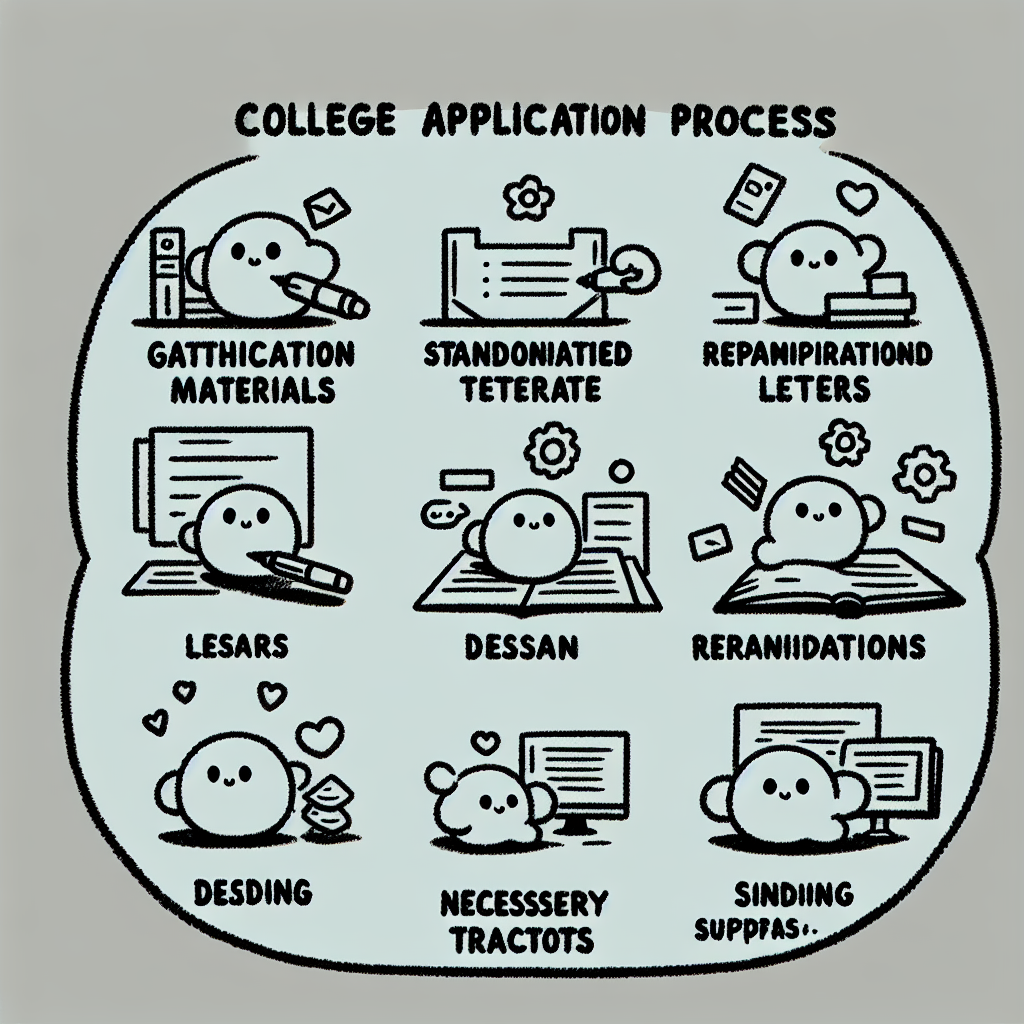
When learning how to apply early action 2025, it's crucial to begin gathering and organizing your application materials as early as possible. Early Action (EA) deadlines typically fall in October or November of your senior year, so preparation during junior year and the following summer can make a significant difference.
🧪 Standardized Test Scores
Start by confirming whether your target schools are test-required or test-optional for 2025. Many colleges adopted test-optional policies during the pandemic, but requirements can vary year to year. If tests are required or recommended, register for the SAT or ACT early enough to receive scores before EA deadlines. Taking the test by the spring or summer of junior year provides time for retakes if needed.
🧑🏫 Letters of Recommendation
Request letters of recommendation from teachers and counselors by early fall of your senior year. Give recommenders ample time to write thoughtful letters by approaching them at the end of junior year or the very beginning of senior year. Help them write strong letters by sharing a résumé or summary of your accomplishments, goals, and relevant experiences.
🖊️ Personal Essays
Start brainstorming essay ideas over the summer before senior year. Early drafting allows time for multiple revisions and feedback. Make sure to tailor each essay to the specific college’s prompts and requirements. Strong essays should demonstrate maturity, curiosity, and intellectual engagement—qualities that admissions officers look for in early applicants.
📚 Academic Transcripts
Ensure that your high school sends official transcripts to colleges well before the EA deadline. Most schools handle this through the counseling office, but it’s your responsibility to confirm it gets done on time. Maintaining strong grades through your junior year is especially important, as EA decisions often rely heavily on your academic record to date.
📄 Additional Materials
Some colleges may require or allow you to submit additional materials. If you're applying to an arts program, prepare a polished portfolio of your work. You may also choose to submit a résumé or activity list to highlight extracurricular achievements. Optional essays or supplemental materials should be taken seriously and used to provide meaningful information that strengthens your application.
Preparing these components early ensures you meet EA deadlines and submit the strongest application possible when applying early action 2025.
Submitting a Competitive Early Action Application
🎯 Demonstrate Interest and Fit
When learning how to apply early action 2025, it’s important to show colleges that you’re not just a qualified applicant—you’re also a great fit. Use your personal statement and supplemental essays to reflect the college’s mission, values, and academic offerings. Make it clear why this specific school aligns with your goals and interests. Additionally, attending virtual information sessions or campus tours can indicate demonstrated interest, which some colleges track.
📊 Understand How EA Affects Acceptance Rates
Understanding how to apply early action 2025 includes knowing how the process impacts admission odds. At some colleges, early action applicants are accepted at a higher rate than regular decision applicants. However, this doesn’t always mean it’s easier to get in—EA pools can be competitive, especially at highly selective schools where top-performing students often apply early.
💡 Strategic Tips
To get the most out of the early action process, avoid applying before you’re ready. Focus on submitting strong, polished applications to schools you’re genuinely interested in. When deciding how to apply early action 2025, use this opportunity to prioritize your top-choice institutions, especially if you’ve thoroughly researched and prepared your materials in advance.

Weighing the Benefits and Challenges
When considering how to apply early action 2025, it's essential to understand both the advantages and potential drawbacks of this admissions route. Early action can be a strategic choice, but it comes with its own set of considerations.
✅ Benefits of Applying Early Action
- Early notification of admission status: Students who apply through early action typically receive admission decisions months before the regular decision timeline. This early response can reduce stress and help in making informed choices sooner.
- Demonstrates interest to admissions officers: Applying early action can signal to colleges that the applicant is serious about attending, which may positively influence admission chances at some institutions.
- More time to plan financially and emotionally: An early acceptance allows students and families more time to prepare for the transition to college, including financial planning and housing decisions.
- Opportunity to apply to more schools during RD if not accepted: Unlike early decision, early action is non-binding. If a student is deferred or denied, they still have time to apply to other colleges during the regular decision cycle.
⚠️ Challenges of Early Action
- Less time to improve GPA or test scores: Because early action deadlines typically fall in November, students have less time to enhance their academic profile during senior year before submitting applications.
- Compressed timeline for essays and recommendations: Preparing a strong application—including personal statements and securing letters of recommendation—must be done early in the school year, which can be challenging with other academic responsibilities.
- Potential stress and pressure during early senior year: Balancing application preparation with coursework, extracurriculars, and standardized tests can add significant stress during the fall semester.

🧠 Getting Expert Support
🧑🎓 Role of High School Counselors
High school counselors play a crucial role when you're learning how to apply early action 2025. They help you create a balanced college list, ensuring you're applying to a mix of reach, match, and safety schools. Counselors also track important deadlines and submission requirements, which are vital for staying on top of early action timelines. Additionally, they offer guidance on school-specific early action nuances, such as whether a school offers restrictive early action or allows you to apply early action to multiple institutions.
🤝 Collaborating Effectively
To get the most from your counselor, schedule meetings early in the school year. Come prepared with specific questions and drafts of your application materials. This allows your counselor to give targeted feedback and help you avoid common mistakes. Their insights can be invaluable when refining your application strategy, especially when navigating the complexities of how to apply early action 2025.

Understanding Financial Aid and Scholarships in EA
💵 Financial Aid Considerations
When learning how to apply early action 2025, it's essential to understand how financial aid and scholarships work in this process. Early Action (EA) applicants are generally eligible for the same financial aid opportunities as Regular Decision applicants at most institutions. However, to maximize eligibility, it's critical to submit the Free Application for Federal Student Aid (FAFSA) and, if required, the CSS Profile as early as possible—both open on October 1, 2024.
In addition to need-based aid, many colleges offer merit-based scholarships that may have earlier deadlines than the general EA application deadline. Some merit scholarships automatically consider EA applicants, while others may require a separate application. Check each college's financial aid website for specific requirements and deadlines.
📈 Comparing Aid Packages
One of the benefits of applying early action is the ability to compare financial aid packages before making a final decision. Since EA is non-binding, students can review offers from multiple institutions and evaluate which package best meets their financial needs.
To begin estimating potential aid, students can use each college’s net price calculator, typically found on the school's financial aid webpage. These tools provide early estimates of what you might expect to pay, giving families a clearer financial picture early in the process.
Understanding financial aid and scholarships is a key part of how to apply early action 2025 effectively.

📚 Resources and Tools for Success
When learning how to apply early action 2025, using the right resources can make the process more manageable and accurate.
🔗 Official College Admissions Pages
Always refer to the college's official admissions website for the most up-to-date information on early action deadlines, application requirements, and policies. Each school may have different criteria, so checking directly with the source ensures you stay informed.
📞 Admissions Office Contacts
If you have specific questions about a college's early action policies, contact the admissions office directly. They can clarify details such as binding agreements, required materials, and eligibility criteria. Speaking with an admissions representative can also demonstrate your interest in the school.
🛠️ Recommended Tools
Several online platforms can support you as you explore how to apply early action 2025:
- Common App: A centralized application platform accepted by hundreds of colleges.
- Coalition for College: Offers an alternative application system with built-in planning tools.
- College Board BigFuture: Helps students research colleges, track deadlines, and understand admissions options.
Using these tools and resources can help streamline your early action application process and reduce the risk of missing important steps or deadlines.

Final Tips for Applying Early Action
📝 Checklist Before You Submit
Before you hit submit on your early action applications, use this checklist to ensure everything is in order:
- Finalize and proofread all materials, including your personal statement and supplemental essays.
- Confirm that your transcripts, letters of recommendation, and test scores (if applicable) have been sent.
- Double-check the early action deadlines for each school, as they can vary.
🎯 Focus on Quality Over Quantity
When considering how to apply early action 2025, remember that quality matters more than quantity. Only apply early action to schools where your application is strong and complete. Submitting a rushed or incomplete application can hurt your chances more than waiting for the regular decision round.
🚀 Use EA Strategically
Early action can give you a head start in the college admissions process, but it’s only effective if you are fully prepared. Use it as a strategic advantage—apply to schools where your academic profile aligns well with their early applicant pool.
For the most accurate and up-to-date guidance, always consult the admissions pages of your target colleges and speak to your school counselor.

 SHARE ON FACEBOOK
 SHARE ON TWITTER