
Introduction
Learning growth refers to the measurable progress that students make in their understanding and application of knowledge over time. It encompasses not just the acquisition of new skills and concepts but also improvements in critical thinking, problem-solving abilities, and overall academic performance.
Measuring learning growth in education is crucial for several reasons. It allows educators to identify students' strengths and weaknesses, tailor instruction to meet individual needs, and ensure that all students are making adequate progress. Furthermore, understanding learning growth can help schools and educational systems evaluate the effectiveness of their teaching methods and curricula.
There are various methods to assess learning growth, including standardized tests, formative assessments, portfolios, and observational assessments. Each of these methods offers unique insights into a student's development and can be used in combination to provide a comprehensive view of how students demonstrate learning growth over time.

Understanding Learning Growth
1. Theoretical Frameworks
A. Growth Mindset
A growth mindset refers to the belief that abilities and intelligence can be developed through dedication and hard work. This concept, popularized by psychologist Carol Dweck, emphasizes the importance of effort and persistence in achieving academic success. The significance of a growth mindset in education lies in its potential to empower students. When students believe that they can improve through effort, they are more likely to embrace challenges, persist through difficulties, and ultimately demonstrate learning growth over time.
B. Learning Trajectories
Learning trajectories represent the progression of students’ understanding and skills in a specific subject area over time. These trajectories provide a framework for educators to assess and support student learning. By mapping out expected paths of development, educators can identify where students are in their learning journey and what interventions may be necessary to facilitate further growth. Learning trajectories reflect student understanding over time, allowing for tailored instruction that meets individual needs and fosters continuous learning growth.

Major Stages of Conceptual Development
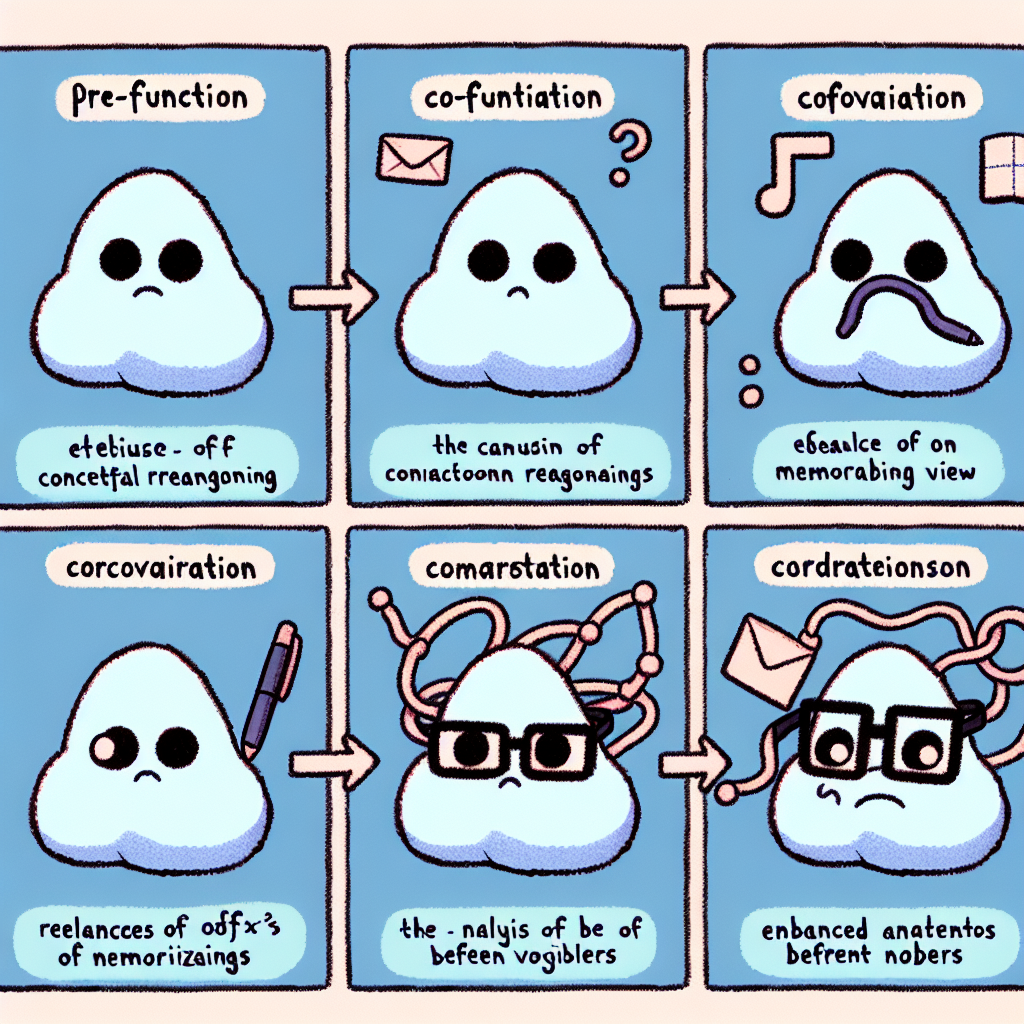
1. Prefunctional Reasoning
Prefunctional reasoning is characterized by students' initial attempts to make sense of concepts without fully understanding the underlying principles. Students at this stage often exhibit behaviors such as trial and error, reliance on memorization, and a lack of connection between concepts. For example, a student might be able to perform basic arithmetic operations but struggle to explain why those operations work or how they relate to each other. They may also demonstrate misconceptions or apply rules incorrectly, indicating a superficial grasp of the material.
2. Covariation View
The covariation view is a significant aspect of learning growth, particularly in mathematics. It involves understanding how changes in one variable correspond to changes in another variable, thus providing a framework for students to analyze relationships between quantities. This view is essential for grasping concepts such as functions and probability. By utilizing the covariation view, students can develop a more robust understanding of mathematical concepts, moving beyond rote learning to a more analytical approach that highlights the interconnectedness of mathematical ideas.
3. Correspondence View
The correspondence view signifies a deeper level of conceptual understanding. It involves recognizing and establishing relationships between different sets of objects or numbers. For instance, students may learn to identify correspondences between groups of items, which helps them understand concepts such as one-to-one relationships in counting or addition. This view indicates that students are beginning to construct more complex mental models, allowing them to see not just how numbers relate but also why those relationships matter. This deeper understanding marks a significant step in how students demonstrate learning growth over time.
Methodologies for Measuring Learning Growth
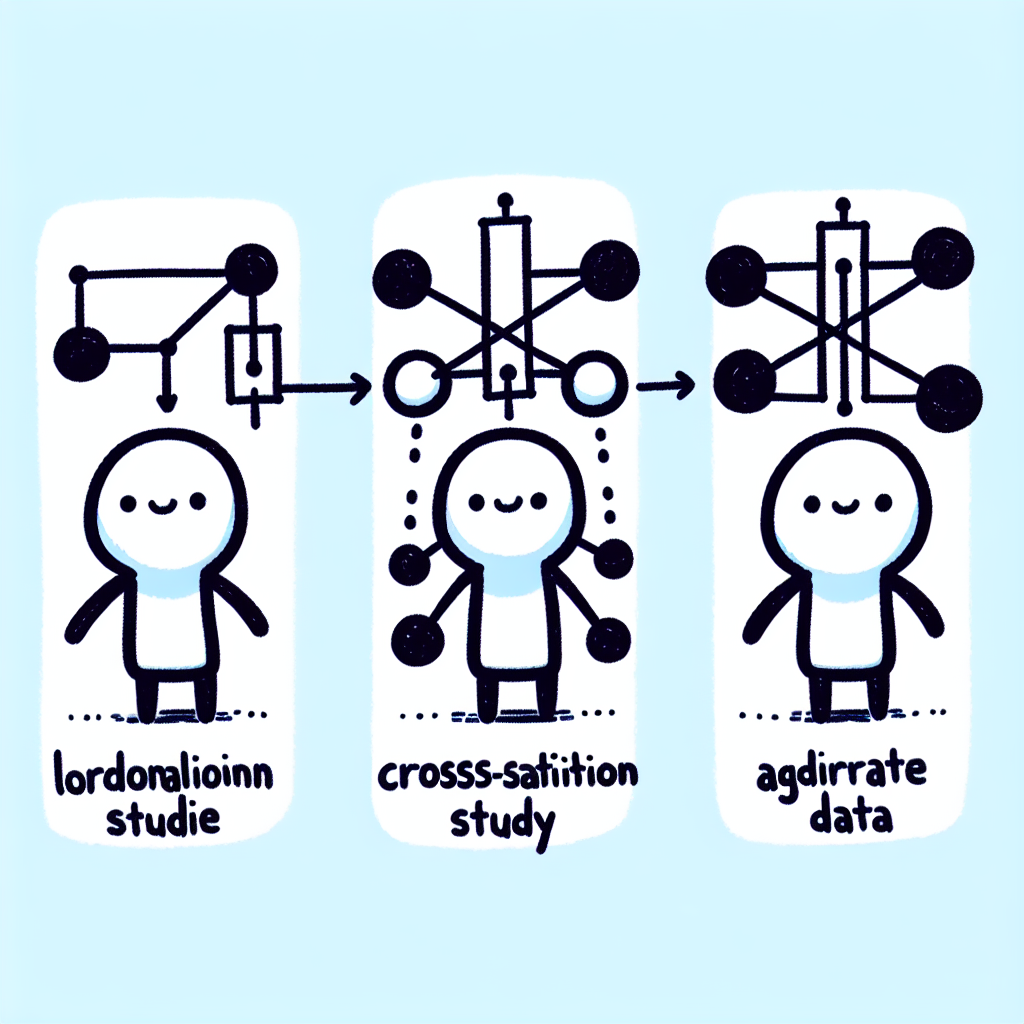
1. Longitudinal Studies
Longitudinal studies involve repeated observations of the same variables over a long period. This methodology allows researchers to track changes in student performance and behavior over time, providing a clear picture of how students demonstrate learning growth. The benefits of longitudinal studies include the ability to identify trends, establish causal relationships, and understand the impact of interventions.
Key findings from A Primer on Longitudinal Data Analysis in Education emphasize that longitudinal data can effectively reveal patterns of growth that are often missed in shorter studies, making it a powerful tool for educators and policymakers.
2. Cross-Sectional Studies
Cross-sectional studies offer a snapshot of student performance at a specific point in time. This methodology involves analyzing data from different groups of students to infer growth trends. While cross-sectional studies can be easier and quicker to conduct, they have limitations. As discussed in What Can Repeated Cross-Sectional Studies Tell Us about Student Growth?, these studies may not accurately reflect learning growth over time, as they do not track the same individuals but rather compare different cohorts.
3. Aggregate Data Analysis
Aggregate data analysis involves examining data collected from multiple sources to assess overall trends in student learning growth. This approach can provide insights into average performance and identify areas for improvement across different demographics. However, challenges exist in using aggregate data, particularly in ensuring that it accurately reflects individual growth. The complexities and limitations of this approach are highlighted in Can Repeated Aggregate Cross-Sectional Data Be Used to Measure Average Student Learning Rates?, indicating that while aggregate data can inform about overall trends, it may obscure individual learning trajectories.
Factors Influencing Learning Growth
1. Initial Proficiency Levels
Initial proficiency levels play a significant role in determining the rates of learning growth for students. Research indicates that students who begin at higher proficiency levels tend to experience slower growth compared to their peers who start with lower proficiency. This phenomenon can be attributed to the concept of diminishing returns, where students who are already proficient may find the incremental gains more challenging to achieve. Insights from Examining Factors Affecting Reading and Math Growth and Achievement Gaps in Grades 1-5 highlight the importance of recognizing these differences in proficiency when evaluating overall learning growth.
2. Socioeconomic Factors
Socioeconomic status (SES) is a critical factor influencing learning growth. Students from lower SES backgrounds often face barriers that can impede their academic progress, such as limited access to educational resources and less parental support. Moreover, schools in lower-income areas may have fewer resources and support systems in place, further exacerbating the achievement gaps. The availability of community support and programs can enhance learning growth for these students, emphasizing the need for equitable resource allocation to foster an environment conducive to academic success.
3. Instructional Strategies
Effective instructional strategies are vital in promoting learning growth among students. Teaching practices that are responsive to students' needs, such as differentiated instruction, can significantly enhance engagement and understanding. Formative assessments also play a crucial role in this process, as they provide ongoing feedback to both educators and students, allowing for adjustments in teaching methods and learning strategies. By utilizing these effective practices, educators can better support the learning growth of their students over time.

Case Studies and Real-World Applications
1. Successful Interventions
Many educational programs have been developed to measure and enhance learning growth effectively. For instance, the Response to Intervention (RTI) model has shown success in various settings by providing targeted support to struggling students. Schools implementing RTI report significant improvements in student performance, demonstrating how structured interventions can foster learning growth over time.
Another example is the Project-Based Learning (PBL) approach. Research indicates that students engaged in PBL exhibit higher levels of critical thinking and problem-solving skills, which are crucial indicators of learning growth. In a study conducted across multiple districts, students participating in PBL scored 20% higher on assessments compared to their peers in traditional learning environments, showcasing the impact of active engagement on growth outcomes.
2. Challenges in Implementation
Despite the success of various programs, educators often face practical challenges when measuring learning growth. One significant challenge is the lack of standardized assessment tools that align with diverse learning objectives. This inconsistency can lead to difficulties in accurately tracking progress over time.
Additionally, time constraints within the school day often hinder the implementation of effective measurement strategies. Educators may struggle to find the balance between teaching content and assessing student growth comprehensively.
To address these challenges, it is recommended that educators adopt a blended assessment approach, incorporating both formative and summative assessments. This combination can provide a more holistic view of student learning growth. Furthermore, professional development opportunities focused on data analysis and interpretation can equip educators with the necessary skills to utilize assessment data effectively, ultimately enhancing the measurement process.

Conclusion
In summary, measuring how students demonstrate learning growth over time is essential for understanding educational progress. Key points discussed include the importance of formative assessments, the role of personalized learning plans, and the impact of a growth mindset on student achievement. These strategies provide valuable insights into individual learning trajectories and foster an environment conducive to improvement.
Looking ahead, the future of measuring learning growth in education will likely incorporate advanced technologies and data analytics. Tools such as learning management systems and AI-driven assessments will provide educators with enhanced capabilities to track and analyze student progress in real-time. This evolution will enable a more nuanced understanding of how students demonstrate learning growth over time, informing instructional practices and curricular adjustments.
It is crucial for educators and policymakers to prioritize growth measurement strategies in their initiatives. By focusing on how students demonstrate learning growth over time, we can create a more equitable education system that values progress and fosters lifelong learning.

 SHARE ON FACEBOOK
 SHARE ON TWITTER