Introduction
Developing leadership skills for students is essential for both academic success and future career readiness. These skills help students build confidence, strengthen communication, and learn how to collaborate effectively with others. Strong leadership abilities also encourage problem-solving and decision-making—capabilities that are crucial in both classroom and workplace settings.
Despite the importance of leadership development, many students lack access to structured opportunities that foster these competencies. Current perceptions often limit leadership to formal roles, such as student government or team captain positions, overlooking the broader potential for everyday leadership in group projects, volunteering, or peer mentoring. This gap highlights a need for more inclusive and intentional approaches to cultivating leadership skills in students at all levels.
This guide aims to explore the importance of leadership skills for students by examining why these skills matter, how they can be developed, and the long-term impact they have on personal and professional growth. Through practical strategies and insights, the guide will support students, educators, and institutions in creating environments where leadership can thrive.

The Current Landscape of Student Leadership Skills
Recent surveys provide valuable insight into how students perceive and prioritize leadership skills. Understanding these perspectives is critical for tailoring effective leadership development programs for students.
According to the 2015 Survey of New Students (SONS) by UC Berkeley, only 6% of incoming freshmen identified leadership as a skill needing improvement. This low percentage suggests either a lack of self-awareness regarding leadership skills or a tendency to undervalue the importance of leadership development at the start of college.
In contrast, the Student Leadership Needs Report from Ohio State University reveals strong student interest in developing leadership skills. Specifically, 42.9% of respondents expressed a desire to improve their ability to influence others. This indicates a clear recognition of leadership skills for students as an area for growth and a motivator for seeking leadership-related opportunities.
The Virginia Tech study on Perceptions of Skills for Success found that leadership ranked 12th among important skills for student success, as rated by both international and U.S. students. This moderate ranking suggests that while leadership is acknowledged, it may not be prioritized as highly as other competencies, highlighting an opportunity to elevate its importance.
These survey findings collectively illustrate a complex landscape. While awareness and interest in leadership skills for students vary, there is a growing recognition of their value in academic and professional success.

Core Components of Effective Student Leadership
Effective student leadership is built on a combination of personal attributes, behavioral competencies, and social and ethical awareness. These components are essential for developing leadership skills for students in both academic and extracurricular settings.
Personal Attributes
Self-awareness and emotional intelligence are foundational traits for student leaders. Understanding one’s own emotions and recognizing the emotions of others help in managing relationships and leading with empathy. Additionally, confidence in group and interpersonal settings enables students to express ideas clearly and take initiative. According to a Brigham Young University Study, students with higher levels of confidence and emotional intelligence are more likely to succeed in leadership roles.
Behavioral Competencies
Communication and active listening skills allow student leaders to convey information clearly and understand the perspectives of their peers. Decision-making and problem-solving are crucial for navigating challenges and implementing effective solutions. Time management and goal setting enable leaders to prioritize tasks and achieve objectives efficiently, fostering productivity within teams.
Social and Ethical Dimensions
Influence and motivation are key to inspiring others and driving group progress. Effective student leaders also excel in team collaboration and conflict resolution, promoting a cohesive and cooperative environment. Ethical leadership and accountability ensure that students lead with integrity, take responsibility for their actions, and uphold the values of their communities.
Together, these core components form the foundation of leadership skills for students, equipping them to lead effectively in diverse situations.

Measuring Leadership Skills in Students
Effectively evaluating leadership skills in students requires reliable tools and structured frameworks. These assessments can provide valuable insights into a student's development and potential as a leader.
Assessment Tools and Frameworks
One widely recognized tool is the BYU Likert Scale for Leadership Abilities, which evaluates three core areas: leadership determination, interpersonal leadership, and group leadership. This scale offers a structured approach for measuring how students perceive their own leadership traits and how others view them.
In addition to formal scales, peer and self-evaluations are commonly used to capture a more holistic view of student leadership. These methods allow for reflection and feedback from multiple perspectives, enhancing the accuracy of the assessment. 360-degree feedback tools further expand this approach by incorporating evaluations from teachers, peers, and sometimes even family members, creating a comprehensive profile of a student’s leadership capabilities.
Soft Skills Report Cards
The Brookings Institution’s Soft Skills Report Card emphasizes the importance of assessing leadership skills alongside traditional academic performance. Brookings argues that schools should adopt integrative evaluation systems that recognize the role of leadership in student success. This perspective supports the inclusion of leadership skills for students as a formal part of educational assessments, encouraging schools to treat these abilities with the same importance as academic subjects.

Strategies for Cultivating Student Leadership
Developing leadership skills for students requires intentional strategies that span both academic and extracurricular contexts. Below are effective approaches to foster these skills across various domains of student life.
Curriculum-Integrated Approaches
Integrating leadership training directly into academic courses helps students build essential competencies within familiar learning environments. Embedding leadership modules into core classes allows for consistent exposure to concepts such as decision-making, communication, and ethical reasoning. Project-based learning further supports leadership development by assigning students to team roles that mimic real-world leadership dynamics, encouraging collaboration, accountability, and initiative.
Extracurricular and Co-curricular Programs
Beyond the classroom, participation in student government, clubs, and campus organizations provides practical settings for students to apply and refine leadership skills. These roles often involve managing teams, organizing events, and communicating with diverse stakeholders. Additionally, leadership retreats, workshops, and speaker series offer concentrated opportunities for students to engage with leadership theories and practices in immersive environments.
Mentorship and Peer Learning
Mentorship programs that connect students with faculty or alumni offer personalized guidance and insight into effective leadership. These relationships can help students navigate challenges, set goals, and reflect on their growth. Peer-led leadership cohorts and support circles also foster collaborative learning, where students share experiences and strategies, creating a community of practice around leadership development.
Technology and Digital Platforms
Digital tools can enhance leadership training by offering flexible, interactive learning experiences. Leadership development apps and simulations allow students to practice decision-making in virtual scenarios. Online courses and certification programs provide structured learning paths that students can complete at their own pace, broadening access to formal leadership education.
These diverse strategies work together to create a comprehensive framework for nurturing leadership skills for students, ensuring they are equipped to lead effectively in academic, professional, and community settings.
Institutional Recommendations
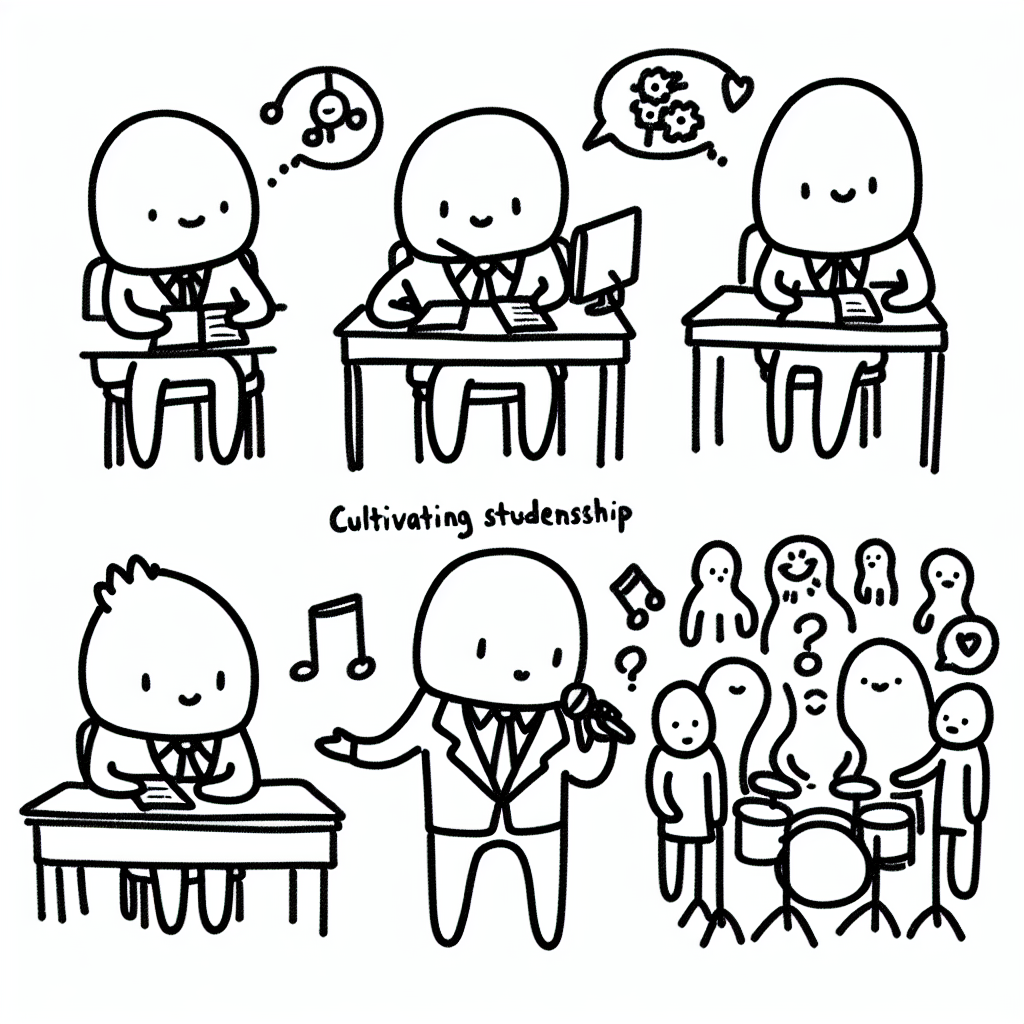
To effectively cultivate leadership skills for students, institutions must adopt proactive and structured approaches that span the entire college experience. These strategies include early intervention, continuous monitoring, and a commitment to inclusive leadership development.
Early Intervention
Research from UC Berkeley recommends integrating leadership training early in students' academic journeys to maximize impact (UC Berkeley SONS). Orientation programs and first-year seminars can serve as strategic entry points for introducing leadership concepts. By embedding leadership development into initial college experiences, institutions can lay a foundation for sustained growth.
Continuous Monitoring and Feedback
To track the effectiveness of leadership training, institutions should implement longitudinal tracking systems that monitor the development of leadership skills for students over time. Annual feedback mechanisms—such as surveys and focus groups—can capture student perceptions and evolving development needs, allowing for data-informed improvements to programming.
Cross-Cultural and Inclusive Leadership
Leadership programs must address diverse leadership styles and global competencies to prepare students for multicultural environments. Institutions should design inclusive programming that supports international students and underrepresented groups, ensuring that leadership skills for students are cultivated in a manner that reflects and respects diverse perspectives and experiences.

Impact of Leadership Development
Academic and Career Success
Developing leadership skills for students has a direct impact on academic performance and future career prospects. Research shows that students who take on leadership roles often demonstrate higher academic engagement and achieve better GPAs. This is because leadership responsibilities encourage time management, goal setting, and collaboration—skills that support academic success.
In terms of career readiness, leadership is consistently ranked as one of the top competencies employers seek in new graduates. According to the National Association of Colleges and Employers (NACE), leadership is among the most desirable attributes on a candidate’s resume. Students who develop leadership skills gain a competitive edge in the job market, as they are better equipped to lead teams, communicate effectively, and adapt to workplace challenges.
Personal Growth and Civic Engagement
Leadership development also strengthens personal growth. Students who engage in leadership opportunities often build self-confidence and emotional resilience. These experiences challenge them to step outside their comfort zones, manage setbacks, and make informed decisions.
Beyond individual benefits, leadership skills for students also foster civic engagement. Students who develop leadership capabilities are more likely to participate in community service, take on roles in civic organizations, and advocate for social change. These experiences prepare them to contribute meaningfully to society and take on leadership roles in their communities as adults.

Conclusion
Developing leadership skills for students is essential for their personal growth and future success. Throughout this discussion, we've explored key strategies such as encouraging active participation in group projects, providing mentorship opportunities, and integrating leadership training into the curriculum. These approaches not only build confidence but also reinforce collaboration, decision-making, and communication abilities.
Leadership is not an innate trait reserved for a few—it is a teachable, learnable skill that can be cultivated through intentional practice and support. By recognizing leadership as a vital competency, educators and institutions can play a transformative role in nurturing responsible, capable future leaders.
It is imperative for schools, colleges, and community organizations to prioritize leadership development. Students themselves should seek out opportunities to grow in this area, while educators and institutions must provide the structure and resources to support that growth. Investing in leadership skills for students equips the next generation to navigate challenges, inspire others, and drive positive change.

References
- UC Berkeley – 2015 Survey of New Students (SONS): This survey explores how incoming students perceive their preparedness in areas such as communication, collaboration, and other core leadership skills for students.
- Brigham Young University – Leadership Skills Measure: This study presents a validated instrument for measuring leadership skills among students, providing useful data on self-perception and competency development.
- Virginia Tech – Student Skills Perception Study: A research article that examines how students perceive their own leadership skills and identifies gap areas for targeted growth.
- Ohio State University – Student Leadership Needs Report: This report outlines student feedback on leadership development needs, highlighting key areas where institutions can support growth in leadership skills for students.
- Brookings Institution – Soft Skills Report Card: An analysis of soft skills education, including leadership competencies, and their impact on student outcomes.
 SHARE ON FACEBOOK
 SHARE ON TWITTER