Introduction
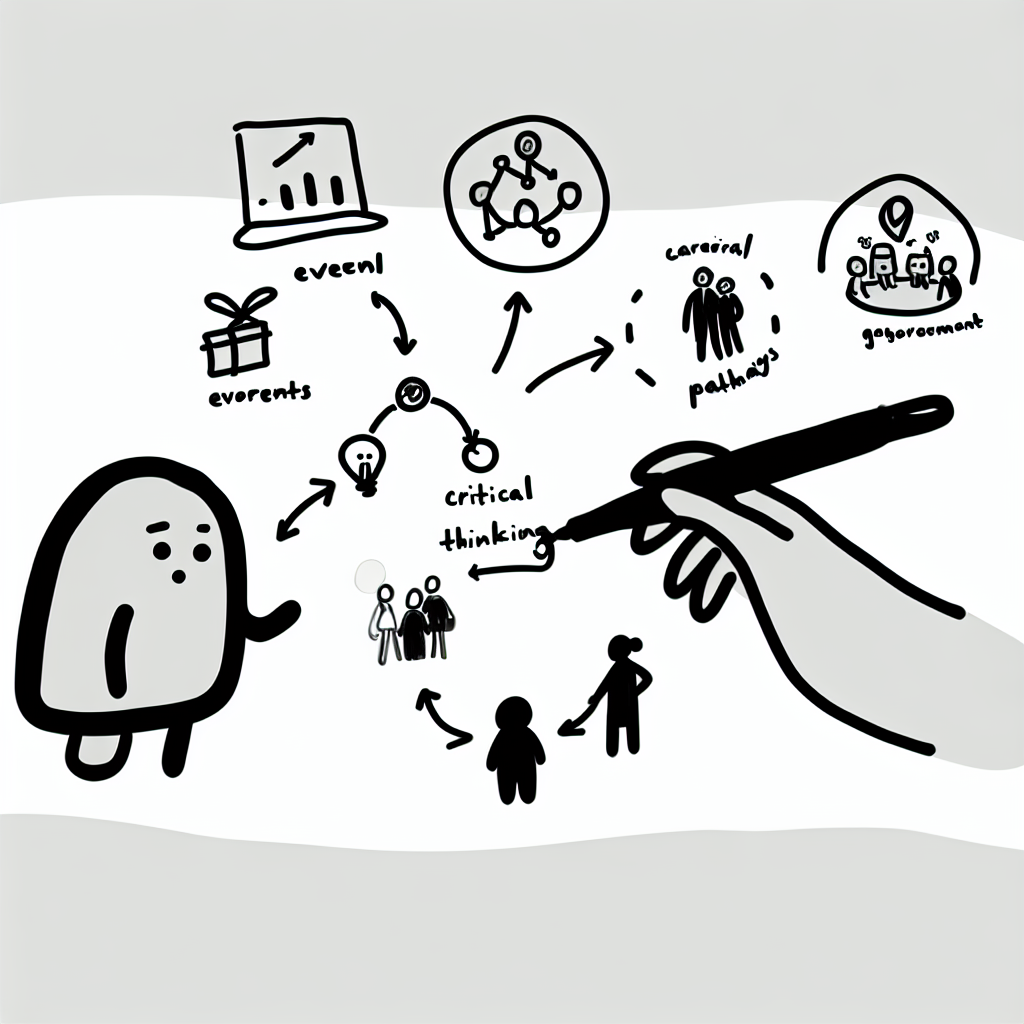
Strategic high school course planning plays a critical role in shaping a student's academic trajectory. Making informed decisions about which courses to take—and when—can significantly impact a student’s readiness for college, access to advanced learning opportunities, and long-term career prospects.
Course selection influences more than just a GPA. It determines whether students fulfill prerequisites for college admissions, gain exposure to career pathways, and build essential skills like critical thinking and problem-solving. For example, students who take advanced math and science courses in high school are more likely to pursue STEM majors in college and enter high-demand careers.
Recent data reveal key trends in student coursetaking behavior. According to the National Center for Education Statistics, enrollment in Advanced Placement (AP) courses has increased steadily over the past decade, while participation in career and technical education (CTE) programs is also on the rise. These shifts reflect a growing recognition of the need to align high school coursework with both college expectations and workforce demands.
Understanding the implications of high school course planning is essential for students, parents, and educators alike. Making thoughtful choices early on can open doors to greater academic success and broader career opportunities.

The Role of Post-Secondary Goals in Course Selection
Aligning High School Courses with Future Plans
Post-secondary goals play a central role in high school course planning. Students often choose their classes based on their aspirations for college or specific careers. According to the NCES Mathematics Coursetaking Study, ninth-grade students who plan to pursue a four-year college degree are more likely to enroll in advanced mathematics courses compared to peers with no college plans. This reflects a broader trend: students aligning their high school course planning with long-term educational goals.
Future academic or career ambitions also influence a student's willingness to take on rigorous coursework. When students see a clear connection between challenging classes and their future success, they are often more motivated to persist. This alignment can lead to increased engagement and better preparation for post-secondary demands.
Differences in Motivation by Career Pathway
Different career interests shape how students approach high school course planning. STEM-bound students, for example, may prioritize advanced math and science classes to meet prerequisites for college programs in engineering or technology. In contrast, students interested in the humanities may focus on literature, history, and language courses that align with their intended majors.
The distinction is also evident between students on occupational tracks and those on academic pathways. As highlighted in the Academic Pathways and Performance report, students following academic tracks are more likely to take rigorous academic coursework, whereas those on occupational tracks may choose classes that provide technical skills for immediate employment. These differences underscore the importance of incorporating post-secondary goals early in high school course planning to ensure students are adequately prepared for their chosen paths.
Trends in High School Coursetaking
Growth in Advanced Coursework
Over the past decade, there has been a significant rise in high school students enrolling in advanced courses, particularly in STEM subjects. According to the High School Transcript Study, enrollment in mathematics and science courses has steadily increased, with more students completing higher-level classes such as calculus, physics, and chemistry. This trend reflects a growing emphasis on preparing students for college and careers in science and technology fields.
Demographic Patterns
Patterns in high school course planning reveal disparities based on race, gender, and socioeconomic status. Students from higher-income backgrounds and certain racial or ethnic groups are more likely to enroll in advanced coursework. Gender differences also emerge, particularly in STEM areas, where male students are more frequently represented in physics and engineering courses, while female students are more likely to take advanced biology. Efforts to address these equity gaps include expanding access to preparatory coursework, increasing the availability of AP and honors classes in underrepresented schools, and implementing targeted support programs.
Course-Taking and Academic Performance
Research shows a strong correlation between enrollment in higher-level math courses and improved academic performance. The Mathematics Course-Taking and Achievement report highlights that students who complete advanced mathematics courses, such as Algebra II or beyond, tend to achieve higher scores on standardized assessments. Longitudinal studies also demonstrate that rigorous coursework is linked to better college readiness and long-term academic success, reinforcing the importance of strategic high school course planning.

Effective Education and Career Planning
The Importance of Personalized Plans
In the context of high school course planning, having a personalized education and career plan is essential. Such plans help students align their academic choices with long-term goals, whether those goals involve college, vocational training, or entering the workforce. According to a study by the National Center for Education Statistics, students with clear education and career planning are more likely to stay on track and feel motivated in school (Education and Career Planning).
Common frameworks that support high school course planning include Individual Learning Plans (ILPs), four-year course plans, and pathway maps. ILPs help students identify strengths, explore career interests, and select courses that support their aspirations. Four-year course plans provide a structured outline of required and elective courses across high school years. Pathway maps link academic coursework to career fields, making it easier for students to visualize how current choices relate to future careers.
Role of Support Systems
Support systems play a vital role in high school course planning. Teachers, counselors, and parents can provide essential guidance that helps students make informed decisions. Counselors, in particular, assist students in aligning their course selections with graduation requirements and post-secondary goals.
Best practices for effective support include regular plan reviews, student-led conferences, and portfolio systems. Regular reviews ensure that the student’s plan remains relevant and adaptable to changing interests or goals. Student-led conferences encourage ownership and reflection, allowing students to present their progress and adjust plans accordingly. Portfolio systems help track academic achievements, extracurricular activities, and evolving career interests, providing a comprehensive view of student development.
By integrating these strategies, high school course planning becomes a dynamic and student-centered process that supports both educational attainment and career readiness.

Strategies for Educators and Counselors
Enhancing Student Decision-Making
Effective high school course planning starts with supporting students in identifying their interests and strengths. Educators and counselors can use tools such as career interest inventories, skills assessments, and one-on-one advising sessions to help students evaluate their aptitudes and goals. These assessments provide a foundation for informed course selection aligned with future academic or career pursuits.
In the early high school years, particularly 9th and 10th grades, students should be encouraged to explore a range of subjects. This exploration phase helps them gain exposure to different fields, which can inform more specialized course choices in 11th and 12th grades. Structured advisory programs and exploratory electives are effective strategies for broadening students’ understanding of their options.
Aligning Curriculum with Career Clusters
To make high school course planning more relevant, schools can align curriculum offerings with established career clusters. This includes integrating Career and Technical Education (CTE) programs with traditional academic pathways. By doing so, students can see clear connections between their coursework and potential career paths.
Advanced options such as dual enrollment, Advanced Placement (AP), International Baccalaureate (IB), and early college programs allow students to earn college credit while still in high school. These opportunities not only accelerate learning but also provide exposure to college-level expectations, which can inform postsecondary decisions.
Promoting Equity and Access
Ensuring equitable access to high-quality courses is a critical component of high school course planning. Educators and counselors must work to identify and address barriers that prevent students—especially those from underrepresented backgrounds—from enrolling in advanced coursework. These barriers may include lack of information, implicit bias, or scheduling conflicts.
Proactive strategies such as data reviews, targeted outreach, and inclusive enrollment policies can support greater participation in rigorous academic programs. Schools should also provide support systems, such as tutoring and mentoring, to help all students succeed once enrolled.

Case Studies and Implementation Models
School-Wide Planning Programs
Several high schools across the country have successfully implemented comprehensive high school course planning frameworks that demonstrate measurable improvements in student outcomes. For example, Chicago Public Schools introduced the "Learn.Plan.Succeed." initiative, which mandates that every student develop a postsecondary plan as a graduation requirement. As a result, the district has seen increased college enrollment and a more structured approach to academic advising.
In another case, Hillsboro High School in Oregon adopted a four-year course planning model that integrates career and college readiness goals starting in the freshman year. This school-wide strategy led to a 9% increase in graduation rates over five years and higher levels of student engagement, particularly among historically underserved populations.
Programs like these typically involve coordinated efforts between counselors, teachers, and administrators to ensure students are on track for both graduation and their postsecondary goals. The integration of career exploration tools and personalized academic plans has been critical in helping students make informed course selections.
Policy-Level Interventions
State and district policies play a significant role in shaping effective high school course planning. For instance, Texas mandates that all high school students choose an endorsement—a career-focused academic track—upon entering ninth grade. This policy requires students to work with counselors to develop a Personal Graduation Plan, aligning their coursework with future college or career interests.
Similarly, the state of Rhode Island requires Individual Learning Plans (ILPs) for students in grades 6–12. These ILPs, which are reviewed and updated annually, help students set goals, plan coursework, and reflect on academic and career interests. Schools using ILPs have reported increased student motivation and better alignment between course selection and graduation requirements.
Graduation requirements themselves are increasingly being restructured to support postsecondary readiness. Many districts now require students to complete a college-preparatory curriculum, including advanced math and science courses, as part of their graduation criteria. These policy-level changes support more intentional high school course planning and provide students with the academic foundation needed for success beyond high school.

Conclusion
Thoughtful high school course planning is essential for guiding students toward academic success and long-term achievement. When students select courses that align with their goals, interests, and post-secondary plans, they are more likely to stay engaged and perform well.
Data plays a critical role in effective course planning. By analyzing student performance, interests, and college or career trends, educators can offer better guidance and tailor course offerings. Support from counselors, teachers, and families further enhances students’ ability to make informed decisions. Aligning course selections with individual aspirations ensures that students are not only meeting graduation requirements but also preparing for their futures.
As education continues to evolve, educators and policymakers must prioritize equity, access, and adaptability in high school course planning. This includes expanding availability of advanced coursework, improving career and technical education pathways, and using data-driven strategies to inform policy. Thoughtful planning today lays the groundwork for student success tomorrow.
 SHARE ON FACEBOOK
 SHARE ON TWITTER