areer exploration during high school lays the foundation for students' future educational and occupational success. This guide synthesizes data, trends, and best practices from national research to provide an in-depth overview of how high schoolers can and should navigate their career development journey.
🧭 Introduction to Career Exploration
What is Career Exploration?
Career exploration is the process of learning about various occupations and understanding how personal interests, skills, and values align with different career paths. Its purpose is to help individuals make informed decisions about their future by identifying potential careers and the steps needed to pursue them. For high schoolers, career exploration provides a structured way to consider options early, reducing uncertainty and promoting purposeful planning.
Early exposure to career pathways allows students to see the real-world applications of their education. It helps them recognize the variety of opportunities available, from skilled trades to professional careers, and understand the qualifications and experiences required for each. This foundational knowledge empowers students to plan their academic and extracurricular activities in alignment with long-term goals.
Why It Matters in High School
Career exploration for high schoolers is especially important because it supports informed decision-making about postsecondary education. When students understand their career interests, they can choose relevant courses, internships, and training programs that prepare them for their desired paths.
Additionally, exploring careers motivates students by giving purpose to their education. When they see how classroom learning connects to future opportunities, they are more likely to set goals and stay engaged. Career exploration also helps bridge the gap between academics and the workforce, offering a clearer picture of how skills developed in school translate to real-world roles.
Ultimately, engaging in career exploration during high school lays the groundwork for a smoother transition into adulthood and the working world.

🎓 Career and Technical Education (CTE): A Gateway to Exploration
Understanding CTE
Career and Technical Education (CTE) programs are structured educational pathways that combine academic instruction with hands-on training in specific career fields such as healthcare, information technology, agriculture, or skilled trades. These programs are typically offered in high schools and may extend into postsecondary institutions.
CTE is integrated with core academic coursework, allowing students to meet graduation requirements while gaining practical experience. This dual approach ensures that students not only build technical competencies but also maintain academic rigor, preparing them for both college and the workforce.
Purpose and Benefits of CTE in High School
CTE plays a critical role in career exploration for high schoolers by equipping them with real-world skills that are directly applicable to various professions. Through internships, lab work, and project-based learning, students gain exposure to a wide range of career paths, which helps them make informed decisions about their futures.
Participation in CTE has been linked to increased student engagement, higher graduation rates, and improved academic outcomes. It also fosters a greater sense of purpose among students who see the relevance of their education to their career goals.
According to the NCES – Career and Technical Education (CTE) Statistics, a significant percentage of high school students enroll in CTE courses each year. The data shows that students involved in CTE are more likely to graduate on time and pursue further education or enter the workforce with a competitive edge.
Career and Technical Education offers high school students a valuable opportunity to explore career interests early on, making it a key component of effective career exploration for high schoolers.

📊 Trends in Student Participation
Enrollment in CTE Programs
Career and Technical Education (CTE) programs have become a central component of career exploration for high schoolers across the United States. According to data from the U.S. Department of Education, over 8.2 million secondary students participated in CTE programs in recent years. Participation has steadily increased, reflecting growing recognition of the value these programs offer in preparing students for both college and careers.
The National Center for Education Statistics (NCES) reports that enrollment in CTE programs has seen consistent growth, with projections suggesting continued expansion due to increased federal and state support, as well as employer partnerships. These trends indicate a broader shift toward integrating career readiness into the high school curriculum.
Demographic Breakdown
Participation in CTE programs varies by demographic group. Historically, male students have enrolled in CTE at higher rates than female students, particularly in fields like manufacturing and information technology. However, female participation has been rising, especially in health sciences and business pathways.
Racial and ethnic disparities also exist. While White students make up the largest share of CTE enrollees, Black and Hispanic students are increasingly participating, particularly in urban districts with targeted outreach programs. Socioeconomic status plays a significant role as well. Students from low-income backgrounds are more likely to enroll in CTE courses due to the availability of hands-on experience and pathways to employment.
Despite these positive trends, equity gaps remain. In response, many districts have implemented targeted interventions to promote inclusion, such as mentorship programs, culturally responsive curricula, and expanded access to career counseling.
NCES – Career Development Opportunities for High School Students in Baltimore City Public Schools
A case study by the NCES highlights how Baltimore City Public Schools are offering innovative career development opportunities as part of a broader effort to enhance career exploration for high schoolers. These initiatives include partnerships with local businesses, expanded CTE course offerings, and work-based learning experiences. The program emphasizes equitable access, aiming to close gaps in participation and prepare all students for postsecondary success.

📚 Popular Career Pathways and Subject Areas
High-Demand CTE Clusters
Career exploration for high schoolers often begins with Career and Technical Education (CTE) programs, which offer a practical introduction to various industries. Among the most in-demand CTE clusters are:
- Health Science: With a growing need for healthcare professionals, this cluster prepares students for careers in nursing, medical technology, and allied health services.
- Information Technology: As technology continues to shape the workforce, IT courses equip students with skills in programming, cybersecurity, and network administration.
- Business and Finance: This area introduces students to the fundamentals of accounting, marketing, entrepreneurship, and financial literacy.
- Skilled Trades: Trades such as construction, automotive technology, and welding remain vital, offering strong job prospects and apprenticeships for students interested in hands-on careers.
Evolution of Course-Taking Patterns
Career exploration for high schoolers has changed significantly over the years, reflecting shifts in the economy and student interests. Students are increasingly choosing courses aligned with emerging fields such as renewable energy, data science, and artificial intelligence. Traditional programs still hold value, but there is noticeable growth in future-focused disciplines that align with evolving labor market demands.
These trends indicate that students are not only exploring established career paths but are also responding to new opportunities shaped by technological and societal changes.

🛠️ Career Exploration Activities and Tools
Individual Plans of Study (IPS)
Individual Plans of Study (IPS) are essential tools in career exploration for high schoolers. An IPS helps students align their coursework and extracurricular activities with their career interests and goals. By mapping out a personalized educational path, students can make informed decisions about their future.
Creating an effective IPS involves several steps. First, students identify their interests and strengths using career assessments. Then, they explore related career paths and plan their high school courses accordingly. Regular review and updates ensure the IPS remains relevant as students grow and their interests evolve. Educators and counselors play a key role in guiding students through this process.
According to the NCES – Career Exploration Activities: Individual Plans of Study Tip Sheet, IPS programs help students develop academic and career goals, track progress, and stay engaged in their education.
School-Based Programs and Resources
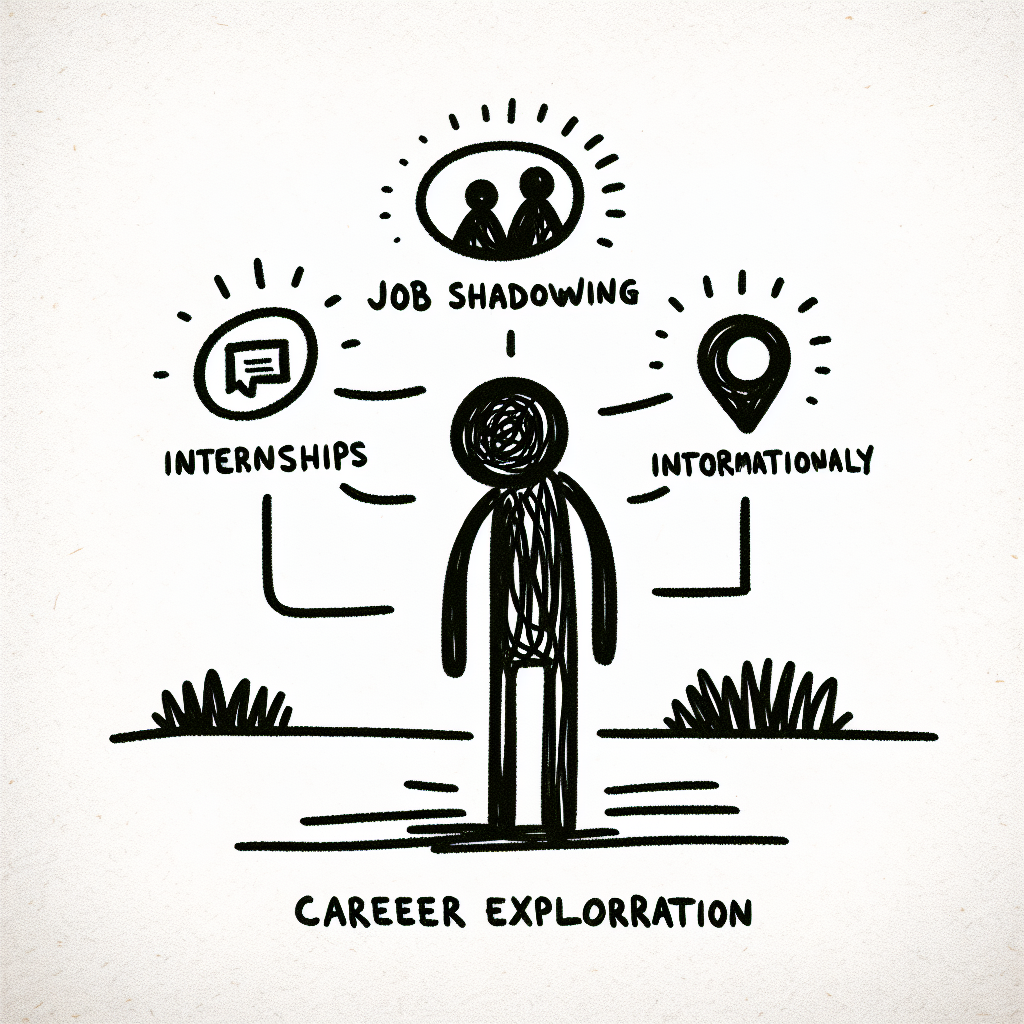
Schools offer various programs and resources to support career exploration for high schoolers. Career fairs provide exposure to a wide range of industries and allow students to interact with professionals. Job shadowing gives students firsthand experience by observing a professional in their work environment.
Guest speaker series bring in industry experts to share insights and answer questions, helping students understand different career paths. Internships and apprenticeships offer hands-on experience, allowing students to apply classroom knowledge in real-world settings and build valuable skills.
Online and Digital Resources
Digital tools play a growing role in career exploration for high schoolers. Career interest assessments help students identify potential career paths based on their preferences and aptitudes. Virtual job simulations allow students to experience typical tasks and challenges in various occupations.
College and career planning platforms offer integrated resources for researching careers, exploring postsecondary options, and setting goals. These tools help students make data-informed decisions about their futures and stay organized throughout their high school journey.

Integration with Academic and Graduation Planning
Aligning Career Goals with Graduation Requirements
Effective career exploration for high schoolers includes aligning their career interests with academic planning. By selecting electives and course pathways that match their intended career fields, students can gain relevant skills and knowledge while also fulfilling graduation requirements. For example, a student interested in healthcare might choose biology and health science electives, while someone considering a career in computer science might focus on programming and math courses.
Building a structured academic plan helps students stay on track for both graduation and postsecondary goals. Counselors and advisors can work with students to map out course sequences that not only meet state and district graduation standards but also support career readiness.
Role of Planning in Student Outcomes
According to the NCES – Public High School Students' Use of Graduation, Career, or Education Plans, students who engage in structured planning are more likely to see positive academic outcomes. The report highlights that having a graduation, career, or education plan in place is associated with increased student engagement and a clearer understanding of the steps needed to achieve future goals. This reinforces the value of integrating career exploration with academic planning early in the high school experience.

🎯 Student Outcomes and Impact
Graduation and Postsecondary Enrollment
Career exploration for high schoolers is closely linked to improved academic and postsecondary outcomes. Students who participate in Career and Technical Education (CTE) programs, which often include structured career exploration activities, consistently demonstrate higher high school graduation rates compared to their peers. These programs provide students with relevant, hands-on learning experiences that help keep them engaged and motivated to complete their education.
Moreover, students involved in career exploration are more likely to pursue postsecondary education or training. Exposure to different career paths helps students make informed decisions about their futures, often leading them to enroll in community colleges, universities, or vocational programs that align with their interests and goals.
National Study Findings
According to the NCES – Education and Career Planning in High School: A National Study, there is a strong correlation between participation in education and career planning activities and college-going behaviors. High schoolers who engage in structured planning—such as setting career goals, exploring postsecondary options, and mapping out academic pathways—are more likely to attend college after graduation. This research underscores the impact of early career exploration on shaping successful educational trajectories.

🏫 Role of Schools and Educators
Schoolwide Strategies
Schools play a central role in supporting career exploration for high schoolers. One effective strategy is embedding career exploration directly into the curriculum. This can include integrating career-themed projects into core subjects, offering elective courses focused on career skills, or using real-world examples from different professions to reinforce academic content. When career learning is part of everyday instruction, students are more likely to connect their education with future goals.
Professional development is also crucial. Teachers and counselors need training to guide students effectively through the career exploration process. This includes understanding labor market trends, knowing how to use career assessment tools, and being familiar with postsecondary pathways. Ongoing professional development ensures that educators are equipped to help students make informed decisions about their futures.
Collaboration with Community and Industry
Collaboration with local businesses and postsecondary institutions enhances career exploration for high schoolers by providing real-world perspectives. Schools can partner with employers to offer job shadowing, internships, and workplace visits. These experiences give students firsthand insight into different careers and help them develop relevant skills.
Working with community organizations and colleges also increases access to mentorship programs and dual-enrollment opportunities. Mentorship allows students to learn from professionals in fields of interest, while dual-enrollment gives students a head start on college coursework related to potential careers. These partnerships create a network of support that extends beyond the classroom and into the community.

Recommendations for Stakeholders
For Students
High schoolers should engage early and often in career exploration activities. This includes participating in job shadowing, informational interviews, and internships where possible. Keeping plans flexible is essential, as interests and goals may evolve over time. Revisiting career goals regularly ensures alignment with current skills, passions, and opportunities, making career exploration for high schoolers a continuous and adaptive process.
For Parents and Guardians
Parents and guardians play a vital role in supporting career exploration for high schoolers. Encouraging open conversations about goals, strengths, and interests creates a foundation for thoughtful decision-making. Additionally, supporting participation in exploration programs—such as summer camps, workshops, and extracurricular activities—helps students gain real-world insights into potential career paths.
For Educators and Counselors
Educators and counselors should utilize data—such as academic performance, interests inventories, and labor market information—to provide personalized guidance. This data-driven approach helps match students with pathways that fit their profiles. Furthermore, it is crucial to advocate for equitable access to high-quality career readiness resources so all students can benefit from robust career exploration for high schoolers, regardless of background or school funding.
Conclusion: Building a Future-Ready Generation
Early and active career exploration for high schoolers is a crucial step in preparing students for the demands of the modern workforce. When students begin exploring their interests, strengths, and potential career paths early on, they gain clarity and direction for their academic and personal development.
Support systems such as guidance counselors, dedicated career programs, and mentorship opportunities provide the structure needed to navigate this process effectively. Personalized planning helps align students' course selections and extracurricular activities with their career goals. Exposure to real-world experiences—like internships, job shadowing, and industry visits—further enhances their understanding of various fields and builds essential skills.
By fostering intentional career exploration for high schoolers, educators and families can help shape a generation that is not only informed but also prepared to make confident decisions about their futures.

Key Resources and Citations
Effective career exploration for high schoolers is supported by a variety of data-driven resources and tools. The following key resources from the National Center for Education Statistics (NCES) provide valuable insights into how students engage in career planning and technical education:
- NCES – Career and Technical Education (CTE) Statistics: Offers comprehensive data on high school students' participation in CTE programs, which are instrumental in preparing youth for specific career paths.
- NCES – Public High School Students' Use of Graduation, Career, or Education Plans: Highlights how students are utilizing structured planning tools to align their high school experiences with future career or education goals.
- NCES – Career Exploration Activities: Individual Plans of Study Tip Sheet: Provides practical guidance on implementing individual plans of study, a key component of personalized career exploration for high schoolers.
- NCES – Career Development Opportunities in Baltimore City Public Schools: Showcases a case study of how one district enhances career development through partnerships and hands-on experiences.
- NCES – Education and Career Planning in High School: A National Study: Presents national data on how schools support career planning initiatives and the characteristics of students who participate in these efforts.
These resources serve as a foundational toolkit for educators, policymakers, and families seeking to understand and support effective career exploration for high schoolers.

 SHARE ON FACEBOOK
 SHARE ON TWITTER