Introduction
College counseling plays a critical role in shaping students' educational futures. As the college admissions landscape becomes increasingly competitive and complex, effective guidance is more essential than ever. With the 2026 admissions cycle already underway, students and families must navigate new trends and challenges that could significantly influence outcomes.
In 2026, colleges are placing greater emphasis on holistic review processes, test-optional policies remain widespread, and demonstrated interest continues to carry weight at many institutions. These shifts require a proactive and informed approach from all involved.
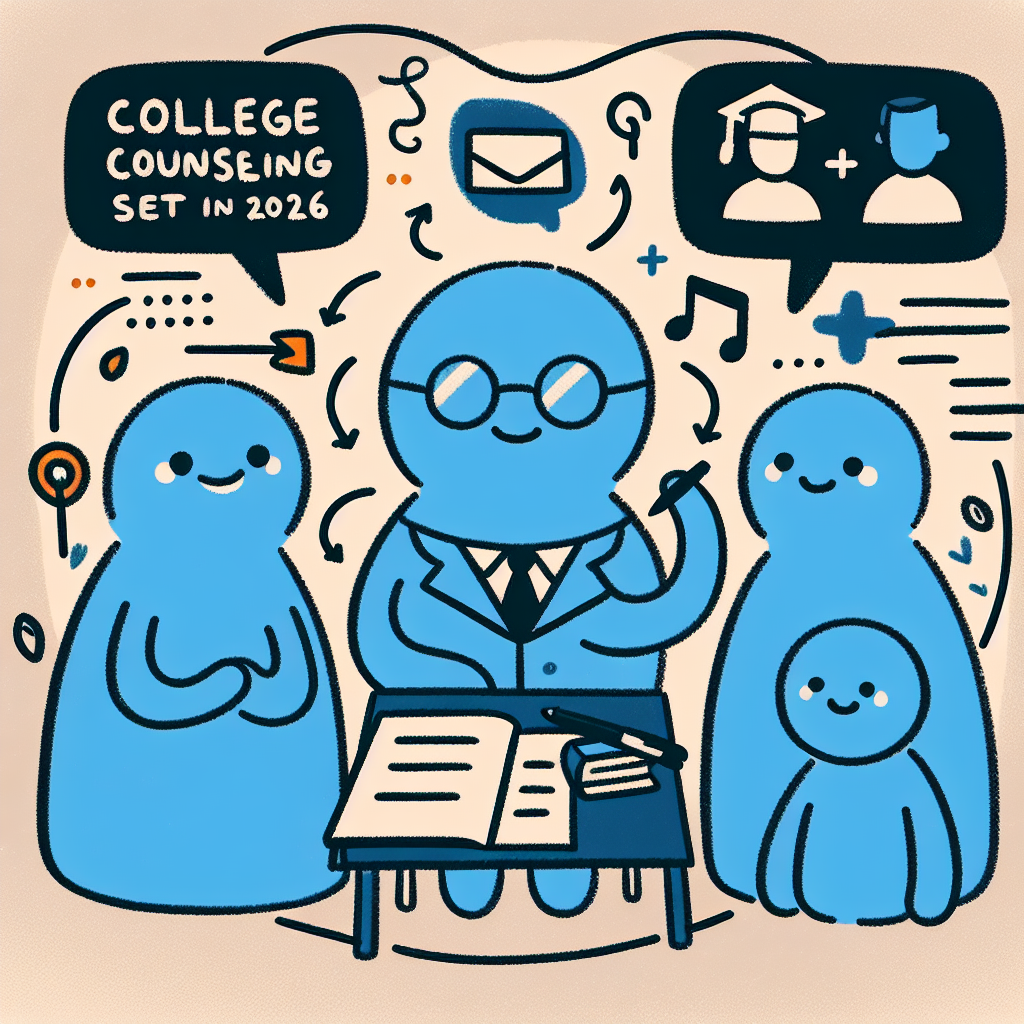
The college counseling process is a collaborative effort. Counselors provide expert insight, tools, and encouragement to help students make informed decisions. Students are expected to take initiative, reflect on their goals, and engage actively in the process. Families also play a key support role, offering perspective and ensuring that students stay grounded and focused.
Understanding the evolving landscape and working together strategically can make a significant difference. This article offers timely college counseling advice 2026 to help students and families make smart, confident decisions throughout the admissions journey.
📘 Foundations of Effective College Counseling
Understanding the Counselor’s Role
Effective college counseling begins with a clear understanding of the counselor’s multifaceted role. School counselors are responsible for guiding students through academic planning, offering emotional support, and helping them explore postsecondary options. This includes creating personalized academic paths that align with students’ goals, managing stress related to the college process, and providing information about a variety of post-high school opportunities including four-year universities, community colleges, and vocational programs.
Collaboration is a critical component of this role. Counselors work closely with families to ensure alignment between student aspirations and family expectations. They also coordinate with teachers and school administrators to support student development and keep everyone informed about student progress and college readiness.
Key Counseling Competencies
Staying current on admissions trends and requirements is essential for delivering relevant and accurate college counseling advice 2026. This includes understanding changes in standardized testing policies, shifts in application platforms, and the evolving priorities of college admissions offices.
Culturally responsive advising is another crucial competency. Counselors must recognize and respect the diverse backgrounds of their students, adapting their guidance to meet the unique cultural, socioeconomic, and personal contexts each student brings. This ensures equitable access to information and support, helping all students navigate the college admissions process effectively.

🧭 Advising Frameworks for the College Journey
College Readiness Planning
Effective college counseling advice 2026 begins with structured readiness planning from the start of high school. The journey should be mapped out year by year to ensure students are academically and personally prepared by senior year.
9th–10th Grade: Students should focus on building a strong academic foundation through rigorous coursework. This period is ideal for exploring a variety of extracurricular activities to discover interests and develop leadership skills.
11th–12th Grade: Juniors should begin preparing for standardized tests, researching colleges, and attending campus visits if possible. By senior year, students should be finalizing college lists, writing essays, and submitting applications. Tools like the College Board’s Counseling Profession Resources can help assess readiness and track progress.
Application Strategy & Guidance
Strategic application planning is a crucial component of effective college counseling advice 2026. Counselors should help students build a balanced college list that includes reach, match, and safety schools.
Guidance on crafting compelling personal statements and supplemental essays is essential, along with instruction on how to request strong recommendation letters and manage transcript submissions. Students should also understand the difference between early action and early decision, including the implications of each. Checklists like those provided by NACAC’s Ask the Admission Office are valuable for maintaining application deadlines and requirements.
Understanding College Fit
Helping students find the right college fit is a foundational aspect of college counseling advice 2026. Counselors should guide students in evaluating factors such as campus size, geographic location, institutional culture, academic offerings, and financial cost.
Tools like NACAC’s Determining the Right Fit can support meaningful comparisons. Encouraging students to reflect on their goals, values, and learning preferences will lead to more informed and satisfying college choices.

💸 Demystifying Financial Aid and Scholarships
Understanding financial aid is essential for families navigating the college admissions process. This college counseling advice 2026 section explains the primary components of financial aid and the tools that can help simplify financial planning.
Key Components of Financial Aid
The foundation of most financial aid packages begins with submitting the Free Application for Federal Student Aid (FAFSA). This form determines eligibility for federal grants, loans, and work-study programs. In addition to the FAFSA, many private colleges and universities require the CSS Profile, which collects more detailed financial information to assess eligibility for institutional aid.
Financial aid typically includes several types of support:
- Grants: Need-based funds that do not need to be repaid.
- Scholarships: Merit- or need-based funds awarded by colleges or external organizations.
- Federal Loans: Borrowed money that must be repaid with interest, often at lower rates than private loans.
- Work-Study: Part-time jobs provided through the school to help students earn money for expenses.
Tools to Simplify Financial Planning
Families can use several tools to make informed financial decisions:
- Net Price Calculators: Available on college websites, these tools estimate the actual cost of attendance after aid.
- Comparing Award Letters: Reviewing financial aid offers side by side helps families understand the true out-of-pocket costs.
- Exploring Academic and Need-Based Aid: Resources like the BigFuture Toolkit for Counselors offer guidance on identifying scholarships and grants tailored to student profiles.
Effective college counseling advice 2026 includes helping students and families understand how to access and evaluate these financial resources.

🌍 Equitable Counseling for Diverse Student Populations
Supporting First-Generation College Students
Effective college counseling advice 2026 must include targeted strategies for supporting first-generation college students. These students often face unique challenges due to limited familial knowledge about higher education. Building a college-going culture within families is essential—counselors can facilitate informational workshops and family engagement sessions to demystify the college process. Providing mentors and peer support networks helps first-generation students navigate academic and social transitions. Additionally, counselors must address knowledge gaps about admissions by offering clear, step-by-step guidance on application timelines, financial aid, and standardized testing.
Assisting Underrepresented and Underserved Students
To ensure equity, counselors must advocate for underrepresented and underserved students by expanding access to rigorous coursework like AP and IB programs. Identifying scholarships and financial aid opportunities specifically for marginalized groups is also critical. Counselors should promote inclusive campus environments that reflect students’ identities and values. Resources such as the College Board’s Counseling Profession Resources offer tools for supporting diverse students through the college planning process.
Navigating Identity and Belonging
A comprehensive approach to college counseling advice 2026 includes helping students explore identity and belonging in higher education. Counselors should initiate conversations about campus diversity, cultural organizations, and support services that affirm students’ backgrounds. Encouraging students to connect with affinity groups and cultural centers can ease the transition and enhance their college experience. NACAC’s Ask the Admission Office provides insights into how institutions support diverse student populations, helping students make informed decisions about fit and community.

🧰 Tools and Resources for Counselors
To deliver effective college counseling advice 2026, school counselors must rely on up-to-date tools and resources tailored to support students and their families through the admissions process.
Curated Resource Libraries
Several trusted organizations provide comprehensive libraries specifically for counselors. The College Board’s Counseling Hub offers toolkits, planning guides, and timelines to assist counselors in guiding students through academic planning and the college application journey. Likewise, NACAC’s Guide to the College Admission Process provides insights into current admissions practices, tips for supporting diverse student populations, and strategies for staying informed in a shifting educational landscape.
Professional Development Opportunities
Staying current in the field is crucial. Counselors benefit from attending workshops, webinars, and national conferences that focus on trends in admissions and student support. These events often include sessions on licensure updates and continuing education requirements. Additionally, participating in online counselor communities and networks helps professionals exchange college counseling advice 2026, share best practices, and build collaborative support systems.
Digital Tools for Counseling Efficiency
Technology enhances the efficiency of college counseling. Student tracking platforms enable counselors to monitor progress, flag at-risk students, and manage application deadlines. College search databases like BigFuture help students explore options and align interests with potential schools. Additionally, the BigFuture Toolkit offers customizable digital checklists, allowing students to stay organized throughout the process. These tools contribute to a more streamlined and effective delivery of college counseling advice 2026.

📝 Practical Strategies for School-Based Counselors
Building a Comprehensive Counseling Curriculum
To effectively deliver college counseling advice 2026, school-based counselors must embed college readiness throughout the academic experience. This involves integrating postsecondary planning into advisory periods, classroom lessons, and one-on-one meetings. Counselors can align these efforts with grade-level benchmarks, ensuring students understand application timelines, admission requirements, and financial aid options early on.
Events like college nights, fairs, and application bootcamps are essential components of a school’s counseling curriculum. These activities create accessible opportunities for students and families to interact with admissions representatives, explore different institutions, and receive hands-on support with essays, resumes, and forms.
Engaging Families and Guardians
Family involvement is critical in delivering impactful college counseling advice 2026. Counselors should prepare bilingual materials and host multilingual information sessions to ensure all caregivers can participate meaningfully in the college planning process. Doing so helps bridge communication gaps and encourages broader engagement.
A key component is demystifying the financial aid process. Counselors can hold FAFSA workshops, provide budget planning tools, and walk families through scholarship searches and verification procedures. Clarity and transparency empower families to make informed decisions together.
Collaborative Counseling Models
Using a collaborative approach strengthens the reach and effectiveness of college counseling advice 2026. School counselors can partner with local colleges, nonprofit organizations, and workforce development agencies to provide students with mentorships, campus visits, and application support.
Additionally, training teachers to reinforce college and career goals in their classrooms extends the influence of counseling efforts. When educators across disciplines emphasize postsecondary planning, students receive consistent messaging and encouragement throughout their school day.

🧭 Navigating the 2026 Admissions Landscape
Trends Impacting 2026 Applicants
The college admissions process continues to evolve, and students seeking college counseling advice 2026 must stay informed about key trends shaping the landscape. One major shift is the continued adoption of test-optional policies. Many colleges are placing less emphasis on standardized test scores, focusing instead on holistic admissions practices that consider a student's full profile—including academic performance, extracurriculars, essays, and recommendations.
Another emerging factor is the role of artificial intelligence in both essay writing and application review. As students begin to experiment with AI tools to draft essays, admissions offices are also using AI to sort and evaluate applications. This dynamic creates new ethical considerations and underscores the importance of authenticity in student submissions.
Colleges are also placing greater emphasis on character and non-academic attributes. Traits such as resilience, empathy, and community engagement are gaining importance in the admissions process, aligning with institutions’ goals of building diverse and well-rounded classes.
Preparing for Change
To navigate these shifts, students need to develop strong digital literacy skills. Understanding how to use AI tools responsibly—without compromising the integrity of their applications—is crucial. College counseling advice 2026 should include guidance on maintaining originality while leveraging technology effectively.
Additionally, students must be prepared to adapt their application strategies. This includes tailoring essays to reflect personal values and experiences, selecting recommenders who can speak to character, and building a balanced college list that reflects both academic fit and institutional priorities. Staying flexible and informed will be key to success in the evolving 2026 admissions environment.

Conclusion: Empowering Students Through Informed Guidance
Effective college counseling advice 2026 hinges on early, consistent, and student-centered advising. When students begin the college planning process early, they have more time to explore their interests, build a strong academic and extracurricular profile, and make well-informed decisions. Consistent support—from counselors, mentors, and families—helps students stay focused and adapt to challenges along the way.
Resilience and adaptability are crucial traits for navigating the complex and often unpredictable college admissions landscape. By fostering these qualities, counselors can help students respond constructively to setbacks, whether that means rethinking application strategies or coping with rejections.
Ultimately, the goal of college counseling advice 2026 should be to prioritize long-term fit over short-term prestige. A school that aligns with a student’s academic goals, personal values, and financial needs will provide a more fulfilling and successful college experience than one chosen solely for its ranking. Informed guidance empowers students to make choices that support their long-term growth and well-being.
Recommended Resources & Citations
For effective college counseling advice 2026, several trusted resources can help students, families, and counselors navigate the admissions process with confidence:
- College Board’s Counseling Profession Resources: Offers tools and guidance tailored for counseling professionals, including planning timelines, checklists, and student engagement strategies.
- BigFuture Toolkit for Counselors: A practical suite of tools to help counselors support students in exploring careers, building college lists, and understanding financial aid.
- NACAC’s Guide to the College Admission Process: A comprehensive manual covering every stage of the college search and application procedure, ideal for both new and experienced counselors.
- NACAC’s Determining the Right Fit: Focuses on helping students identify colleges that match their academic, social, and financial needs—a key part of personalized college counseling advice 2026.
- NACAC’s Ask the Admission Office: Provides insights directly from admissions professionals, answering common questions and offering transparency into the evaluation process.
These resources are instrumental for delivering accurate and up-to-date college counseling advice 2026 to support informed decision-making.

 SHARE ON FACEBOOK
 SHARE ON TWITTER