Introduction
College rankings have become a central part of the higher education landscape, influencing how students, families, and institutions make decisions. As competition among colleges intensifies and the cost of education rises, rankings offer a seemingly objective way to compare schools across a range of measures. With increasing visibility through media and online platforms, these rankings often play a significant role in shaping public perception and institutional priorities.
The primary purpose of college rankings is to provide a comparative tool for prospective students and their families. Rankings can help identify schools based on academic quality, affordability, campus life, and other factors. For institutions, rankings serve as benchmarks that can influence funding, marketing strategies, and policy decisions.
Several key players dominate the college ranking ecosystem. U.S. News & World Report is perhaps the most well-known, but other organizations like The Princeton Review, Forbes, and Times Higher Education also contribute widely followed lists. Each uses its own methodology, weighing factors such as graduation rates, faculty resources, student selectivity, and alumni outcomes.
Understanding how college rankings work—and their limitations—is essential for making informed decisions about higher education. This article offers a comprehensive look at college rankings explained, examining how they are created, what they measure, and what they mean for all stakeholders involved.

The Philosophy Behind Rankings
Why Rankings Matter
College rankings serve as a framework for evaluating and comparing higher education institutions. One reason rankings matter is because they promote transparency in higher education. By publishing data on graduation rates, faculty resources, and financial aid, rankings help students and families assess colleges based on measurable criteria.
Rankings also encourage institutional improvement. Schools may use ranking methodologies as benchmarks to enhance academic quality, student services, and campus facilities. This competitive pressure can lead to better outcomes for students.
Additionally, rankings guide student choice. With thousands of colleges available, rankings simplify the decision-making process by offering a structured comparison. For many students and parents, rankings provide a starting point for researching potential schools.
Criticisms and Limitations
Despite their benefits, college rankings have faced criticism for methodological inconsistencies. Different rankings use varying criteria and weightings, which can lead to conflicting results and confusion among prospective students.
Another concern is the overemphasis on prestige or reputation. Some rankings prioritize factors like alumni giving or peer assessments, which may not reflect the actual quality of education or student experience.
Rankings can also influence institutional behavior in problematic ways. In an effort to climb in the rankings, some colleges may engage in practices like inflating reported test scores or manipulating admissions data. This "gaming the system" can distort the true mission of education and mislead applicants.
Understanding these strengths and limitations is essential to grasping how college rankings function and why they should be interpreted with caution—an important consideration in having college rankings explained accurately.

Major Ranking Systems: An Overview
Wall Street Journal/Times Higher Education (WSJ/THE)
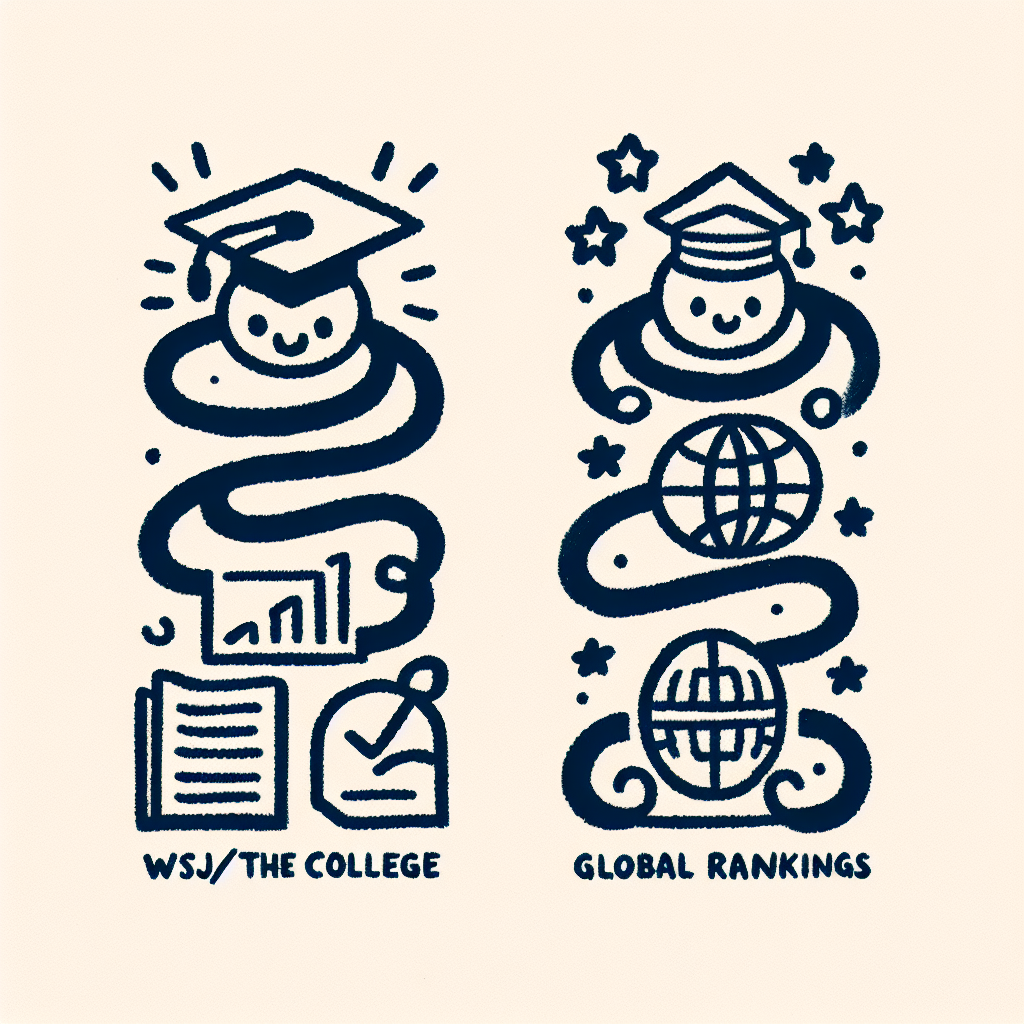
The Wall Street Journal/Times Higher Education College Rankings is a U.S.-focused system that prioritizes student-centered outcomes. It evaluates institutions based on student engagement, outcomes, learning environment, and diversity. The goal is to reflect the aspects of college that matter most to students, such as how well a college prepares graduates for life after school.
Key components include graduation rates, academic reputation, student debt after graduation, and learning resources. The methodology evolves over time, with updates made to reflect changing priorities in higher education. For more detail, see the 2022 Methodology, 2019 Methodology, and 2017 Methodology.
World University Rankings (THE Global)
The Times Higher Education World University Rankings (THE Global) uses an international scope to assess universities worldwide. It emphasizes research excellence, the quality of teaching, and the institutions’ global outlook. The rankings assess universities across 13 performance indicators grouped into five key areas: teaching, research, citations, international outlook, and industry income.
This system is widely used by international students and researchers to evaluate global institutions. The methodology is periodically refined to better capture changes in higher education. For more information, refer to the 2022 Methodology and 2023 Methodology.
In understanding how college rankings work, these two systems demonstrate how different priorities—student outcomes in WSJ/THE and global research excellence in THE Global—can shape how institutions are evaluated. This highlights the importance of context in interpreting college rankings explained.

Core Metrics Explained
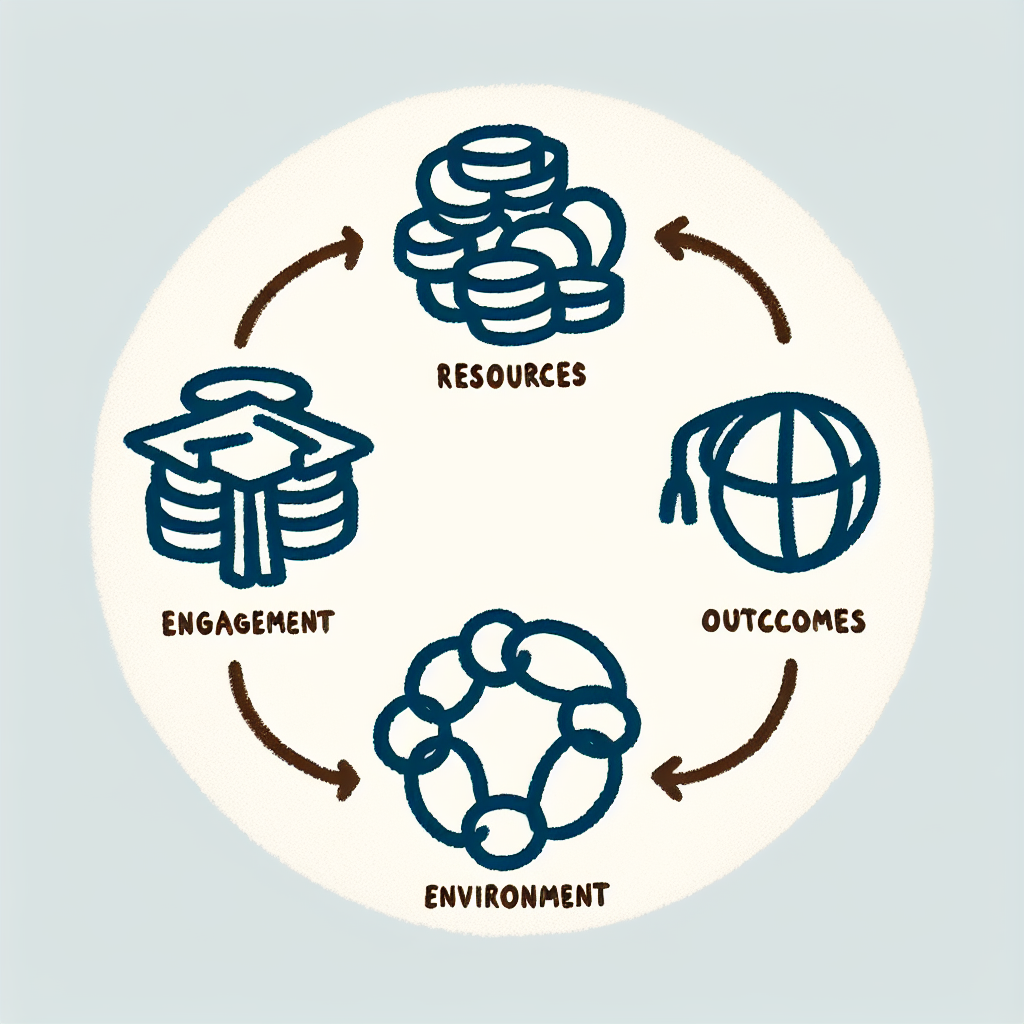
Understanding how college rankings are calculated requires a close look at the core metrics used by most ranking organizations. These metrics aim to reflect the quality, accessibility, and outcomes of higher education institutions. Here's how each component typically contributes to the final score in college rankings explained:
1. Resources (Typically 30%)
Resources assess the financial and academic support available to students and faculty. A major component is faculty credentials and ratios, including the percentage of faculty with terminal degrees and the student-to-faculty ratio. Rankings also consider institutional spending per student, which reflects how much is invested in teaching, research, and student services. Additionally, infrastructure and learning environment measure the quality of facilities, libraries, and technological support available to students.
2. Engagement (Typically 20%)
Engagement evaluates how actively students participate in their education and interact with faculty. This includes student interaction with faculty both inside and outside of the classroom. Opportunities for collaborative learning, such as research projects or group assignments, are also factored in. A supportive learning environment, which may involve mentorship programs or academic advising, further contributes to the engagement score.
3. Outcomes (Typically 40%)
Outcomes are often the most heavily weighted metric in college rankings explained. This includes graduation and retention rates, which indicate student success and institutional effectiveness. Value added metrics assess how well colleges improve academic performance and salary outcomes beyond what would be expected based on student backgrounds. Alumni success and reputation surveys also influence the outcomes score, reflecting long-term impact and the perceived value of the institution.
4. Environment (Typically 10%)
The environment category captures how inclusive and diverse a college is. This includes the diversity of the student and faculty body, along with inclusion and accessibility efforts aimed at fostering equitable experiences. In global rankings, international student presence is also considered, highlighting a school’s global reach and cultural diversity.
Methodology Deep Dive
Understanding how college rankings are created requires a clear breakdown of the methodology behind them. This section of college rankings explained focuses on the data sources, indicator weightings, and scoring methods used by major ranking systems.
Data Collection and Sources
Ranking organizations pull data from a variety of sources:
- Government databases: The Integrated Postsecondary Education Data System (IPEDS) and the National Center for Education Statistics (NCES) are primary sources for U.S.-based rankings. These databases provide standardized data on enrollment, graduation rates, financial aid, and more.
- Institution-supplied data: Colleges and universities often submit detailed data directly to ranking organizations. While useful, this data can vary in quality and transparency.
- Student surveys: Some rankings incorporate survey responses to capture student satisfaction, engagement, and campus experience.
- Academic citations and bibliometric data: Especially relevant for global rankings, these metrics assess the research output and influence of institutions by analyzing publication frequency and citation counts.
Indicator Weightings
Each ranking system assigns different weights to the indicators they use. For example:
- U.S. News & World Report places significant emphasis on graduation and retention rates, faculty resources, and academic reputation.
- Times Higher Education (THE) emphasizes research impact, teaching environment, and international outlook.
- QS World University Rankings gives high weight to academic reputation and employer reputation.
These varying priorities result in different rankings for the same institution, depending on the system used. Understanding these weightings is essential for interpreting what a specific ranking actually measures.
Normalization and Scoring
To allow fair comparisons across institutions, raw data is often normalized. A common method is the z-score, which standardizes data points based on the mean and standard deviation of the entire dataset. This helps mitigate the impact of outliers.
Handling missing data is another crucial part of the process. Some ranking systems fill in missing values using statistical imputation, while others may exclude institutions lacking sufficient data.
Adjustments are also made to account for differences in institution size and mission. For example, research output might be scaled relative to faculty size, or service-oriented institutions might be evaluated using different criteria than research-focused universities.
By understanding these methodological elements, readers can better interpret what college rankings explained truly reveals about institutional performance.

Comparative Analysis: WSJ/THE vs. THE Global Rankings
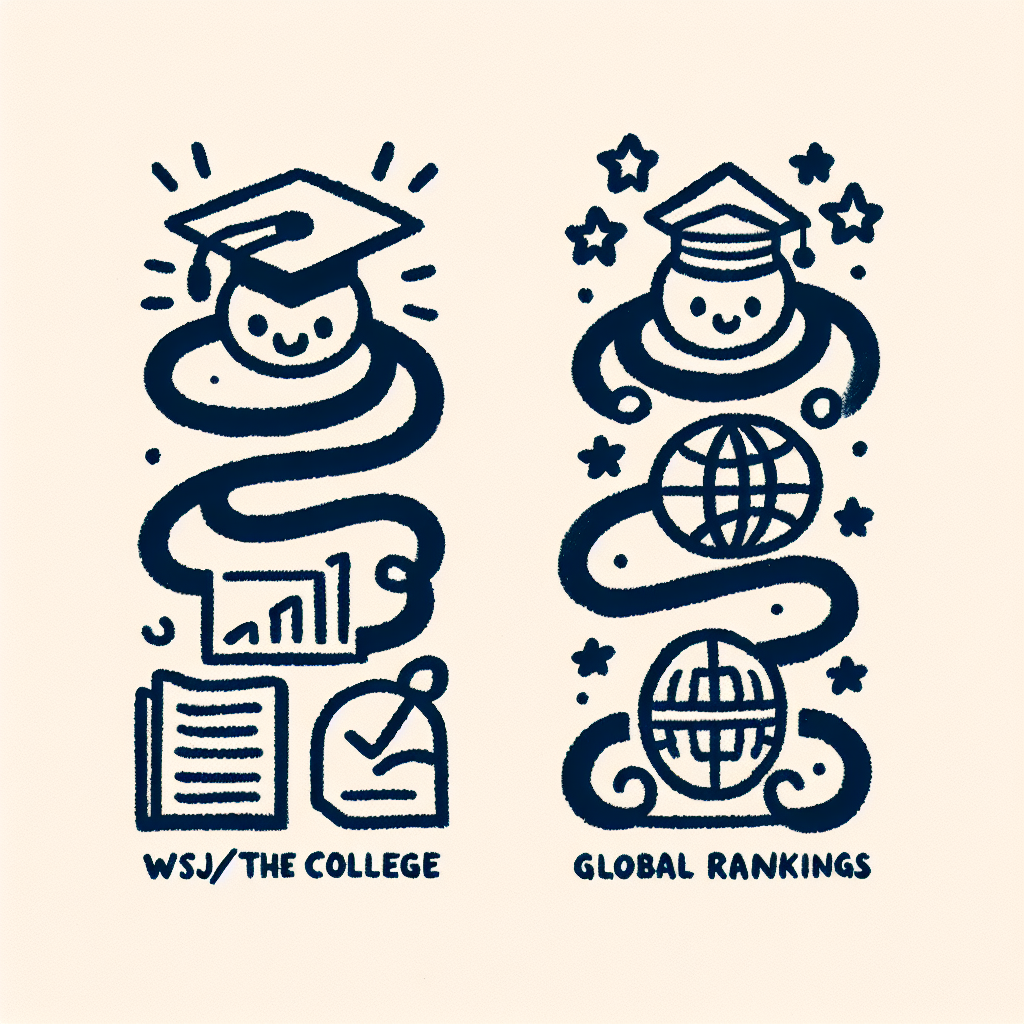
Understanding college rankings explained requires examining how different systems prioritize various aspects of institutional performance. Two notable rankings that often cause confusion due to their similar names are the Wall Street Journal/Times Higher Education (WSJ/THE) College Rankings and the Times Higher Education (THE) World University Rankings. Despite sharing a partnership, these rankings serve distinct purposes and audiences.
Similarities in Engagement and Outcomes Focus
Both the WSJ/THE and THE Global Rankings emphasize outcomes and student engagement in their methodologies. The WSJ/THE rankings highlight metrics such as graduation rates, student debt, and alumni salaries, reflecting a strong focus on the return on investment for undergraduate students. Similarly, the THE Global Rankings incorporate measures of teaching quality and learning environment, which relate to student experience and institutional effectiveness.
Differences in Geographic Scope and Research Emphasis
A key difference lies in their geographic and academic focuses. The WSJ/THE College Rankings are U.S.-centric, designed specifically for prospective undergraduate students evaluating American colleges and universities. In contrast, the THE Global Rankings evaluate universities worldwide, with a methodology that heavily weights research productivity, international collaboration, and citation impact. This global scope makes the THE rankings more relevant for graduate students and researchers seeking high-performing institutions on an international scale.
Tailoring to U.S. Undergraduate vs. International Institutional Performance
The WSJ/THE rankings cater to the needs of U.S. undergraduates by focusing on metrics like student satisfaction and post-graduation outcomes. Their methodology reflects what matters most to domestic students and families. On the other hand, the THE Global Rankings assess universities across diverse systems and contexts, aiming to compare institutions based on scholarly output and global reputation. This makes them better suited for comparing institutional performance across countries and for stakeholders interested in higher education at a macro level.
In summary, when considering college rankings explained, it's important to recognize that WSJ/THE and THE Global Rankings serve different audiences and use distinct methodologies, despite some overlapping criteria.
Implications of Rankings
For Students and Families
Understanding college rankings can help students and families identify potential schools, but it's important to interpret these lists wisely. Rankings often emphasize factors like selectivity, alumni giving, and graduation rates, which may not align with a student's individual needs or goals. Instead of relying solely on rankings, students should consider academic programs, campus culture, affordability, and personal fit. A high-ranking school may not always be the best choice if it doesn't align with a student's career aspirations or values.
For Colleges and Universities
Colleges often use rankings data to inform strategic decisions, aiming to improve metrics such as student retention, faculty resources, or reputation. However, the pursuit of higher rankings can lead institutions to prioritize optics over substance—for example, increasing selectivity by rejecting more applicants or focusing on wealthy students who are more likely to donate. This shift can conflict with an institution's mission to provide accessible, high-quality education. Colleges must weigh the benefits of climbing in rankings against the risk of compromising their core values.
For Policymakers and Employers
Policymakers may use rankings to benchmark educational quality and allocate funding, while employers might look at graduates from top-ranked schools as indicators of candidate potential. However, it's crucial to recognize that rankings reflect a narrow set of metrics and may not capture the full scope of an institution's effectiveness or a graduate's capabilities. Overreliance on rankings in policy or hiring decisions can reinforce inequality and overlook talent from less prominent institutions.

Evolving Trends in College Rankings
Recent years have seen significant shifts in how college rankings are compiled and interpreted, reflecting a broader movement toward more student-centered metrics. Traditional factors such as selectivity and endowment size are increasingly complemented—or even replaced—by measures that emphasize student outcomes and institutional impact.
One major trend is the inclusion of social mobility and equity indicators. Rankings are beginning to account for how well colleges serve students from low-income backgrounds, including metrics like Pell Grant recipient graduation rates and post-enrollment economic mobility. These elements aim to assess whether institutions are effectively leveling the playing field for underrepresented populations.
Post-graduation economic data has also become a focal point. Rankings now often incorporate metrics such as median earnings, employment rates, and student loan repayment success to evaluate a college’s return on investment. This shift helps prospective students better understand the long-term value of their education.
Additionally, there is a growing demand for transparency and accountability in ranking methodologies. Organizations have started to publish more detailed explanations of their data sources, weighting systems, and calculation processes. This move allows students, families, and educators to critically assess what each ranking truly measures and how it aligns with their priorities.
These evolving trends in college rankings underscore the importance of providing a more holistic and equitable picture of institutional quality—making the process of understanding college rankings explained more relevant to today’s higher education landscape.

Conclusion
College rankings explained in simple terms serve as a useful starting point, not a final decision-maker. While rankings can offer insights into academic reputation, graduation rates, and faculty resources, they should not be treated as the sole determining factor in selecting a college.
Understanding the methodology behind each ranking system is essential. Different rankings weigh factors differently—some may emphasize research output, while others prioritize student satisfaction or financial aid. Without knowing what metrics are being used, it’s easy to misinterpret what a school’s position truly represents.
Ultimately, rankings should be one component in a comprehensive college evaluation. Students and families should also consider personal fit, academic offerings, campus culture, location, and financial aid packages. By seeing rankings as a tool rather than a verdict, prospective students can make more informed and balanced decisions.

Appendix: Key Reference Links
For readers seeking deeper insight into how college rankings are developed, the following links provide direct access to key methodology documents from The Wall Street Journal/Times Higher Education (WSJ/THE) and Times Higher Education (THE). These references support the discussion in this article on how college rankings are explained.
- WSJ/THE 2022 Methodology
- WSJ/THE 2017 Methodology
- WSJ/THE 2019 Methodology
- THE World University Rankings 2023 Methodology
- THE World University Rankings 2022 Methodology

 SHARE ON FACEBOOK
 SHARE ON TWITTER