
Introduction
The landscape of U.S. college admissions is undergoing significant transformation, and understanding these shifts is essential for making informed decisions. As we look toward 2026, a combination of factors—including changing demographics, evolving admissions policies, and the increasing use of data analytics—is reshaping how colleges evaluate applicants.
For students and parents, being aware of these trends can make the difference between a well-prepared application strategy and a missed opportunity. Institutions, too, must adapt to these changes to remain competitive and equitable. Data-driven planning is more critical than ever, enabling all stakeholders to anticipate developments and respond proactively.
This article on college admissions predictions 2026 draws on enrollment projections, policy trends, and demographic data to provide a clear picture of what the admissions process may look like in the near future. By analyzing these elements together, we can better understand the direction college admissions are heading and how to prepare for the coming changes.

National Enrollment and Graduation Trends
Postsecondary Enrollment Forecasts
By 2026, total postsecondary enrollment in the United States is projected to reach 20.5 million students, representing a 3% increase from 2015 levels (NCES). This growth is attributed to a combination of demographic trends and initiatives aimed at increasing access to higher education. These factors are central to shaping college admissions predictions 2026, as institutions prepare for a modest but steady increase in student populations.
High School Graduate Projections
The number of high school graduates is expected to rise by 5% between the 2013–14 and 2026–27 academic years (NCES). This trend carries significant implications for the admissions pipeline, prompting colleges and universities to plan strategically for increased applicant pools. These projections play a key role in informing college admissions predictions 2026, especially as institutions align recruitment and capacity efforts with a growing base of prospective students.

Changing Application Patterns and Demographics
Recent data trends are shaping college admissions predictions 2026, with notable changes in how and where students are applying.
Surge in College Applications
The 2024–25 admissions cycle saw a 4% increase in total college applications, suggesting a broader interest in higher education across the U.S. This rise reflects both a post-pandemic rebound and the impact of more accessible application platforms (Inside Higher Ed).
Increase in Underrepresented Minority (URM) Applicants
Applications from underrepresented minority (URM) students surged by 12%, outpacing the 2% increase among non-URM groups. This growth is largely attributed to expanded outreach efforts, the continuation of test-optional policies, and enhanced college access initiatives. These changes are key influencers in shaping college admissions predictions 2026 (Inside Higher Ed).
Geographic and Socioeconomic Shifts in Applicant Pools
Institutions are seeing increased interest from students in traditionally underserved regions, as well as from lower-income backgrounds. These geographic and socioeconomic shifts in applicant demographics require colleges to reevaluate and adapt their recruitment strategies. As these patterns continue to evolve, they will significantly impact college admissions predictions 2026.

Innovations and Disruptions in the Admissions Process
Rise of Direct Admissions
One of the most notable trends influencing college admissions predictions 2026 is the growing adoption of direct admissions. This model allows students to receive college offers based on academic records without going through the traditional application process. California State University has been a leader in this shift, launching a direct admission initiative that resulted in a 9% enrollment increase in pilot areas (Inside Higher Ed). This approach reduces administrative barriers and simplifies access to higher education, particularly for underserved populations. As more universities consider similar models, direct admissions could significantly reshape how students engage with the college application process.
Test-Optional and Test-Blind Policies
Standardized testing has long been a cornerstone of college admissions, but recent years have seen a rapid shift toward test-optional and test-blind policies. These changes are expected to play a major role in college admissions predictions 2026. A growing number of institutions are de-emphasizing or eliminating standardized test scores in response to concerns about equity and the tests' predictive validity. This move has the potential to broaden access, increase student body diversity, and redefine how merit is assessed in the admissions process.
AI and Predictive Analytics in Enrollment Management
Artificial intelligence and predictive analytics are becoming integral tools in enrollment management. Colleges are using these technologies to forecast enrollment yield, tailor communication with prospective students, and predict academic success. As AI becomes more sophisticated, it allows institutions to make data-driven decisions that improve efficiency and outcomes. However, the use of algorithms raises ethical concerns, particularly regarding transparency and fairness. As these tools play a larger role in shaping college admissions predictions 2026, institutions will face increasing pressure to ensure that their use of AI aligns with principles of equity and accountability.

Student Experience and Mental Health in the Admissions Process
Rising Anxiety Among High School Seniors
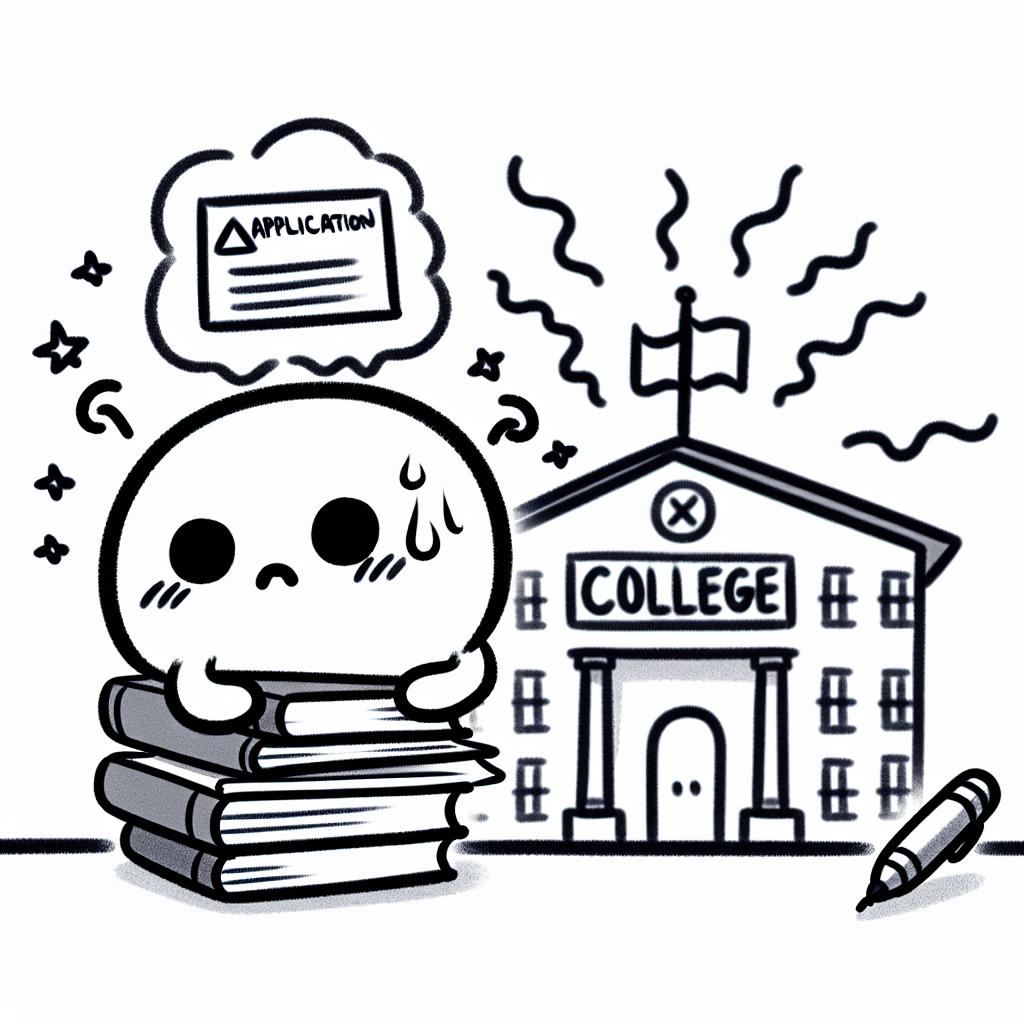
As college admissions predictions 2026 continue to evolve, student mental health remains a significant concern. A recent report found that 89% of high school seniors experience moderate to severe stress related to the admissions process (Inside Higher Ed). This anxiety is particularly pronounced among underserved populations, who often face additional challenges such as limited access to counseling resources and college preparation support. The competitive nature of college admissions and uncertainty surrounding acceptance rates contribute to heightened levels of anxiety across the board.
Institutional Responses to Student Stress
In response to these concerns, many colleges are adjusting their practices to better support student well-being. Institutions are investing more in mental health counseling, providing clearer communication about application expectations, and offering admissions education to demystify the process. Additionally, some schools are adopting holistic review practices, evaluating applicants beyond test scores and GPAs. These changes aim to reduce pressure and address inequities in the admissions system. As part of broader college admissions predictions 2026, these institutional shifts are expected to play a key role in shaping a more supportive and equitable environment for applicants.
Strategic Planning for Colleges and Universities
Resource Scaling and Infrastructure Planning
As the landscape of college admissions shifts, institutions must prepare for potential enrollment increases predicted in college admissions predictions 2026. This includes expanding student housing, hiring additional faculty to maintain favorable student-to-teacher ratios, and upgrading technological infrastructure to support hybrid and digital learning environments. Colleges and universities are investing in scalable solutions that can adapt to fluctuating enrollment trends, ensuring they can accommodate the anticipated rise in applicants and enrollees.
Financial Aid and Affordability
College admissions predictions 2026 indicate a growing number of applications from underrepresented minority (URM) and low-income students. This trend will likely increase the demand for need-based financial aid. Institutions are exploring strategies to expand access while maintaining financial sustainability, such as reallocating budget priorities, pursuing philanthropic funding, and redesigning aid packages. The goal is to ensure that affordability does not become a barrier for qualified students while preserving institutional solvency.
Competitive Landscape and Selectivity
With more students expected to apply, especially to selective institutions, admit rates are projected to decline further, intensifying competition. According to college admissions predictions 2026, this heightened selectivity may benefit mid-tier and regional colleges, which could see increased applicant volumes as students seek alternatives to elite schools. These institutions are strategically positioning themselves to capture this interest through targeted marketing, program enhancements, and improved student services.

Policy and System-Level Implications
Federal and State Roles in Admissions Reform
As college admissions predictions 2026 continue to evolve, both federal and state governments are expected to play a more active role in shaping equitable and transparent admissions processes. Key areas of focus include expanding data transparency, supporting affordability, and promoting direct admissions models.
Data transparency initiatives aim to ensure that students and families have clear, accessible information about college admissions criteria, financial aid options, and institutional outcomes. Improved transparency can help level the playing field, particularly for students from marginalized backgrounds.
Affordability remains a central concern. States are increasingly investing in tuition-free community college programs and expanding need-based financial aid. At the federal level, there is growing support for simplifying the FAFSA process and increasing Pell Grant funding to reduce financial barriers.
Direct admissions models, where students are proactively offered admission based on academic records without the need for a traditional application, are gaining traction. States like Idaho and Minnesota have piloted such programs, and more states are expected to adopt similar models by 2026 to streamline access and reduce application stress.
Equity-Focused Initiatives
To address longstanding disparities, equity-focused programs targeting first-generation, underrepresented minority (URM), and rural students are becoming more prominent in college admissions predictions 2026. These initiatives often involve partnerships between K-12 schools and higher education institutions to create clearer and more supportive pathways to college.
Programs such as early college high schools, dual enrollment opportunities, and college advising networks are designed to increase college readiness and enrollment among underserved populations. Additionally, states and districts are investing in training for school counselors to better support college-bound students from diverse backgrounds.
These systemic efforts underscore a shift toward aligning educational policy with equity goals, ensuring that all students—regardless of zip code or background—have the opportunity to access and succeed in postsecondary education.

Conclusion: What to Expect in 2026 and Beyond
As we look toward the future of college admissions predictions 2026, several key forces are set to reshape the landscape in lasting ways. Demographic shifts, including declining birth rates and changing student populations, will significantly influence how institutions attract and enroll students. Colleges will need to adjust strategies to remain accessible and sustainable amid these changes.
Equity remains a central concern. Ongoing efforts to reduce barriers for historically underrepresented groups will likely continue, with greater focus on holistic admissions and alternative pathways. The use of test-optional policies and expanded financial aid initiatives are part of a broader movement to level the playing field.
Innovation in technology and data analytics will also play a larger role. Institutions are expected to leverage AI, predictive modeling, and digital platforms to enhance decision-making and personalize outreach. These tools will support more transparent and responsive admissions processes.
In 2026, flexibility, transparency, and student well-being will be emphasized more than ever. Admissions models will need to accommodate diverse student needs and provide clear, consistent information to reduce stress and confusion. Mental health support and inclusive practices will become standard expectations.
Overall, 2026 marks a pivotal year in the evolution of college admissions. The convergence of demographic changes, equity efforts, and technological innovation will redefine how students and institutions navigate the admissions journey.

 SHARE ON FACEBOOK
 SHARE ON TWITTER