Introduction
The landscape of college admissions in the United States is undergoing significant changes. As we look ahead to college acceptance trends 2026, it's clear that a range of social, demographic, and institutional factors are reshaping how students apply to and are admitted by colleges and universities. Increased application numbers, shifts in test-optional policies, and evolving institutional priorities are just a few of the dynamics influencing this transformation.
Understanding these trends is essential for students preparing their applications, families planning for the future, educators guiding decision-making, and policymakers shaping the broader educational framework. Being aware of how college acceptance trends 2026 are developing can help all stakeholders make informed, strategic decisions.
This article draws on key data sources, including the National Association for College Admission Counseling (NACAC), the College Board, and the National Center for Education Statistics (NCES), to analyze and interpret the most critical developments in the admissions process. These sources provide reliable insights into application patterns, enrollment figures, and institutional responses that define the current and future state of college admissions.

The Current State of College Admission
College acceptance trends 2026 are shaped by several ongoing shifts in the admissions landscape. One of the most noticeable is the overall acceptance rate for four-year institutions. According to the State of College Admission Report by NACAC, four-year not-for-profit colleges accepted 73% of applications in fall 2022. This figure suggests that, on average, many colleges remain accessible to a broad range of students.
However, this national average masks significant variation. Highly selective institutions continue to see much lower acceptance rates, often in the single digits, compared to less selective schools. This disparity underscores a key dimension of college acceptance trends 2026—while many institutions maintain open doors, elite universities have become more competitive.
One driver of this increased competition is the widespread adoption of test-optional policies. With fewer standardized testing requirements, more students apply to top-tier schools, inflating application numbers and making it harder to gain admission. As a result, even as the national acceptance rate remains relatively high, the perception and reality of selectivity at prestigious colleges continue to intensify.
📈 Application and Enrollment Dynamics
Surge in Applications and Offers
Recent data from the Admissions Research Consortium Analysis by the College Board indicate a notable upswing in college application and acceptance activity. Between Fall 2020 and Fall 2021, there was a broad increase in applications, offers of admission, and enrollments across nearly all student subgroups. This rise highlights the ongoing recovery from pandemic-related disruptions and reflects expanded outreach and recruitment strategies by colleges. These shifts are central to understanding college acceptance trends 2026, as institutions adapt to new patterns in student engagement and expectations.
Enrollment Rebound Post-COVID
The Trends in College Pricing Highlights by College Board report that total postsecondary enrollment rose by 455,000 students—a 2% increase—from fall 2022 to fall 2023. This marks the first significant rebound after three consecutive years of enrollment decline, bringing total enrollment to 18.9 million students. This trend is a key indicator within college acceptance trends 2026, signaling renewed interest in higher education as pandemic uncertainties ease.
Demographic and Subgroup Shifts
Colleges are seeing increased participation from underrepresented minority groups and first-generation college students, a result of intentional strategic efforts to diversify incoming classes. These demographic shifts are influencing college acceptance trends 2026, as institutions focus on inclusivity and equitable access to higher education opportunities.

🧮 Financial Factors Influencing Decisions
Tuition & Fees Trends
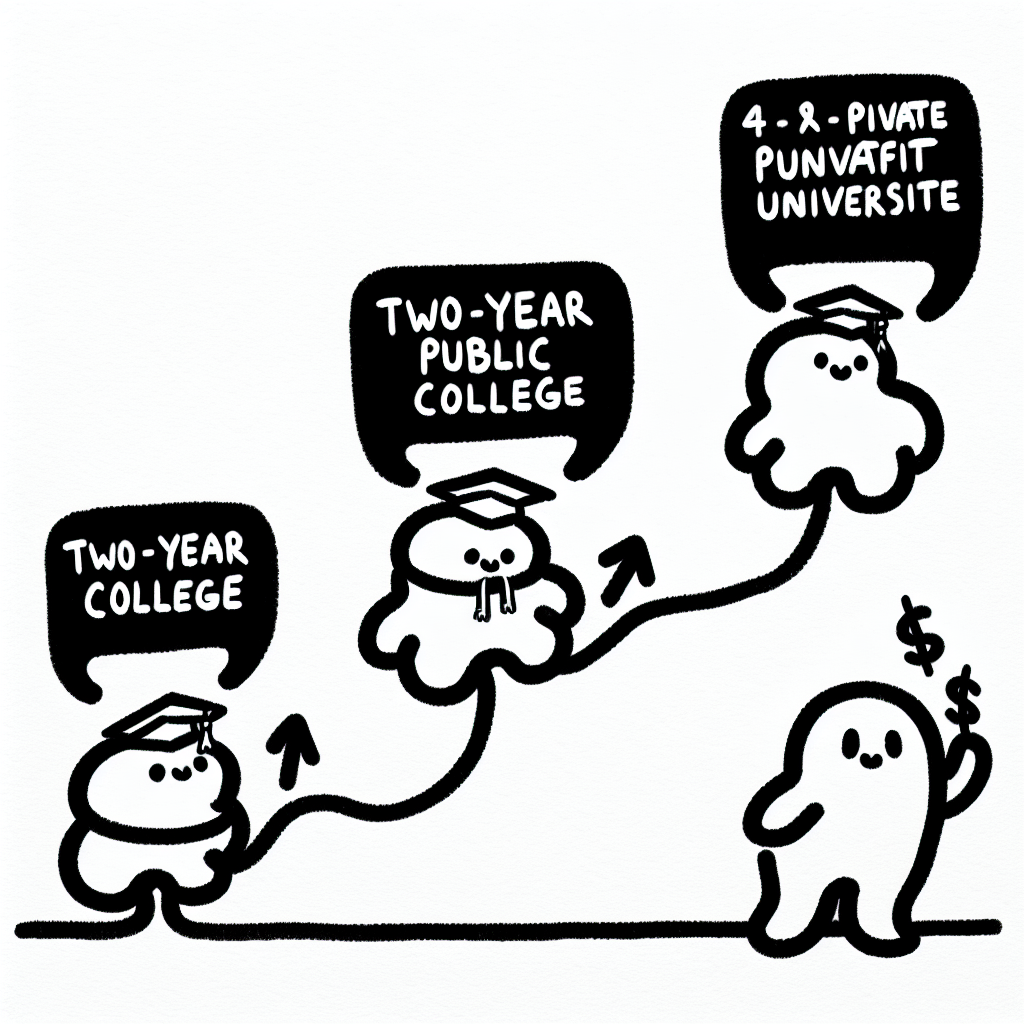
According to the College Board's Trends in College Pricing and Student Aid 2025, college costs continued to rise for the 2025–26 academic year. Published tuition and fees increased by 2.7% at public two-year colleges for in-district students, 2.9% at public four-year colleges for in-state students, and 4.0% at private nonprofit four-year institutions. These figures reflect nominal increases and do not account for inflation, meaning the real cost to students may be even higher.
Impact on Application Behavior
As tuition and fees continue to climb, financial considerations are playing a larger role in shaping college acceptance trends 2026. Students and families are increasingly opting for more affordable options, such as in-state public universities and community colleges. This shift is also accompanied by a growing dependence on financial aid, merit-based scholarships, and need-based grants. Additionally, more students are exploring alternative education pathways like taking gap years, enrolling in online programs, or pursuing hybrid learning models to manage costs while still advancing their education goals.
Long-Term Projections to 2026 and Beyond
Enrollment Forecasts
Looking ahead, college acceptance trends 2026 will be significantly influenced by projections in postsecondary enrollment and institutional capacity. According to the NCES Projections of Education Statistics to 2026, the number of students enrolling in postsecondary institutions is expected to continue rising steadily. This growth is accompanied by an anticipated increase in the number of graduates and faculty, suggesting institutions will expand not only in size but also in academic output and staffing. Additionally, educational expenditures are projected to rise, potentially affecting tuition rates, financial aid availability, and the overall affordability of higher education.
High School Graduate Pipeline
The high school graduate pipeline will play a crucial role in shaping college acceptance trends 2026. While a general increase in high school graduates is expected, regional variations may lead to uneven applicant pools across the country. Some areas may see robust growth in high school graduates, strengthening local education pipelines, while others may experience stagnation or decline, impacting the volume and diversity of college applications from those regions. These demographic shifts will likely prompt colleges to adjust their recruitment strategies to maintain enrollment targets and diversify their student bodies.
📊 Key Influences Shaping 2026 Trends
Policy and Testing Developments
College acceptance trends 2026 are being significantly shaped by evolving policies and standardized testing practices. The rise of test-optional and test-blind admissions policies continues to impact application strategies, with many institutions maintaining or expanding these models post-pandemic. These shifts have led to broader applicant pools and raised questions about how merit is evaluated beyond standardized scores.
Changes in financial aid policy, particularly the redesigned FAFSA process, are also playing a key role. The simplified FAFSA aims to streamline aid eligibility, but the transition has introduced confusion and delays for some applicants, potentially influencing application timing and college choices.
In addition, recent Supreme Court rulings restricting the use of race in admissions have forced colleges to reassess affirmative action policies. Institutions are now exploring alternative methods to maintain diversity, such as increased focus on socioeconomic status or geographic representation.
Technological and Institutional Innovations
Technological advancements are reshaping how colleges operate and engage with prospective students. The growth of hybrid and online learning modalities has expanded access and flexibility, making non-traditional pathways more viable. Meanwhile, admissions offices are increasingly using AI and predictive analytics to identify student fit and forecast enrollment behavior. These tools influence how outreach is personalized and how decisions are made.
Student Decision Factors
College acceptance trends 2026 are also being driven by shifting student priorities. Return on investment (ROI) is a top concern, with students closely examining career outcomes and post-graduation earnings. Institutions that demonstrate strong job placement rates and affiliations with high-demand industries have a competitive edge.
Mental health support, campus safety, and comprehensive student services are now front-of-mind for applicants. The lingering effects of the pandemic have increased awareness of these factors in the college decision-making process.
Additionally, preferences for flexible learning options and geographic location continue to influence choices. Students are weighing proximity to home, cost of living, and the availability of remote learning options when selecting where to apply and enroll.
Strategic Takeaways for Students and Families
Application Tips
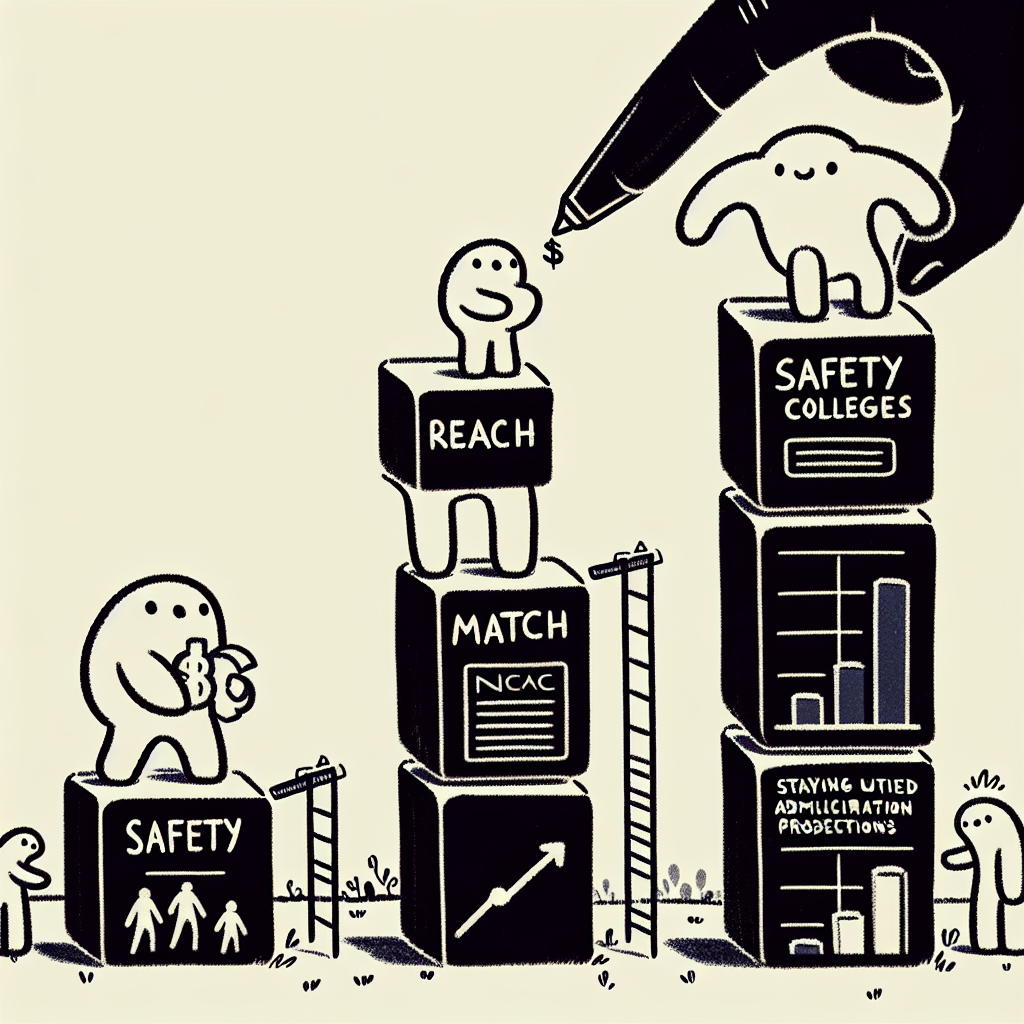
In response to changing college acceptance trends 2026, students should apply broadly and strategically. This means considering a wide range of institutions that are a good academic and financial fit. Applying to a mix of reach, match, and safety schools can increase the likelihood of acceptance. Additionally, understanding each college's institutional priorities—such as increasing diversity, boosting enrollment in specific programs, or enhancing geographic representation—can help applicants tailor their materials to align with mission statements.
Financial Planning
Financial preparation is key in navigating the college acceptance trends 2026. Begin early by completing the FAFSA as soon as it opens and researching scholarship opportunities. Families should explore all available forms of aid, including federal grants, state programs, institutional scholarships, and private funding sources. Early financial planning allows for more informed decisions and reduces the risk of unexpected costs down the line.
Resources for Further Exploration
To stay informed about the evolving college acceptance landscape, consult the following resources:
- NACAC Reports: Offers insights into national trends in college admissions.
- College Board Trends and Data: Provides data on tuition pricing and student aid.
- NCES Enrollment Projections: Features projections that help contextualize future enrollment pressures and opportunities.
Conclusion
The Class of 2026 is navigating an increasingly complex admissions environment. With shifting college acceptance trends 2026, students face heightened competition, changing standardized testing policies, and evolving institutional priorities.
Despite these challenges, opportunities remain abundant for those who engage in thoughtful planning. A strategic approach to selecting schools, preparing strong applications, and taking advantage of available resources can significantly enhance outcomes.
To stay ahead, students and families must continue to monitor college acceptance trends 2026, including updates to financial aid policies, changes in application platforms, and fluctuations in acceptance rates. Staying informed and adaptable is key to achieving success in the college admissions journey.

 SHARE ON FACEBOOK
 SHARE ON TWITTER