
Introduction
Defining Academic Rigor
Building academic rigor involves establishing clear, high expectations for student learning that promote deep understanding, critical thinking, and the ability to apply knowledge in meaningful ways. Academic rigor varies across learning environments but consistently centers on the quality of thinking required rather than the quantity of tasks assigned. It is important to debunk common misconceptions: academic rigor is not synonymous with heavy workloads, arbitrary difficulty, or rigid instructional methods. True rigor challenges students intellectually while remaining accessible and supportive.
Why Academic Rigor Matters
Academic rigor is essential to preparing students for the complexities of real-world problem-solving and for sustaining lifelong learning. It cultivates resilience, analytical reasoning, and adaptability—skills that are critical across disciplines and careers. Moreover, building academic rigor supports educational equity by maintaining high expectations for all learners, regardless of background, and providing the necessary supports to help them meet those expectations.
Purpose of This Guide
This guide aims to offer a holistic framework for building academic rigor across instructional design, assessment practices, and pedagogical strategies. It integrates diverse insights from educational research and practical classroom experience to help educators create learning environments where rigor is purposeful, inclusive, and achievable for every student.

Foundations of Academic Rigor
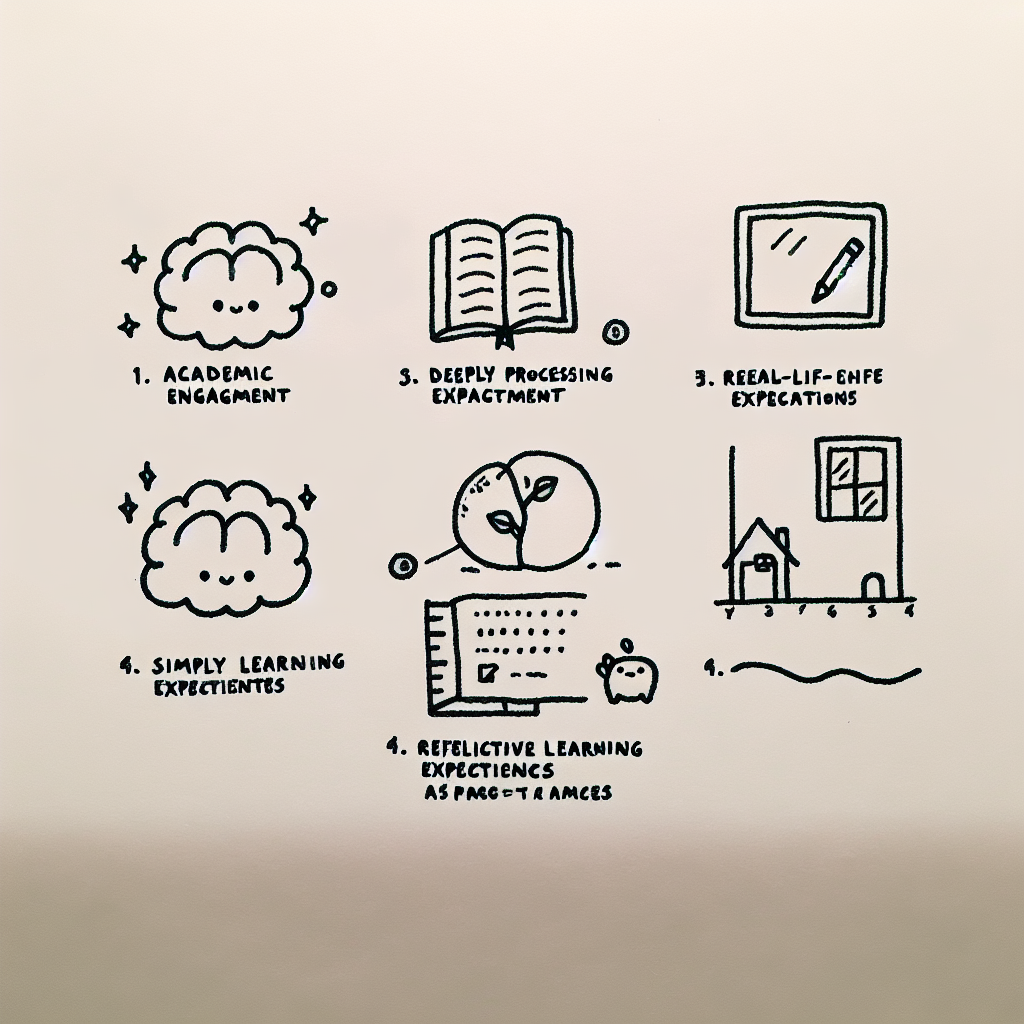
Building academic rigor begins with a clear understanding of its foundational dimensions. These core components help shape rigorous learning environments that challenge students intellectually and support deep, meaningful learning.
Cognitive Engagement
Cognitive engagement involves more than surface-level participation. It demands that students actively process information through deep thinking, critical analysis, and synthesis of ideas. This dimension of academic rigor encourages learners to question assumptions, evaluate evidence, and construct well-reasoned arguments.
Authentic Relevance
Academic rigor is strengthened when students perceive content as meaningful and applicable to real-world contexts. Authentic relevance connects learning to students' lives, communities, or future careers, enhancing motivation and understanding. Research underscores the importance of this connection in fostering rigorous learning environments (Impacting Education).
Standards and Expectations
Clear performance standards and learning targets are essential for building academic rigor. Students must understand what is expected of them and how their work will be evaluated. This clarity promotes accountability and helps learners take ownership of their academic progress.
Reflective Learning
Reflective learning supports academic rigor by encouraging metacognition and self-regulation. Through reflection, students assess their thinking processes, recognize strengths and weaknesses, and make informed adjustments to their learning strategies. This ongoing self-evaluation fosters deeper and more independent learning.
Designing Rigorous Learning Experiences
Aligning Learning Objectives, Activities, and Assessments
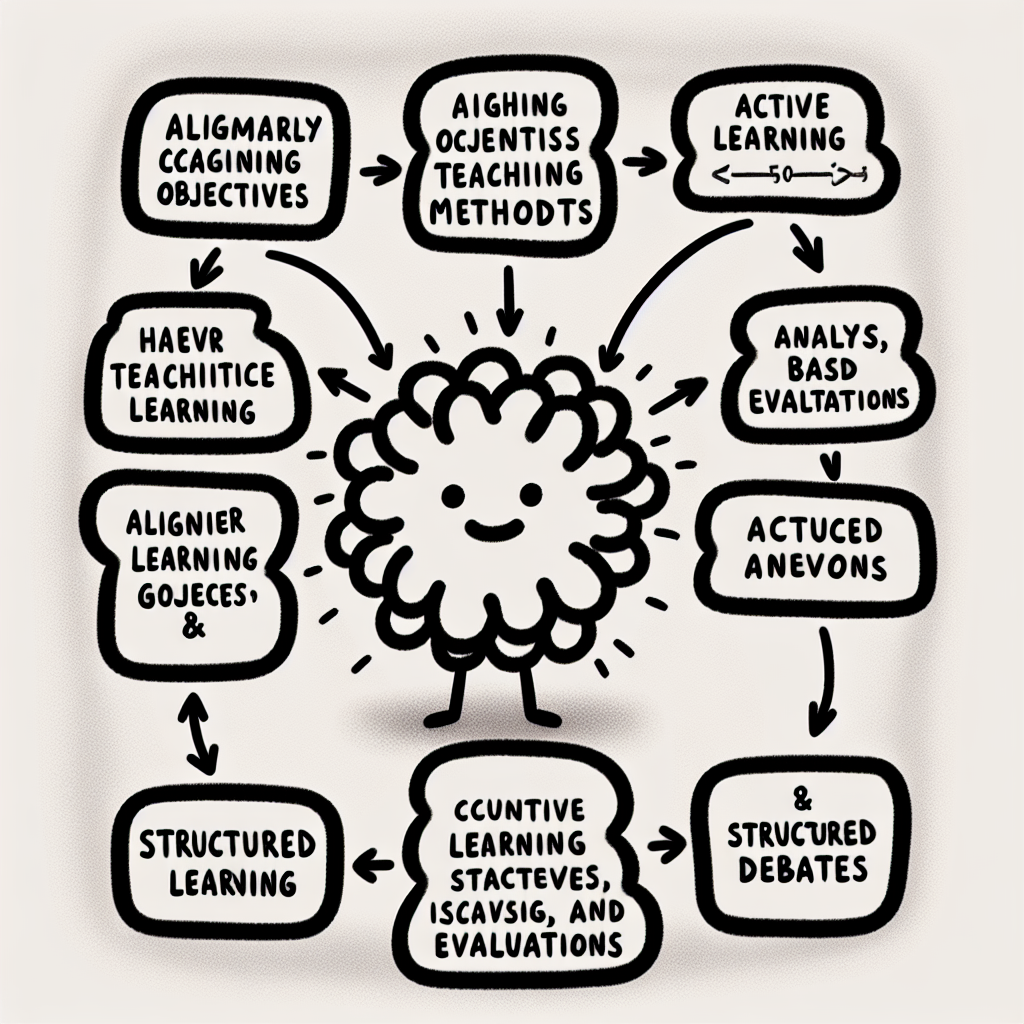
Effective strategies for building academic rigor begin with deliberate alignment among learning objectives, instructional activities, and assessments. Backward design principles provide a practical framework: educators start by defining clear, measurable learning goals. These objectives guide the selection of activities and assessments, ensuring that all components of the course directly support the intended outcomes (University of Florida CITT). This approach helps maintain academic rigor by focusing on what students need to understand and be able to do by the end of the course, and designing the learning experience to meet those expectations.
Embedding Higher-Order Thinking
Incorporating Bloom’s Taxonomy into course design elevates the level of cognitive engagement. Rather than stopping at basic recall and comprehension, rigorous learning experiences emphasize higher-order skills such as analysis, evaluation, and creation. These levels of thinking push students to engage more deeply with content, fostering critical and independent thought essential to building academic rigor.
Active learning strategies further support this goal. Methods such as case-based learning, structured debates, and inquiry-driven tasks encourage students to apply concepts in complex, real-world scenarios. These strategies not only support deeper understanding but also make learning more engaging and reflective of authentic academic challenges.
Deep Learning and Student Engagement
Designing Cognitively Complex Assignments
A key strategy for building academic rigor is designing assignments that require deep cognitive engagement. This involves scaffolding complexity by gradually increasing task difficulty to help students build mastery over time. Early tasks can focus on foundational skills, while later assignments challenge students to apply, analyze, and evaluate information in more sophisticated ways.
Integrating real-world contexts further enhances deep learning. Problem-based learning and interdisciplinary projects allow students to apply theoretical knowledge to authentic scenarios, increasing relevance and motivation. According to a study from the University of Pittsburgh, such approaches foster a deeper understanding by encouraging students to draw connections across disciplines and consider multiple perspectives.
Encouraging Reflection and Self-Assessment
To support sustained engagement, students must be encouraged to reflect on their learning processes. Tools like journals and portfolios promote metacognition by helping learners track their progress, articulate their thought processes, and recognize areas for improvement. These reflective practices support personal growth and a deeper investment in learning.
Peer review and collaborative feedback also contribute to building academic rigor by fostering critical discourse. When students evaluate each other’s work, they engage in analytical thinking and learn to justify their decisions. This collaborative interaction not only enhances individual understanding but also builds a community of learners committed to rigorous academic inquiry.
Assessment Practices That Promote Rigor
Authentic and Meaningful Evaluation
Building academic rigor requires assessments that go beyond rote memorization. Performance-based assessments such as simulations, presentations, and real-world problem solving challenge students to apply their knowledge in practical contexts. These types of evaluations cultivate higher-order thinking skills and mirror the complexity of real-life scenarios.
To support these assessments, rubrics for transparency are essential. Clearly defined expectations and success criteria help students understand what is required, reduce ambiguity, and maintain consistency in evaluation. Rubrics serve as both a roadmap for learners and a tool for educators to ensure fairness and rigor in grading.
Formative and Summative Balance
Promoting academic rigor also involves a balanced approach between formative and summative assessments. Ongoing feedback loops—through frequent, low-stakes assessments—give students timely insights into their progress and allow instructors to adjust instruction accordingly. This continuous feedback fosters a growth mindset and deeper learning (University of Florida CITT).
Meanwhile, high-stakes with purpose assessments, such as capstone projects or final exams, should be directly aligned with course learning outcomes. These summative evaluations validate the cumulative knowledge and skills developed over time, reinforcing the foundations of building academic rigor.

Instructional Approaches to Support Rigor
Differentiated Instruction Within Rigor
Building academic rigor requires instructional strategies that recognize and support the diversity of learners in the classroom. Differentiated instruction allows educators to meet students where they are, offering tailored learning experiences without compromising high expectations. This approach emphasizes that supporting students does not mean lowering the bar, but rather providing varied pathways to help all students engage meaningfully with challenging content. According to Kenneth Vaughn, effective differentiation involves thoughtful scaffolding and the use of multiple modalities to ensure equitable access to rigorous learning experiences (University of Georgia – Kenneth Vaughn).
Balancing Challenge and Flexibility
A key component of building academic rigor is maintaining high standards while also being responsive to students' individual needs. Compassionate pedagogy recognizes the importance of empathy in teaching, ensuring that rigor is not perceived as inflexibility. Instead, it involves understanding students' emotional and personal contexts and adjusting instructional approaches to support their success without sacrificing academic challenge. Research presented at the ALISE Annual Conference highlights how educators can apply compassionate strategies to foster persistence and engagement in rigorous academic environments (ALISE Annual Conference).
Cultural and contextual responsiveness is also vital in building academic rigor. This involves aligning instructional practices with students’ backgrounds, experiences, and community contexts. By doing so, educators create learning environments where rigor is relevant, meaningful, and accessible. This approach ensures that academic challenge does not exist in isolation but is integrated thoughtfully within the lived realities of learners.

Rigor in Online and Professional Programs
Ensuring Rigor in Digital Learning Environments
Building academic rigor in online and professional programs requires intentional design that goes beyond content delivery. Interactive and engaging content plays a crucial role. Incorporating multimedia elements such as video lectures, simulations, and infographics supports different learning styles and keeps learners engaged. Asynchronous discussions and collaborative tools like shared documents and peer-review platforms foster reflective dialogue and critical thinking, essential components of academic rigor.
Maintaining standards remotely involves clear expectations, timely feedback, and consistent assessment methods. Faculty must adopt strategies that support rigorous learning outcomes, such as using rubrics for transparency, incorporating formative assessments, and providing structured opportunities for revision. According to Impacting Education, rigorous online learning environments are those where students are held to high standards through continuous engagement, application-based tasks, and meaningful feedback loops.
Practitioner-Relevant Rigor
In professional programs, building academic rigor also means ensuring relevance to real-world practice. Aligning theory and practice prepares scholarly practitioners to apply academic concepts to complex professional challenges. Curricula are often structured around case studies, problem-based learning, and situational analysis to bridge academic learning with practical application.
Capstone and applied research projects further promote academic rigor by requiring students to engage in sustained inquiry. These projects demand depth of analysis, critical evaluation of evidence, and synthesis of knowledge to address real problems in professional settings. When well-designed, they serve as culminating experiences that validate both intellectual rigor and practical competence.

Creating a Culture of Academic Rigor
Leadership and Institutional Support
Building academic rigor requires strong leadership and institutional support. One key component is professional development for faculty. This includes targeted training on rigorous instructional design and assessment practices, helping educators create challenging yet supportive learning environments. Workshops and ongoing development sessions can equip instructors with strategies for designing high-level coursework, aligning assessments with learning outcomes, and maintaining consistent academic standards.
Equally important are institutional policies that encourage high standards. Universities and colleges can promote academic excellence by embedding rigor into their strategic goals and rewarding faculty who demonstrate innovative, high-quality teaching. This might include recognition programs, promotion criteria that value pedagogical effectiveness, and funding opportunities for course redesigns that enhance academic challenge.
Student Buy-In and Ownership
Fostering a culture of academic rigor also depends on student engagement. Transparent communication of expectations is essential. Clear syllabi, detailed rubrics, and regular goal-setting discussions help students understand what is required of them and how they can succeed. When expectations are explicit, students are more likely to take ownership of their learning.
Additionally, promoting a growth mindset and resilience supports students in meeting high academic standards. Encouraging persistence and reinforcing the idea that intelligence can be developed through effort helps students navigate challenges. Faculty can model this mindset and provide constructive feedback that emphasizes progress and learning over performance alone. These practices contribute to a supportive culture where academic rigor is both expected and attainable.

Conclusion
Building academic rigor is essential for fostering meaningful learning experiences and promoting student success. Educators can achieve this by implementing best practices such as intentional course design, authentic assessment methods, and opportunities for reflective learning. These strategies ensure that academic tasks are both challenging and relevant, encouraging deeper understanding and skill development.
The impact of academic rigor extends beyond the classroom. When applied effectively, it elevates student performance, boosts engagement, and promotes greater equity by setting high expectations for all learners. Academic rigor helps close achievement gaps and prepares students for the complexities of the real world.
To sustain this progress, institutions and educators must commit to fostering a community of inquiry, challenge, and support. By collaborating across disciplines and roles, stakeholders can maintain high standards while providing the necessary scaffolding for all students to thrive. Building academic rigor is not just about raising the bar—it’s about ensuring every student has the tools and opportunities to reach it.
 SHARE ON FACEBOOK
 SHARE ON TWITTER