Introduction
Choosing the right college is especially important for first-year students, who often face academic, social, and emotional challenges as they transition from high school to higher education. A supportive environment can make a significant difference in helping students adjust, thrive, and stay on track toward graduation.
This guide identifies the best colleges for first-year students by evaluating institutions based on several key criteria. These include retention and graduation rates, quality of academic advising, availability of first-year seminars and learning communities, campus resources, and student satisfaction. We also consider how well colleges support diverse student populations and foster a sense of belonging during the critical first year.
To provide a comprehensive view, this guide integrates data from national education databases, student outcome reports, and insights into institutional practices that enhance first-year success. By focusing on evidence-based strategies and real-world performance, we aim to highlight the best colleges for first-year students who are seeking a strong start to their college journey.

Admissions Landscape
Understanding Admissions Policies
When evaluating the best colleges for first year students, it's essential to understand the admissions policies that shape the student body and campus environment. Broadly, institutions fall into two categories: open admissions and selective admissions.
According to the National Center for Education Statistics (NCES), during the 2021–22 academic year, 25% of four-year institutions had open admissions policies, which generally allow any student with a high school diploma or equivalent to enroll (NCES). These policies often increase access and promote diversity by reducing academic barriers to entry. However, they may also result in varying levels of academic preparedness among the student body, which can influence the support services institutions must provide to ensure first-year student success.
In contrast, only about 10% of institutions accepted fewer than half of their applicants in the same period (NCES). These selective colleges often offer more comprehensive resources, smaller class sizes, and robust academic programs. For first-year students, this can translate into strong academic engagement and access to mentorship, but it can also lead to higher levels of competition and stress.
Application Trends and Acceptance Rates
The admissions landscape continues to evolve, reflecting broader trends in student behavior and institutional strategy. In Fall 2022, first-time students submitted approximately 13.1 million applications, with an average acceptance rate of 59% across institutions (NCES). This high application volume suggests increased interest in higher education, but also intensifies competition at selective colleges.
For students evaluating the best colleges for first year students, understanding these trends is critical. A rising number of applications can signal greater institutional visibility but may also reduce yield rates—the percentage of admitted students who enroll. Colleges may respond by adjusting their acceptance strategies, which can impact first-year class composition and resource allocation.
Overall, navigating the admissions landscape requires a clear understanding of how policy types and application trends influence accessibility, diversity, and the overall first-year experience.

Financial Aid and Affordability
Student Financial Support Overview
For students evaluating the best colleges for first year students, understanding financial aid availability is critical. According to the National Center for Education Statistics (NCES), 57.9% of undergraduates received some form of financial aid. Of these, 48.1% received grants—funds that do not need to be repaid—while 33.6% took on student loans. These figures highlight how financial assistance plays a key role in making college accessible to first-year students.
Types of Aid Available
Financial aid comes in several forms: federal, state, institutional, and private. Federal aid includes Pell Grants and subsidized loans, while states may offer scholarships to in-state residents. Colleges themselves often provide institutional aid, which may be either merit-based or need-based. Private scholarships from organizations and foundations also contribute to reducing the cost burden.
Need-based aid considers a family’s financial situation, while merit-based aid rewards academic or extracurricular achievements. Additionally, work-study programs offer part-time employment opportunities, allowing students to earn money and gain work experience. For first-year students, such programs can ease financial stress and foster integration into campus life.
Net Price and Affordability Challenges
When assessing the best colleges for first year students, it’s essential to look beyond the published tuition rates. The net price—the actual cost after subtracting grants and scholarships—is a more accurate reflection of affordability. Many colleges offer net price calculators on their websites to help families estimate their real financial commitment.
First-year students often face challenges in understanding and managing these costs. Financial literacy programs and one-on-one advising can support them in making informed decisions about borrowing and budgeting. Colleges that provide robust financial support services tend to better equip first-year students for long-term success.

Academic and Instructional Support
Orientation and First-Year Experience Programs
The best colleges for first year students design comprehensive orientation and first-year experience programs to help new students transition smoothly into college life. These programs often include first-year seminars that introduce students to academic expectations and college-level thinking. Learning communities group students by shared interests or academic goals, fostering both academic engagement and social support. Bridge programs, typically held during the summer before the first semester, provide foundational academic preparation and acclimate students to campus resources.
Faculty advising and mentoring are also essential elements. At top colleges, faculty advisors work closely with first-year students to help them select courses, navigate academic challenges, and plan for future success. Mentoring relationships provide students with guidance, encouragement, and a deeper connection to the academic community.
Academic Success Resources
To support academic achievement, the best colleges for first year students offer a range of success resources. Tutoring centers and writing labs provide individualized support to help students master course material and improve their writing skills. Peer mentoring programs connect new students with upperclassmen who offer advice based on their own experiences.
Early alert systems are used to identify students who may be struggling academically. These systems allow faculty and staff to intervene quickly, offering targeted support such as academic coaching, workshops, or referrals to tutoring services. This proactive approach helps students stay on track during their critical first year.
Distance Education and Flexible Learning Options
Flexible learning options are increasingly important for first-year students, particularly for those balancing academic, work, or family responsibilities. According to the National Center for Education Statistics (NCES), 79% of colleges offered distance education in the 2018–19 academic year.
The best colleges for first year students incorporate online and hybrid courses to increase access and flexibility. These formats allow students to engage with course content at their own pace and reduce scheduling conflicts, which can be especially helpful during the transition to college-level workloads. Online platforms also often include interactive tools and forums that enhance learning and foster community among first-year students.
Campus Life and Student Engagement
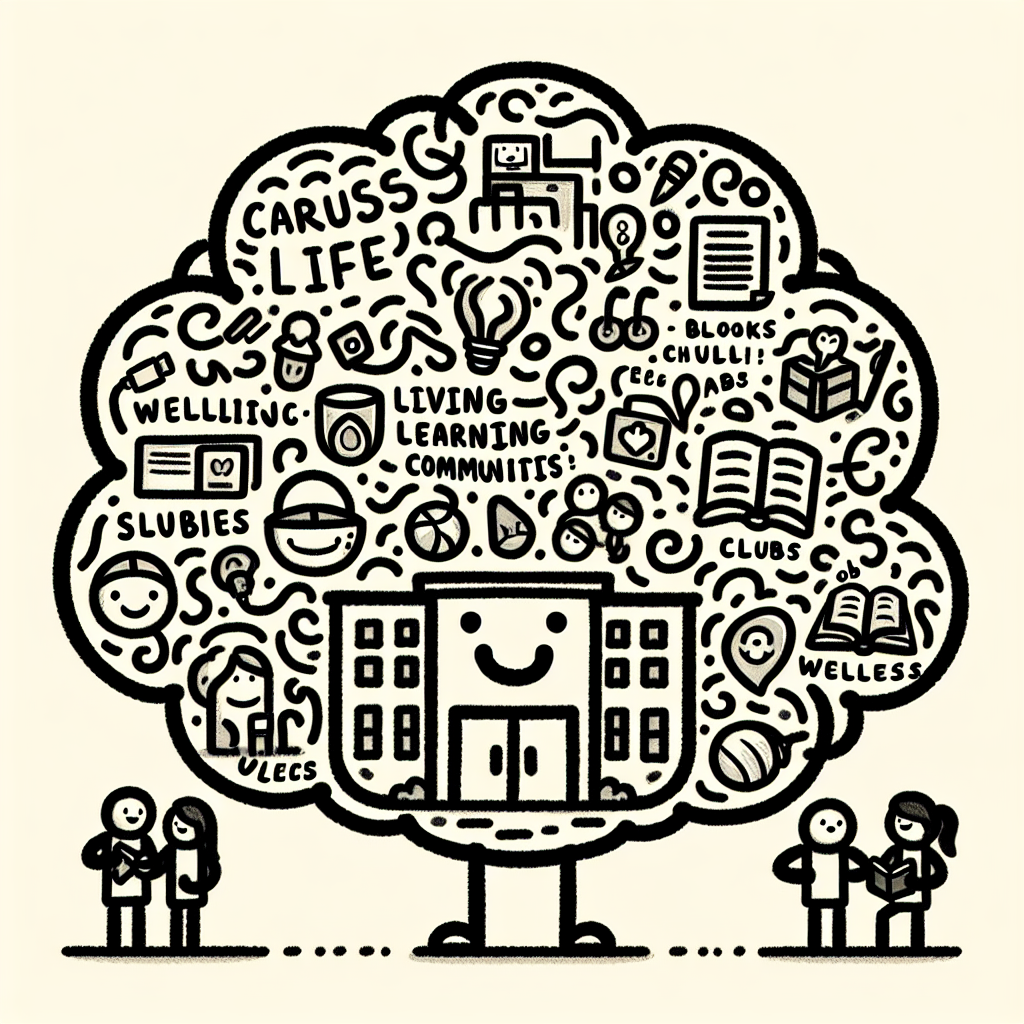
A strong campus life is a key factor in identifying the best colleges for first year students. Institutions that offer a supportive and engaging environment help students transition smoothly into college life, build community, and access essential resources.
Residential Life and Living-Learning Communities
On-campus housing plays a pivotal role in student retention and satisfaction, especially for first-year students. Colleges that prioritize residential life provide a built-in support system where students can form friendships, connect with mentors, and access academic resources. Living-learning communities—where students with shared academic interests or goals live together—are particularly effective in fostering a sense of belonging and academic motivation. Themed housing based on interests such as sustainability, entrepreneurship, or global studies can further deepen engagement and help students find their niche early in college.
Clubs, Organizations, and Social Integration
Participation in campus organizations offers first-year students a vital way to integrate socially and find their place within the college community. The best colleges for first year students provide a broad range of opportunities including student government, cultural clubs, service organizations, and interest-based groups. These co-curricular activities enhance students' college experience by developing leadership skills, promoting inclusivity, and offering support networks. Research shows that students who are actively engaged outside the classroom tend to adjust better academically and socially during their first year.
Health, Wellness, and Counseling Services
Emotional well-being is essential for student success, making access to health and counseling services a critical component of the first-year experience. Top institutions ensure that students have easy access to mental health counseling, stress management workshops, and wellness programs. Many colleges also offer peer support initiatives and online mental health platforms to increase accessibility. By proactively addressing emotional and psychological needs, these colleges create environments where first-year students can thrive both personally and academically.
Retention and Graduation Outcomes
Measuring Student Success
When evaluating the best colleges for first year students, it's essential to look beyond traditional graduation metrics. The Outcome Measures survey from the National Center for Education Statistics (NCES) expands the lens by including part-time, first-time, and non-traditional students in its data collection. This broader approach offers a more comprehensive view of student success, particularly relevant for institutions that serve diverse populations (NCES).
Graduation Rates and Institutional Effectiveness
Graduation rates are a key indicator of a college's effectiveness. High-performing institutions often report strong 4-year, 5-year, and 6-year graduation rates. These figures reflect not only academic rigor but also the strength of student support systems. Colleges that provide robust advising, tutoring, and mental health services tend to see improved graduation outcomes. For first year students, especially, these resources can make a significant difference in long-term academic success.
First-Year Retention Rates
First-year retention rates are a critical metric when identifying the best colleges for first year students. A high retention rate suggests that students feel supported academically and socially during their transition to college life. Institutions employ various strategies to improve retention, such as early-alert systems, first-year experience programs, and peer mentoring. Monitoring these rates helps colleges adapt their support services to better meet student needs, ultimately fostering a more successful college experience.

Institutional Characteristics That Matter
Size and Type of Institution
When evaluating the best colleges for first year students, the size and type of institution can significantly impact the student experience. Small liberal arts colleges often offer low student-to-faculty ratios, fostering close relationships and personalized attention. These environments can be ideal for students seeking a tight-knit community and a broad-based education.
Regional universities typically blend teaching and research, providing a balanced experience with moderate class sizes. In contrast, large research institutions often offer extensive resources, diverse academic programs, and cutting-edge facilities. However, first-year students at large universities may face challenges in navigating large classes and complex campus systems.
Public colleges usually offer lower tuition rates for in-state students and may have more diverse student bodies due to their size and mission. Private colleges, while often more expensive, may provide more financial aid and smaller class sizes, enhancing student support.
Diversity and Inclusion
Diversity and inclusion are essential components when considering the best colleges for first year students. Institutions with a strong commitment to demographic representation provide richer learning environments and help all students feel valued. Schools that support underrepresented and first-generation students often offer dedicated programs such as mentorship initiatives, cultural centers, and bridge programs that ease the transition to college life.
These resources not only promote equity but also contribute to higher retention and graduation rates among first-year students from marginalized backgrounds.
Accreditation and Academic Rigor
Accreditation is a key indicator of institutional quality. Regional accreditation ensures that a college meets defined standards of excellence and that credits will transfer between institutions. Programmatic accreditation, especially in fields like engineering, business, or nursing, signals that specific academic programs meet professional standards.
Academic rigor is another vital factor. The best colleges for first year students often have curricula designed to challenge students intellectually while offering the support needed to succeed. Indicators such as faculty qualifications, student-faculty interaction, and undergraduate research opportunities reflect a college's commitment to academic excellence and faculty engagement.

Tools for Identifying the Best Fit
Using Data to Compare Institutions
When researching the best colleges for first year students, data from the National Center for Education Statistics (NCES) and the Integrated Postsecondary Education Data System (IPEDS) can be instrumental. These databases provide reliable, up-to-date information on graduation rates, student-to-faculty ratios, financial aid distribution, and retention rates—key factors in assessing first-year student success.
To interpret this data effectively, students should identify which metrics matter most to them. For instance, a high first-year retention rate often signals strong academic support and campus engagement. Graduation rates can indicate how well institutions support students through to degree completion. Comparing these figures across colleges helps build a personalized shortlist based on priorities such as academic rigor, affordability, and support services.
Campus Visits and Interviews
Campus visits offer firsthand insight into whether a college is a good fit for first year students. During tours, students should observe classroom settings, residence halls, and student centers to gauge the campus environment. Paying attention to how students interact and whether support services are accessible can also be telling.
It’s important to ask admissions counselors about programs specifically designed for first-year students, such as orientation, mentoring, and academic advising. Speaking with current students can reveal unfiltered perspectives on campus life, academic pressures, and community culture.
Online Resources and Rankings
College rankings can be helpful but should be evaluated critically. While rankings from sources like U.S. News & World Report or The Princeton Review may highlight top-performing institutions, they often prioritize factors like selectivity and alumni giving over first-year student outcomes. Prospective students should look for rankings that emphasize freshman retention and student satisfaction.
Online tools such as College Scorecard, BigFuture by College Board, and Niche allow users to filter colleges based on personal preferences, including support for first year students. These platforms can match student goals with institutional strengths, helping narrow down options to find the best colleges for first year students.

Conclusion
Choosing the best colleges for first-year students involves more than just rankings or name recognition. Key factors that define a strong first-year experience include comprehensive orientation programs, accessible academic advising, robust mental health and wellness support, and opportunities for campus involvement from day one. These elements help students transition smoothly into college life and set the stage for long-term success.
It's crucial for students and families to prioritize institutional fit—how well a college’s environment aligns with a student's academic goals, social preferences, and personal needs. Support systems such as first-year seminars, peer mentoring, and residential learning communities can make a significant difference in student retention and satisfaction.
Ultimately, using data-informed decisions—such as retention rates, graduation outcomes, and student satisfaction surveys—can help identify the colleges that truly deliver on their promise to support first-year students. By focusing on fit, support, and outcomes, students are more likely to thrive during their college journey.

 SHARE ON FACEBOOK
 SHARE ON TWITTER