
Introduction
Academic immersion programs are educational approaches that involve students being deeply engaged in a specific subject or area of study, often integrating multiple disciplines and real-world applications. These programs aim to enhance learning by providing an environment where students can explore topics in depth, allowing them to develop critical thinking and problem-solving skills.
The importance of immersion in education cannot be overstated. Immersion programs foster a deeper understanding of material, as students are encouraged to connect ideas across subjects and apply their learning to real-life situations. This approach not only promotes academic excellence but also helps to cultivate a love for learning, making education more relevant and engaging.
This article aims to explore schools with strong academic immersion programs and their impacts on student achievement. By examining various educational institutions that implement these programs effectively, we can gain insights into how immersion can enhance student performance and prepare them for future academic and professional success.

Types of Immersion Programs
A. Dual-Language Immersion Programs
Dual-language immersion programs are educational frameworks where students are taught literacy and content in two languages. These models typically involve a balanced approach, where students spend equal amounts of time learning in both their native language and a second language.
The benefits of bilingualism and biliteracy in dual-language immersion programs include improved cognitive flexibility, better problem-solving skills, and enhanced cultural awareness. Research shows that students in these programs often outperform their peers in standardized tests due to their improved language skills and overall academic performance.
B. Content-Based Instruction
Content-based instruction in immersion programs integrates language learning with subject content, allowing students to acquire a new language while simultaneously learning academic subjects. This approach makes language learning relevant and contextual, as students engage with real-world topics.
Subjects commonly taught in immersion settings include mathematics, science, and social studies, providing students with the opportunity to develop language skills in a practical context. For instance, a student might learn mathematical concepts in a second language, thus reinforcing both language and subject knowledge simultaneously.
C. Thematic Immersion Programs
Thematic immersion programs focus on specific themes such as STEM (Science, Technology, Engineering, and Mathematics) or the arts. These programs provide a cohesive learning experience, enabling students to explore a central theme across different subjects.
Cross-disciplinary learning opportunities in thematic immersion programs encourage students to make connections between various fields of study, fostering a deeper understanding of the material. For example, a STEM-themed immersion program might incorporate lessons in biology, engineering, and mathematics, all tied together by a central theme, enhancing both engagement and retention.
Benefits of Academic Immersion Programs
A. Academic Achievement
Academic immersion programs have been shown to significantly enhance academic achievement among students. Specifically, students participating in these programs can experience an improvement in reading performance equivalent to 7 to 9 months of additional learning, as highlighted in research (files.eric.ed.gov). Furthermore, these programs do not have a negative impact on mathematics and science performance, ensuring a well-rounded academic experience for students (files.eric.ed.gov).
B. Language Proficiency
Students in academic immersion programs also exhibit enhanced language proficiency. This improvement is evident in both the immersion language and their native language, allowing students to become more effective communicators. Additionally, these programs contribute to the development of higher-order thinking skills, which are essential for academic success and real-world problem-solving.
C. Cultural Awareness
Academic immersion programs provide students with valuable exposure to diverse cultures and perspectives. This exposure fosters cultural awareness and the development of global citizenship, preparing students to thrive in an increasingly interconnected world.

Key Components of Successful Immersion Programs
A. Qualified Educators
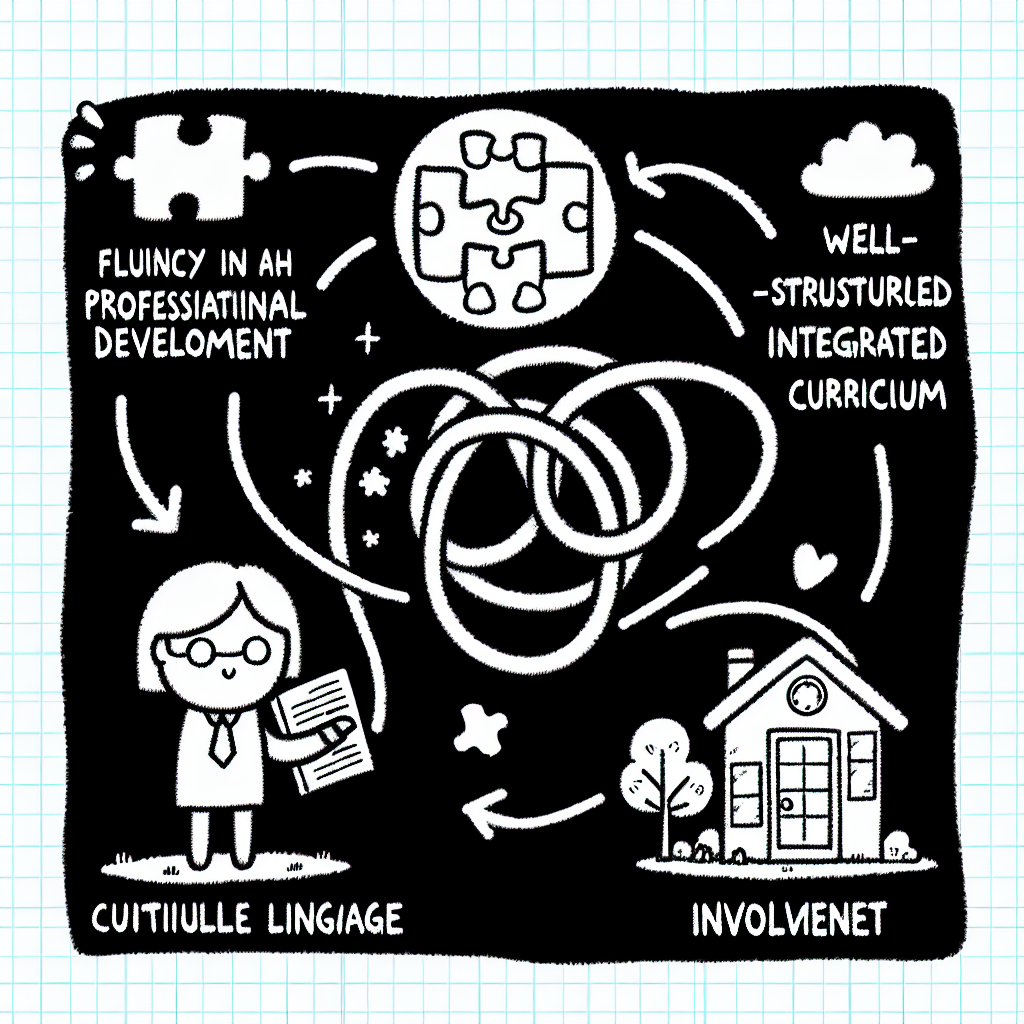
Qualified educators are crucial for the effectiveness of schools with strong academic immersion programs. Teachers must receive thorough training in both the language of instruction and the content they are teaching. Fluency in the target language ensures that educators can model proper usage and provide clear communication. Furthermore, ongoing professional development is essential to keep teachers updated on the latest pedagogical strategies and immersion practices.
B. Curriculum Design
A well-structured curriculum design is another key component of successful immersion programs. Effective immersion curricula integrate language objectives directly with content standards, allowing students to learn a new language while simultaneously grasping subject matter. Additionally, the use of authentic materials and assessments is vital, as they provide students with real-world contexts in which to apply their language skills and knowledge.
C. Parental Involvement
Engaging families in the immersion experience significantly enhances the success of schools with strong academic immersion programs. Parents can support their children's learning by understanding the goals of the program and participating in school activities. Strategies for support at home can include encouraging language practice, providing resources for learning, and fostering a positive attitude towards the language and its culture.
Case Studies of Successful Schools
A. Elementary Schools
Effective immersion programs in elementary education have gained recognition for their ability to enhance language acquisition and academic performance. These programs often emphasize a dual-language approach, where students are instructed in both their native language and a second language, promoting bilingualism from an early age. Research indicates that students in schools with strong academic immersion programs tend to outperform their peers in standardized tests, particularly in language arts and reading comprehension (eric.ed.gov).
Best practices include a strong curriculum that integrates language learning across subjects, ongoing teacher training, and parental involvement in the educational process. Schools implementing these strategies have reported improved student engagement and higher overall academic achievement.
B. High Schools
Immersion programs in high school settings present unique features that cater to older students' needs. These programs often include advanced placement courses and international baccalaureate options that allow students to gain college credit while enhancing their language skills. High schools with strong academic immersion programs have demonstrated that students not only achieve proficiency in a second language but also excel in critical thinking and problem-solving skills (eric.ed.gov).
Success stories include schools where students have successfully transitioned from immersion to mainstream classes, showcasing their ability to adapt and thrive. However, challenges such as resource allocation and maintaining student interest in immersion courses remain prevalent.
C. Immersion Programs in California
California is home to a variety of immersion program models that reflect the state's diverse population. These programs often focus on bilingual education, cultural competency, and community engagement, making them particularly effective in meeting the needs of local students (eric.ed.gov).
The impact of these programs extends beyond individual student success; they also contribute to broader educational policy discussions. Local communities often rally around these initiatives, advocating for continued funding and support, which in turn influences state education policies. The success of immersion programs in California serves as a model for other regions looking to enhance their educational frameworks.

V. Research Insights and Trends
A. Current Research Trends
Recent studies on schools with strong academic immersion programs highlight the effectiveness of these programs in both elementary and secondary education. Research indicates that immersion programs significantly improve language proficiency, cognitive development, and academic performance in core subjects. For instance, a comprehensive review of existing literature can be found at ERIC, which outlines multiple studies demonstrating these benefits.
The implications for future research directions include a need for longitudinal studies to assess the long-term impacts of immersion education on student outcomes. Additionally, exploring diverse demographic factors and their influence on immersion program success could provide valuable insights for educators and policymakers.
B. Educational Policy Considerations
Funding and resource allocation are critical for the success of schools with strong academic immersion programs. Current discussions emphasize the necessity of dedicated funding streams to support these programs, as they often require specialized training for educators and additional resources to maintain high educational standards.
Policy recommendations for enhancing program effectiveness include increasing state and federal support for immersion programs, providing professional development opportunities for teachers, and fostering partnerships with community organizations to bolster program resources. These steps can help ensure that immersion programs fulfill their potential in improving educational outcomes for all students.

Conclusion
In summary, strong academic immersion programs play a crucial role in enhancing student learning and engagement. These programs provide students with the opportunity to deeply explore subjects through integrated and experiential learning, fostering critical thinking and creativity.
It is essential for schools to adopt and continuously improve their immersion strategies to ensure that all students benefit from these transformative educational experiences. By investing in robust academic immersion programs, schools can significantly enhance academic outcomes and prepare students for the complexities of the modern world.
Educators, policymakers, and communities must come together to support immersion education. By collaborating and advocating for the development of these programs, we can create a more enriching and effective learning environment for all students.

 SHARE ON FACEBOOK
 SHARE ON TWITTER