Introduction
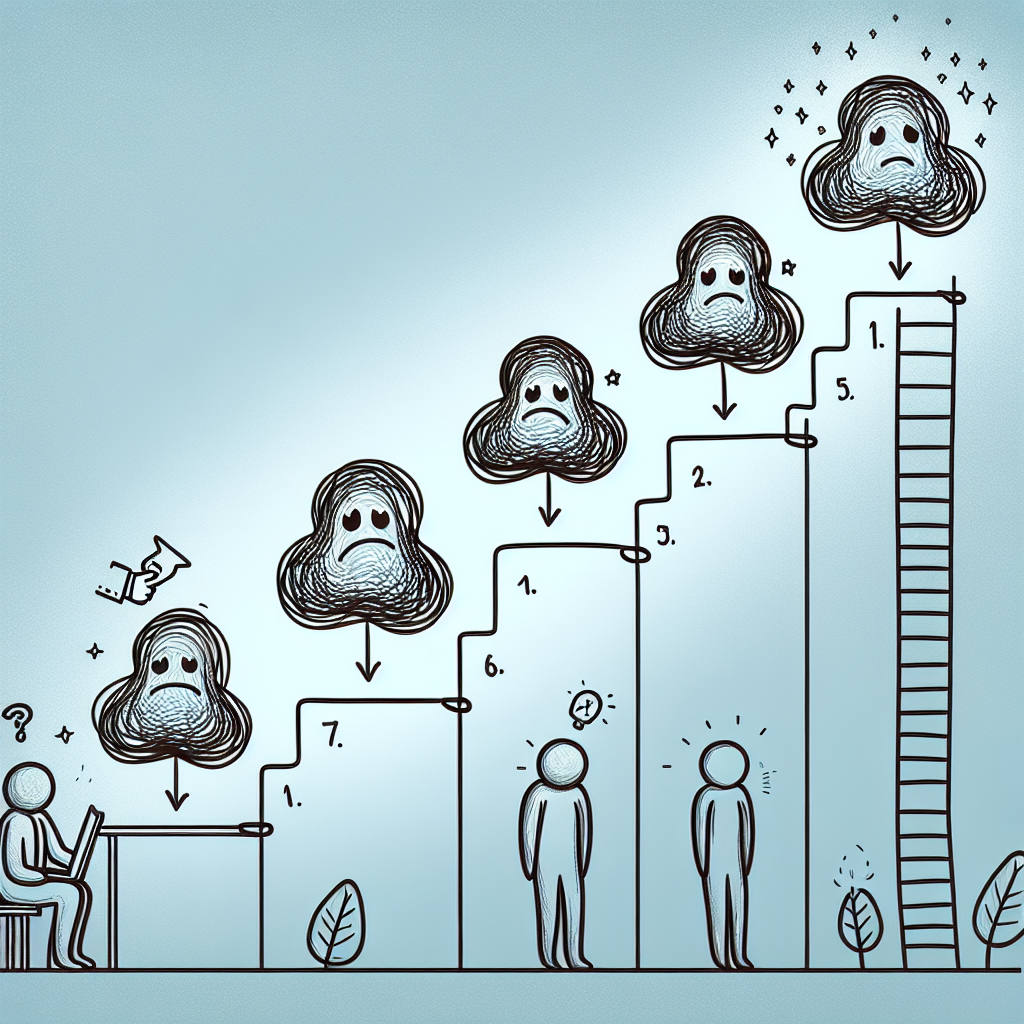
Addressing academic setbacks is crucial for both personal and educational growth. These setbacks, whether they're low grades, failed exams, or struggles with understanding course material, are not just obstacles; they're opportunities for learning and improvement. Recognizing and overcoming these challenges can lead to significant personal development, resilience, and a better understanding of one's own learning style and needs.
Common causes of academic setbacks include lack of preparation, poor time management, personal issues, and difficulty adapting to new teaching methods or subjects. However, the strategies for recovery are as varied as the causes. This article will explore effective approaches such as developing a study plan, seeking help from educators or peers, and utilizing campus resources. Recovering from academic setbacks is not just about improving grades; it's about fostering a growth mindset that views challenges as chances to learn and develop.

Part 1: Understanding Academic Setbacks
A. Recognizing the Signs
Recognizing the early signs of academic setbacks is crucial for timely intervention and recovery. Key indicators include:
- Decreased academic performance: A noticeable drop in grades or the quality of work can be one of the first signs of academic struggle.
- Loss of motivation and interest in studies: When students start to show disinterest in their courses or lack the drive to participate in academic activities, it may signal underlying issues affecting their academic journey.
B. Common Causes
Understanding the root causes of academic setbacks is essential for finding effective solutions. Common causes include:
- Ineffective study habits: Without efficient study strategies, students may struggle to keep up with their coursework. The University of California, Berkeley highlights how critical effective study habits are to academic success.
- Personal issues and external pressures: Challenges outside of academics, such as family issues, financial stress, or health problems, can significantly impact a student's ability to perform academically.
- Lack of understanding of academic material: When students have trouble grasping course content, it can lead to a cycle of frustration and disengagement, further exacerbating academic difficulties.

Strategies for Recovery
A. Adjusting Study Methods
To effectively recover from academic setbacks, identifying and adopting study strategies that cater to individual learning styles is crucial. Stanford University emphasizes the importance of personalized study methods, suggesting that what works for one student may not work for another. This approach involves experimenting with different techniques and reflecting on their effectiveness in improving academic performance.
B. Seeking Support
Recovery from academic setbacks can be significantly enhanced by seeking out support. This includes utilizing academic advising and counseling services offered by educational institutions. These services can provide personalized advice and strategies for overcoming challenges. Additionally, engaging in peer study groups can offer a sense of community and mutual support, which is vital for staying motivated and overcoming obstacles.
C. University-Specific Programs
Several universities have developed specific programs to assist students in recovering from academic setbacks:
- University of Washington offers a four-step method to help students cope with setbacks, providing a structured approach to overcoming academic challenges. University of Washington
- University of Colorado Boulder's Bounce Back Program focuses on developing key skills for academic recovery, including time management, study strategies, and stress management. University of Colorado Boulder

Institutional Interventions
A. Academic Warning and Suspension Policies
Academic Warning and Suspension are pivotal interventions used by institutions to address academic underperformance. An academic warning serves as a formal notice to students that their academic performance has fallen below the institution's required standards. It's a proactive measure, aimed at alerting students to potential problems and encouraging them to seek help. In contrast, academic suspension is more severe. It typically occurs after repeated academic warnings and signifies that a student must take time away from the institution to address the issues that have led to their academic difficulties. Institutions like Pennsylvania State University outline these policies to ensure students are aware of the consequences of academic underperformance and the steps needed for recovery.
B. Developing a Personalized Plan
Creating a personalized plan is crucial for students recovering from academic setbacks. This plan should be tailored to address the specific challenges that contributed to the student's academic difficulties. It involves setting realistic goals, identifying resources for academic support, and developing strategies for time management and study skills improvement. The process of creating a personalized plan encourages students to take an active role in their academic recovery, fostering a sense of responsibility and engagement in their educational journey.
Part 4: Mindset and Mental Health
A. Adopting the Right Mindset
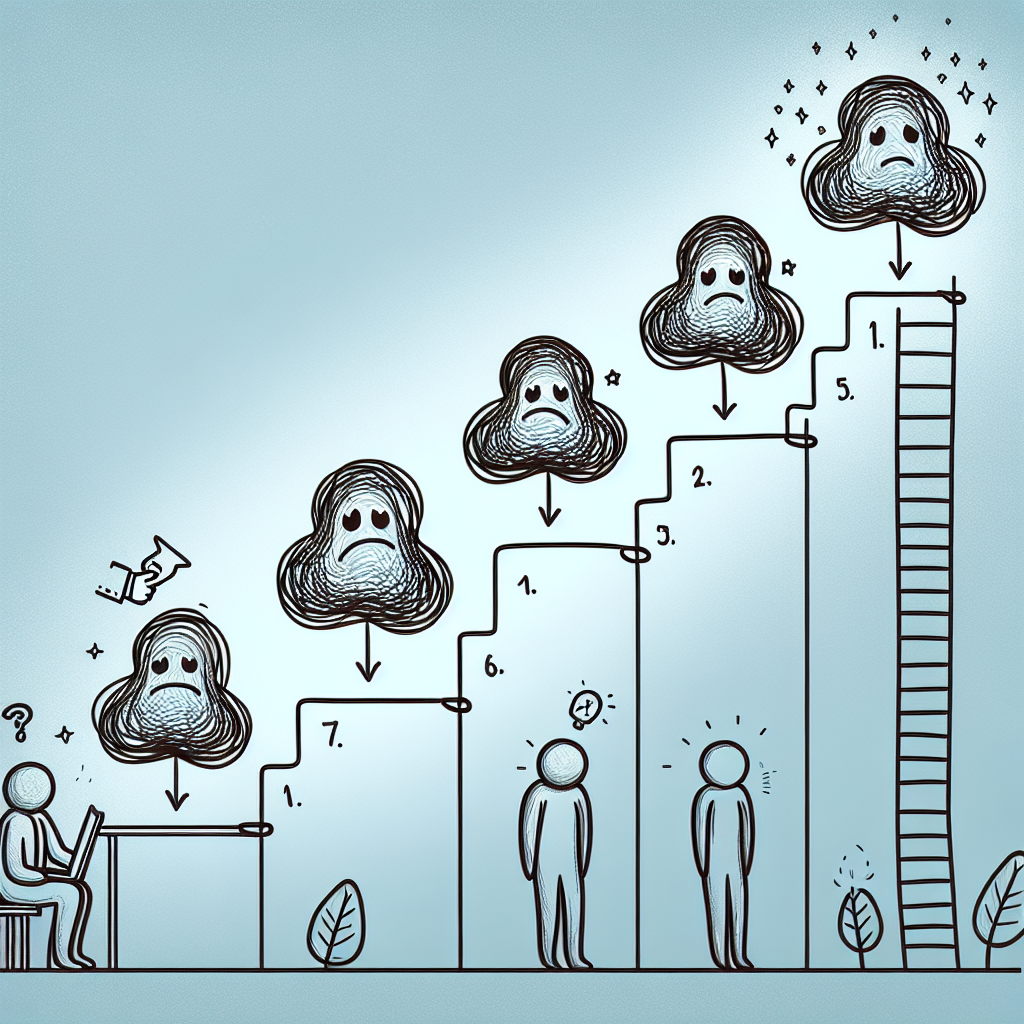
Adopting the right mindset is crucial for recovering from academic setbacks. Embracing a growth mindset, a concept popularized by psychologist Carol Dweck, is fundamental. This mindset revolves around the belief that abilities and intelligence can be developed through dedication and hard work. It encourages seeing challenges and failures not as evidence of unintelligence, but as opportunities for growth and learning. By fostering a growth mindset, students can better navigate the difficulties they encounter and maintain motivation towards their academic goals.
B. Managing Stress and Anxiety
Managing stress and anxiety is essential for maintaining mental health, especially in the context of recovering from academic setbacks. Techniques for stress management include:
- Regular Exercise: Engaging in physical activity releases endorphins, which are chemicals in the brain that act as natural painkillers and mood elevators.
- Mindfulness and Meditation: These practices help in focusing the mind and reducing the rumination that often accompanies stress and anxiety.
- Adequate Sleep: Ensuring sufficient sleep is crucial as it helps the mind and body recover, improving overall well-being and cognitive function.
- Healthy Eating Habits: A balanced diet can affect one’s mood and energy levels, thereby impacting stress levels and the ability to concentrate.
- Seeking Professional Help: Sometimes, it's necessary to seek the support of a counselor or psychologist, especially if stress and anxiety become overwhelming.
By implementing these techniques, students can better manage their stress and anxiety, paving the way for a more effective recovery from academic setbacks.

Conclusion
In conclusion, recovering from academic setbacks requires a holistic approach that encompasses emotional, psychological, and practical strategies. It's crucial to understand that setbacks are a part of the learning process, offering invaluable lessons that contribute to personal and academic growth. Embracing a comprehensive recovery plan, which includes seeking help when needed, leveraging available resources, and building a supportive network, can significantly enhance the likelihood of a successful comeback.
Remember, the journey to overcoming academic challenges is unique to each individual, but it doesn't have to be navigated alone. Schools, universities, and educational institutions often provide counseling services, tutoring programs, and mentorship opportunities to assist students in their recovery efforts. Furthermore, tapping into the support of family and friends can provide the emotional sustenance needed during this time.
Ultimately, the key to recovering from academic setbacks lies in persistence, resilience, and the willingness to seek out and utilize support systems. By adopting a holistic approach to recovery, students can emerge stronger, more knowledgeable, and better equipped to tackle future challenges.

 SHARE ON FACEBOOK
 SHARE ON TWITTER